
 EN
 AR
 CS
 DA
 NL
 FI
 FR
 DE
 EL
 HI
 IT
 JA
 KO
 NO
 PL
 PT
 RU
 ES
 SV
 TL
 ID
 SR
 UK
 VI
 SQ
 HU
 TH
 TR
 MS
 IS
 BN
 LO
 MN
 NE
 MY
 UZ
 KY


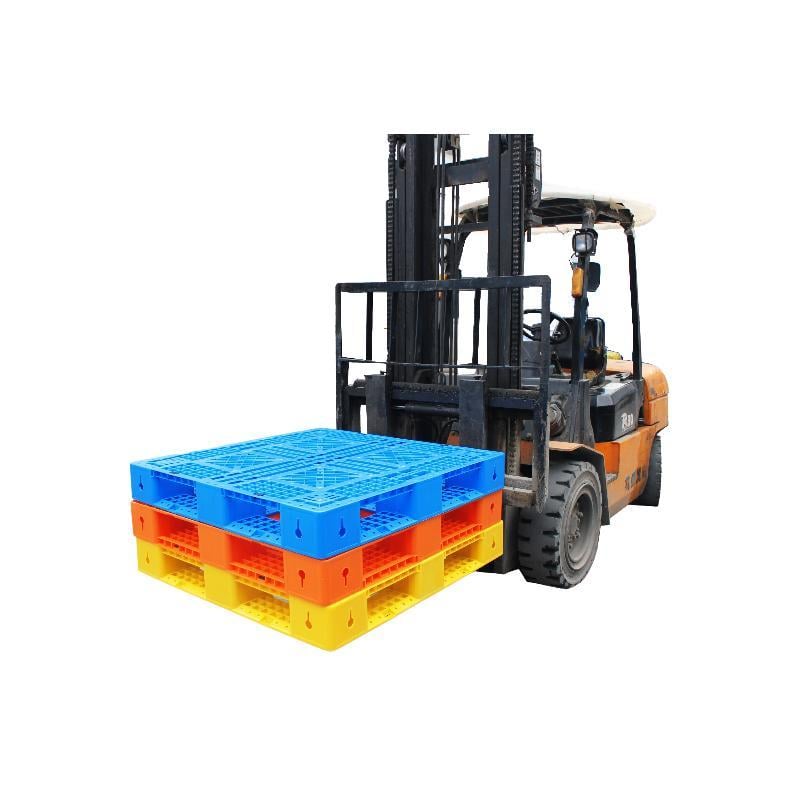 Plastic Pallets
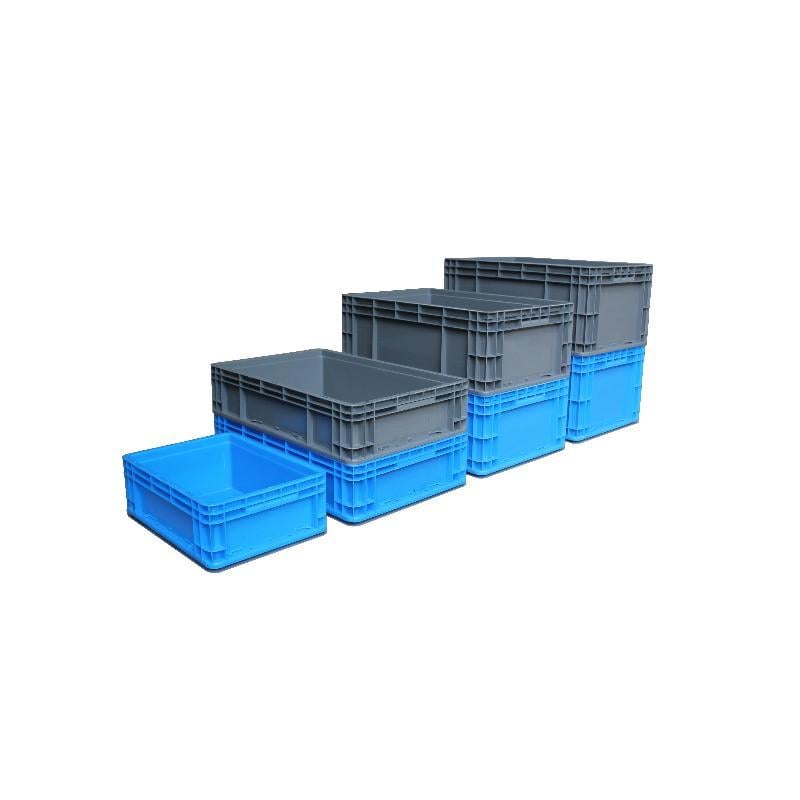 Logistics Box
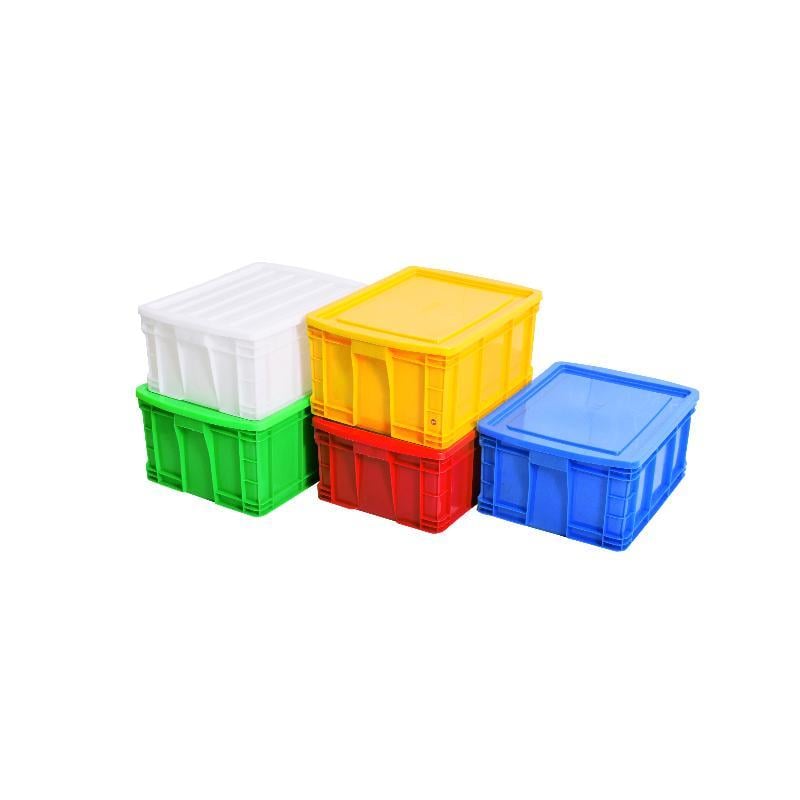 Plastic Crates
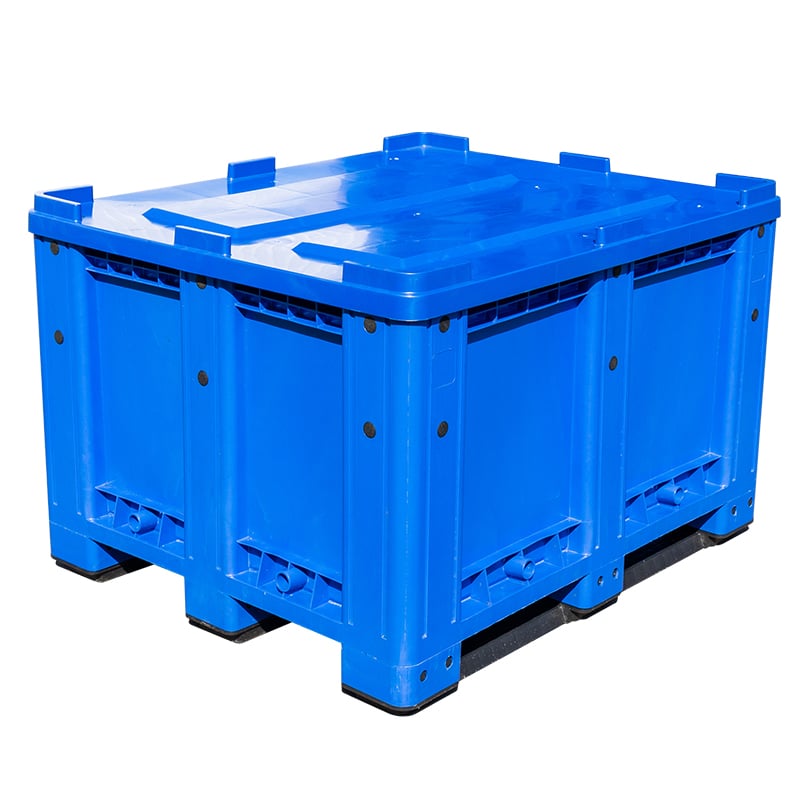 Bulk Containers
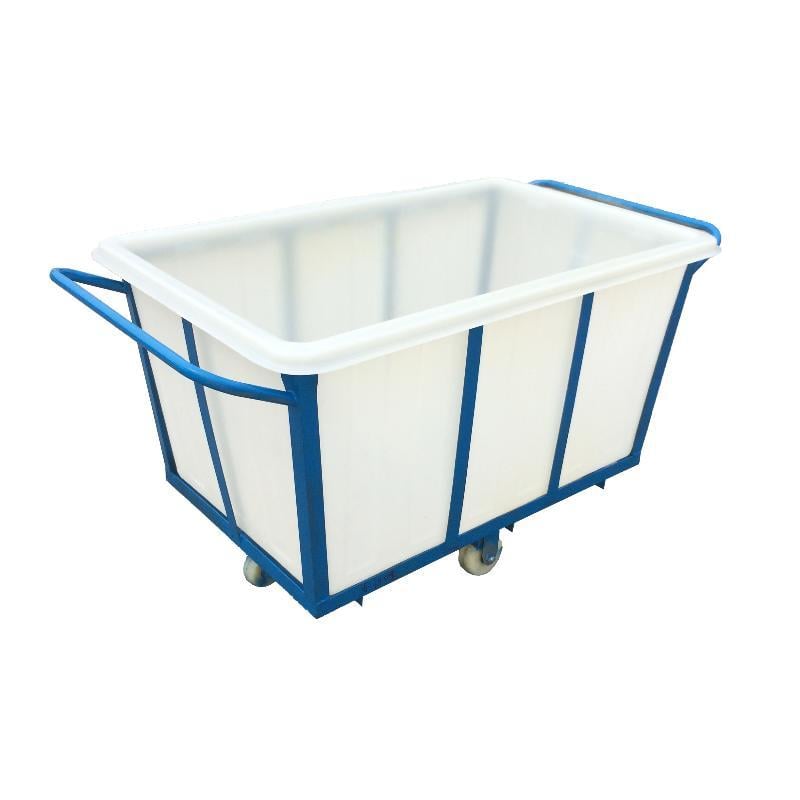 Trolley Cart
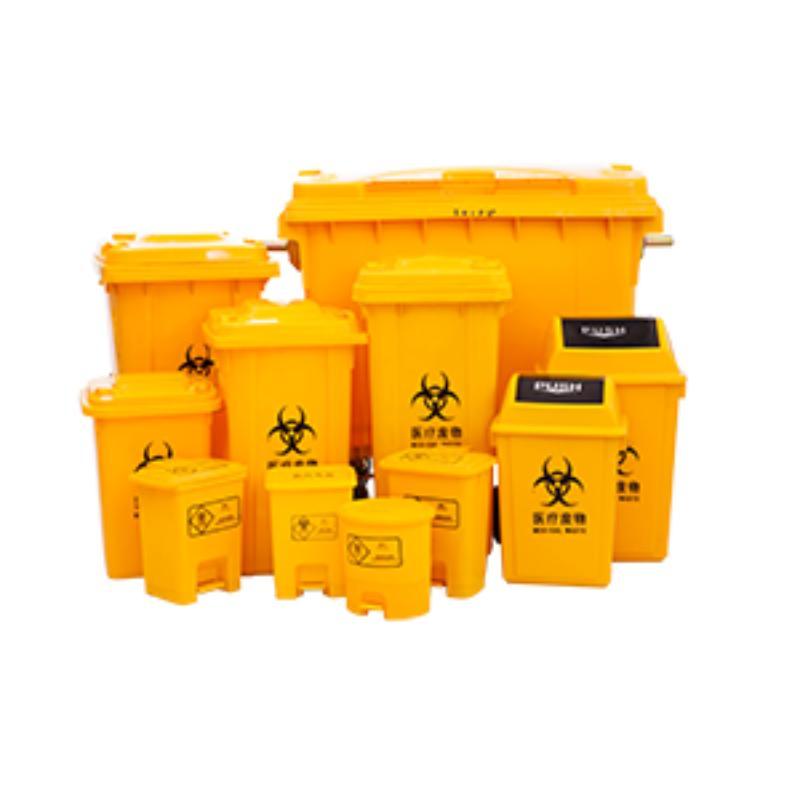 Waste Bins
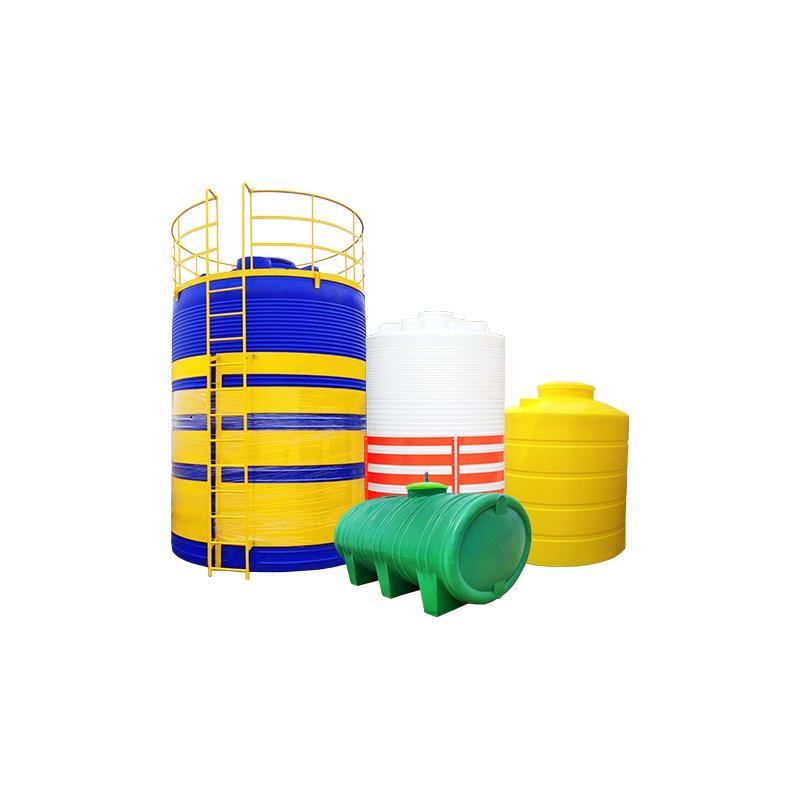 liquid storage containers
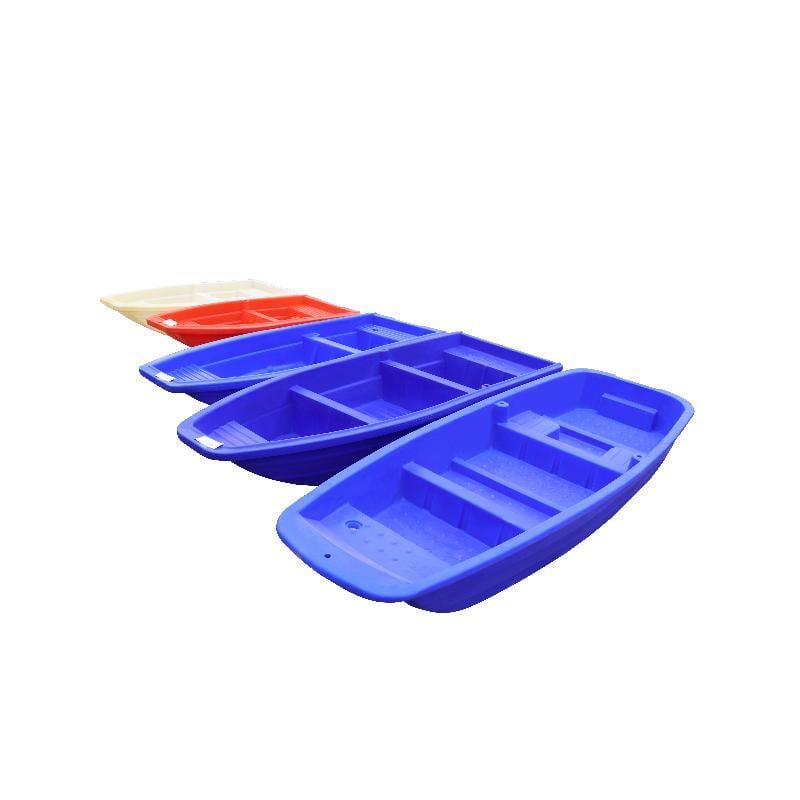 Plastic Aquaculture Products & Boat

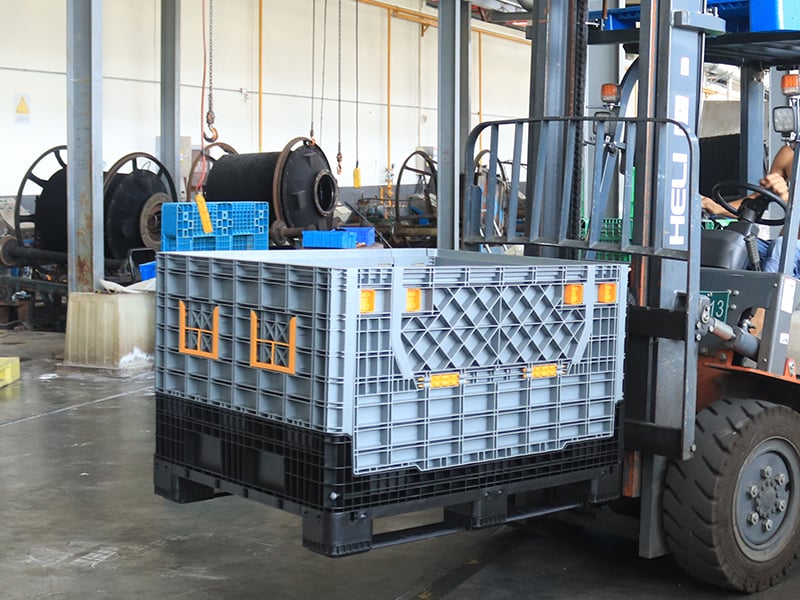
Every closed-loop distribution plan has two trips, and most of the planning effort goes into the first one. The loaded outbound leg is designed, palletized and optimized. The second trip — the empty container coming back — is often treated as an afterthought, even though it consumes the same truck space, fuel and driver hours as any other freight. This is where collapsible pallet boxes change the economics: when the container itself takes up a fraction of its loaded volume on the way back, the return leg stops being a full-price freight bill.
Why Empty Runs Are the Silent Cost in Return Logistics
Reverse logistics costs rarely show up as a single line item, which is why they survive budget reviews. An empty rigid box on a return truck occupies the same footprint and often the same height class as a loaded one, so the carrier prices it accordingly. A plant that ships loaded containers out on Monday and brings empties back on Thursday is effectively paying for the same cubic meters twice.
The arithmetic gets worse as the loop gets longer. Short regional loops absorb the cost; long international loops — supplier to assembly plant across borders, or export flows with reusable packaging — can reach a point where the return leg alone approaches the value of the goods moved. Any operation running bulk containers on a repeated route should quantify the empty-leg share of total transport cost before choosing container type, not after.
How Collapsible Pallet Boxes Shrink the Return Leg
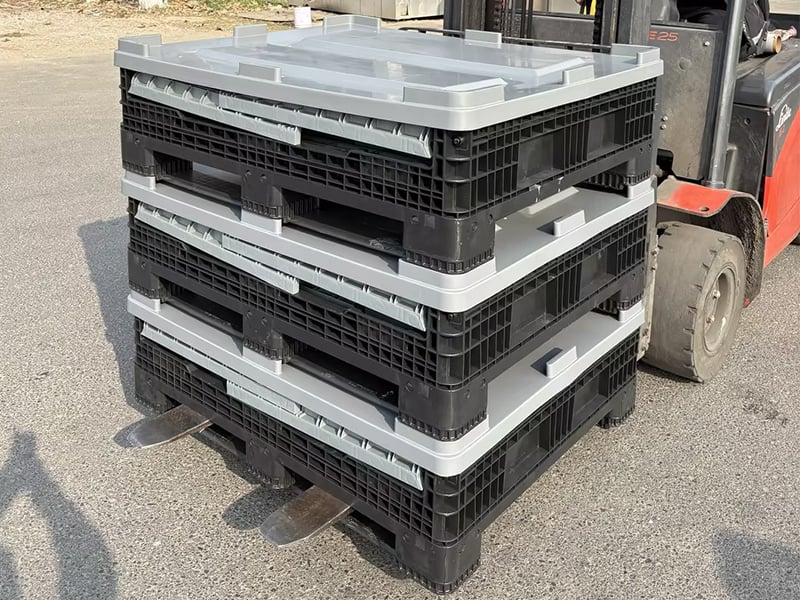
A collapsible pallet box is a rigid container when loaded and a flat, nestable stack when empty. The side walls fold down onto the base, and collapsed units stack on top of each other, so one truck position that carried a single loaded box outbound can carry several collapsed boxes on the return run. The exact consolidation ratio depends on the model and how high the collapsed stacks go, but the direction of the saving is fixed: fewer return trips, or the same trips with far fewer vehicles.
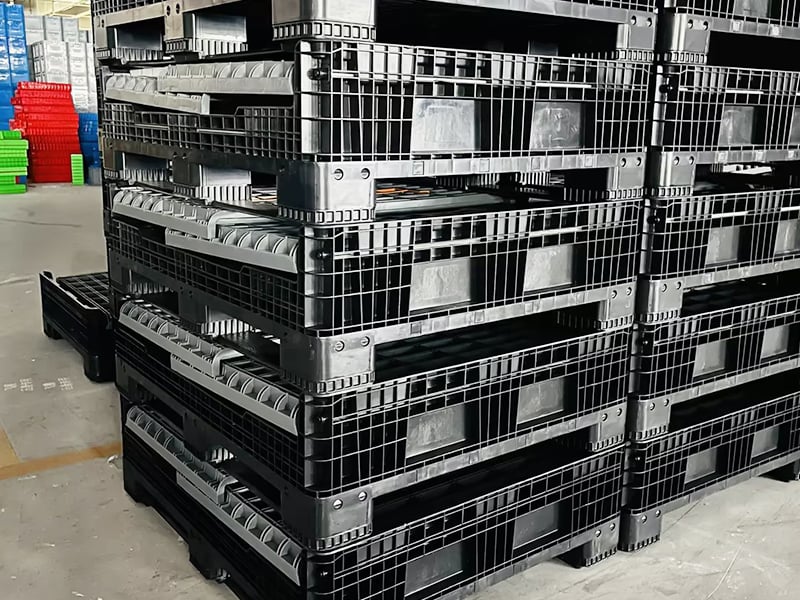
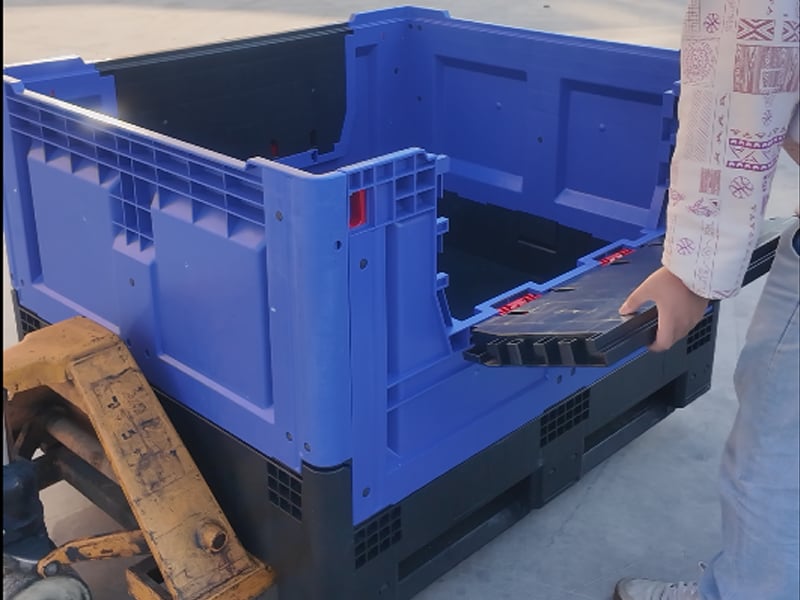
The folding mechanics are simple enough to survive daily industrial use. Walls drop and lock without tools, and because the base, pallet feet and lids are separate replaceable parts, a damaged component does not write off the whole box. The current model on our site holds 693 liters loaded, weighs 35 to 41 kg depending on configuration, and offers 4-way forklift entry, which matters when the same box is handled by different equipment at each end of the loop.
Comparing Rigid and Collapsible Boxes on a Two-Way Route
Rigid boxes still have their place. Where goods are heavy and dense, wall rigidity protects the load, and where containers rarely travel back at all — one-way export flows into scrap or recycling — a collapsible design buys nothing. The comparison that matters is route-specific: how often does the container actually come back?
For loops with a genuine return flow, the decision usually favors folding. A heavy-duty industrial pallet box in rigid form competes well on strength and simple handling, but every return trip billed at loaded rates erodes that advantage. A practical way to compare: take the annual number of return legs, multiply by the empty-leg freight cost per rigid box, and set that against the price difference between rigid and collapsible models. In most multi-trip loops the collapsible premium pays back within the first year of operation.
What to Check Before Committing to a Return Loop
Folding capability alone does not make a loop work. The operational details decide whether collapsed boxes actually come back:
- Cleaning and inspection: collapsed boxes still need washing and a damage check before reuse, so confirm your destination site has the space and process for it.
- Handling equipment: 4-way forklift entry lets either end of the loop move boxes without special attachments.
- Replacement parts: verify that walls, lids and feet can be ordered individually, so repairs stay local and cheap.
- Collapse discipline: stacks only consolidate if staff actually fold and nest them; build it into the outbound return checklist.
The cost side of this equation — how folding translates into freight savings — is covered in more detail in our guide to how foldable crates cut logistics costs.
Storage at the destination is part of the same calculation. Collapsed boxes occupy far less floor space than empty rigid ones waiting in a yard or dock area, and in facilities where space is billed or simply scarce, that waiting area is not free. Folding therefore earns money twice on a closed loop: once on the return vehicle, and once in the space the empty fleet does not have to occupy between trips.
A Practical Checklist Before You Order
Volume, weight and entry type are the first three numbers to fix. After that:
- Volumes: loaded volume per trip, collapsed stack height, and how many boxes fit one return vehicle.
- Load profile: maximum weight per box, and whether goods need lids or top frames.
- Loop length: domestic shuttle, cross-border or export-return — longer loops raise the value of every saved cubic meter.
- Customization: standard color options are straightforward; any printing or marking on the box needs product-level confirmation before it can be promised, and such orders are accepted in batch quantities only.
One way to de-risk the decision is to look at an operating example. We recently supplied foldable plastic pallet boxes for food industry use in Florida, where the customer's loop runs on a fixed schedule and folding was the deciding factor.
FAQ
Q1: How much smaller is a collapsible pallet box when empty?
A: The side walls fold down onto the base and collapsed units nest into stacks, so several collapsed boxes occupy roughly the footprint of one. The precise ratio depends on the model and stack height; we confirm it per model before you plan vehicle loading.
Q2: Do collapsible boxes carry as much as rigid ones?
A: Loaded volume and load capacity are model-specific. Our current 693 L collapsible model carries industrial loads with 4-way forklift entry; for very dense or sharp-edged goods we recommend confirming the load case with us first.
Q3: Is folding hard on the box? Does it wear out faster?
A: The fold is a designed movement, not a stress event — walls drop and lock without tools. Wear concentrates in parts like feet and lid edges, which are individually replaceable, so the box body stays in service.
Q4: Can collapsible pallet boxes be used for export flows?
A: Yes, where the container returns. For genuine one-way flows where boxes never come back, a rigid or less costly container is usually the better fit.
Q5: What happens if a wall or lid gets damaged in the loop?
A: Order the part, not the box. Walls, lids and pallet feet are replaceable on site, which keeps repair costs low and avoids pulling serviceable boxes out of the loop.
Q6: Do you support custom colors or branding on pallet boxes?
A: Standard color options are available. Any printing or logo marking must be confirmed against the specific product before it can be promised, and customized orders are accepted in batch quantities only.
Key Takeaways
- The empty return leg is real freight cost; collapsible pallet boxes attack it directly by shrinking the container, not the truck.
- Consolidating collapsed stacks means fewer return vehicles or fewer billed positions per loop.
- Route decides the container: genuine return loops favor folding; one-way flows do not.
- Replaceable parts (walls, lids, feet) keep repair costs local and loops running.
- Quantify the empty-leg share of your transport bill before choosing — the fold premium usually pays back within the first year of a multi-trip loop.
Contact Us
For collapsible pallet box specifications, loop cost calculations or a quotation, contact:
Email: [email protected]
Mobile: +86 13915871341
Website: https://www.linhuiplastics.com/