
 EN
EN
 AR
AR CS
CS DA
DA NL
NL FI
FI FR
FR DE
DE EL
EL HI
HI IT
IT JA
JA KO
KO NO
NO PL
PL PT
PT RU
RU ES
ES SV
SV TL
TL ID
ID SR
SR UK
UK VI
VI SQ
SQ HU
HU TH
TH TR
TR MS
MS IS
IS BN
BN LO
LO MN
MN NE
NE MY
MY UZ
UZ KY
KY


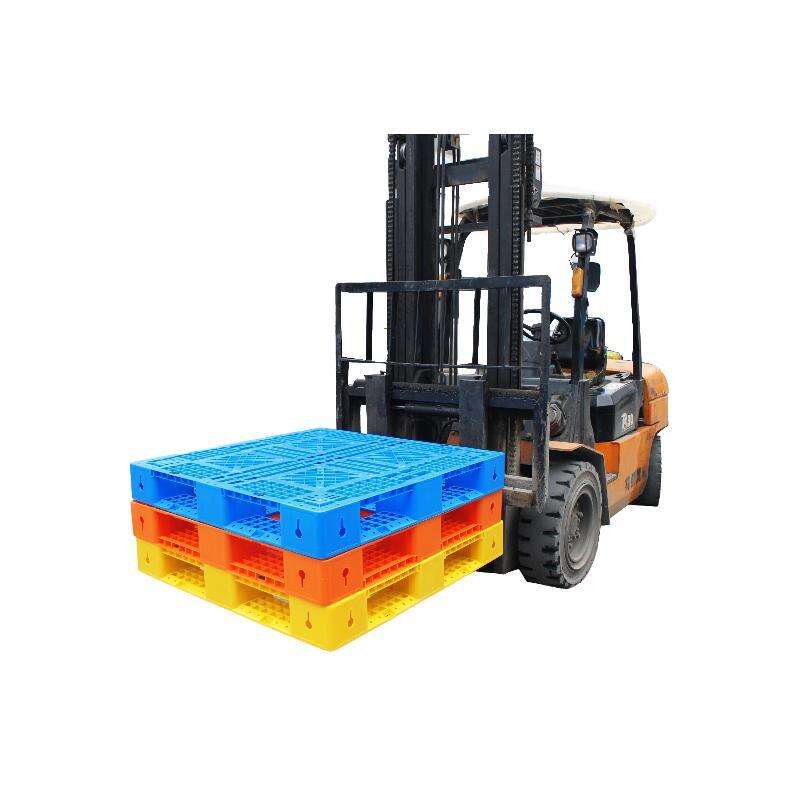 Plastic Pallets
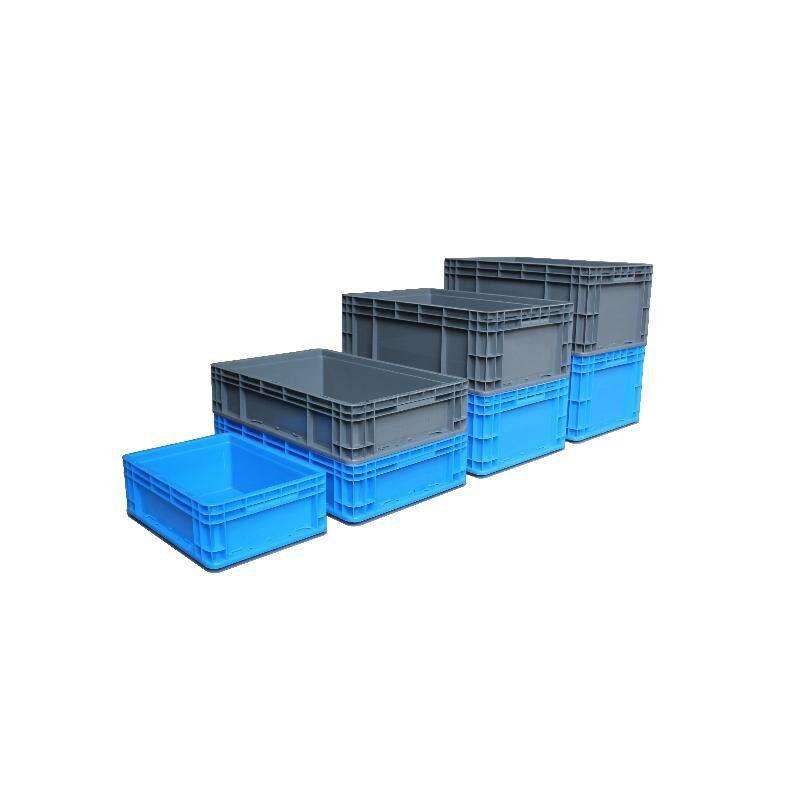 Logistics Box
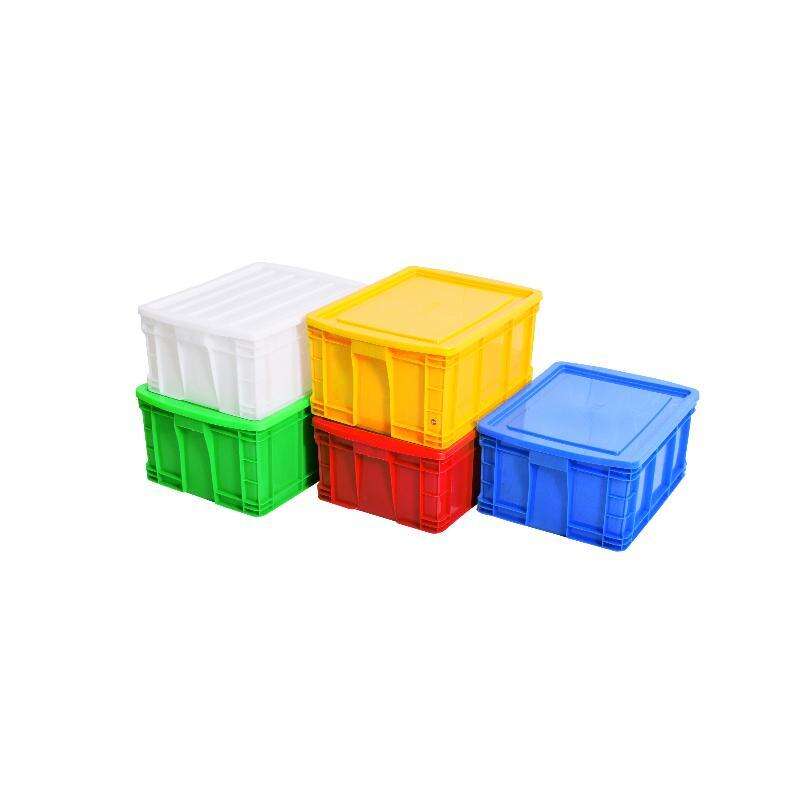 Plastic Crates
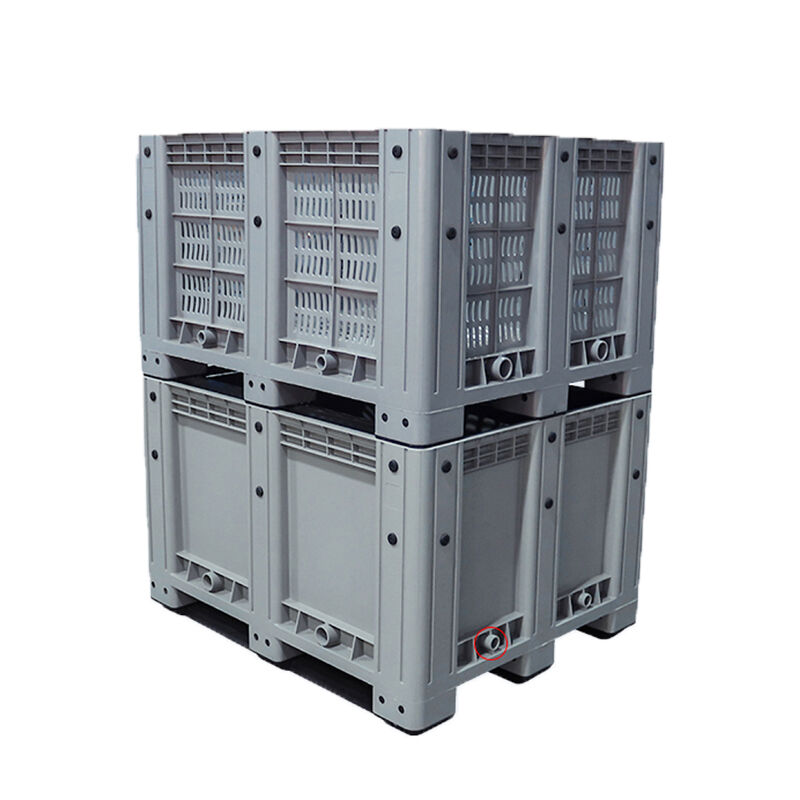 Bulk Containers
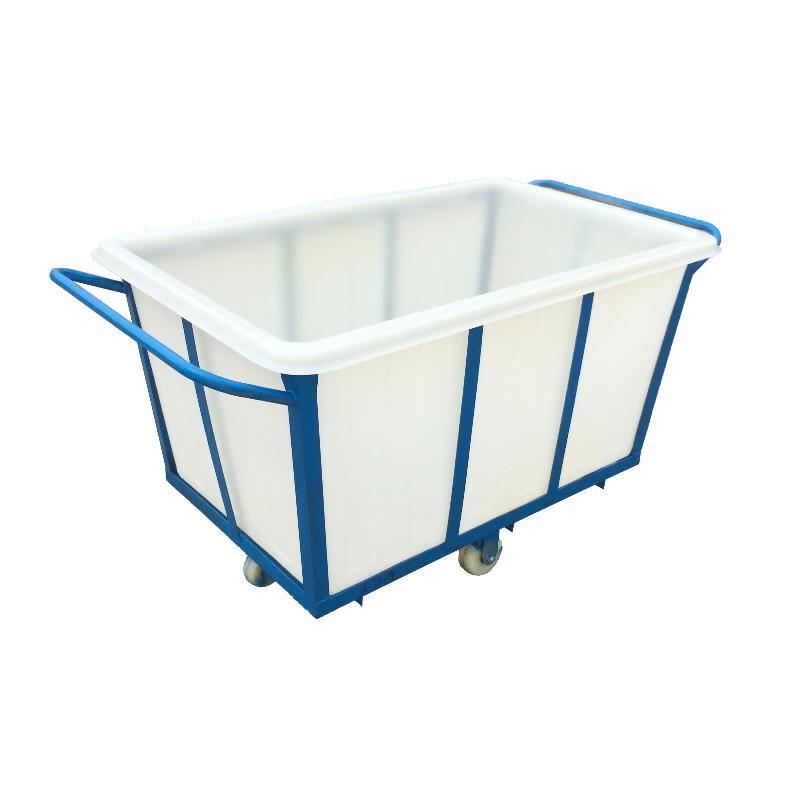 Trolly Cart
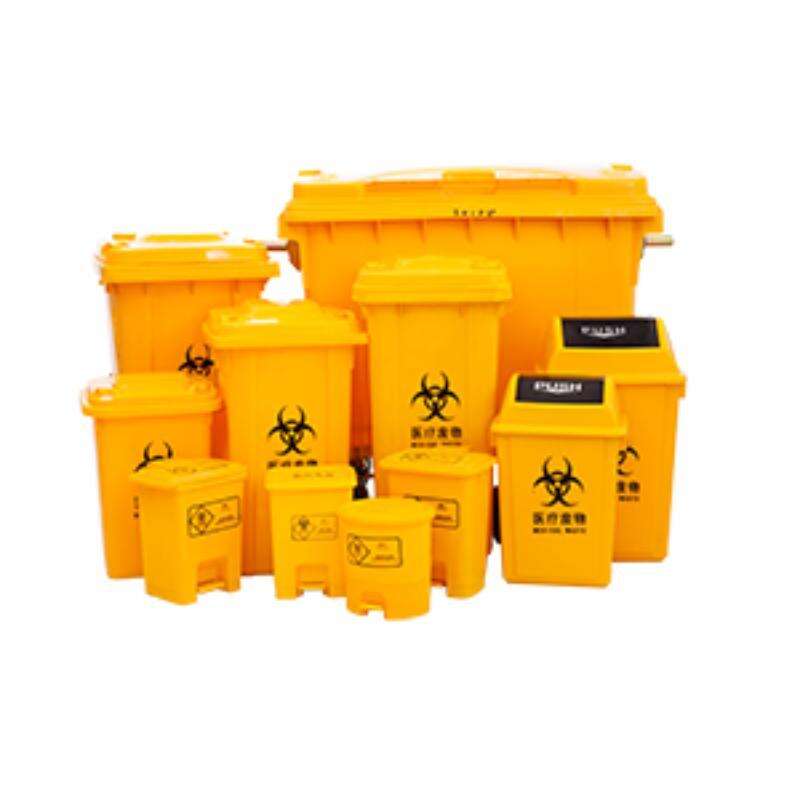 Waste Bins
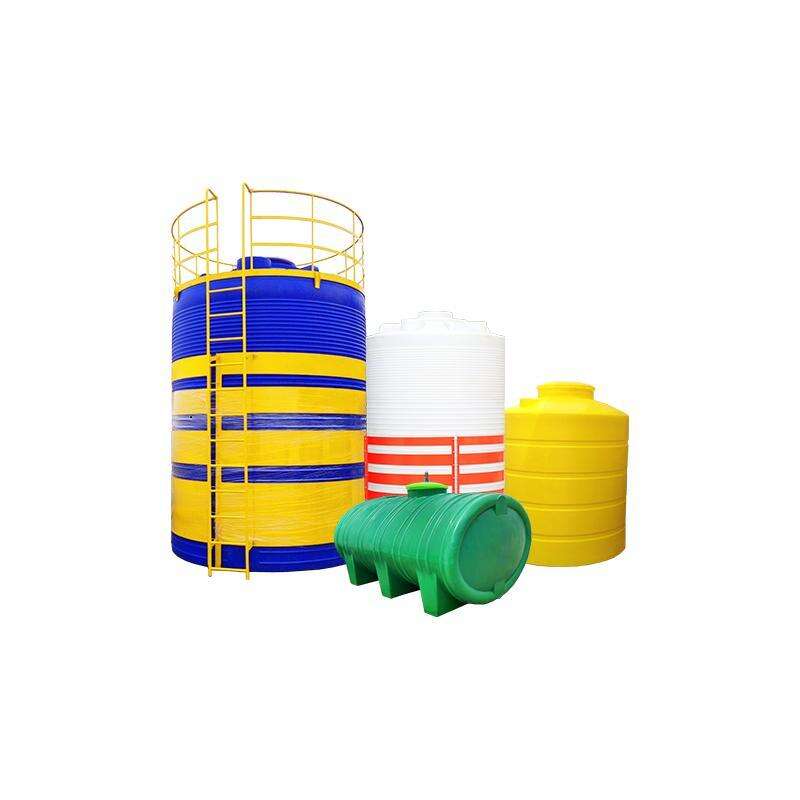 liquid storage containers
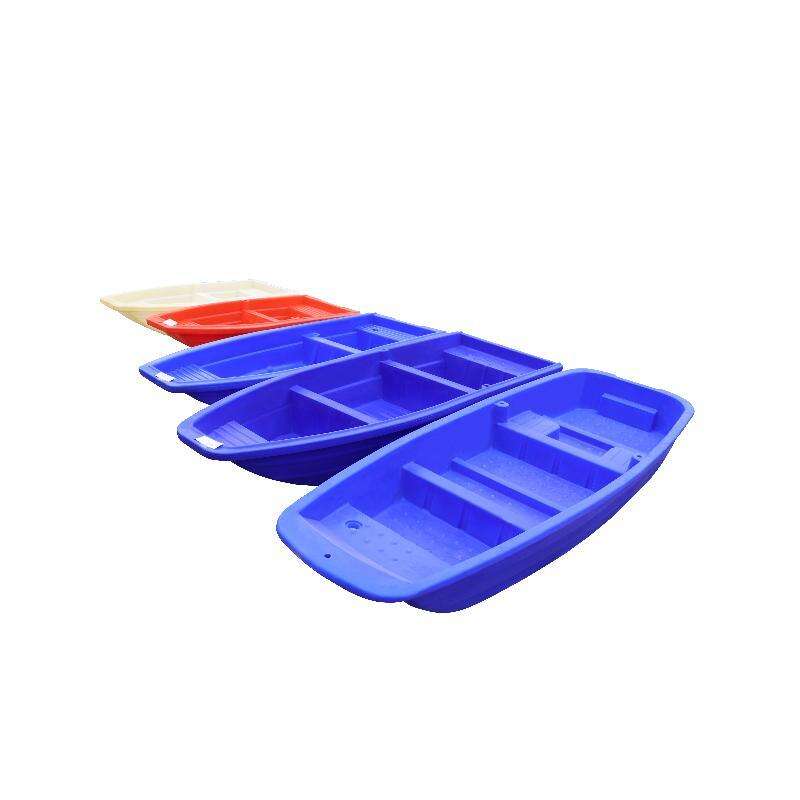 Boat &Aquatic products
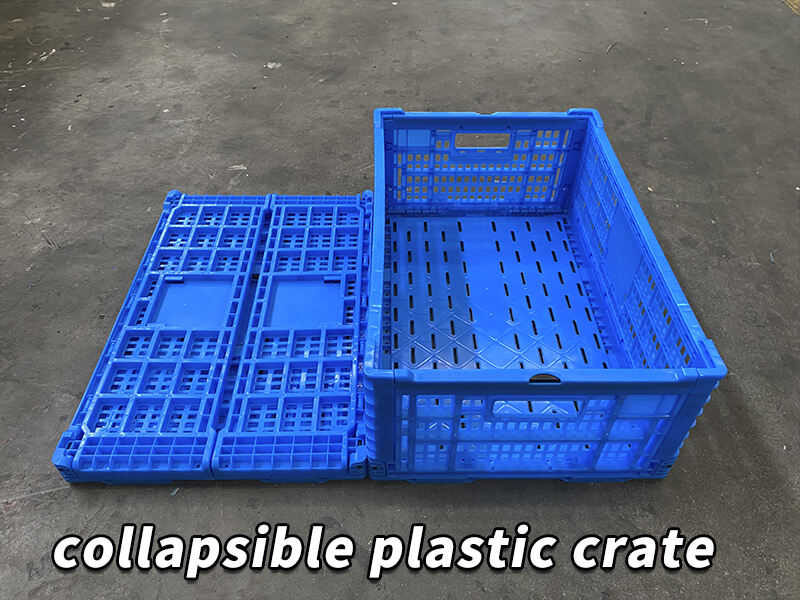
In today’s fast-paced logistics industry, every square meter of warehouse space and every cubic meter of backhaul transport counts. Traditional rigid crates take up far too much space when empty, adding unnecessary cost and inefficiency. That’s why foldable crates (collapsible plastic crates) are becoming a critical tool for supply chain operations that want to stay lean and agile.
Here are the top reasons logistics professionals are switching to foldable crates — and what to look for when choosing the right ones.
1. Maximize Space Efficiency
When crates are empty, they don’t have to return in their original, full size. High-quality foldable crates can collapse to a fraction of their full height, allowing:
-
Much denser stacking in return trucks
-
Significant cost savings on return logistics
-
Less warehouse space required for empty container storage
This feature alone can help logistics operators drastically lower their backhaul expenses.
2. Save on Material Handling Costs
Foldable crates often come with ergonomic handles and locking mechanisms from top-tier manufacturers like Plasgad, enabling fast folding and unfolding.
Such designs reduce manual labor time and minimize handling risk, making them ideal for high-turnover logistics workflows.
3. Reliable Load-Bearing for Heavy Goods
A folding crate doesn’t mean a weak crate. For example, heavy-duty HDPE folding crates used in warehouses can support:
-
Very high static loads when stacked
-
Dynamic loads compatible with forklifts and jacks
-
Long life cycles, even under rough handling
4. Designed for Hygiene and Reuse
Because logistics for food, pharmaceuticals, and fast-moving consumer goods often involve strict hygiene standards:
-
Many foldable crates use food-grade PP or HDPE
-
Perforated or mesh side panels improve air circulation and cleanliness
-
Crates can be folded and returned for reuse, making them greener and more cost-effective
5. Consider Long-Term Cost Efficiency
At first glance, foldable crates may cost more than simple rigid boxes. But over time, they offer a superior return on investment because:
-
They reduce damage risk during transport
-
They minimize storage costs for empty crates
-
They are reusable for many cycles
-
They can be branded, tracked (with RFID/barcodes), improving asset management
6. What to Look for When Buying for a Logistics Operation
If you’re a logistics or warehouse manager, here are core specs to evaluate:
-
Fold height (how small it becomes when collapsed)
-
Load capacity (static & dynamic)
-
Material (HDPE vs PP)
-
Locking mechanism (snap locks or ergonomic locks)
-
Whether the crate stacks when collapsed (cross-stacking)
-
Customization options (logo, tracking, colors)
Real-World Use Case
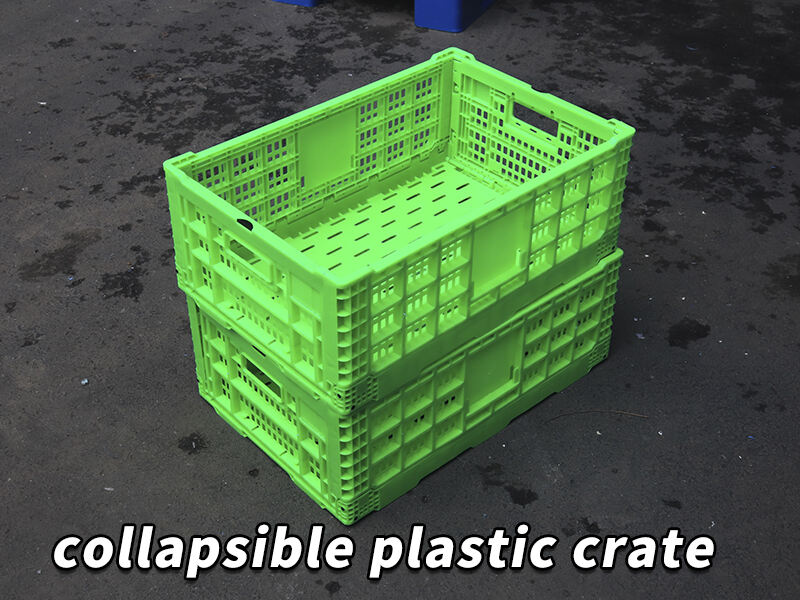
Consider a distribution center that receives products in full-size crates. After unpacking, those crates need to go back to suppliers. Using foldable crates, the center can collapse them and return 4–5x more crates per trip — reducing return costs, improving space utilization, and minimizing handling.
Conclusion & Call to Action
Collapsible plastic crates are not just a niche option — they are rapidly becoming a game-changer for logistics businesses aiming to optimize cost and efficiency. If you want to reduce your return transport costs, minimize storage space for empties, and upgrade your operational flow, these crates are worth considering.
Ready to get started?
Contact us for folding crate specs, sample quotes, and volume pricing.
Contact Us
Email: [email protected]
Mobile / WhatsApp: +86 18806120677
Website: https://www.linhuiplastics.com/id/practical-plastic-folding-crates-for-convenient-storage-solutions