
 EN
EN
 AR
AR CS
CS DA
DA NL
NL FI
FI FR
FR DE
DE EL
EL HI
HI IT
IT JA
JA KO
KO NO
NO PL
PL PT
PT RU
RU ES
ES SV
SV TL
TL ID
ID SR
SR UK
UK VI
VI SQ
SQ HU
HU TH
TH TR
TR MS
MS IS
IS BN
BN LO
LO MN
MN NE
NE MY
MY UZ
UZ KY
KY


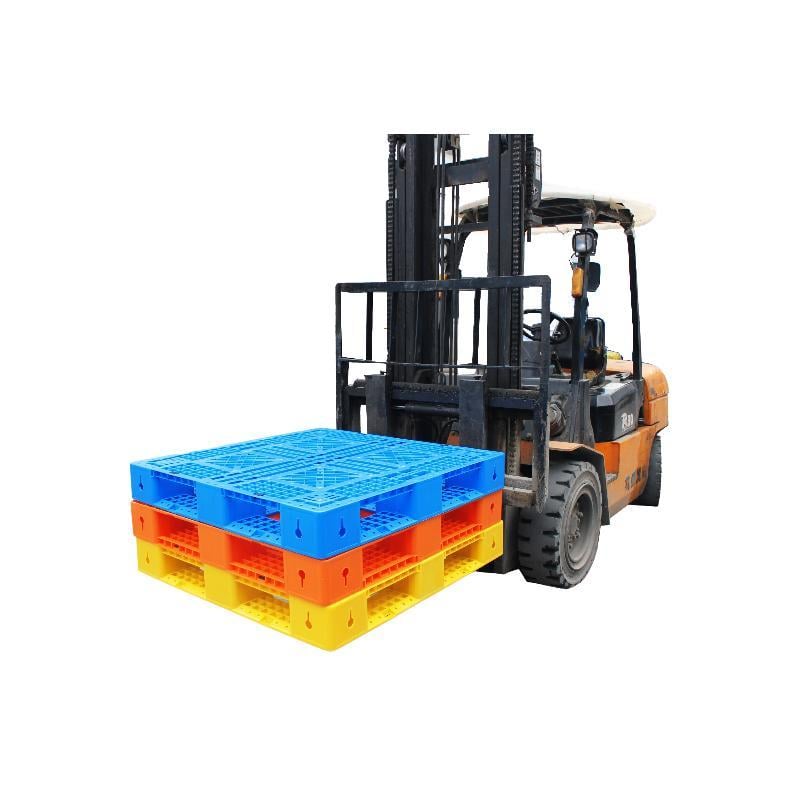 Plastic Pallets
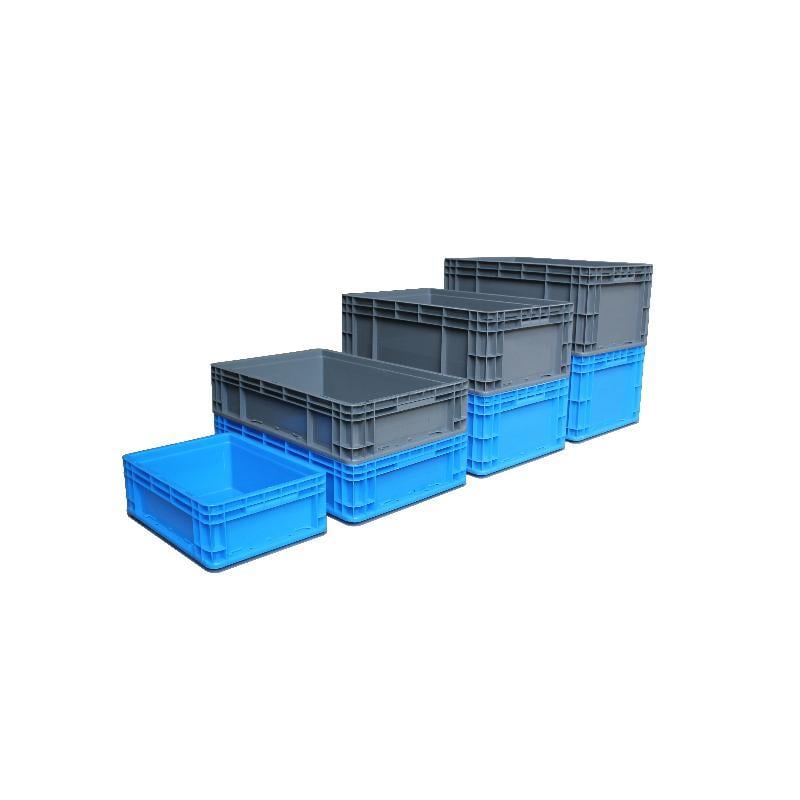 Logistics Box
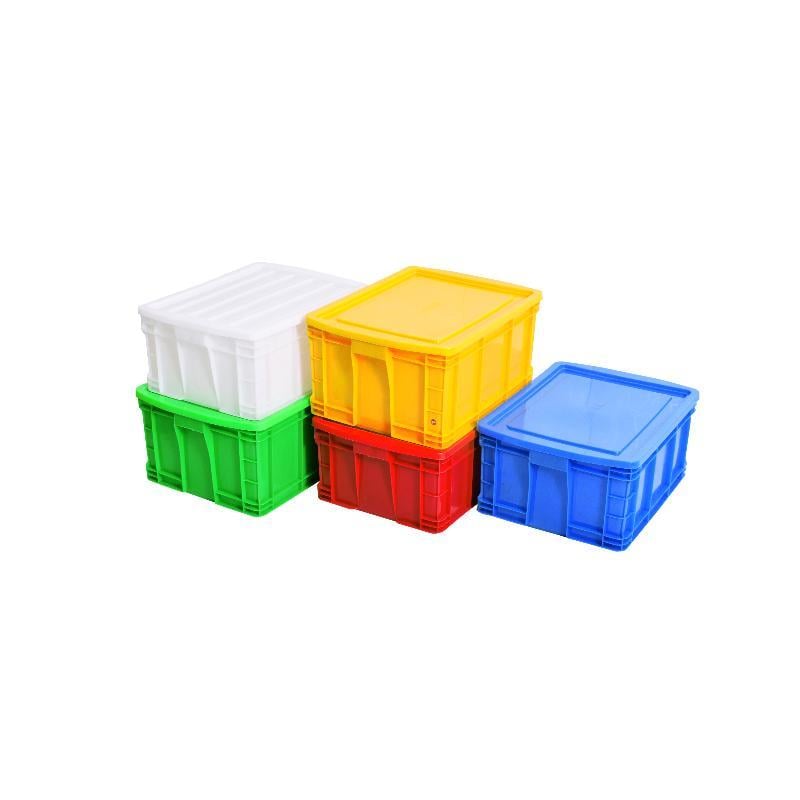 Plastic Crates
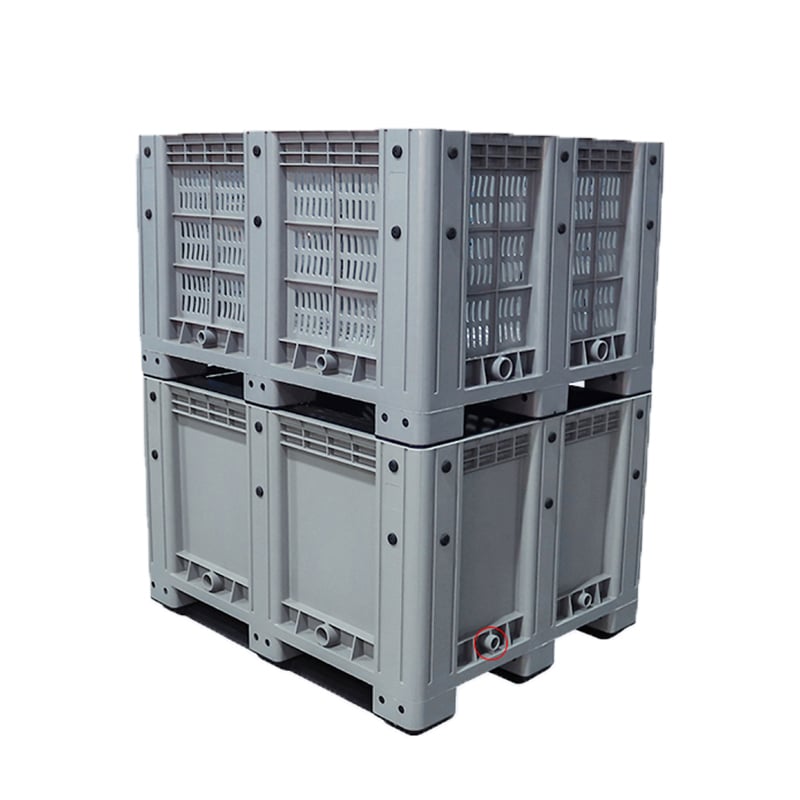 Bulk Containers
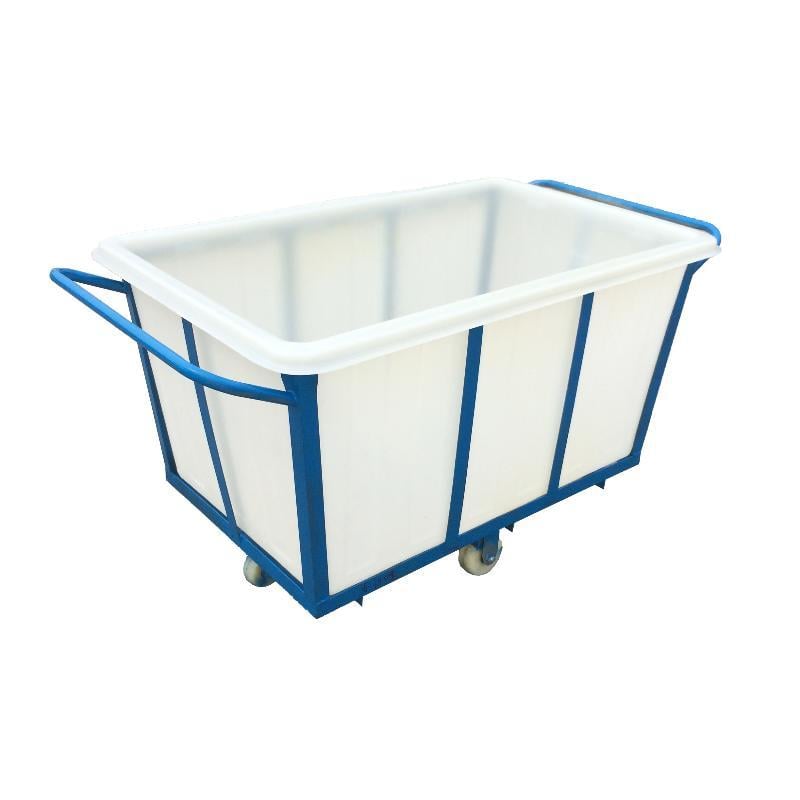 Trolly Cart
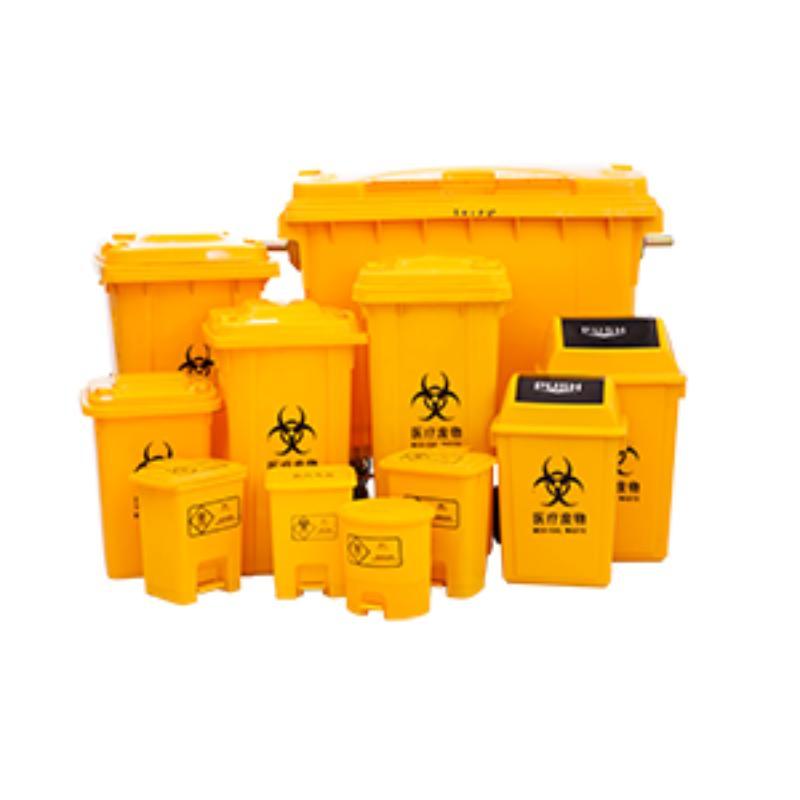 Waste Bins
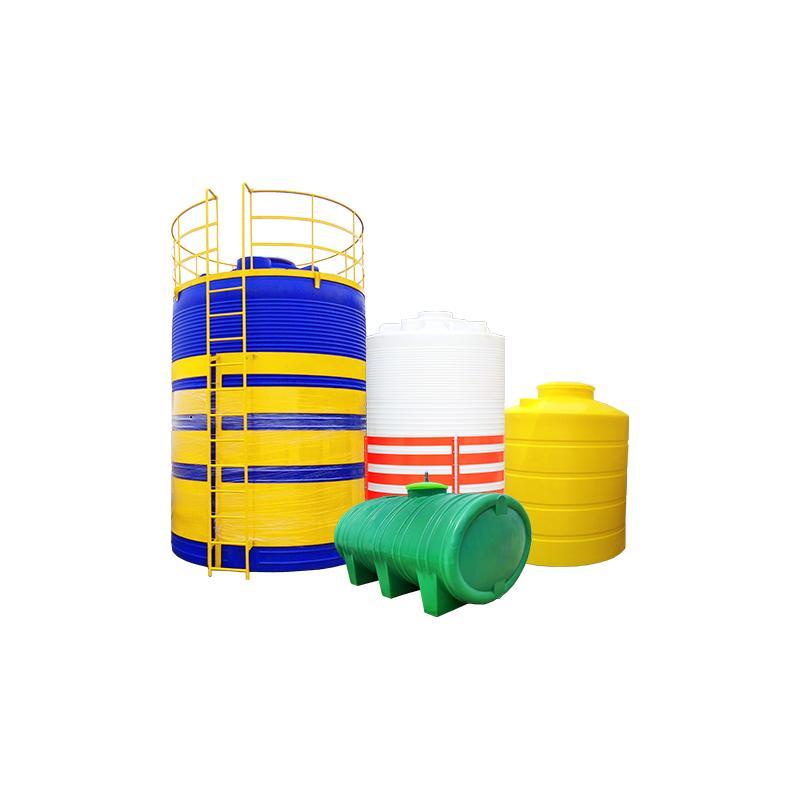 liquid storage containers
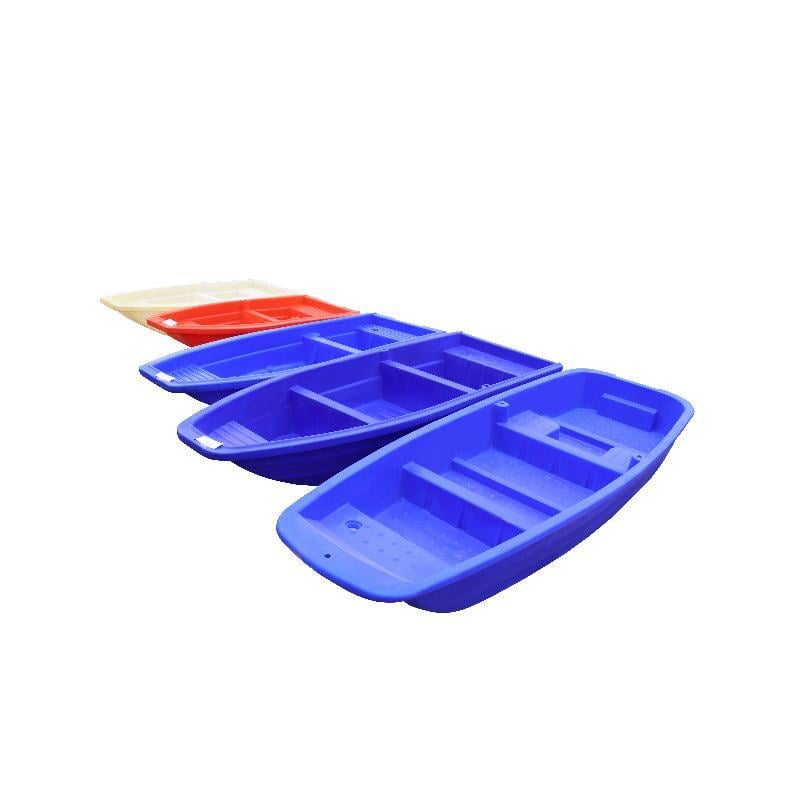 Boat &Aquatic products
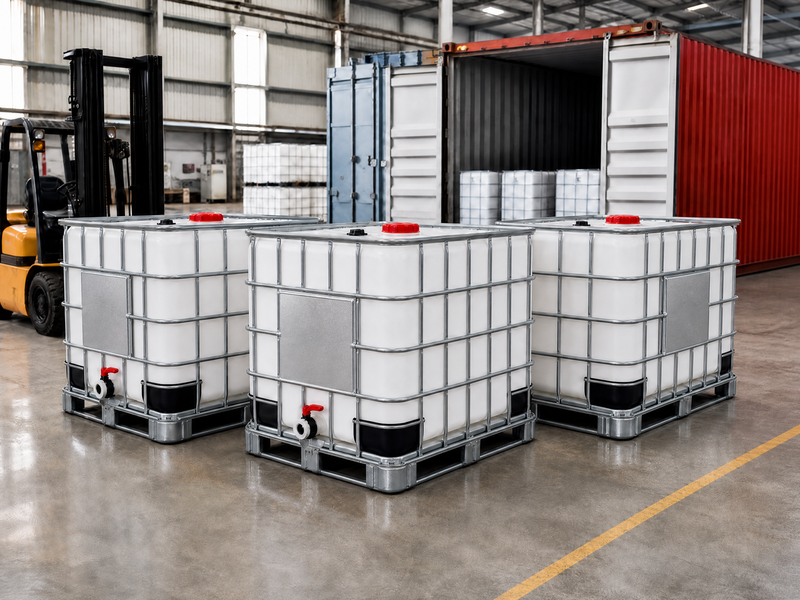
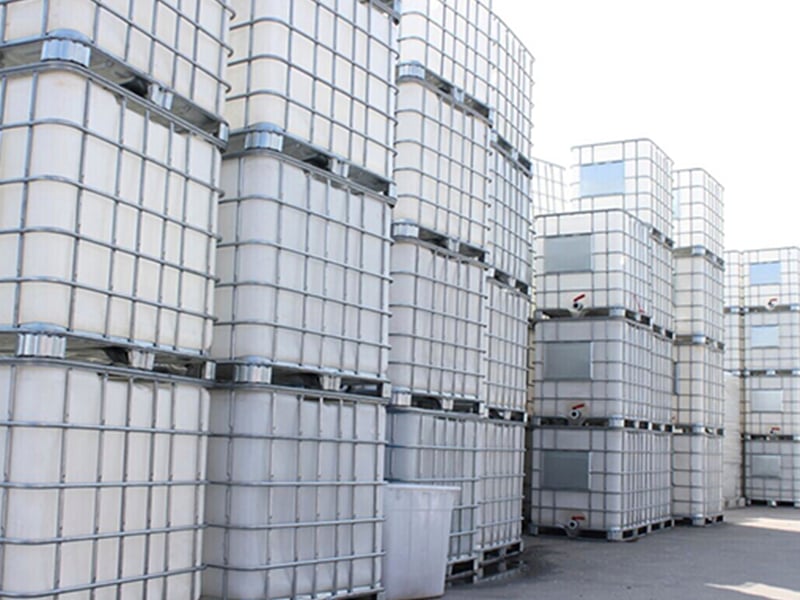
An IBC tote is a reusable intermediate bulk container designed to store, handle, and transport liquids in industrial quantities. Unlike a simple plastic drum, a standard caged IBC combines a molded plastic inner tank with a protective metal frame and an integrated pallet-style base. This structure gives the container both liquid-holding capacity and forklift-friendly handling.
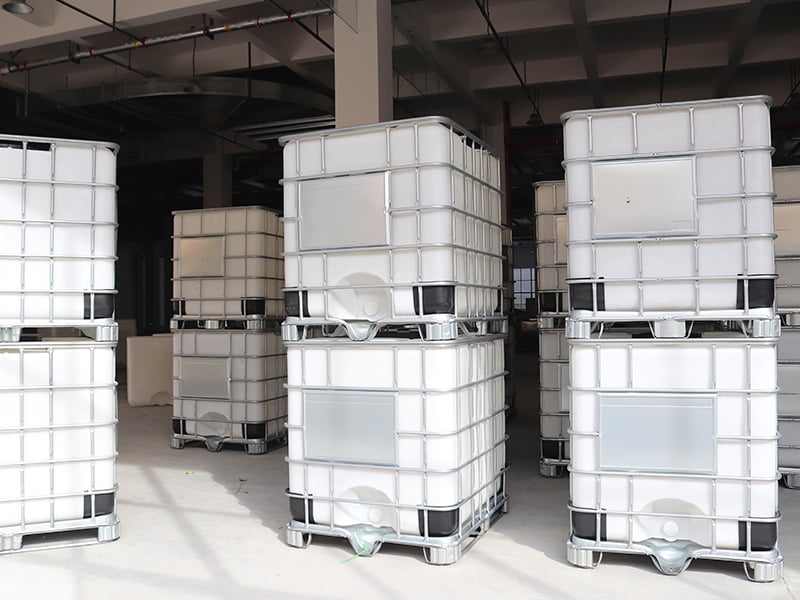
The terms IBC tanks, IBC tote, and 1000ltr IBC Pod are often used by buyers in different markets to describe closely related products. In practical terms, they usually refer to a rigid plastic liquid container protected by a galvanized steel cage. The name may vary by country, but buyers should always compare the actual inner tank, frame, valve, lid, dimensions, and documentation before placing an order.
How an IBC Tote Is Built
A caged IBC tote contains several coordinated components. The inner tank is the liquid-contact container. For Linhui Plastics’ product, the supplied product information specifies an LLDPE inner tank made by rotational molding, with an approximately 5 mm wall thickness. Rotational molding can produce a seamless tank form suitable for many industrial liquid-storage applications, subject to the final material and product-compatibility review.
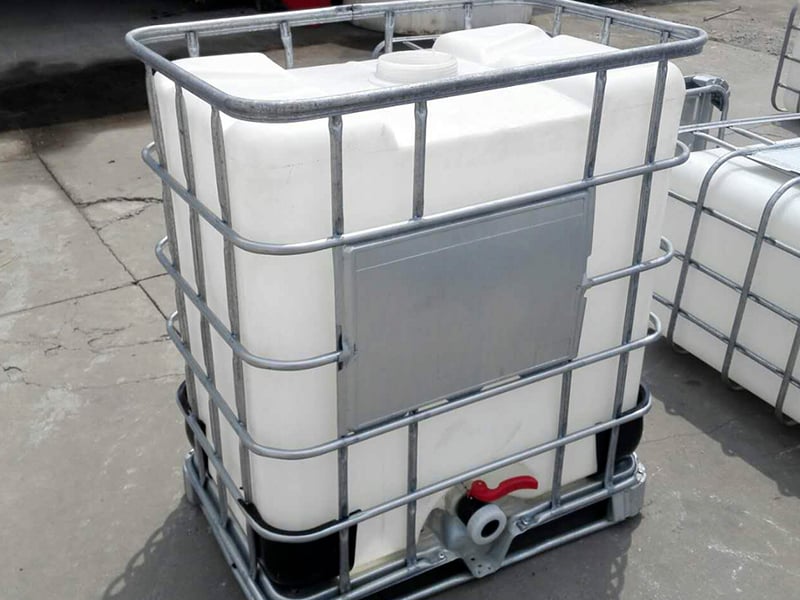
The outer cage surrounds the plastic tank and helps protect it during handling and storage. The supplied product data identifies a hot-dip galvanized steel tube and sheet construction, fixed with anti-slip screws. A complete metal cage is essential because it helps maintain the tank’s shape and provides a stable interface for forklift and pallet handling.
The bottom assembly functions as a pallet base. Linhui’s product information specifies a full-steel pallet, while the side of the tank includes a rectangular metal identification plate that can be used for product or customer information. The top can be configured with a large opening, a smaller opening, and a vented cap. A bottom outlet with a ball valve supports controlled discharge.
What Does “1000ltr IBC Pod” Mean?
The phrase 1000ltr IBC Pod is commonly used in some English-speaking markets for a 1,000-litre IBC tank supplied with a cage or pod-style protective structure. “Ltr” is an abbreviation for litre, so the phrase is effectively a regional way to describe a 1,000-litre plastic IBC container. Product naming can differ between suppliers; therefore, the buyer should confirm whether “pod” includes the inner tank, metal cage, pallet base, valve, caps, and any required accessories.
A 1,000-litre container is useful when a company needs more capacity than a drum but does not want to move a full bulk tanker. The square footprint also helps organize warehouse storage and vehicle loading. The exact loading efficiency depends on the outer dimensions, stacking limitations, vehicle type, cargo weight, and destination regulations.
Common Applications for IBC Tanks
IBC tanks are used in many industries because they can consolidate liquid handling into a standardized unit. Typical applications include water-based products, industrial chemicals, agricultural liquids, cleaning solutions, process liquids, and other compatible materials. The correct use depends on the liquid’s density, concentration, temperature, viscosity, filling method, and required discharge equipment.
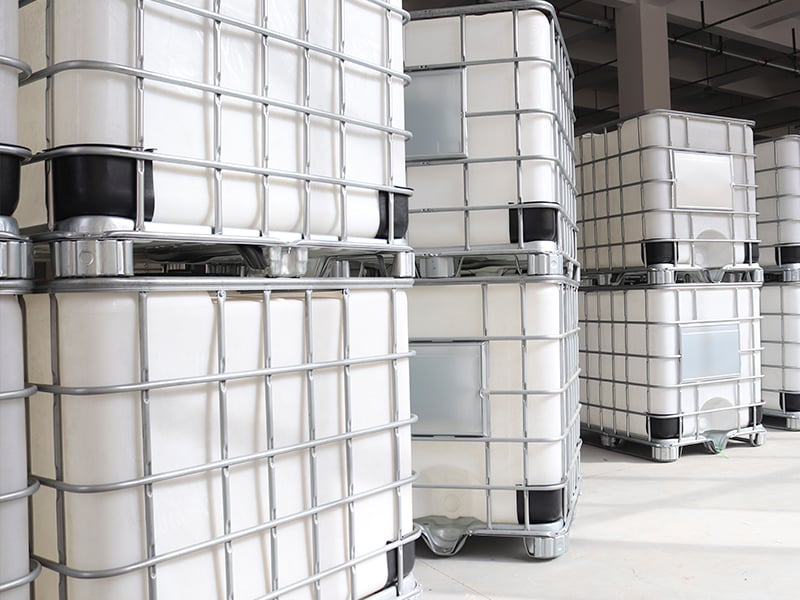
A caged ibc tote can be used in warehouse operations, manufacturing plants, agricultural supply chains, and export logistics. The metal cage protects the plastic inner tank from routine handling risks, while the steel base allows movement by forklift or pallet equipment. Buyers should still use suitable handling procedures and avoid treating the cage as protection against every impact or operating hazard.
Main Benefits of a Caged Plastic IBC
The first benefit is integrated handling. A complete IBC tote combines a tank, cage, and base in one unit, making it easier to fill, move, store, and discharge bulk liquids than many separate drum packages. The second benefit is capacity. A 1000 litre ibc container can reduce the number of individual drums required for a shipment, although the final freight and weight calculation must use the confirmed specification.
The third benefit is customization. Buyers may need different top openings, vented caps, outlet valves, gasket materials, cage finishes, base designs, labels, or side plates. Linhui Plastics states that it provides OEM/ODM customization for plastic products, allowing industrial buyers to discuss application-specific requirements rather than selecting only from a fixed standard catalogue.
How to Select the Right IBC Tote
Begin with the product. Provide the supplier with the liquid name, safety data sheet when applicable, concentration, specific gravity, temperature, and storage period. This information is required to evaluate material compatibility and the suitability of the tank, valve, cap, and gasket.
Next, define the logistics conditions. Explain whether the IBC tanks will be moved by forklift, stacked in a warehouse, shipped in a container, transported by road, or returned for reuse. Confirm the outer dimensions and gross weight before planning a vehicle or container load.
Finally, confirm compliance. When the cargo is regulated, the exact IBC design, marking, test status, packing group, and destination-country rules must be checked. Transport Canada explains that UN-standardized IBCs are subject to requirements covering design, manufacturing, testing, inspection, and selection for applicable dangerous goods. A product’s general appearance does not prove that it is approved for every liquid or route.
IBC Tote Terminology and Product Fit
The term ibc tanks normally refers to the complete liquid-storage unit, while ibc tote often emphasizes the portable tote format. In Australia and some other markets, 1000ltr ibc pod is a common product expression for a 1,000-litre caged tank. Buyers may also search for 1000 litre ibc container or caged ibc tote when they need the same basic product structure.
|
Search term
|
Product meaning
|
What the buyer should confirm
|
|
ibc tote
|
Portable intermediate bulk container
|
Inner tank, cage, pallet and valve
|
|
ibc tanks
|
Bulk liquid tanks for storage or transport
|
Capacity, liquid compatibility and handling method
|
|
1000ltr ibc pod
|
Regional term for a 1,000-litre caged IBC
|
Included cage, caps, valve and documentation
|
|
1000 litre ibc container
|
Standard capacity-focused product description
|
Outer dimensions, wall thickness and base
|
|
caged ibc tote
|
Plastic tank enclosed by a metal protective cage
|
Frame material, side plate and stacking limits
|
For buyers comparing a 1000 litre ibc container with drums, a complete caged ibc tote can reduce the number of separate packages needed for a bulk-liquid operation. The best choice still depends on the liquid and the confirmed technical specification.
Why Choose Linhui Plastics?
Jiangsu Linhui Plastic Product Co., Ltd. was established in 2011 in Changzhou, Jiangsu, China. According to its About Us page, the company integrates product development, manufacturing, sales, and export services, with approximately 55,000 square meters of production facilities and more than 200 employees.
The company lists rotational molding among its manufacturing capabilities and explicitly includes IBC tanks, plastic tanks, plastic drums, and industrial containers in its product portfolio. For buyers sourcing a 1000ltr IBC Pod, Linhui can discuss the inner tank material, frame, base, openings, valve, side plate, packaging, and OEM/ODM requirements before production.
Frequently Asked Questions
Is an IBC tote a plastic or metal container?
A standard caged IBC tote is usually a plastic inner tank protected by a galvanized steel cage and supported by a pallet base. It is not the same as a completely steel tank. The exact construction should be confirmed from the product drawing and specification.
Is a 1000ltr IBC Pod the same as a 1000-litre IBC tank?
In many markets, yes. 1000ltr IBC Pod is a regional product expression for a 1,000-litre IBC supplied with its protective cage or pod structure. Always check what components are included in the quotation.
What are IBC tanks used for?
IBC tanks are used to store and transport compatible bulk liquids in industrial, agricultural, chemical, logistics, and manufacturing applications. Compatibility and regulatory suitability must be confirmed for each liquid.
Does the metal cage make the tank safe for all chemicals?
No. The cage provides structural protection, but chemical compatibility depends mainly on the inner tank, valve, gasket, temperature, concentration, and product characteristics. A caged ibc tote must be evaluated for the specific application.
Can the side metal plate be customized?
The product information supplied by Linhui identifies a rectangular side metal plate that can support product or customer information. OEM/ODM details, including plate format and marking method, should be confirmed before production.
Ready to Source the Right IBC Tote?
Contact Linhui Plastics for a product-specific recommendation, OEM/ODM customization, and an export quotation. Share your liquid, capacity, openings, valve requirements, quantity, and destination so the team can recommend a suitable 1000 litre ibc container for your operation.
Contact Us
Table of Contents
- How an IBC Tote Is Built
- What Does “1000ltr IBC Pod” Mean?
- Common Applications for IBC Tanks
- Main Benefits of a Caged Plastic IBC
- How to Select the Right IBC Tote
- IBC Tote Terminology and Product Fit
- Why Choose Linhui Plastics?
- Frequently Asked Questions
- Ready to Source the Right IBC Tote?
- Contact Us