
 EN
EN
 AR
AR CS
CS DA
DA NL
NL FI
FI FR
FR DE
DE EL
EL HI
HI IT
IT JA
JA KO
KO NO
NO PL
PL PT
PT RU
RU ES
ES SV
SV TL
TL ID
ID SR
SR UK
UK VI
VI SQ
SQ HU
HU TH
TH TR
TR MS
MS IS
IS BN
BN LO
LO MN
MN NE
NE MY
MY UZ
UZ KY
KY


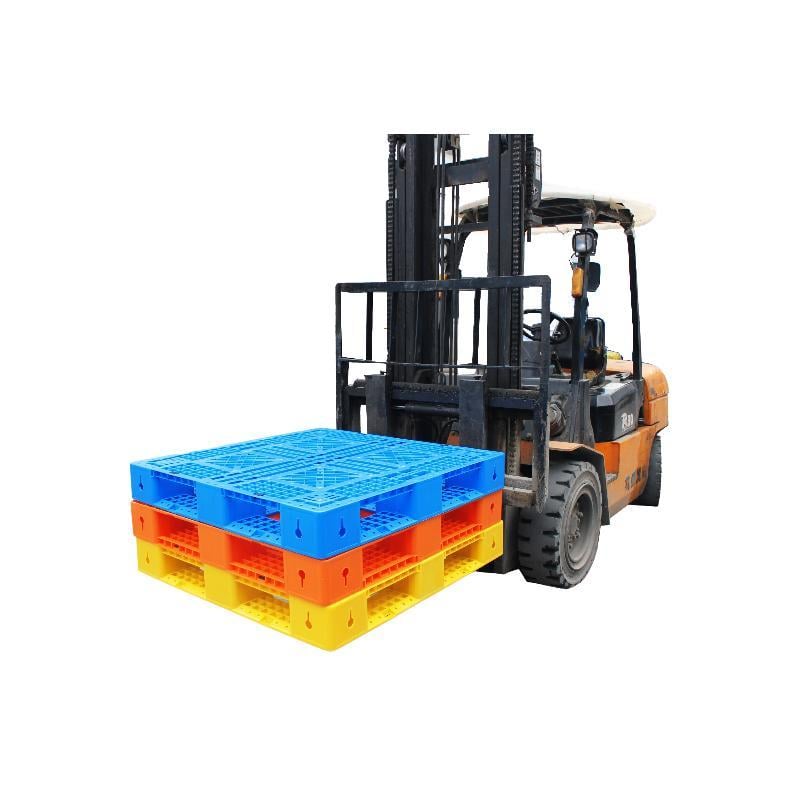 Plastic Pallets
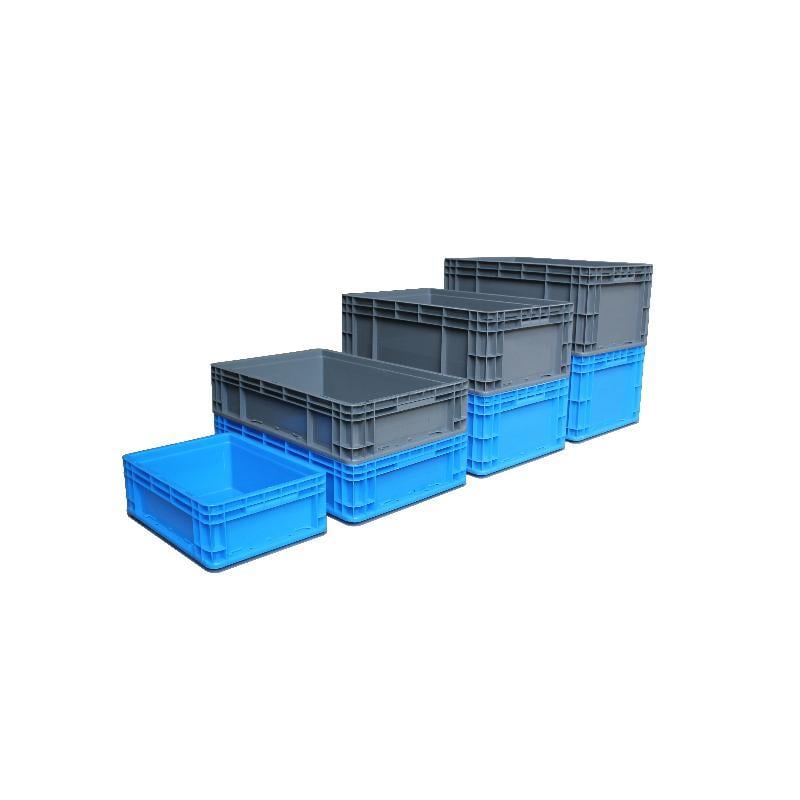 Logistics Box
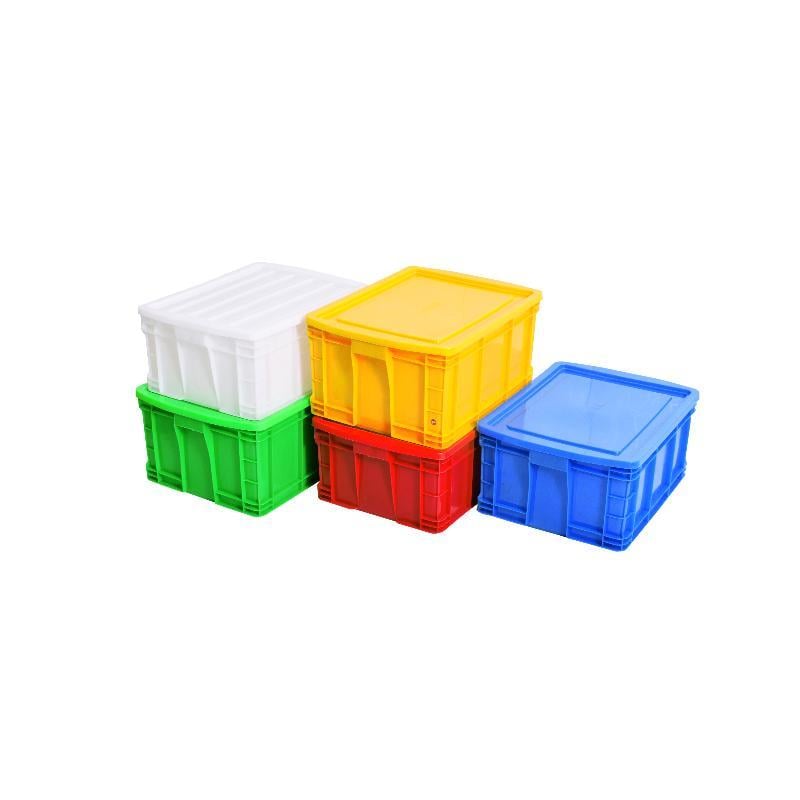 Plastic Crates
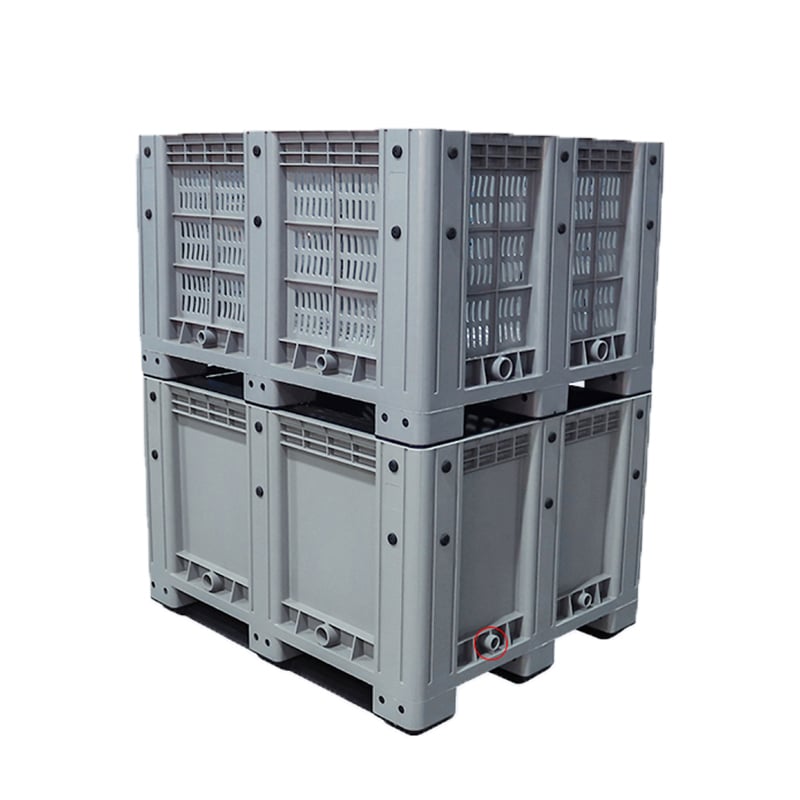 Bulk Containers
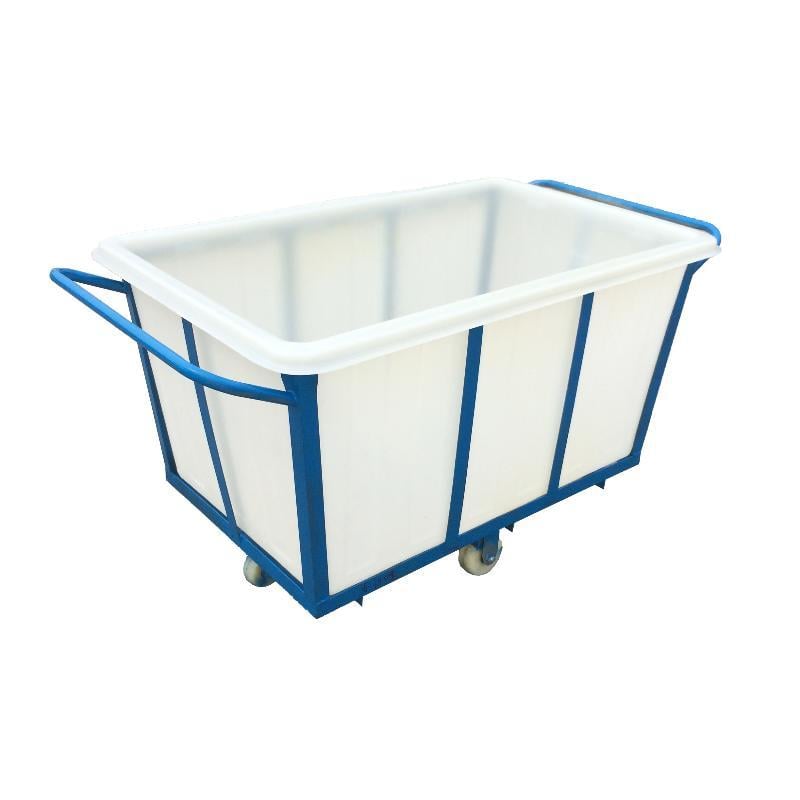 Trolly Cart
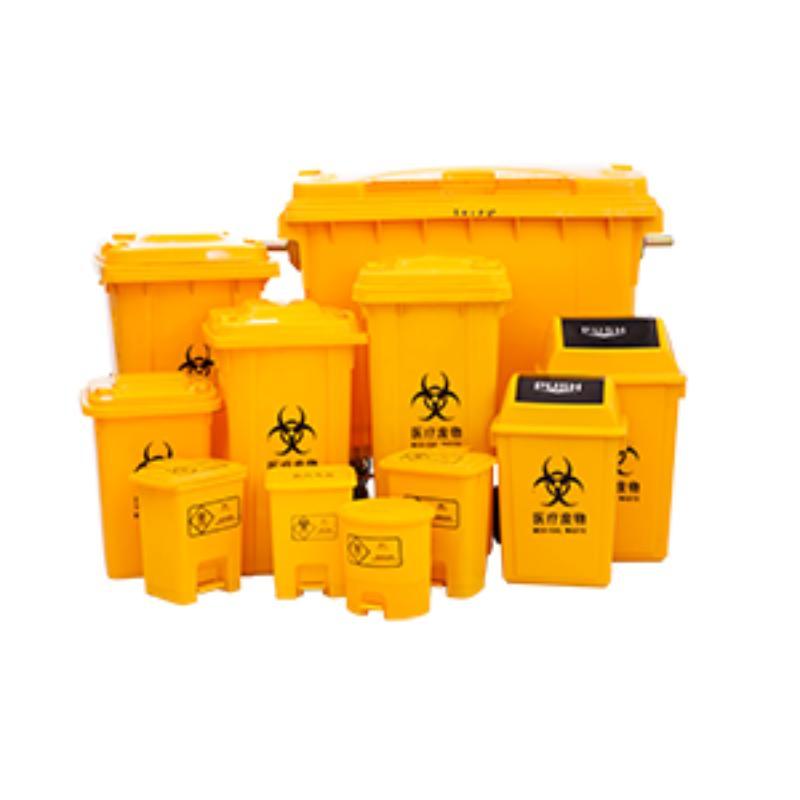 Waste Bins
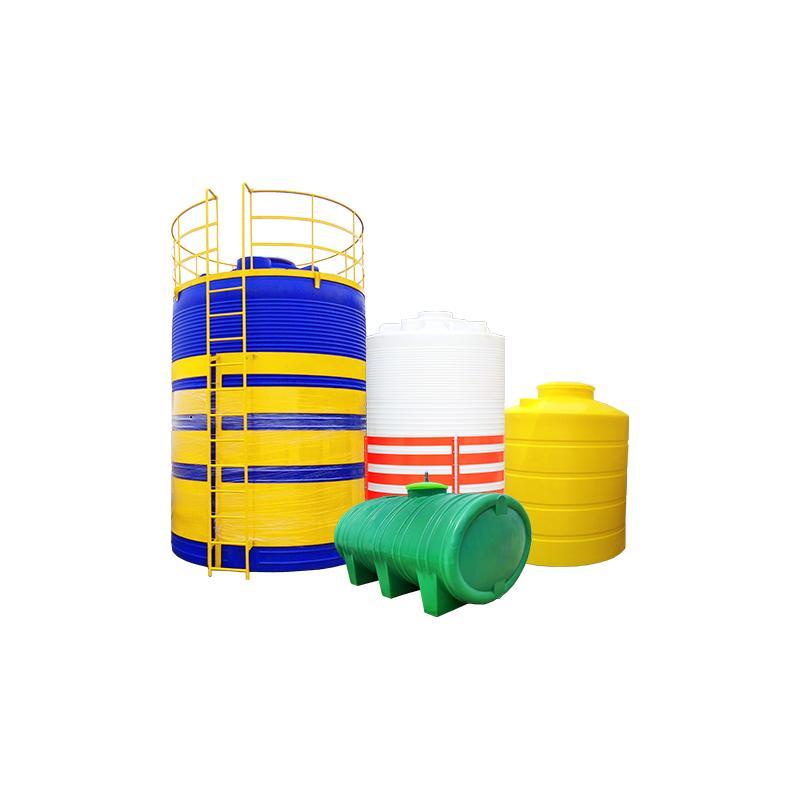 liquid storage containers
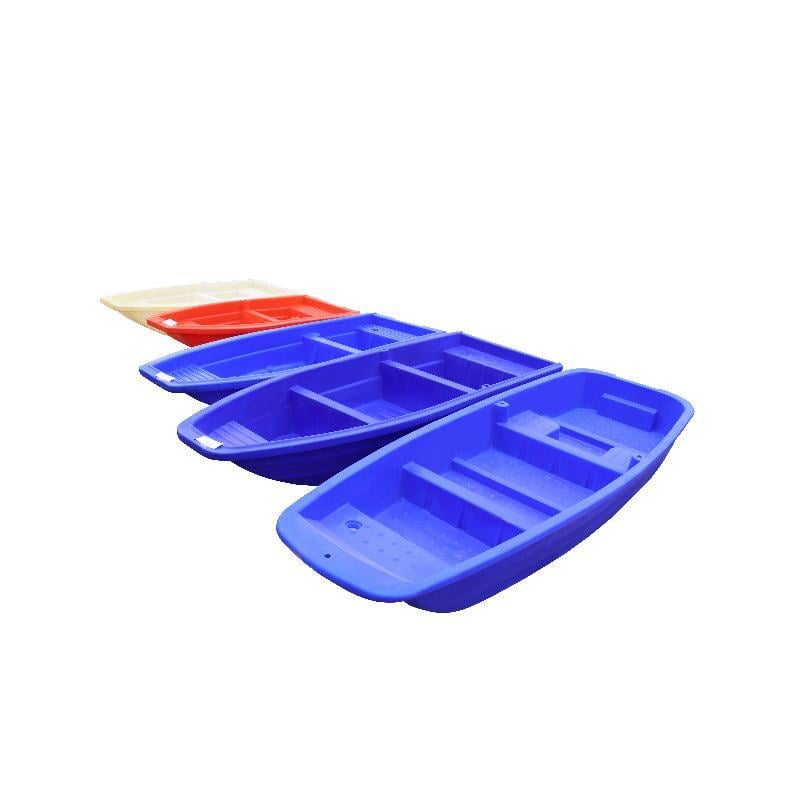 Boat &Aquatic products
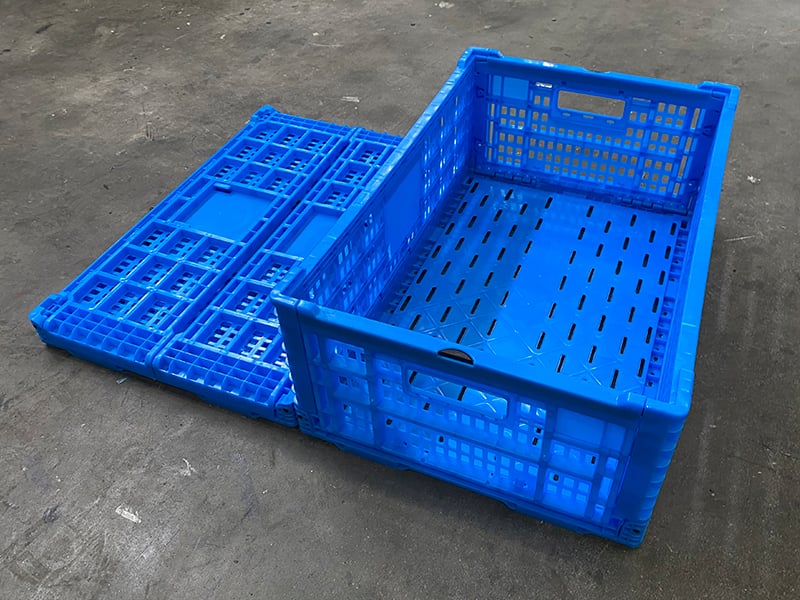
Warehouse managers, distributors, retailers, manufacturers, and logistics buyers are increasingly looking for packaging solutions that protect products while using warehouse and transportation space efficiently. Traditional rigid containers can provide excellent protection when fully loaded, but they continue to occupy substantial space after the products have been removed. Cardboard cartons can be economical for one-way shipments, but they may be less suitable for repeated handling or damp logistics environments.
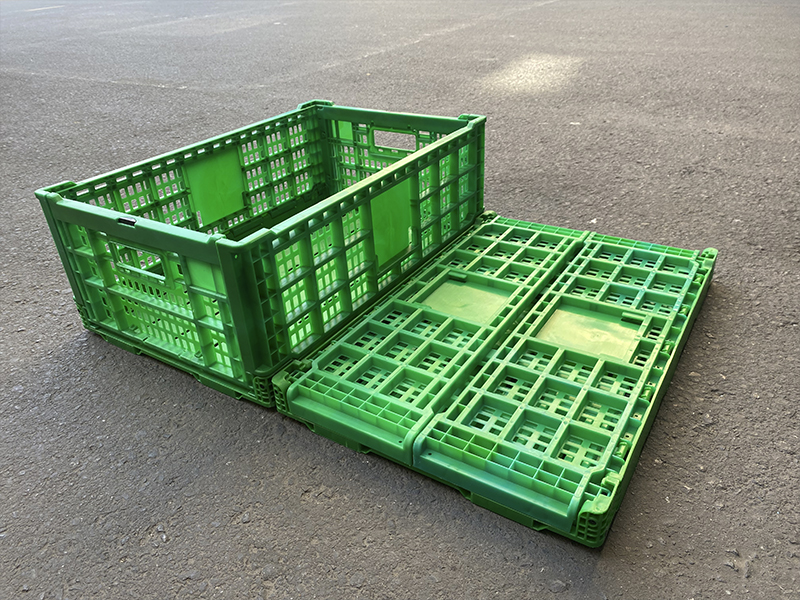
Foldable plastic crates provide a reusable alternative for many commercial logistics applications. When opened, they provide a stable container for products. When empty, the side walls can be folded down to reduce the overall height, making the crates easier to store and return.
This space-saving feature can be particularly useful in reusable transport systems, warehouse operations, retail replenishment, agricultural distribution, e-commerce fulfillment, and industrial material handling.
However, the value of a foldable crate is not simply its ability to fold. The crate should also match the product, load requirements, pallet dimensions, storage system, handling equipment, cleaning process, and return logistics.
This guide explains the key factors buyers should consider when selecting foldable plastic crates for commercial use.
What Are Foldable Plastic Crates?
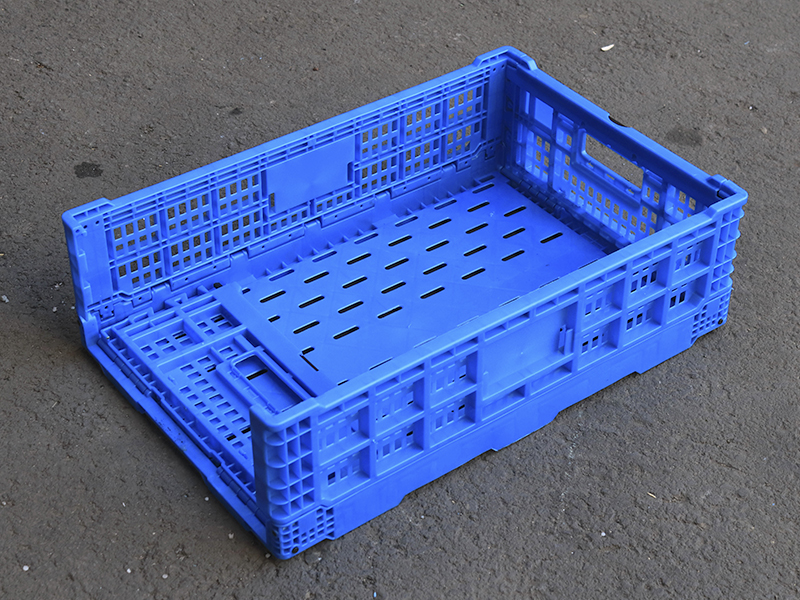
Foldable plastic crates are reusable plastic containers with hinged or movable side panels. When unfolded, the panels form a defined loading area for products. When the crate is empty, the side panels can be folded inward or downward to reduce its storage height.
The terms foldable plastic crates and collapsible plastic crates are often used interchangeably. However, buyers should evaluate the actual construction rather than selecting a product based only on its name.
Important structural features include:
- Folding mechanism
- Locking points
- Base strength
- Wall thickness and design
- Open and folded dimensions
- Stacking structure
- Handle design
- Ventilation openings
- Pallet compatibility
- Lid options
Different applications may require different configurations. Vented walls can provide airflow and visibility for selected products, while solid walls may be more suitable for small components or products that require greater containment.
Some designs can also be customized with colors, logos, labels, lids, or internal partitions depending on the application.
Why Businesses Choose Foldable Plastic Crates
1. Efficient Empty Storage
One of the main advantages of foldable plastic crates is their reduced height when empty.
In a conventional rigid container system, empty containers can continue to occupy almost the same vertical space as loaded containers. This can create challenges in warehouses, retail backrooms, production areas, and return-transport operations.
A foldable crate can reduce its height after use, allowing businesses to organize more empty containers within a designated storage area.
This can be especially useful when containers need to be returned from:
- Retail stores to distribution centers
- Customers to suppliers
- Production lines to warehouses
- Distribution centers to manufacturers
- Agricultural collection points to processing facilities
Before purchasing, buyers should compare the crate's open height, folded height, external footprint, and recommended stacking quantity.
2. Suitable for Reusable Logistics
Reusable plastic crates are designed to support repeated transport and handling cycles rather than being discarded after a single shipment.
A typical reusable logistics cycle may involve:
Loading → Transportation → Unloading → Storage → Empty Return → Inspection → Reuse
Foldable designs can make the empty-return stage more space-efficient.
This can be particularly valuable for businesses operating regular delivery routes where empty packaging must travel back to a production facility, distribution center, or supplier.
However, reusable packaging should always be evaluated as a complete logistics system. The actual benefits depend on factors such as return distance, number of reuse cycles, cleaning requirements, handling procedures, and container loss rates.
3. Product Protection During Handling
A properly designed plastic crate keeps products within a defined space during transportation, stacking, and internal movement.
Depending on the product, buyers may select:
- Vented crates for airflow and visibility
- Solid-wall crates for small components and general storage
- Reinforced bases for heavier loads
- Lid-equipped crates for additional protection
- Internal dividers for organized component handling
Stacking performance is another important consideration.
A crate that performs well under a distributed load may behave differently when products are concentrated in one area. Therefore, buyers should evaluate the crate using their actual product weight, loading pattern, stacking height, and handling conditions.
4. Better Warehouse Organization
Standardized containers can help simplify warehouse picking, sorting, replenishment, internal transportation, and storage.
Consistent external dimensions can make it easier to plan:
- Storage locations
- Pallet layouts
- Transport loading patterns
- Conveyor interfaces
- Picking areas
- Empty-container return zones
Identification options can also help companies organize reusable packaging. Depending on the application, buyers may consider different colors, printed logos, labels, barcodes, or other identification methods.
5. Flexible Applications
Foldable plastic crates can be used in a wide range of commercial environments.
Agriculture and Fresh Produce
Agricultural applications may require ventilation, drainage, easy cleaning, and quick product inspection. A vented crate can help support airflow where appropriate.
Food and Seafood Logistics
Food and seafood logistics may require containers that are easy to clean and suitable for repeated handling. Material selection and hygiene requirements should be confirmed according to the specific application and destination market.
Automotive and Industrial Components
Industrial users may prioritize stronger bases, reinforced walls, dividers, or customized internal structures for parts handling.
Retail and E-Commerce
Retail and e-commerce operations may place greater emphasis on lightweight handling, quick folding, identification, efficient empty returns, and compatibility with existing storage systems.
Foldable Plastic Crates vs. Rigid Plastic Crates vs. Cardboard Cartons
The appropriate packaging solution depends on the product, handling cycle, return process, and operating environment.
| Evaluation Factor | Foldable Plastic Crates | Rigid Plastic Crates | Cardboard Cartons |
|---|---|---|---|
| Empty storage | Reduced height after folding | Occupies most of its container height | Can usually be flattened |
| Reuse potential | Suitable for repeated logistics cycles | Suitable for repeated use | Generally more suitable for limited-use shipping |
| Moisture resistance | Generally suitable for damp environments, depending on material and design | Generally suitable, depending on material and design | More vulnerable to moisture |
| Product visibility | Vented designs can provide visibility | Depends on wall design | Usually limited |
| Empty return | Space-efficient when folded | Requires more storage and transport volume | Often recycled or disposed of after use |
| Handling | Suitable for manual and logistics handling | Suitable for repeated handling | Suitable for many one-way shipments |
| Customization | Size, color, logo, lid and other options may be available | Various configurations available | Printing and structural customization available |
This comparison is a general guide. Actual performance depends on material, structure, load distribution, temperature, handling equipment, and supplier specifications.
How to Choose the Right Foldable Plastic Crates
Selecting the right foldable plastic crates should start with the products being transported.
Step 1: Understand the Product
Determine:
- Product length, width, and height
- Product weight
- Total load per crate
- Product fragility
- Required ventilation
- Moisture exposure
- Cleaning requirements
For food, agricultural products, seafood, chemicals, or other regulated goods, buyers should also confirm the applicable material and compliance requirements before placing an order.
Step 2: Review the Logistics Process
Map the complete container cycle:
Loading → Storage → Transportation → Unloading → Folding → Empty Storage → Return → Cleaning → Reuse
This helps determine which specifications are most important.
For example, a company with limited warehouse space may prioritize folded height, while a manufacturer handling heavy components may prioritize base strength and stacking performance.
Step 3: Check Compatibility
Before ordering, confirm whether the crate is compatible with:
- Plastic pallets
- Pallet trucks
- Forklifts
- Conveyors
- Racking systems
- Shelving
- Automated handling equipment
- Existing container systems
The external dimensions of the crate are especially important when it will be palletized or integrated into a standardized warehouse system.
Step 4: Request Samples
Product photographs alone cannot show every important performance characteristic.
A sample allows buyers to check:
- Folding operation
- Locking performance
- Stacking stability
- Product fit
- Handle comfort
- Base strength
- Compatibility with existing equipment
For larger wholesale projects, testing the sample with the actual product and handling process can provide more useful information than selecting a crate based solely on a catalog image.
Important Specifications for Wholesale Buyers
When requesting a quotation for foldable plastic crates, buyers should provide as much application information as possible.
A useful inquiry can include:
- Required external or internal dimensions
- Product type
- Product weight
- Required load capacity
- Stacking requirements
- Folding frequency
- Estimated order quantity
- Destination country
- Preferred color
- Logo or labeling requirements
- Lid requirements
- Pallet requirements
- Conveyor or automation requirements
- Expected delivery schedule
The supplier can then evaluate the appropriate crate structure and provide a more accurate quotation.
Reusable Packaging and Empty-Return Efficiency
Reusable packaging is increasingly being considered as part of an integrated supply-chain system.
For foldable plastic crates, the logistics process does not end when the product is delivered. Empty crates must be collected, stored, transported, inspected, and returned to service.
A well-organized reusable packaging program may therefore include:
- Container identification
- Return procedures
- Cleaning
- Inspection
- Repair or replacement
- Inventory tracking
- Standardized container sizes
Companies should also consider how many transport cycles each crate is expected to complete.
The purchase price is only one part of the total cost. Buyers may also evaluate storage requirements, empty-return costs, cleaning, handling labor, expected service life, and container loss.
Why Source Foldable Plastic Crates from a Manufacturer?
Working directly with a plastic crate manufacturer can make it easier to discuss product specifications, application requirements, customization, and production requirements.
Linhui Plastics was established in 2011 and has a production base covering approximately 55,000 square meters, with more than 200 employees. The company provides plastic product development, manufacturing, and export services.
Its product range includes plastic pallets, plastic crates and logistics boxes, pallet boxes, bulk containers, storage bins, waste containers, plastic tanks, and other plastic products. Its manufacturing capabilities include injection molding, rotational molding, and blow molding.
For wholesale buyers, importers, distributors, and logistics operators, discussing the complete application with the manufacturer can help determine whether a standard product or customized solution is more appropriate.
For an inquiry about foldable plastic crates, providing the product dimensions, load requirements, quantity, destination market, and intended logistics process can help the manufacturer recommend a suitable configuration.
Frequently Asked Questions
Are foldable plastic crates better than rigid plastic crates?
They serve different applications.
Foldable plastic crates can be particularly useful when empty storage and return-transport efficiency are important. Rigid crates may be more appropriate where permanent rigidity or a specific handling system is required.
The right choice depends on the product, load, warehouse system, transportation route, and reuse process.
Can foldable plastic crates be used for food or agricultural products?
Some plastic crates are designed for agricultural and food-related logistics. However, buyers should confirm the material, cleaning requirements, hygiene conditions, and applicable regulations with the supplier before ordering.
Food-contact suitability should not be assumed simply because a product is made from plastic.
Are collapsible plastic crates suitable for wholesale purchasing?
Yes. They can be suitable for distributors, importers, manufacturers, retailers, and logistics companies that need reusable transport packaging.
Wholesale buyers should evaluate more than unit price. Specifications, sample quality, packing method, lead time, customization, quality control, and long-term supplier support should also be considered.
What information should I provide when requesting a quotation?
Provide the required dimensions, product type, product weight, estimated quantity, stacking requirements, destination country, preferred color, logo requirements, and whether the crates need to work with pallets, conveyors, forklifts, or other equipment.
Can foldable plastic crates be customized?
Depending on the product structure and order requirements, customization may include dimensions, color, logo, labeling, lids, and internal accessories.
The available options should be confirmed with the manufacturer according to the specific crate design and application.
Conclusion
Foldable plastic crates can provide a practical solution for businesses looking to combine reusable packaging with more efficient empty storage and return transportation.
Their main value comes from the complete logistics system: they provide a defined container for products when open, reduce their height when empty, and can support repeated handling when the structure is correctly matched to the application.
Before purchasing, buyers should evaluate the product dimensions, load requirements, stacking performance, folded size, material, handling equipment, cleaning process, return route, and customization requirements.
For foldable plastic crates, reusable logistics packaging, plastic crates, and OEM/ODM plastic product solutions, Linhui Plastics can discuss your application and sourcing requirements.
Contact Us
Email: [email protected]
Mobile / WhatsApp: +86 18806120677
Website: www.linhuiplastics.com
Table of Contents
- What Are Foldable Plastic Crates?
- Why Businesses Choose Foldable Plastic Crates
- Foldable Plastic Crates vs. Rigid Plastic Crates vs. Cardboard Cartons
- How to Choose the Right Foldable Plastic Crates
- Important Specifications for Wholesale Buyers
- Reusable Packaging and Empty-Return Efficiency
- Why Source Foldable Plastic Crates from a Manufacturer?
-
Frequently Asked Questions
- Are foldable plastic crates better than rigid plastic crates?
- Can foldable plastic crates be used for food or agricultural products?
- Are collapsible plastic crates suitable for wholesale purchasing?
- What information should I provide when requesting a quotation?
- Can foldable plastic crates be customized?
- Conclusion
- Contact Us