
 EN
EN
 AR
AR CS
CS DA
DA NL
NL FI
FI FR
FR DE
DE EL
EL HI
HI IT
IT JA
JA KO
KO NO
NO PL
PL PT
PT RU
RU ES
ES SV
SV TL
TL ID
ID SR
SR UK
UK VI
VI SQ
SQ HU
HU TH
TH TR
TR MS
MS IS
IS BN
BN LO
LO MN
MN NE
NE MY
MY UZ
UZ KY
KY


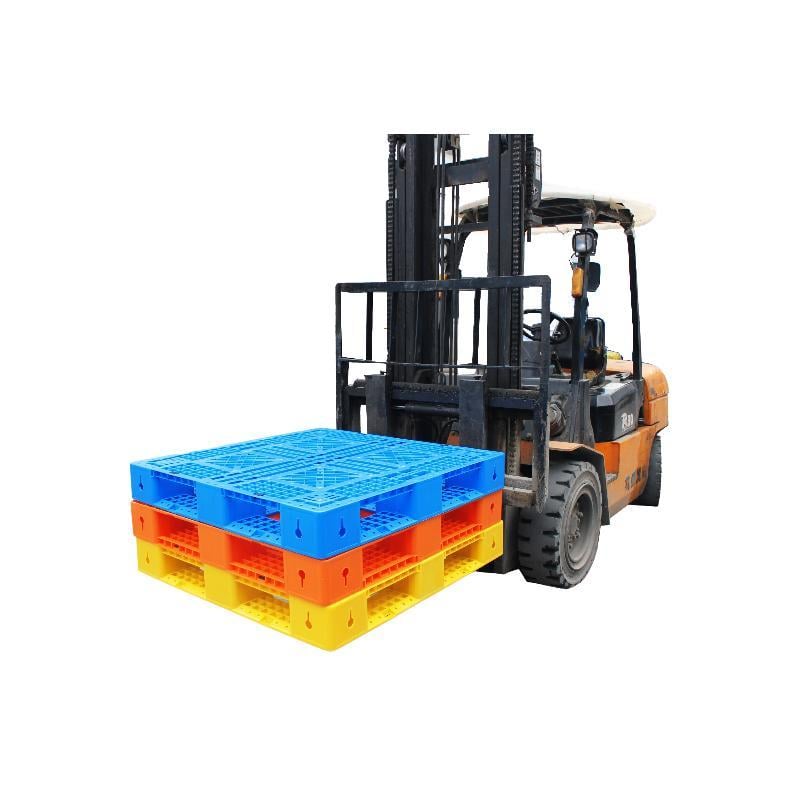 Plastic Pallets
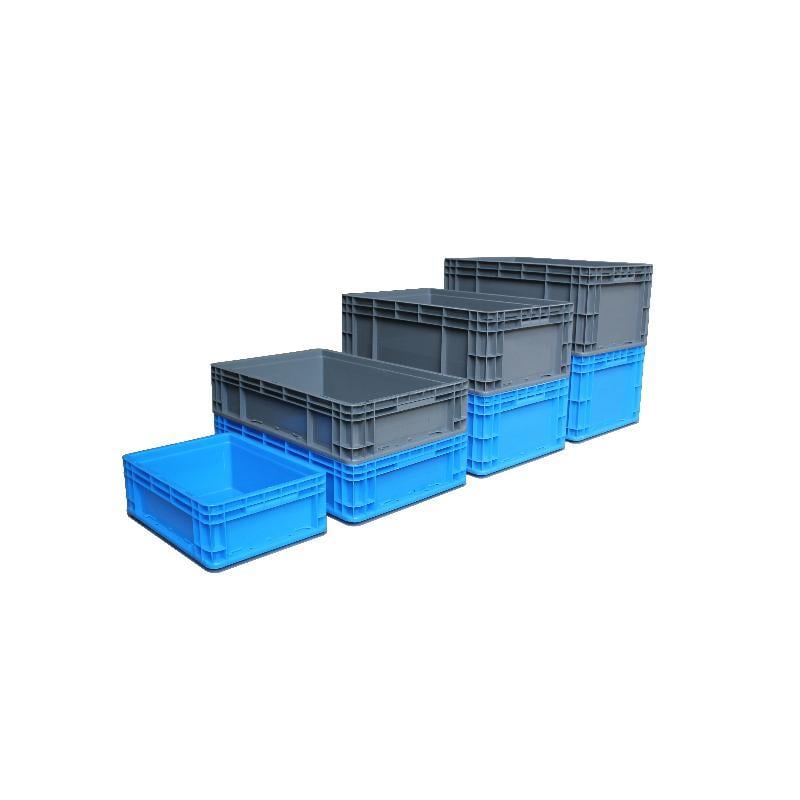 Logistics Box
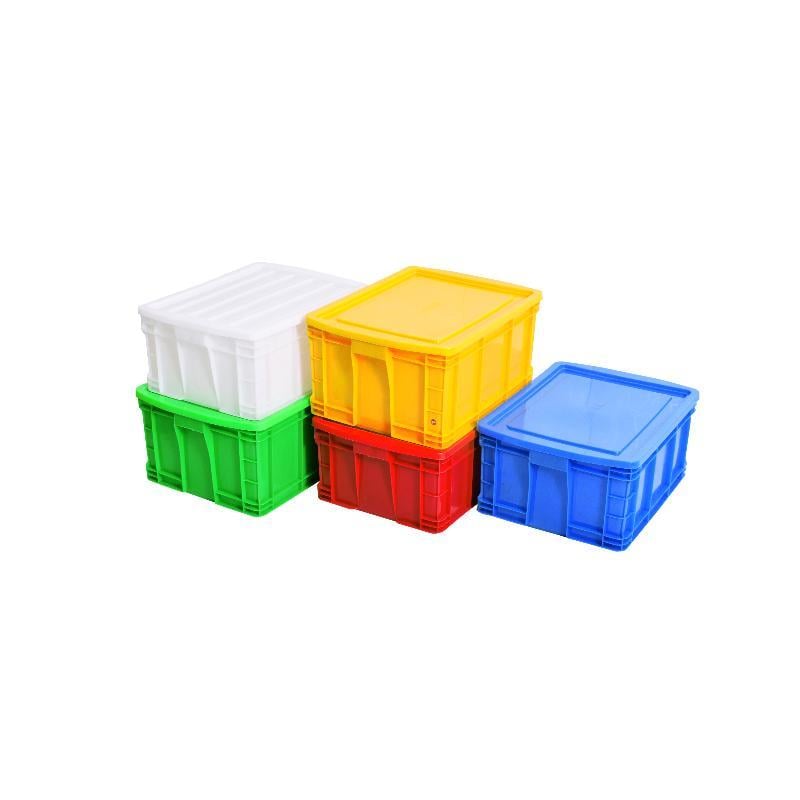 Plastic Crates
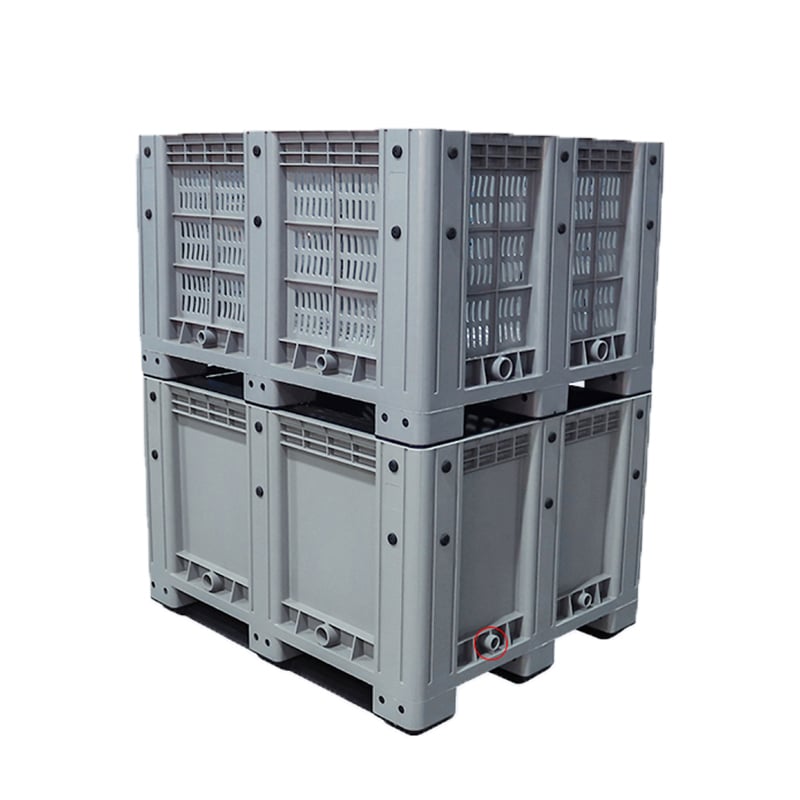 Bulk Containers
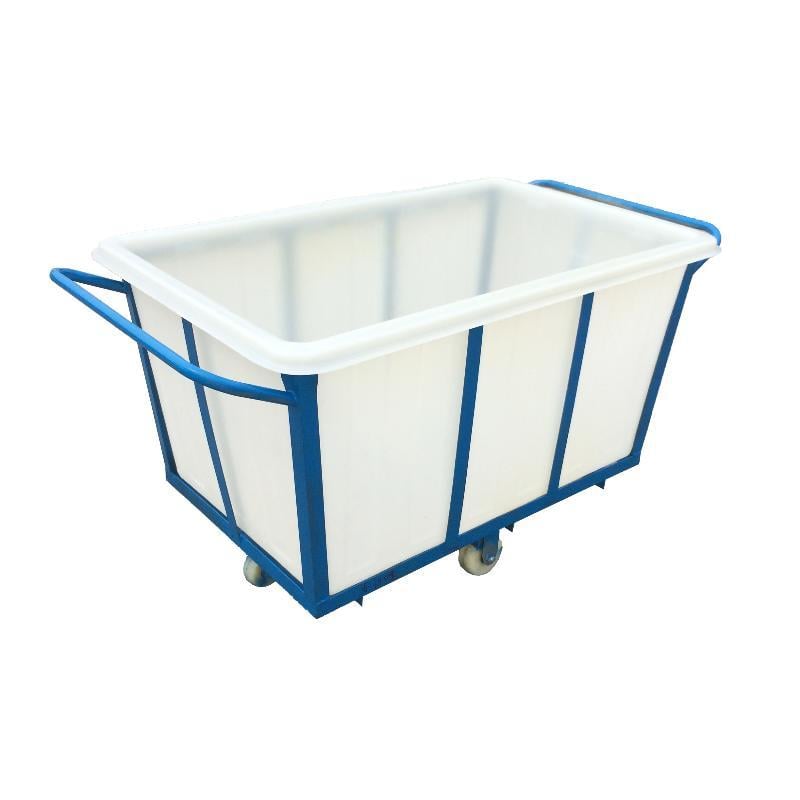 Trolly Cart
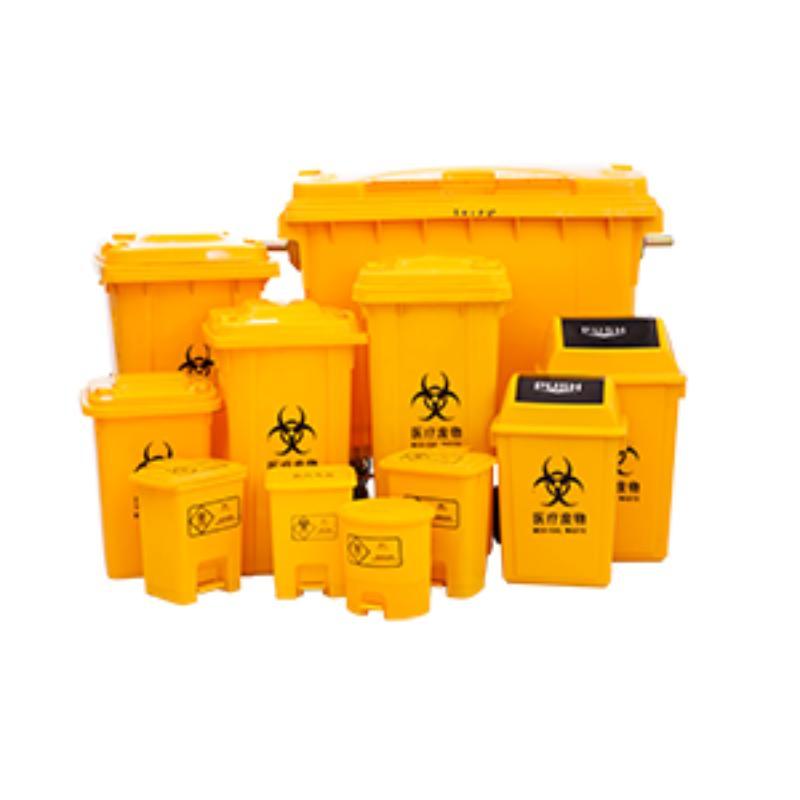 Waste Bins
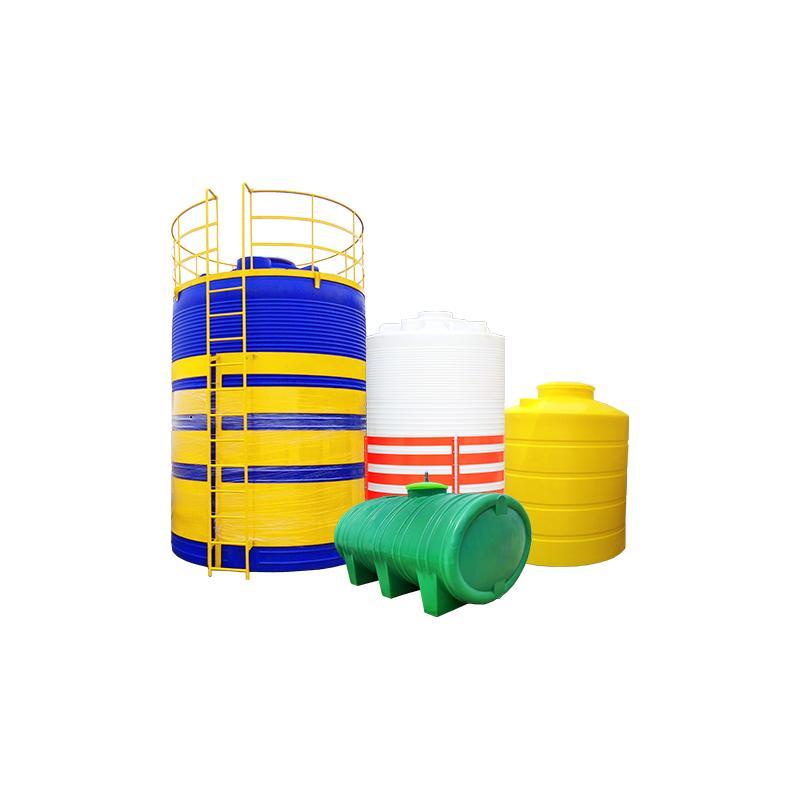 liquid storage containers
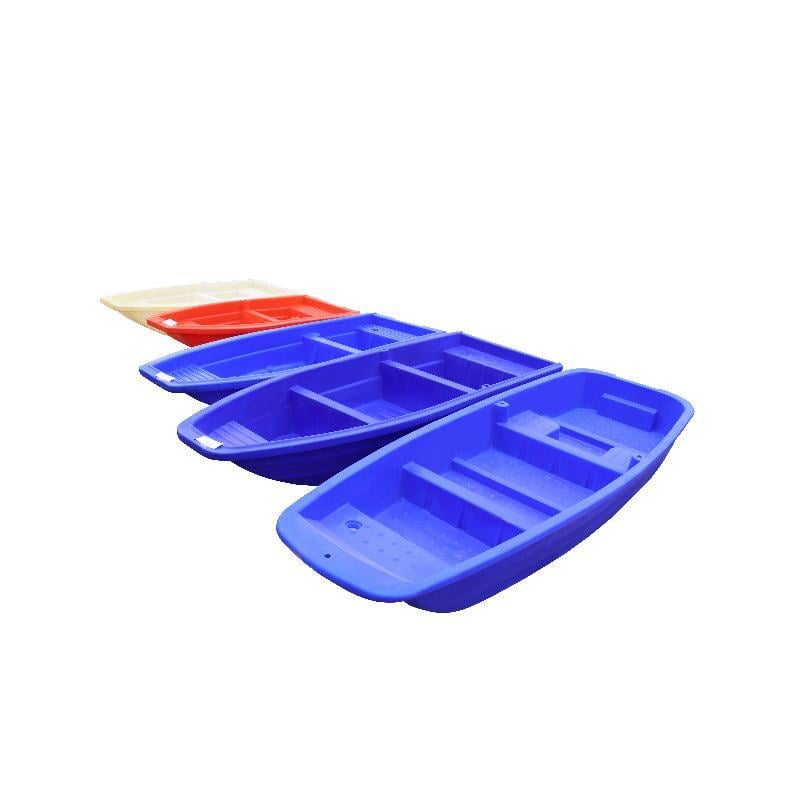 Boat &Aquatic products
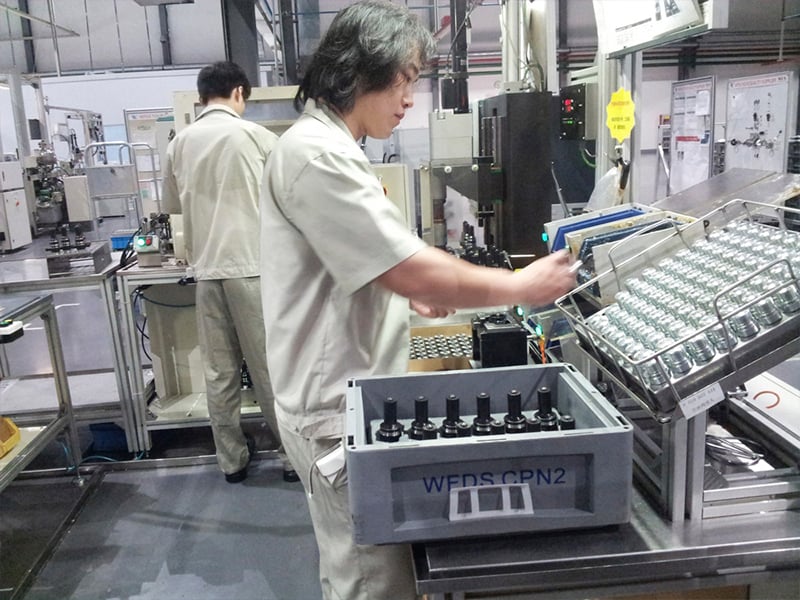
Small components can create major problems when they are not properly stored and handled.
In precision manufacturing, medical production, electronics, automotive assembly, and automated production lines, components often need to be moved between different workstations while remaining clean, organized, and protected.
This is where precision parts boxes become important.
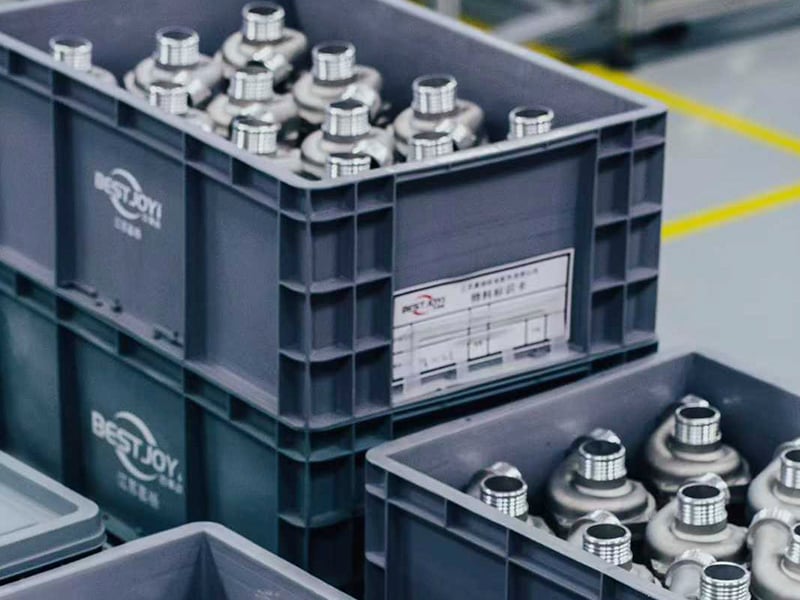
Designed for small and precision components, these reusable plastic containers help manufacturers organize parts during production, storage, picking, assembly, and internal transportation.
Unlike ordinary storage boxes, precision parts boxes can be selected according to component dimensions, handling methods, production processes, and the requirements of the working environment.
What Are Precision Parts Boxes?
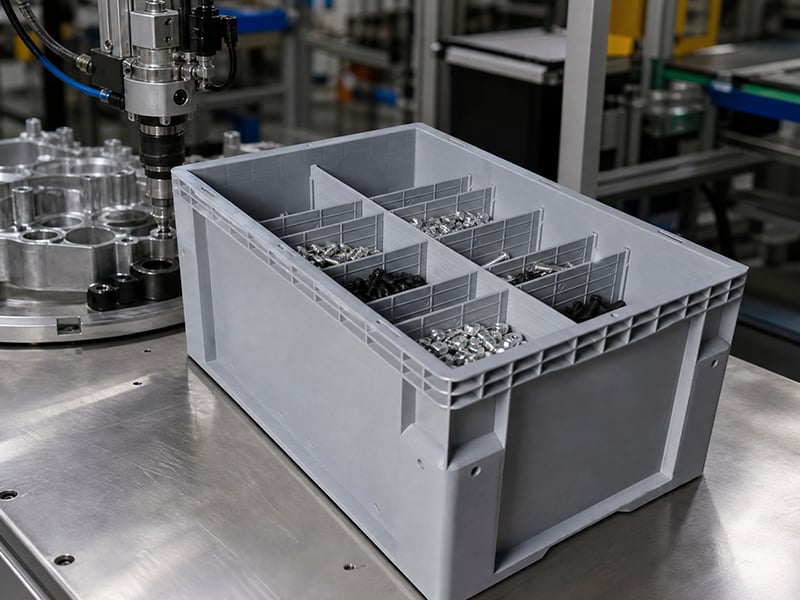
Precision parts boxes are reusable plastic containers designed to store, organize, protect, and transport small industrial components.
They are commonly used for:
Precision mechanical components
Electronic components
Automotive parts
Medical components
Pharmaceutical production accessories
Machine parts
Hardware components
Assembly line parts
Small molded components
These boxes help prevent small components from becoming mixed together, lost, contaminated, or damaged during internal logistics.
Why Are Precision Parts Boxes Important in Modern Manufacturing?
Modern manufacturing requires more than simply moving products from one location to another.
Components may pass through:
Raw material storage
Production lines
Inspection stations
Assembly areas
Quality control
Temporary storage
Packaging
Finished goods warehouses
During these processes, precision parts boxes can create a standardized method for handling small components.
A properly selected container can make parts easier to identify, pick, count, inspect, and transfer between workstations.
Precision Parts Boxes for Assembly Lines
Assembly lines are one of the most common applications for precision parts boxes.
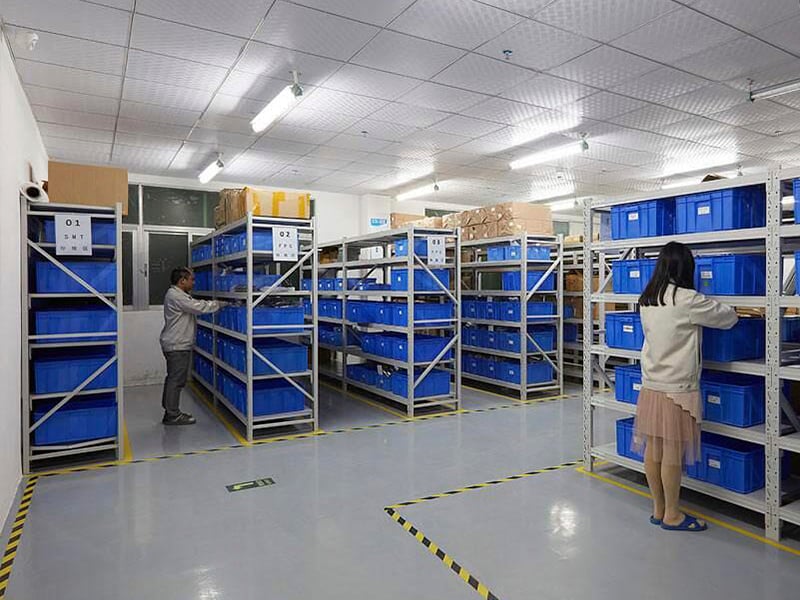
Workers and automated equipment often need a continuous supply of small components.
Instead of keeping loose parts in large cartons, manufacturers can use smaller containers to organize components according to:
Part number
Production process
Assembly station
Product model
Batch
Quantity
This can reduce unnecessary searching and improve the organization of the workstation.
How Precision Parts Boxes Improve Production Efficiency
Production efficiency is not only determined by machine speed.
Small delays in material handling can accumulate throughout an entire production process.
Using precision parts boxes can help improve:
Part identification
Material picking
Workstation organization
Internal transportation
Inventory management
Batch management
Component counting
Production line replenishment
For example, a production line can assign specific assembly line parts bins to different components. Operators can then quickly identify the required parts without opening large cartons or searching through mixed inventory.
Precision Parts Boxes for Medical Manufacturing
Medical manufacturing requires careful control of components throughout production and assembly.
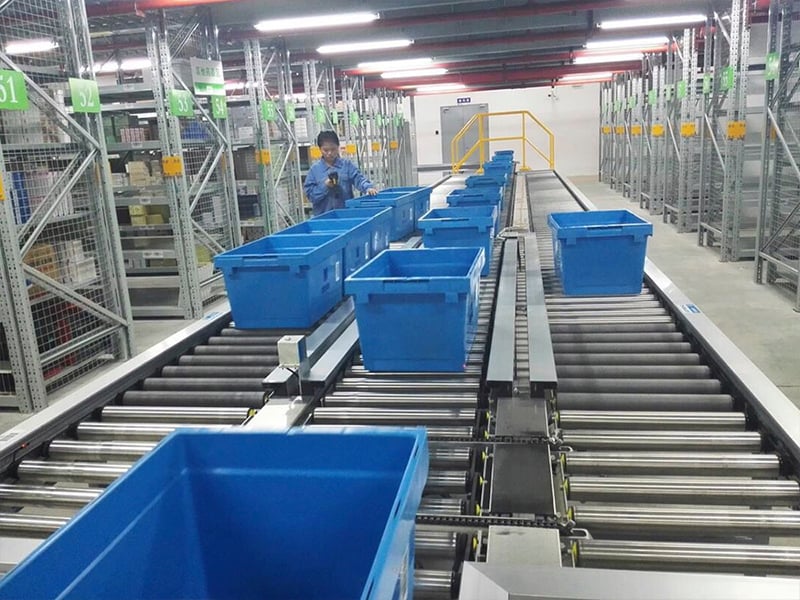
Medical parts storage containers can be used for handling:
Medical device components
Plastic molded parts
Small mechanical components
Assembly accessories
Laboratory equipment components
Packaging components
For these applications, container selection should consider cleanliness, material requirements, surface finish, ease of cleaning, and compatibility with the manufacturing environment.
For applications involving direct contact with medical products or regulated materials, the required material and compliance specifications should always be confirmed before purchasing.
Precision Parts Boxes for Pharmaceutical Production
Pharmaceutical manufacturing also requires organized internal material handling.
Small components and production accessories may need to move between different areas while remaining properly identified and separated.
Precision parts boxes can support organized internal logistics by providing dedicated containers for different components or production batches.
Depending on the application, buyers may need to consider:
Cleanability
Material specifications
Container design
Identification
Batch separation
Storage conditions
The appropriate container should always be selected according to the specific production and hygiene requirements of the facility.
Precision Parts Boxes for Electronic Components
Electronic components are often small, lightweight, and sensitive to physical damage.
Precision component boxes can be used to organize:
Electronic components
Connectors
Small housings
Circuit board accessories
Fasteners
Sensors
Assembly components
For electronic manufacturing, the storage environment can be just as important as the physical container.
Where electrostatic discharge is a concern, manufacturers may require ESD or conductive packaging solutions rather than standard plastic containers.
What Features Should Precision Parts Boxes Have?
Different industries have different requirements, but several features are particularly important.
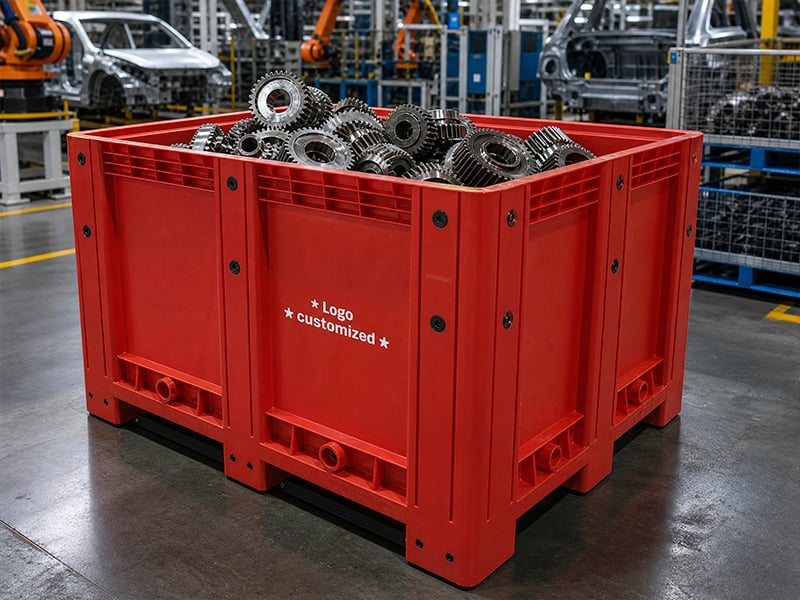
Appropriate Dimensions
The size of the container should correspond to the component being stored.
A box that is too large may allow parts to move excessively during transportation.
A box that is too small may make picking and loading difficult.
For precision parts boxes, the ideal internal dimensions should provide sufficient protection without unnecessarily wasting storage space.
Smooth Internal Surfaces
Smooth internal surfaces make containers easier to clean and reduce areas where dust, residue, or small particles can accumulate.
This can be particularly useful for medical, pharmaceutical, electronics, and precision manufacturing environments.
Stable Construction
Industrial containers are repeatedly moved between workstations, warehouses, and production areas.
Therefore, industrial parts boxes should have sufficient structural strength to withstand repeated handling.
Stackable Design
Stackability is important when storage space is limited.
Precision parts boxes with stable stacking structures can help manufacturers use vertical warehouse and workstation space more efficiently.
Easy Identification
Small components can look very similar.
Clear identification can help reduce picking errors.
Depending on the container design, identification may include:
Labels
Barcodes
QR codes
Part numbers
Color coding
RFID identification
These features can help integrate physical containers into modern inventory management systems.
Plastic Parts Bins for Lean Manufacturing
Lean manufacturing focuses on reducing unnecessary movement, waiting, excess inventory, and inefficient handling.
Plastic parts bins can support these principles by allowing components to be organized closer to their point of use.
For example, a production workstation can have separate containers for:
Components waiting for assembly
Components currently being used
Finished subassemblies
Rejected components
Components waiting for inspection
This simple organization can make material flow more visible and easier to manage.
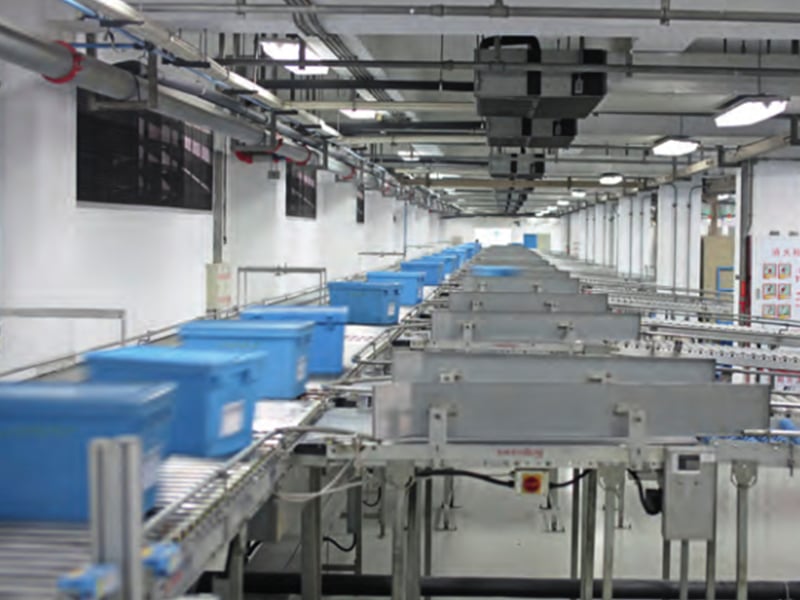
Precision Parts Boxes for Automated Warehouses
As warehouses become increasingly automated, container dimensions and structural consistency become more important.
Precision parts boxes may be used with:
Conveyors
Sorting systems
Automated storage systems
Picking systems
Robotic handling equipment
Automated production lines
However, compatibility should never be assumed simply because a container is plastic.
Before selecting a container for automation, confirm:
External dimensions
Internal dimensions
Container weight
Bottom structure
Load capacity
Conveyor compatibility
Barcode or RFID requirements
Automation equipment specifications
How to Choose the Right Precision Parts Boxes
Choosing the correct precision parts boxes starts with understanding the parts being stored.
1. Measure the Components
Record the length, width, height, and weight of the parts.
If the components are fragile or easily scratched, also consider how much movement should be allowed inside the container.
2. Determine the Required Quantity
How many components should each box hold?
A smaller quantity may make picking easier, while a larger quantity can reduce the number of containers required.
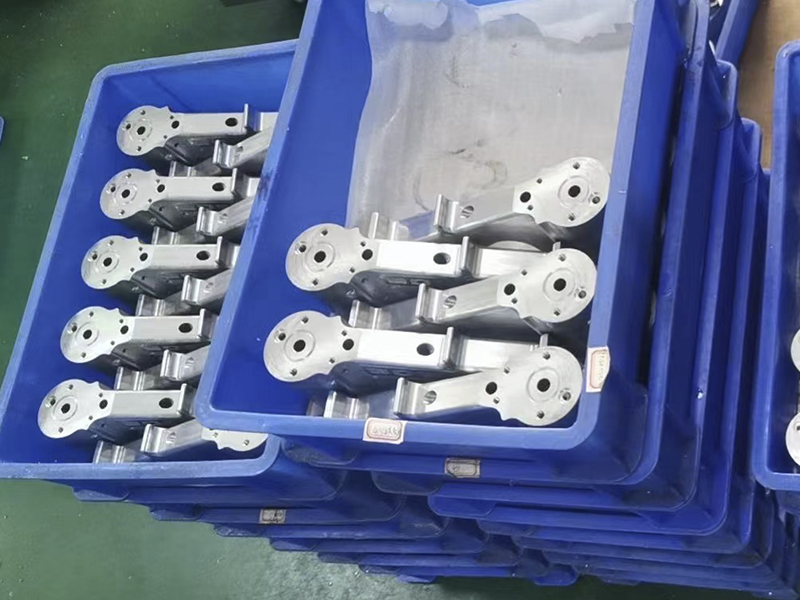
The best solution depends on the production process.
3. Consider the Handling Method
Will the boxes be:
Manually handled?
Moved by forklift?
Placed on carts?
Used on conveyors?
Transferred by robots?
Used directly beside an assembly line?
The handling method determines the most suitable box dimensions and structural design.
4. Consider the Working Environment
A normal industrial environment may require a different container from a pharmaceutical or electronics production area.
Consider:
Temperature
Humidity
Dust
Cleaning frequency
Chemical exposure
Static electricity
Hygiene requirements
5. Consider Identification Requirements
If your facility manages hundreds of small components, identification becomes essential.
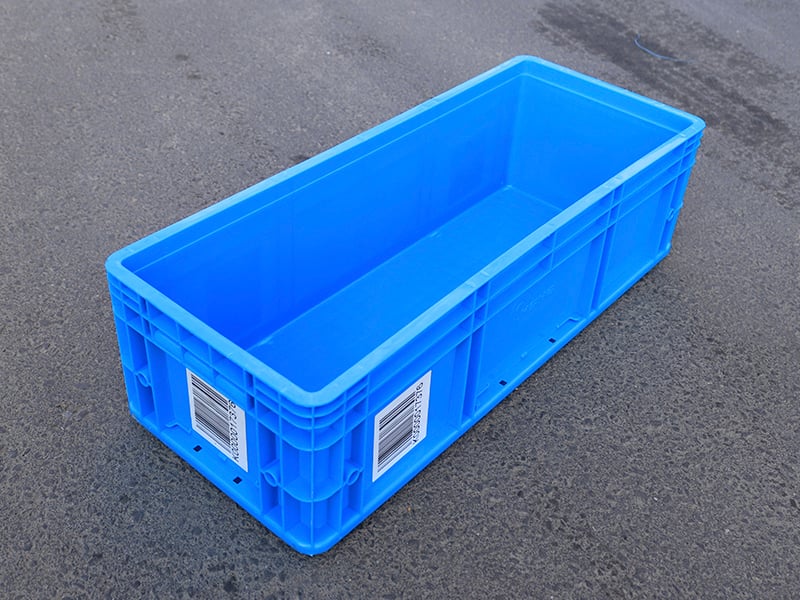
Choose a container design that allows convenient labeling, barcodes, QR codes, or other identification methods.
Custom Precision Parts Boxes
Not every component fits a standard container.
For specialized industrial applications, manufacturers may require custom precision parts boxes based on their actual components and production process.
Customization may include:
Custom dimensions
Internal dividers
Compartments
Foam inserts
Custom colors
Labels
Logo marking
RFID identification
Special handling structures
Custom-designed interiors can be especially useful for fragile components that need to remain in a fixed position during transportation.
Why Use Reusable Precision Parts Boxes?
Compared with disposable cartons, reusable precision parts boxes can support repeated internal logistics.
They can be moved between:
Warehouse
Production line
Inspection area
Assembly station
Finished goods area
This creates a reusable material flow system.
For manufacturers with high-frequency internal transportation, reusable containers can also help standardize handling and improve workplace organization.
Precision Parts Boxes vs Cardboard Packaging
Cardboard packaging can be economical for one-way transportation, but it may not be the most efficient solution for repeated internal handling.
Precision parts boxes offer several practical advantages for reusable manufacturing logistics:
More consistent dimensions
Better resistance to moisture
Reusable construction
Easier cleaning
Better stacking stability
Improved organization
Longer service life
For closed-loop production systems, reusable plastic containers can be a more suitable solution.
Why Choose LinHui Plastics?
LinHui Plastics provides reusable plastic containers and customized logistics solutions for industrial manufacturing, warehousing, automation, and specialized applications.
Our plastic container solutions can be developed according to different requirements, including:
Container dimensions
Internal compartments
Stacking structures
Colors
Identification
Logo marking
Custom designs
For manufacturers looking for precision parts boxes, industrial parts bins, or customized component storage containers, the most effective solution starts with understanding the component dimensions and the actual production process.
Frequently Asked Questions
What are precision parts boxes used for?
Precision parts boxes are used to store, organize, protect, and transport small components in manufacturing, assembly, medical production, electronics, automotive, and industrial logistics.
What size precision parts box should I choose?
The appropriate size depends on the dimensions, weight, quantity, and handling requirements of the components. The box should provide enough space for safe handling without allowing excessive movement.
Can precision parts boxes be customized?
Yes. Custom dimensions, dividers, compartments, colors, labels, and other features can be developed according to application requirements.
Are plastic parts bins suitable for assembly lines?
Yes. Plastic parts bins are widely suitable for organizing small components at production and assembly workstations.
Can these containers be used in medical manufacturing?
They can be used for internal storage and handling of suitable medical components and production materials. However, specific material, hygiene, and compliance requirements should be confirmed according to the application.
Can precision parts boxes be used with automated systems?
Some precision parts boxes can be designed for conveyors, automated storage systems, and robotic handling. Compatibility should be confirmed based on the dimensions and technical requirements of the specific automation system.
Conclusion
For precision manufacturing, medical production, electronics, automotive assembly, and modern production lines, the right storage container can have a significant impact on material handling efficiency.
Precision parts boxes provide a practical way to organize small components, improve workstation management, simplify internal transportation, and protect parts throughout the manufacturing process.
When selecting precision parts boxes, focus on more than container size. Consider the component dimensions, load requirements, handling method, production environment, cleaning requirements, identification system, and whether customization is needed.
For specialized applications, a customized container designed around the actual component and production process can provide a more effective solution than a standard storage box.
Contact Us
Email: [email protected]
Mobile: +86 18806120677
Website: https://www.linhuiplastics.com/
Table of Contents
- What Are Precision Parts Boxes?
- Why Are Precision Parts Boxes Important in Modern Manufacturing?
- Precision Parts Boxes for Assembly Lines
- How Precision Parts Boxes Improve Production Efficiency
- Precision Parts Boxes for Medical Manufacturing
- Precision Parts Boxes for Pharmaceutical Production
- Precision Parts Boxes for Electronic Components
- What Features Should Precision Parts Boxes Have?
- Plastic Parts Bins for Lean Manufacturing
- Precision Parts Boxes for Automated Warehouses
- How to Choose the Right Precision Parts Boxes
- Custom Precision Parts Boxes
- Why Use Reusable Precision Parts Boxes?
- Precision Parts Boxes vs Cardboard Packaging
- Why Choose LinHui Plastics?
- Frequently Asked Questions
- Conclusion
- Contact Us