
 EN
EN
 AR
AR CS
CS DA
DA NL
NL FI
FI FR
FR DE
DE EL
EL HI
HI IT
IT JA
JA KO
KO NO
NO PL
PL PT
PT RU
RU ES
ES SV
SV TL
TL ID
ID SR
SR UK
UK VI
VI SQ
SQ HU
HU TH
TH TR
TR MS
MS IS
IS BN
BN LO
LO MN
MN NE
NE MY
MY UZ
UZ KY
KY


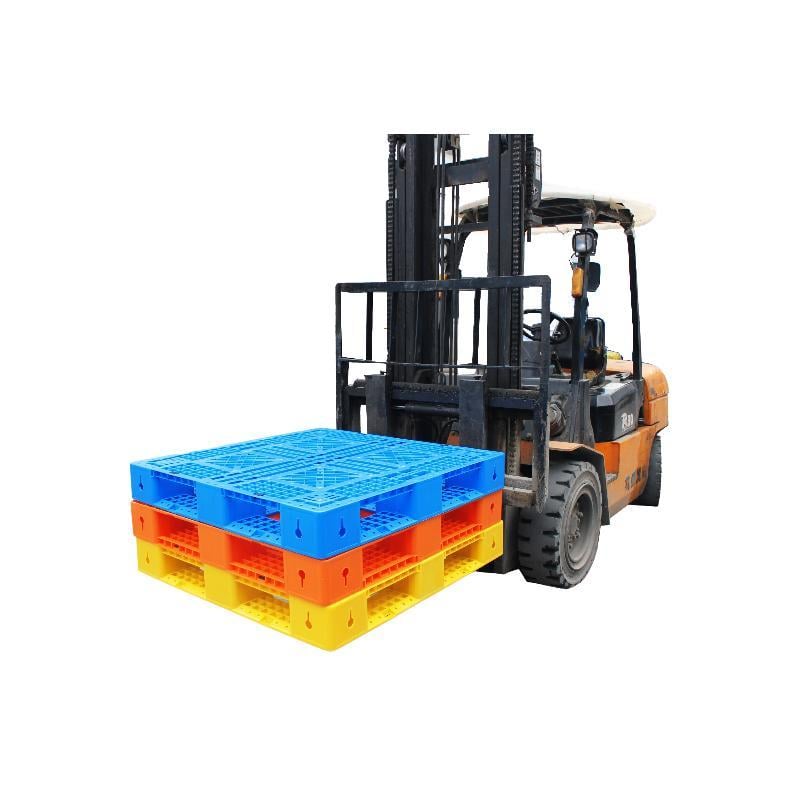 Plastic Pallets
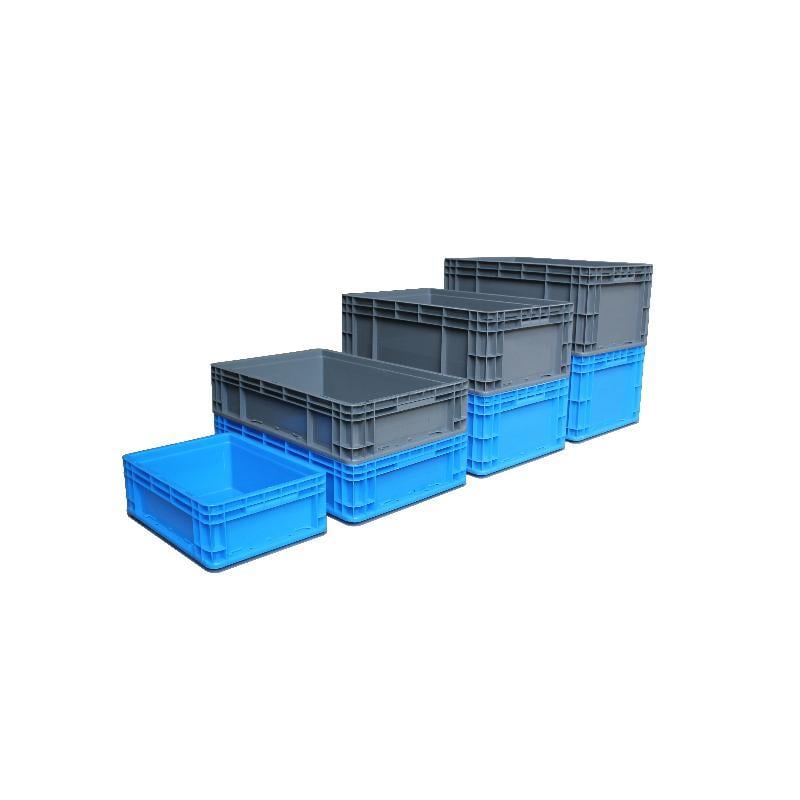 Logistics Box
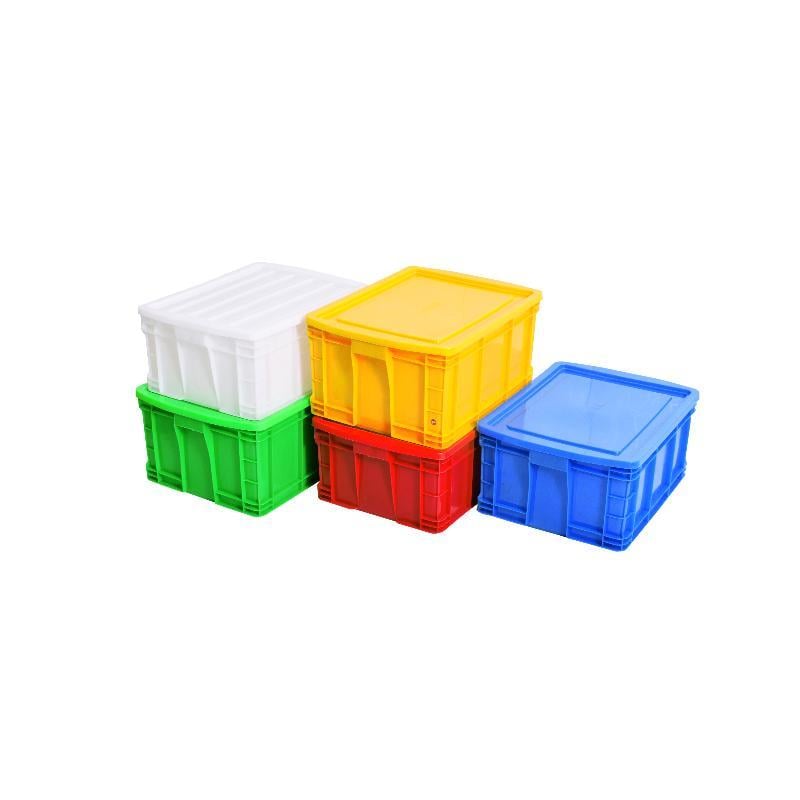 Plastic Crates
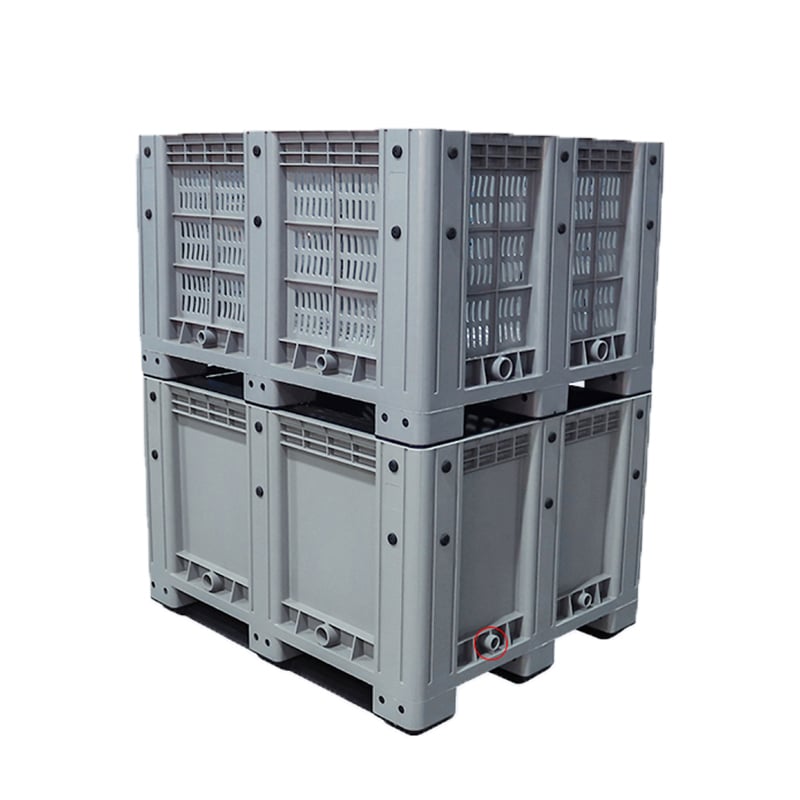 Bulk Containers
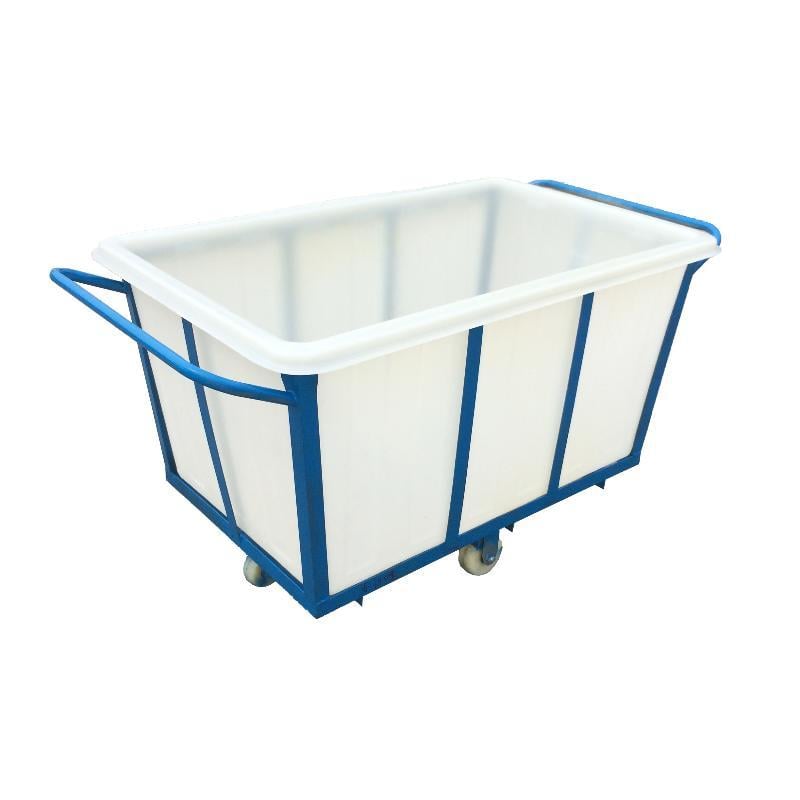 Trolly Cart
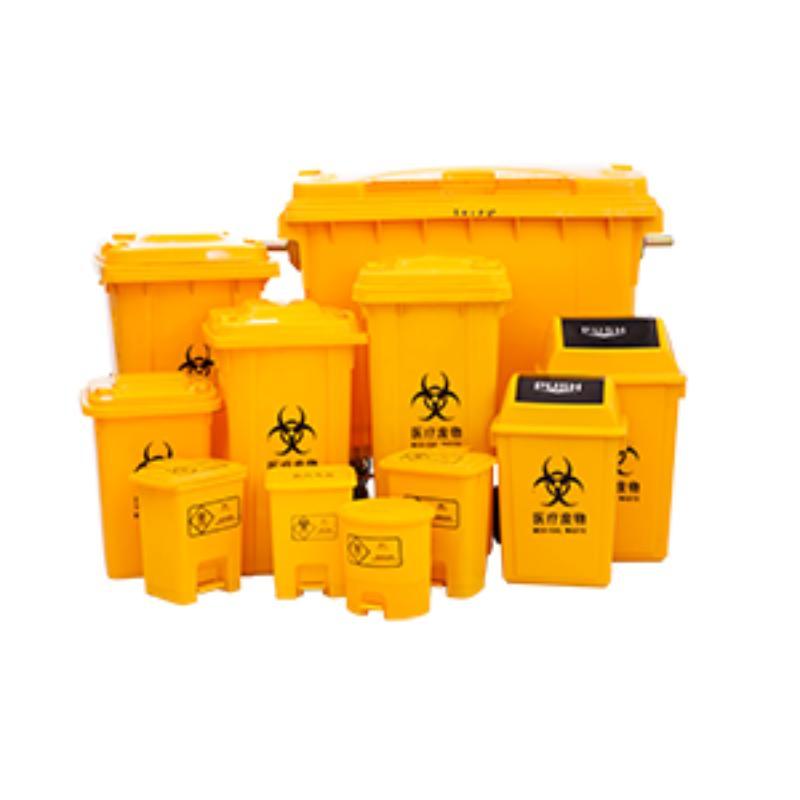 Waste Bins
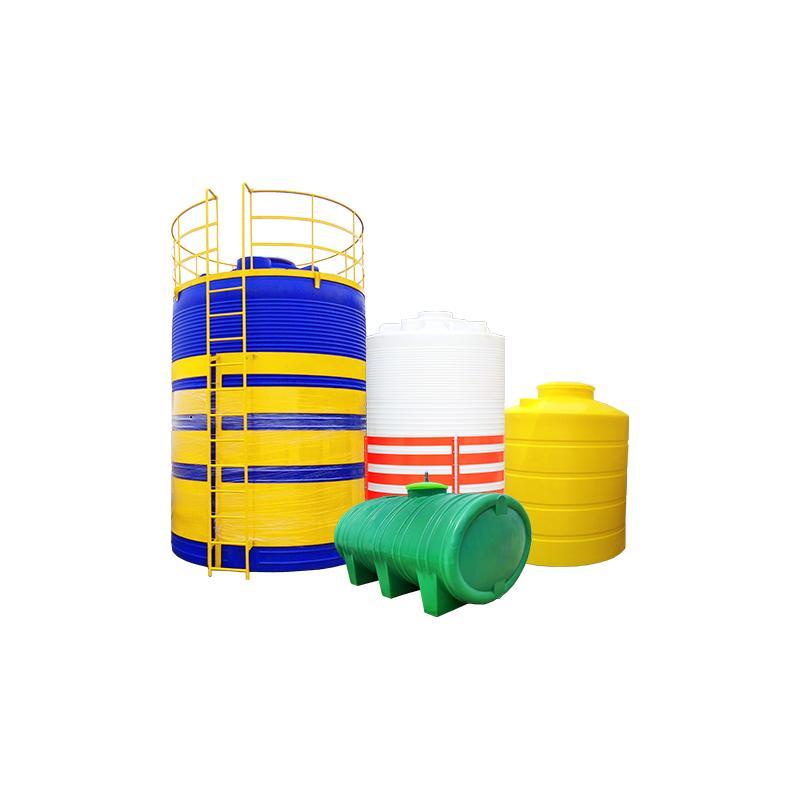 liquid storage containers
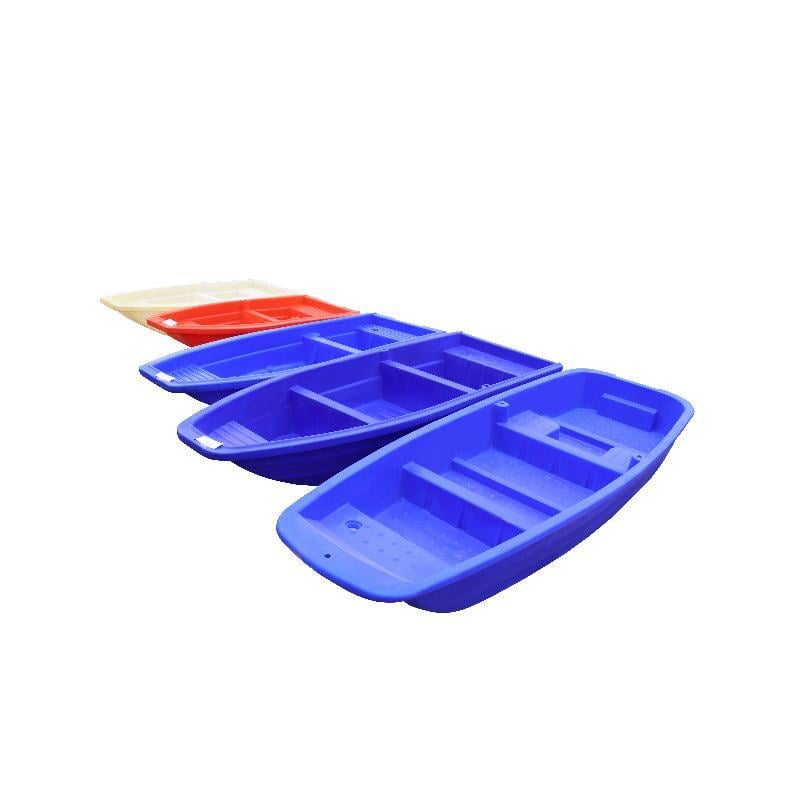 Boat &Aquatic products
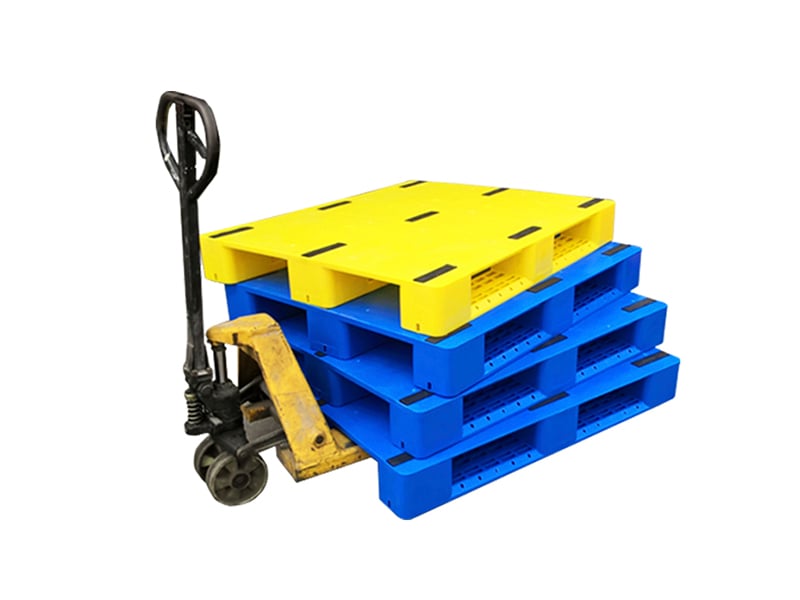
If you are comparing plastic pallets for your warehouse, manufacturing facility, export business, or logistics operation, you probably have more questions than simply how much a pallet costs.
What size plastic pallet should you choose? How much weight can it hold? Can it be used with a forklift? Which pallet is suitable for warehouse racking? Why are plastic pallets available in different colors? Are they suitable for export shipping?
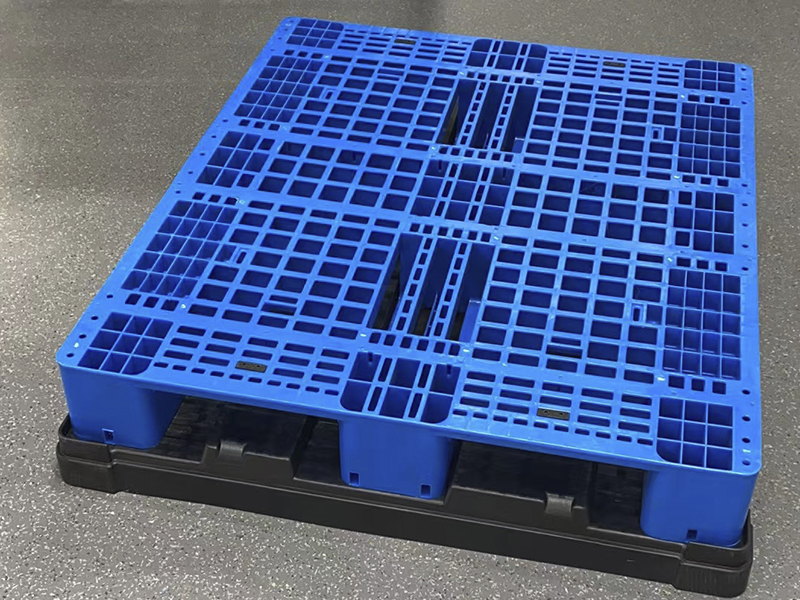
This plastic pallets FAQ answers 20 of the most common questions buyers ask before purchasing plastic pallets.
The goal is not simply to explain what plastic pallets are, but to help you choose the right pallet for your actual application.
1. What Are Plastic Pallets?
Plastic pallets are reusable load platforms made from durable plastic materials. They are designed to support, store, move, and transport goods.
Depending on their structure and specifications, plastic pallets can be used for light duty, medium duty, or heavy duty applications.
They are commonly handled with forklifts, pallet jacks, conveyors, and other warehouse equipment.
2. What Are Plastic Pallets Used For?
Plastic pallets are used across many industries and logistics applications.
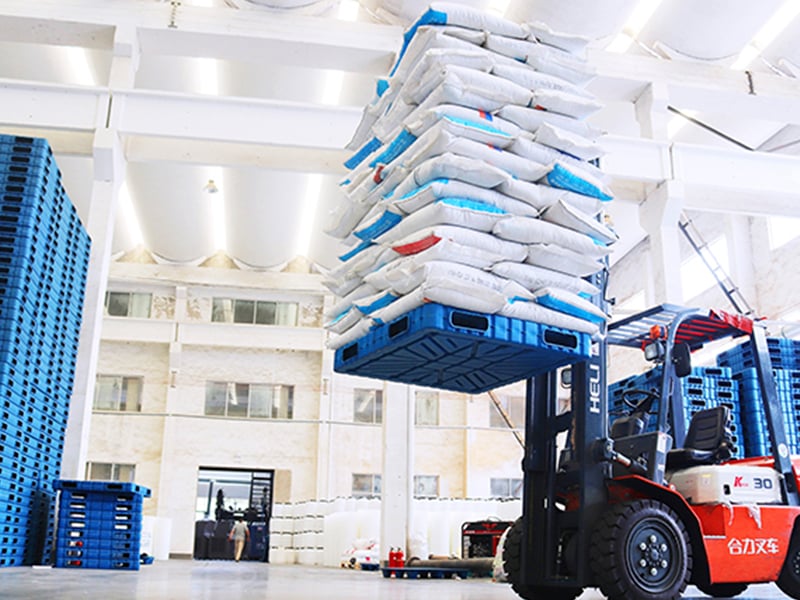
Common applications include:
Warehouse storage
International shipping
Food and beverage logistics
Automotive parts
Agriculture
Pharmaceutical logistics
Cold chain transportation
Manufacturing
Retail distribution
Chemical logistics
The appropriate pallet depends on the product weight, handling equipment, storage environment, and transportation requirements.
3. What Are the Most Common Plastic Pallet Sizes?
There is no single universal plastic pallet size.
Common dimensions include:
1200 × 1000 mm
1200 × 800 mm
1100 × 1100 mm
1200 × 1200 mm
48 × 40 inches
48 × 48 inches
The right size depends on the market, warehouse layout, container dimensions, and products being transported.
For international logistics, 1200 × 1000 mm and 1200 × 800 mm are widely used pallet dimensions.
4. How Much Weight Can a Plastic Pallet Hold?
The plastic pallet load capacity depends on the pallet's structure, dimensions, material, and how the load is supported.
Three load ratings are especially important:
Static load
Dynamic load
Racking load
Static load refers to the weight a pallet can support while stationary.
Dynamic load refers to the weight supported while the pallet is being moved by a forklift or pallet jack.
Racking load refers to the capacity when the pallet is stored on warehouse racking.
A heavy duty plastic pallet can provide substantially higher load capacity than a lightweight pallet designed for one-way transportation.
Always confirm the manufacturer's technical specifications before using a pallet for heavy loads.
5. What Is a Heavy Duty Plastic Pallet?
A heavy duty plastic pallet is designed for demanding industrial applications where high load capacity, structural strength, and repeated handling are required.
Typical applications include:
Heavy machinery
Automotive components
Industrial products
Manufacturing
Warehouse storage
Export logistics
Racking systems
The actual load capacity depends on the pallet structure and operating conditions, so buyers should compare technical specifications rather than relying only on the term "heavy duty."
6. Can Plastic Pallets Be Used With Forklifts?
Yes. Many plastic pallets for forklifts are specifically designed with forklift entry points.
However, not every pallet has the same fork-entry configuration.
Before purchasing, check:
Fork entry direction
Forklift compatibility
Dynamic load capacity
Pallet dimensions
Bottom structure
Load distribution
For heavy loads, the pallet, forklift, and cargo should be considered together as one handling system.
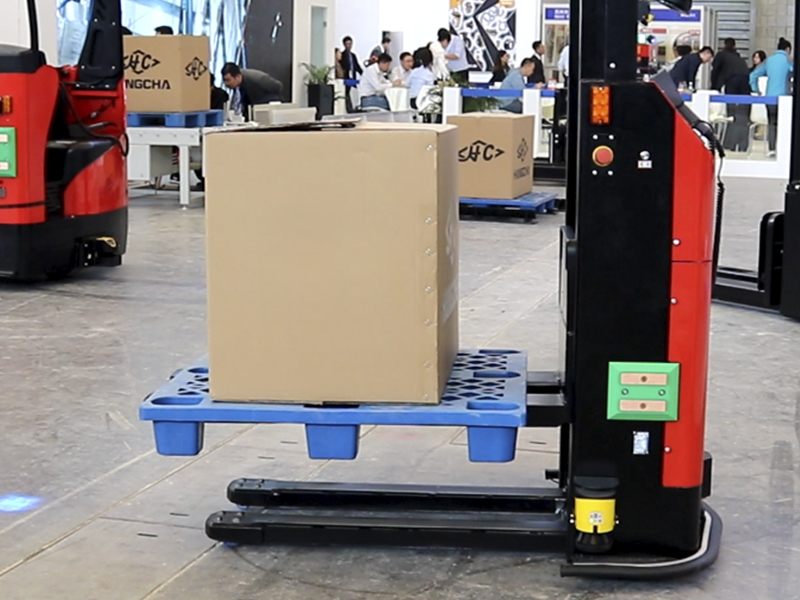
7. Can Plastic Pallets Be Used With Pallet Jacks?
Yes, many plastic pallets can be moved using manual or electric pallet jacks.
The bottom structure is particularly important.
A suitable bottom design provides proper support and allows the pallet jack forks to enter and move the pallet safely.
If your warehouse uses pallet jacks frequently, confirm compatibility before selecting your pallet.
8. Can Plastic Pallets Be Used on Warehouse Racking?
Yes, but not every pallet is suitable for racking.
Plastic pallets for racking must have an appropriate structure and sufficient racking load capacity.
Before purchasing, provide the supplier with information such as:
Rack type
Beam spacing
Expected load
Pallet dimensions
Storage configuration
The manufacturer can then determine whether a particular pallet structure is suitable for your racking system.
9. Are Plastic Pallets Suitable for Export?
Yes. Plastic pallets for export are widely used in international logistics.
A major advantage is that plastic pallets are not wood packaging material. Therefore, they do not require the wood treatment and marking associated with ISPM 15 requirements for regulated wood packaging.
However, exporters should still check the packaging and import requirements of the destination country.
For companies regularly exporting goods, plastic pallets can simplify certain aspects of international logistics.
10. What Colors Are Plastic Pallets Available In?
Plastic pallets can be manufactured in a wide range of colors.
Common options include:
Blue
Black
Red
Green
Yellow
Gray
White
Color can be used for warehouse organization, product identification, customer differentiation, production lines, or logistics management.
It is important to remember that pallet color does not automatically determine its load capacity or quality.
The structure and technical specifications are much more important.
11. Why Are Many Plastic Pallets Blue?
Blue is a common color for plastic pallets, particularly in industrial and logistics applications.
However, there is no universal rule that says a blue pallet must have a specific load capacity or application.
Companies may choose blue for visual identification or because it fits their internal logistics system.
Plastic pallets can also be manufactured in other colors according to customer requirements.
12. Are White Plastic Pallets Suitable for Food Applications?
White plastic pallets can be useful in environments where visual cleanliness and easy inspection are important.
Potential applications include:
Food processing
Seafood logistics
Agriculture
Pharmaceutical logistics
Clean production environments
However, color alone does not determine whether a pallet is suitable for food-related applications.
Buyers should confirm the material specification and applicable compliance requirements with the manufacturer.
13. Are Plastic Pallets Waterproof?
Plastic does not absorb water in the same way as wood.
This makes plastic pallets suitable for many wet or humid environments, including:
Cold storage
Seafood logistics
Agriculture
Food processing
Outdoor handling
However, water resistance and outdoor durability are not exactly the same thing.
If the pallets will remain outdoors, ask about UV resistance and the expected operating conditions.
14. Are Plastic Pallets Easy to Clean?
Yes. Easy cleaning is one of the major advantages of plastic pallets.
Their surfaces can generally be washed to remove:
Dust
Mud
Food residue
Liquid contamination
Other surface debris
This makes plastic pallets particularly useful for industries where pallets need to be cleaned frequently.
Food, seafood, pharmaceutical, agricultural, and industrial businesses can all benefit from easy-to-clean pallet surfaces.
15. How Long Do Plastic Pallets Last?
There is no single lifespan that applies to all plastic pallets.
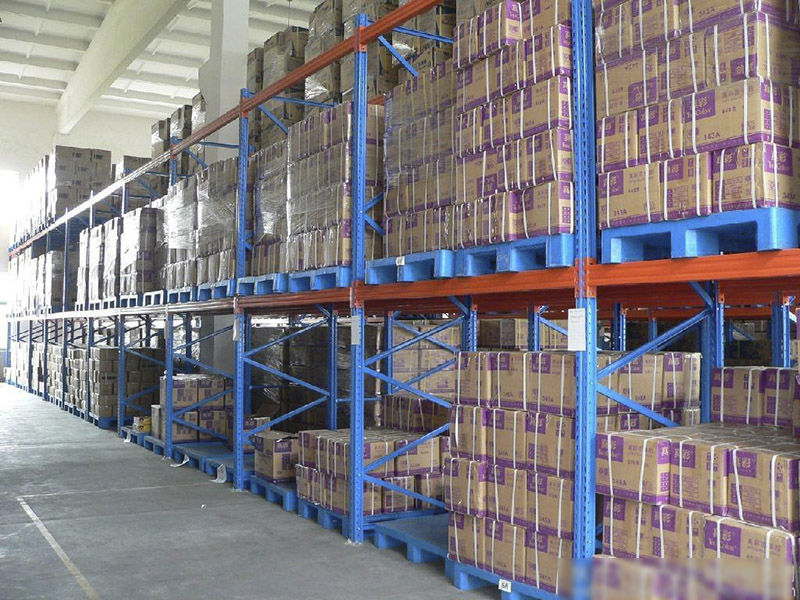
Service life depends on:
Pallet design
Material quality
Load weight
Handling frequency
Forklift operation
Storage conditions
Temperature
UV exposure
Impact frequency
Maintenance
A heavy duty pallet used in a controlled closed-loop logistics system may complete many handling cycles.
For this reason, it is better to evaluate expected usage cycles and operating conditions rather than relying on a generic lifespan figure.
16. Are Plastic Pallets Better Than Wood Pallets?
It depends on the application.
Plastic pallets provide advantages such as:
Moisture resistance
Easy cleaning
Consistent dimensions
No splinters
No exposed nails
Repeated-use capability
Export convenience
Wood pallets can offer advantages such as lower initial purchase costs and easier repair.
If you need frequent reuse, hygiene, moisture resistance, or dimensional consistency, plastic may be a better option.
For one-way shipping where initial purchase cost is the main concern, wood can remain a practical choice.
17. Can Plastic Pallets Be Customized?
Yes. Many plastic pallets can be customized according to specific customer requirements.
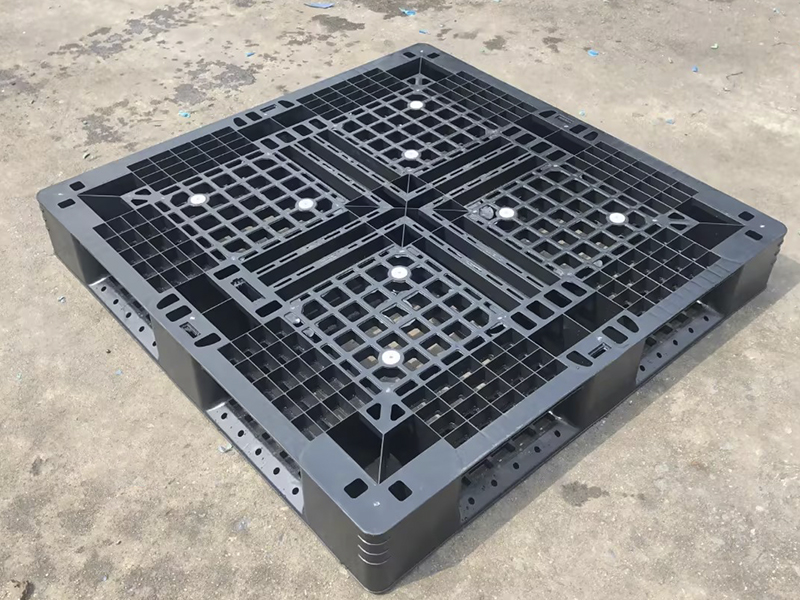
Customization options may include:
Dimensions
Color
Company logo
Embossed identification
Laser marking
RFID solutions
Special bottom structures
Structural modifications
Custom load requirements
Customization can be particularly useful for companies operating closed-loop logistics systems or managing different product categories.
18. Are Plastic Pallets Recyclable?
Many plastic pallets can be recycled at the end of their useful life, depending on the material and local recycling infrastructure.
Reuse is also an important part of the value of a plastic pallet.
When considering sustainability, businesses should look at the complete lifecycle:
Manufacturing
Transportation
Number of uses
Maintenance
Replacement
End-of-life recycling
A pallet that can be reused many times may provide significant value throughout its service life.
19. How Do I Choose the Right Plastic Pallet?
Before purchasing plastic pallets, consider the following:
Pallet dimensions
Static load capacity
Dynamic load capacity
Racking load capacity
Forklift compatibility
Pallet jack compatibility
Warehouse conditions
Temperature
Indoor or outdoor use
Export requirements
Cleaning requirements
Expected reuse frequency
The most expensive pallet is not necessarily the best pallet.
The right pallet is the one that matches your actual logistics requirements.
20. Where Can I Buy Plastic Pallets?
When purchasing plastic pallets, do not compare suppliers based only on unit price.
Ask about:
Product specifications
Load capacity
Material
Manufacturing capabilities
Quality control
Customization
Samples
Packaging
Shipping
After-sales support
For large orders, requesting technical specifications and samples before mass production can help you confirm that the pallet matches your application.
How to Choose the Right Plastic Pallet for Your Business
The answers in this plastic pallets FAQ show that choosing a pallet is an application-specific decision.
For export shipping, consider pallet dimensions, container utilization, and destination requirements.
For heavy industrial products, focus on dynamic and static load capacity.
For warehouse racking, check racking load capacity and the pallet's structural design.
For food and seafood logistics, prioritize easy cleaning, suitable materials, and hygiene requirements.
For automated warehouses, consider dimensional consistency and compatibility with conveyors and automated handling equipment.
For outdoor applications, check UV resistance and weather exposure.
For a more accurate recommendation, provide the manufacturer with your product weight, pallet dimensions, handling equipment, storage method, and working environment.
Why Choose LinHui Plastics?
LinHui Plastics manufactures a wide range of plastic pallets for warehousing, transportation, manufacturing, food logistics, export shipping, agriculture, and industrial applications.
Our product range includes different dimensions and structural designs for different load requirements and handling environments.
Customization options can include:
Custom colors
Company logos
RFID solutions
Different dimensions
Structural modifications
Special application requirements
If you are looking for plastic pallets for your warehouse, manufacturing facility, export business, or logistics operation, LinHui Plastics can provide pallet solutions based on your actual requirements.
Conclusion
The right plastic pallets should match your cargo, handling equipment, warehouse environment, transportation method, and expected service life.
Before purchasing, pay particular attention to pallet dimensions, static load, dynamic load, racking load, forklift compatibility, cleaning requirements, and reuse frequency.
If you are unsure which pallet is suitable, providing your product weight, required pallet size, handling equipment, and application environment to the manufacturer is a good starting point.
A suitable pallet is not simply the one with the lowest price. It is the one that provides reliable performance and appropriate value throughout your logistics operation.
Contact Us
Email: [email protected]
Mobile: +86 18806120677
Website: https://www.linhuiplastics.com/
Table of Contents
- 1. What Are Plastic Pallets?
- 2. What Are Plastic Pallets Used For?
- 3. What Are the Most Common Plastic Pallet Sizes?
- 4. How Much Weight Can a Plastic Pallet Hold?
- 5. What Is a Heavy Duty Plastic Pallet?
- 6. Can Plastic Pallets Be Used With Forklifts?
- 7. Can Plastic Pallets Be Used With Pallet Jacks?
- 8. Can Plastic Pallets Be Used on Warehouse Racking?
- 9. Are Plastic Pallets Suitable for Export?
- 10. What Colors Are Plastic Pallets Available In?
- 11. Why Are Many Plastic Pallets Blue?
- 12. Are White Plastic Pallets Suitable for Food Applications?
- 13. Are Plastic Pallets Waterproof?
- 14. Are Plastic Pallets Easy to Clean?
- 15. How Long Do Plastic Pallets Last?
- 16. Are Plastic Pallets Better Than Wood Pallets?
- 17. Can Plastic Pallets Be Customized?
- 18. Are Plastic Pallets Recyclable?
- 19. How Do I Choose the Right Plastic Pallet?
- 20. Where Can I Buy Plastic Pallets?
- How to Choose the Right Plastic Pallet for Your Business
- Why Choose LinHui Plastics?
- Conclusion
- Contact Us