
 EN
EN
 AR
AR CS
CS DA
DA NL
NL FI
FI FR
FR DE
DE EL
EL HI
HI IT
IT JA
JA KO
KO NO
NO PL
PL PT
PT RU
RU ES
ES SV
SV TL
TL ID
ID SR
SR UK
UK VI
VI SQ
SQ HU
HU TH
TH TR
TR MS
MS IS
IS BN
BN LO
LO MN
MN NE
NE MY
MY UZ
UZ KY
KY


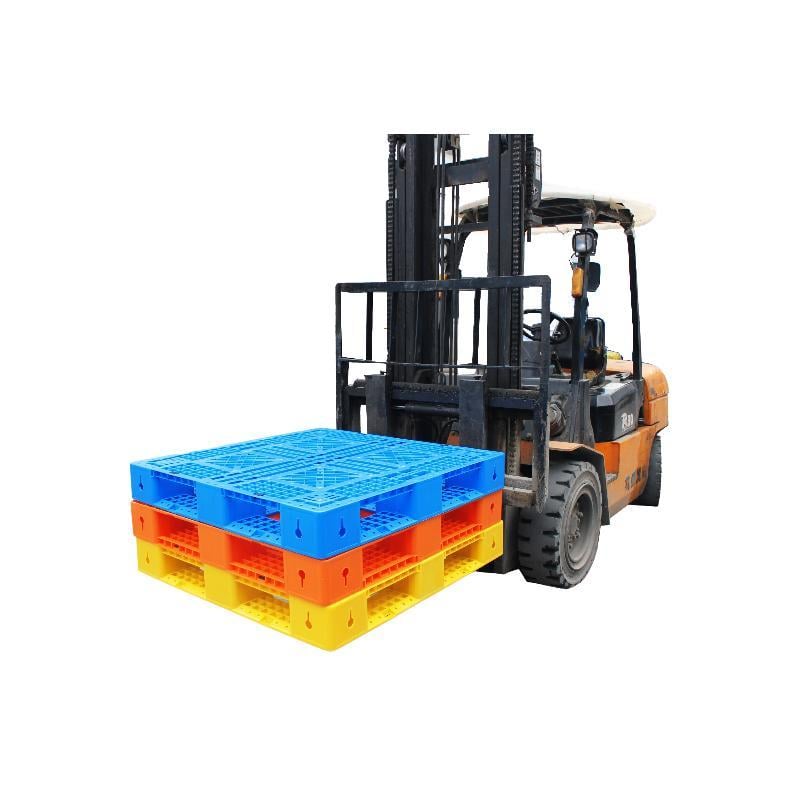 Plastic Pallets
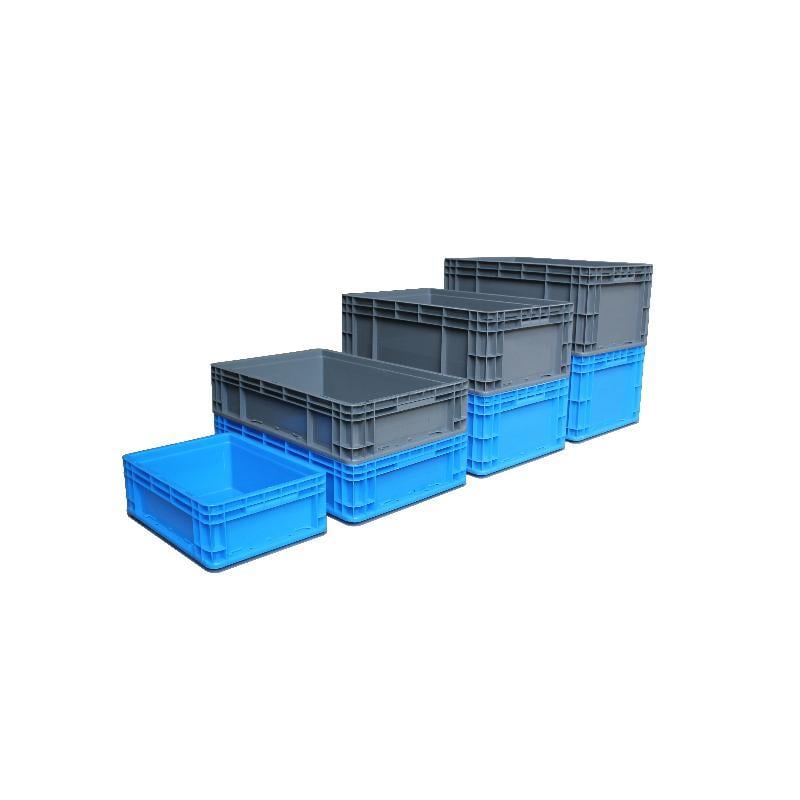 Logistics Box
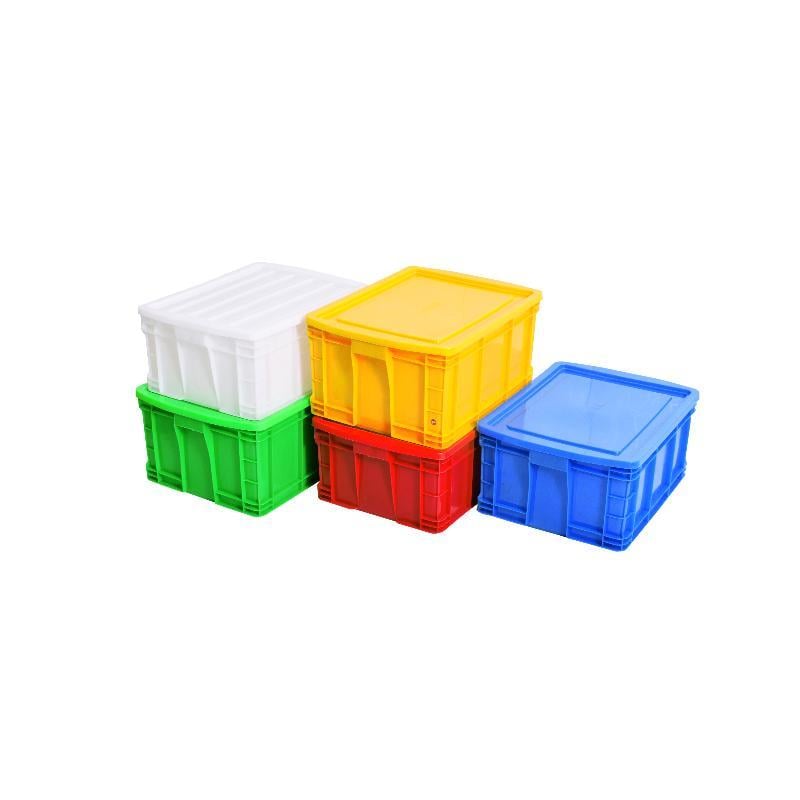 Plastic Crates
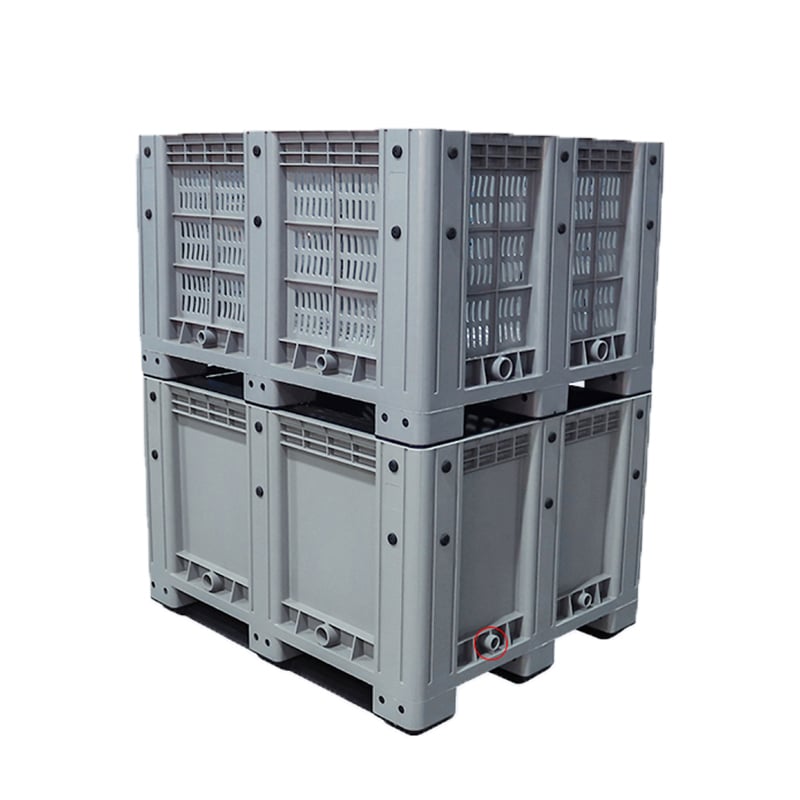 Bulk Containers
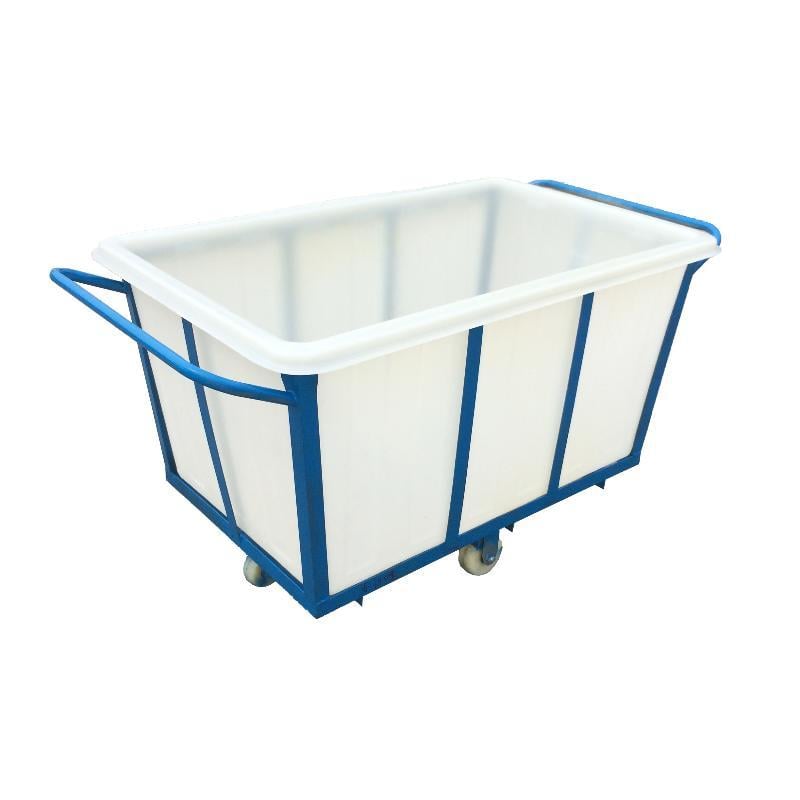 Trolly Cart
 Waste Bins
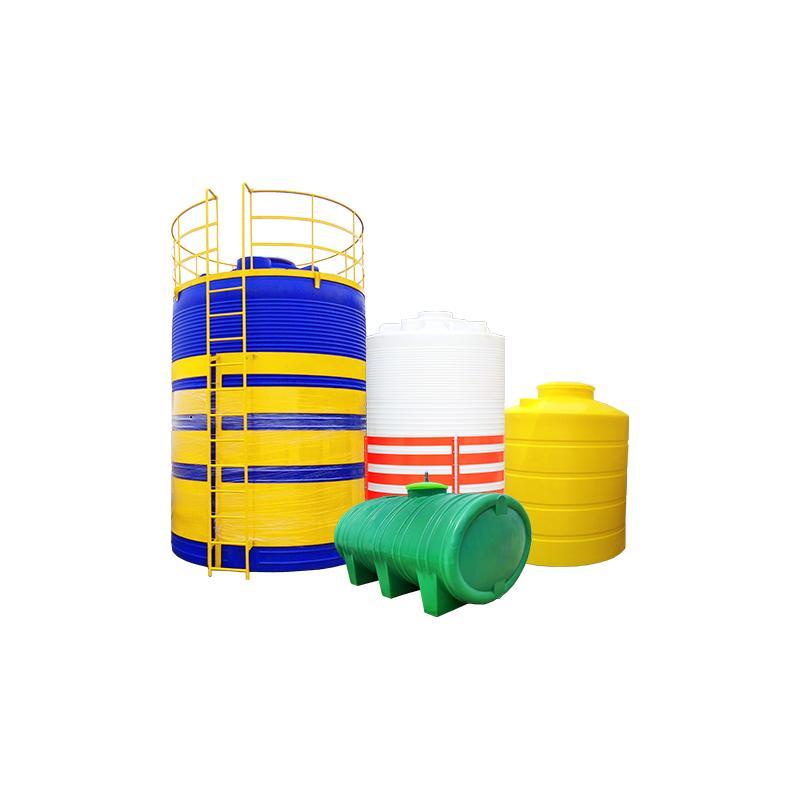 liquid storage containers
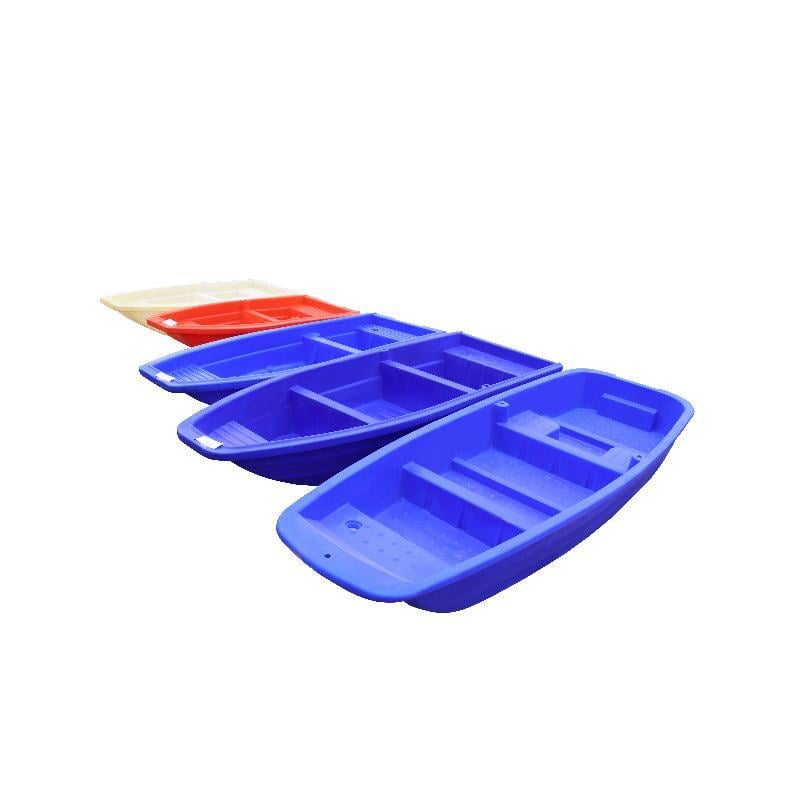 Boat &Aquatic products
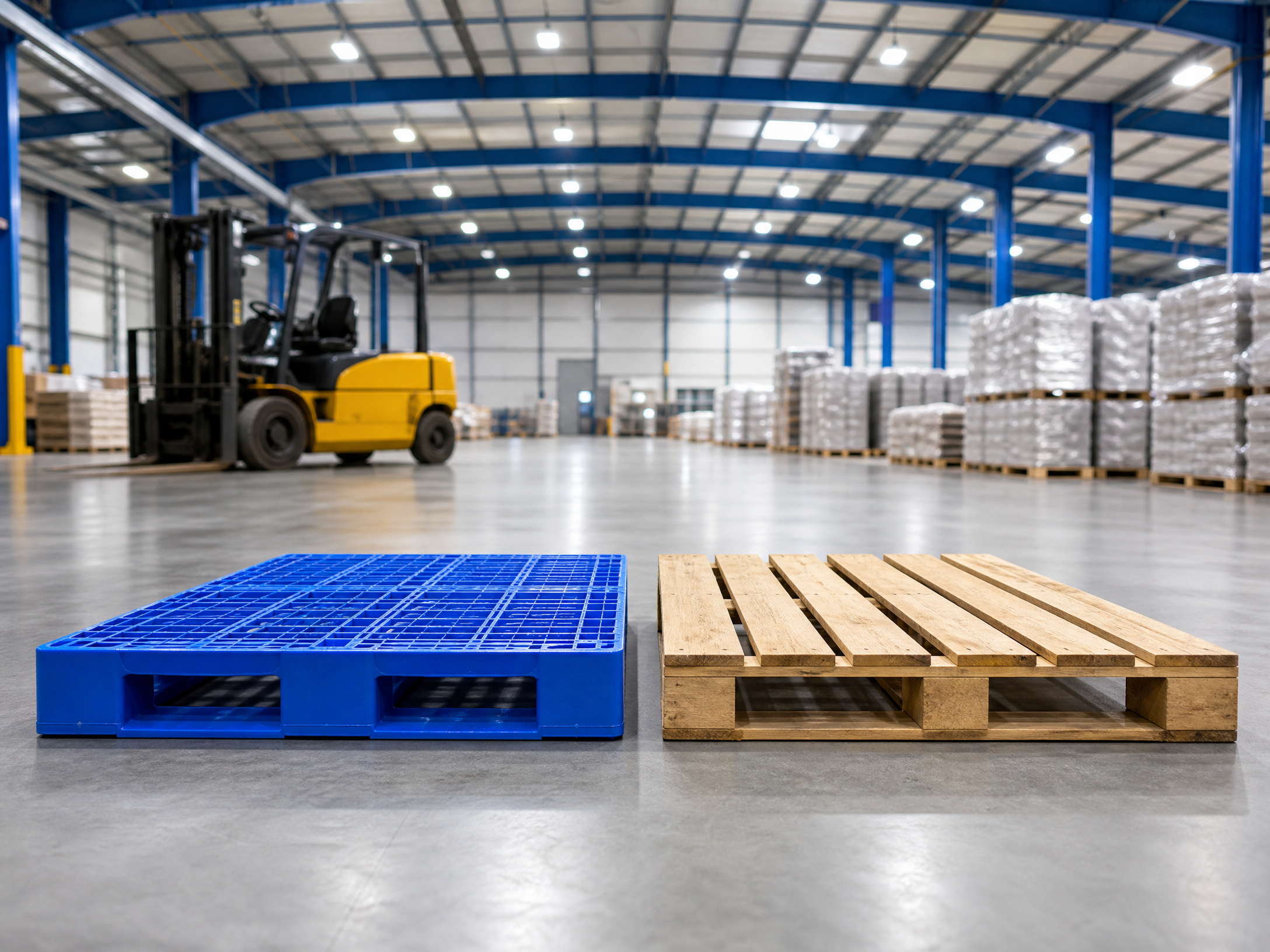
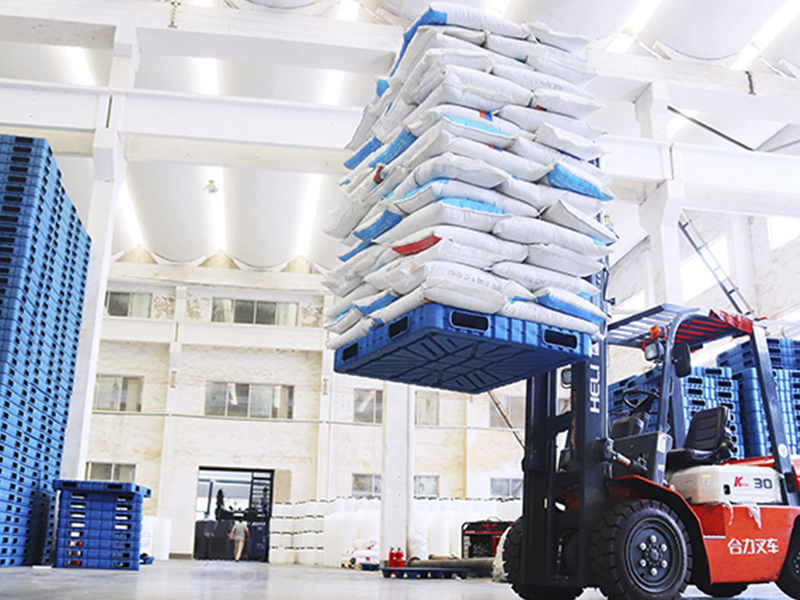
When choosing pallets for warehousing, transportation, manufacturing, and export logistics, one question continues to come up: Heavy duty plastic pallets vs wood pallets, which is better?
Wood pallets remain widely used because they have a relatively low purchase price and are easy to source and repair. At the same time, heavy duty plastic pallets are increasingly being considered for applications that require durability, hygiene, dimensional consistency, moisture resistance, and repeated use.
There is no single pallet that is perfect for every supply chain.
The right choice depends on how often the pallet will be used, how much weight it needs to carry, whether it will be exported, what environment it will operate in, and whether it will be used in automated warehouse systems.
This 2026 comparison looks at the most important differences between plastic pallets vs wood pallets to help purchasing managers and logistics professionals make a more informed decision.
Heavy Duty Plastic Pallets vs Wood Pallets: Quick Comparison
| Factor | Heavy Duty Plastic Pallets | Wood Pallets |
|---|---|---|
| Initial purchase cost | Generally higher | Generally lower |
| Durability | Excellent for repeated handling | Good, but depends on construction and use |
| Moisture resistance | Excellent | Limited |
| Mold and pest resistance | Excellent | Requires more attention |
| Cleaning | Easy to wash | More difficult |
| Splinters and nails | No | Possible |
| Dimensional consistency | High | Can vary with use and moisture |
| Repairability | Limited | Easy to repair |
| Export use | No wood treatment required for plastic | International shipments may require ISPM 15 treatment |
| Automation compatibility | Excellent with suitable designs | Depends on pallet design |
| Repeated-use applications | Highly suitable | Suitable depending on application |
The comparison shows why plastic pallets vs wood pallets is not simply a question of material preference. The operating environment and usage cycle are equally important.
What Is a Heavy Duty Plastic Pallet?
A heavy duty plastic pallet is designed to handle demanding loads and repeated industrial handling.
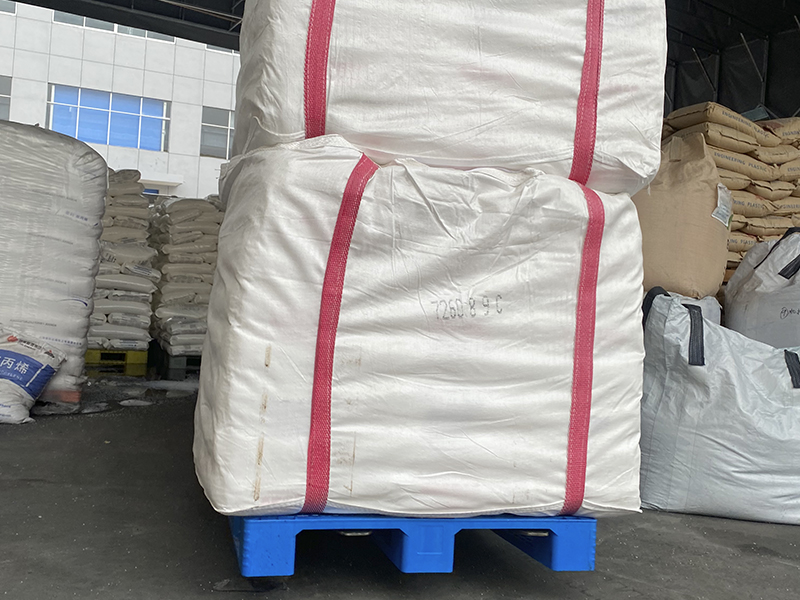
Compared with lightweight export pallets, heavy duty models generally feature reinforced structures, stronger support legs, and higher load-bearing performance.
They can be used for:
Heavy industrial products
Automotive components
Machinery
Warehousing
Manufacturing
Food and beverage logistics
Chemical products
International transportation
The actual load capacity depends on the pallet dimensions, structure, material, load distribution, and whether the pallet is being used dynamically, statically, or in a racking system.
Therefore, buyers should always check the manufacturer's technical specifications rather than relying on a general load rating.
Initial Cost: Plastic Pallets vs Wood Pallets
One of the biggest differences between plastic pallets vs wood pallets is the initial purchase price.
Wood pallets are generally less expensive to purchase, which makes them attractive for one-way shipments and businesses with limited pallet recovery.
Heavy duty plastic pallets normally require a higher initial investment.
However, purchase price alone does not show the complete cost.
If a pallet is used repeatedly, the more useful calculation is:
Cost per trip = Purchase price ÷ Number of successful trips
For example, a plastic pallet that costs more initially may become more economical if it completes substantially more handling cycles than a disposable or frequently replaced wooden pallet.
Recent 2026 industry comparisons similarly emphasize total cost of ownership and cost per cycle rather than comparing purchase price alone.
Which Pallet Has Better Load Capacity?
The answer depends on the specific pallet design.
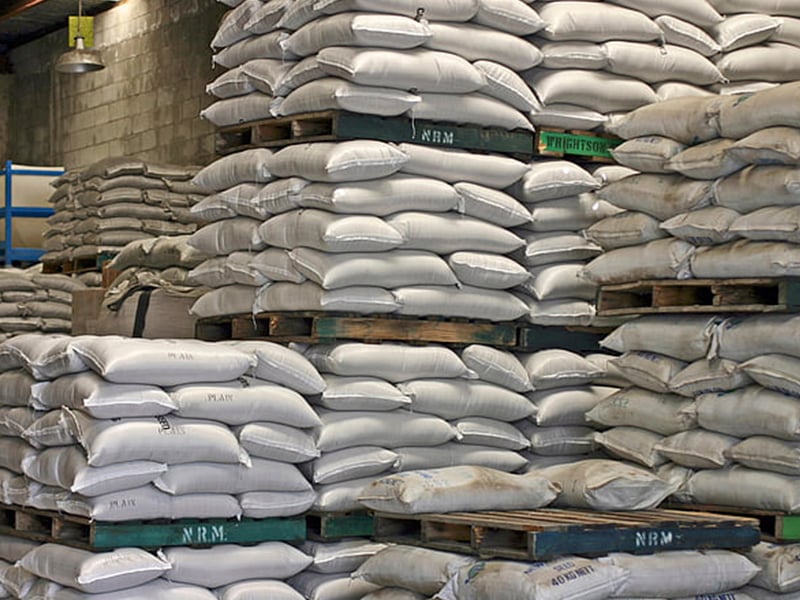
A well-designed heavy duty plastic pallet can provide high static and dynamic load capacities, but not every plastic pallet is a heavy duty model.
Similarly, wood pallets can be manufactured in different structures and load ratings.
When comparing plastic pallet load capacity, always distinguish between:
Static load
Dynamic load
Racking load
Static load refers to the weight the pallet can support while stationary.
Dynamic load refers to the weight supported while the pallet is being moved by a forklift or pallet jack.
Racking load refers to the capacity when the pallet is stored on warehouse racking.
This distinction is extremely important when selecting a pallet for heavy industrial applications.
Durability: Which Pallet Lasts Longer?
Durability is one of the strongest arguments for Heavy duty plastic pallets .
Plastic does not absorb water like wood and is not affected by moisture in the same way. It also does not develop splinters or loose nails during normal use.
Wood pallets can be strong and repairable, but repeated impacts, moisture exposure, nails, broken boards, and structural damage can eventually reduce their performance.
For high-frequency closed-loop logistics, heavy duty plastic pallets can provide a strong long-term solution.
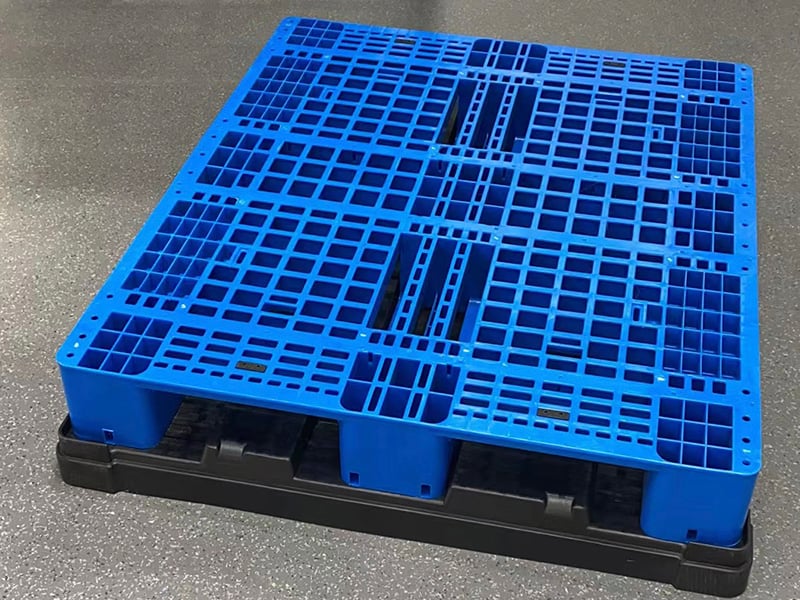
However, the actual service life depends on the pallet design, load, handling method, storage environment, and frequency of use.
Plastic Pallets vs Wood Pallets in Wet Environments
This is one area where the difference is particularly clear.
Wood absorbs moisture.
Prolonged exposure to water can contribute to swelling, warping, mold, and deterioration.
Plastic pallets do not absorb water, making them suitable for:
Cold storage
Seafood logistics
Food processing
Outdoor storage
Wet manufacturing environments
Agricultural applications
For businesses operating in humid or frequently wet environments, plastic pallets vs wood pallets may favor plastic because maintaining consistent pallet performance becomes easier.
Hygiene and Cleaning
Hygiene is another major consideration.
The smooth surfaces of plastic pallets can be washed and sanitized more easily than wooden pallets.
Plastic also does not contain exposed nails or splinters.
This makes plastic particularly attractive for:
Food processing
Pharmaceutical logistics
Seafood
Agriculture
Beverage production
Chemical handling
For applications where pallets must be cleaned frequently, heavy duty plastic pallets can reduce the practical difficulties associated with wooden pallets.
Are Plastic Pallets Better for Export?
For international transportation, plastic pallets offer an important logistical advantage.
Wood packaging used in international trade may need to meet ISPM 15 requirements, including treatment and marking. Plastic pallets are not wood packaging and therefore do not require ISPM 15 treatment.
This does not mean every destination has identical import requirements. Exporters should still verify the applicable regulations for the destination country and shipment.
For companies regularly shipping internationally, this can make plastic pallets for export an attractive option.
Repairability: An Advantage of Wood Pallets
Wood pallets have one major advantage that should not be ignored.
They are relatively easy to repair.
A damaged board can often be replaced instead of discarding the entire pallet.
By contrast, a damaged heavy duty plastic pallet generally cannot be repaired in the same simple way.
This means wood can be attractive when:
Pallet loss is high
One-way shipping is common
Repair facilities are readily available
Initial purchase cost is the main concern
The choice between plastic pallets vs wood pallets therefore depends heavily on the logistics model.
Which Pallet Is Better for Automated Warehouses?
Modern warehouses increasingly use:
Conveyors
Automated storage and retrieval systems
Robotic handling
Sorting systems
Automated palletizers
Automated guided vehicles
These systems depend heavily on consistent pallet dimensions.
Plastic pallets are manufactured with consistent dimensions and can be designed specifically for automated handling.
However, not every plastic pallet is automatically suitable for every automation system.
Before purchasing, confirm:
Pallet dimensions
Bottom structure
Fork entry
Conveyor compatibility
Racking requirements
Load capacity
Automation equipment specifications
Plastic Pallets vs Wood Pallets for Food Logistics
For food and beverage operations, heavy duty plastic pallets offer several practical benefits.
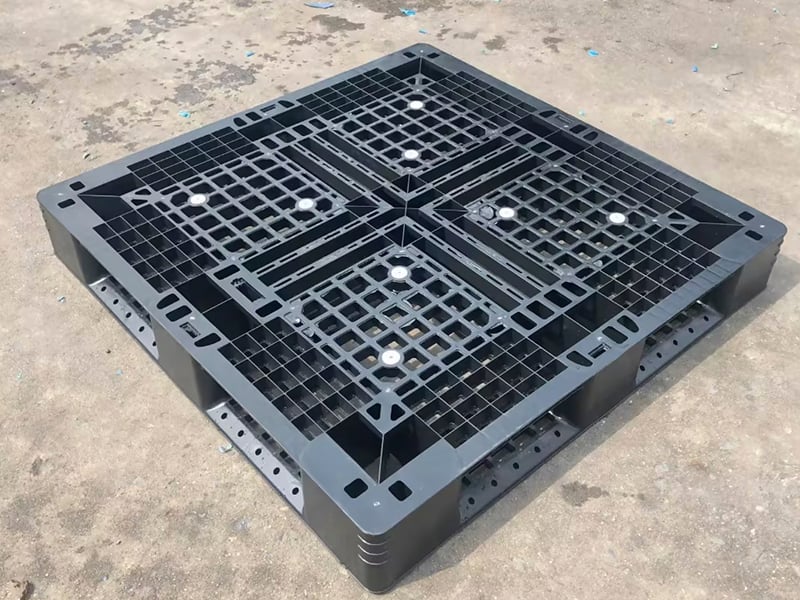
They are:
Easy to clean
Moisture resistant
Reusable
Free from splinters
Free from exposed nails
Suitable for repeated handling
Wood pallets can still be used successfully in many food supply chains, but plastic is often preferred where frequent washing and strict hygiene controls are required.
Which Is More Sustainable?
Sustainability is more complicated than simply asking whether plastic or wood is better.
Wood comes from a renewable biological resource and can be repaired, reused, and recycled into other products.
Plastic pallets can also be reused many times and, depending on the material and local recycling infrastructure, may be recyclable at the end of their service life.
For a fair comparison, consider the entire life cycle:
Manufacturing
Transportation
Number of uses
Repairs
Loss rate
End-of-life recycling
For a high-frequency closed-loop system, the long service life and repeated reuse of heavy duty plastic pallets can be an important sustainability factor.
When Should You Choose Heavy Duty Plastic Pallets?
Heavy duty plastic pallets are particularly suitable when you need:
Repeated pallet use
High load capacity
Moisture resistance
Easy cleaning
Consistent dimensions
Export transportation
Automated handling
Long-term warehouse operations
Closed-loop logistics
They are especially attractive when the pallet can be recovered and reused many times.
When Should You Choose Wood Pallets?
Wood pallets may be the better choice when:
The shipment is one-way
Initial cost is the main priority
Pallet recovery is difficult
Easy repair is important
The logistics system already relies heavily on wood pallets
The operating environment does not require frequent washing
In these situations, wood can remain a practical and economical solution.
Heavy Duty Plastic Pallets vs Wood Pallets: Which Is Better in 2026?
There is no universal winner in the heavy duty plastic pallets vs wood pallets comparison.
Choose heavy duty plastic pallets when your priority is:
Durability
Hygiene
Moisture resistance
Repeated use
Export logistics
Automation
Dimensional consistency
Choose wood pallets when your priority is:
Low initial cost
Easy repair
One-way transportation
High availability
Simple domestic logistics
The most important question is not simply "Which pallet is cheaper?"
Instead, ask:
Which pallet provides the lowest total cost and best performance for my actual supply chain?
For companies using pallets hundreds of times within a controlled logistics network, heavy duty plastic pallets can provide significant long-term value.
For one-way or low-frequency shipments, wood pallets may remain the more economical choice.
How to Choose the Right Heavy Duty Plastic Pallet
Before purchasing, evaluate:
Pallet dimensions
Static load capacity
Dynamic load capacity
Racking capacity
Forklift compatibility
Pallet jack compatibility
Warehouse environment
Temperature range
Export requirements
Automation compatibility
Expected number of reuse cycles
Choosing the correct structure is just as important as choosing plastic as the material.
Why Choose LinHui Plastics?
LinHui Plastics provides a wide range of plastic pallets for warehousing, transportation, manufacturing, export, food logistics, and other industrial applications.
Our pallet solutions include different dimensions and structural designs for different load requirements and handling environments.
Customization options can include:
Pallet dimensions
Color
Company logo
Identification marking
RFID solutions
Special structural requirements
For businesses comparing heavy duty plastic pallets vs wood pallets, our team can help recommend a suitable pallet structure based on your load, handling equipment, warehouse system, and application.
Conclusion
The decision between heavy duty plastic pallets vs wood pallets should be based on the complete logistics operation rather than purchase price alone.
Wood pallets remain an economical choice for many one-way and low-frequency applications. Heavy duty plastic pallets become increasingly attractive when durability, hygiene, moisture resistance, export transportation, automation, and repeated use are important.
Before making a purchase, compare the pallet's load capacity, expected service cycles, handling environment, maintenance requirements, and total cost of ownership.
The right pallet is the one that delivers reliable performance throughout your actual supply chain.
Contact Us
Email: [email protected]
Mobile: +86 18806120677
Website: https://www.linhuiplastics.com/
Table of Contents
- Heavy Duty Plastic Pallets vs Wood Pallets: Quick Comparison
- What Is a Heavy Duty Plastic Pallet?
- Initial Cost: Plastic Pallets vs Wood Pallets
- Which Pallet Has Better Load Capacity?
- Durability: Which Pallet Lasts Longer?
- Plastic Pallets vs Wood Pallets in Wet Environments
- Hygiene and Cleaning
- Are Plastic Pallets Better for Export?
- Repairability: An Advantage of Wood Pallets
- Which Pallet Is Better for Automated Warehouses?
- Plastic Pallets vs Wood Pallets for Food Logistics
- Which Is More Sustainable?
- When Should You Choose Heavy Duty Plastic Pallets?
- When Should You Choose Wood Pallets?
- Heavy Duty Plastic Pallets vs Wood Pallets: Which Is Better in 2026?
- How to Choose the Right Heavy Duty Plastic Pallet
- Why Choose LinHui Plastics?
- Conclusion
- Contact Us