
 EN
EN
 AR
AR CS
CS DA
DA NL
NL FI
FI FR
FR DE
DE EL
EL HI
HI IT
IT JA
JA KO
KO NO
NO PL
PL PT
PT RU
RU ES
ES SV
SV TL
TL ID
ID SR
SR UK
UK VI
VI SQ
SQ HU
HU TH
TH TR
TR MS
MS IS
IS BN
BN LO
LO MN
MN NE
NE MY
MY UZ
UZ KY
KY


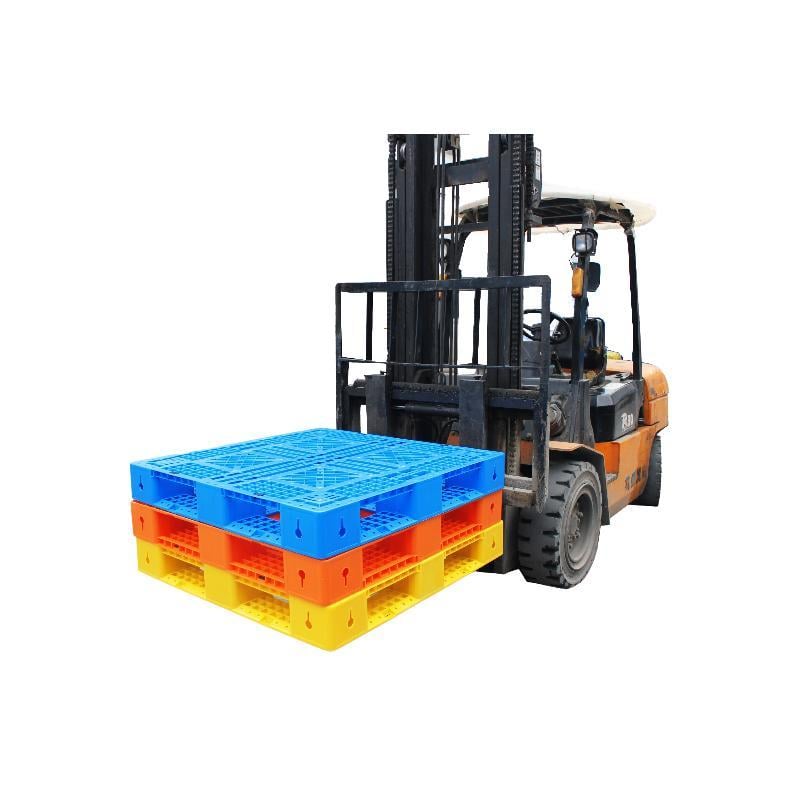 Plastic Pallets
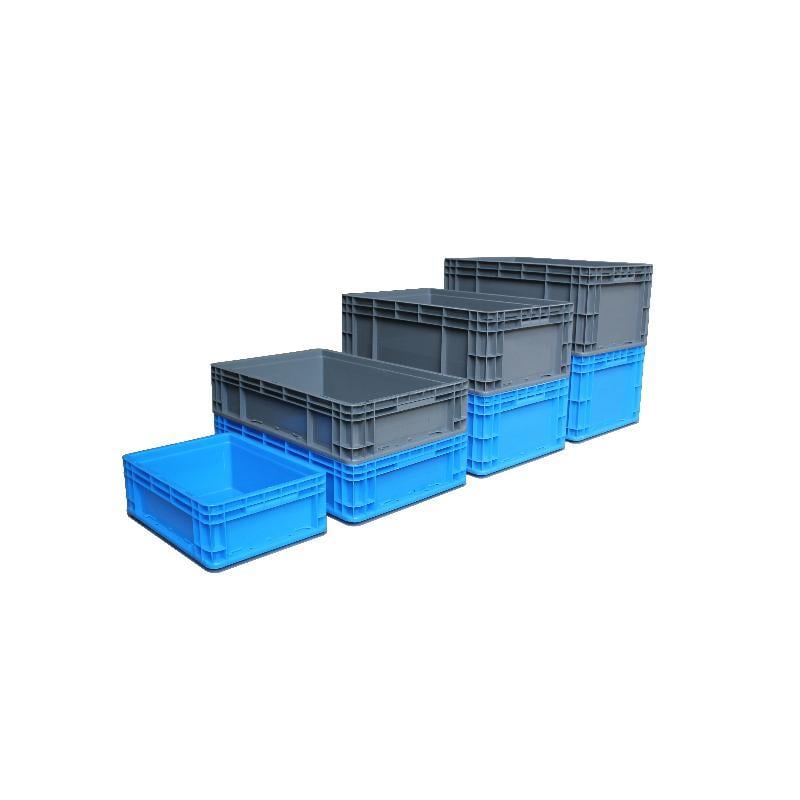 Logistics Box
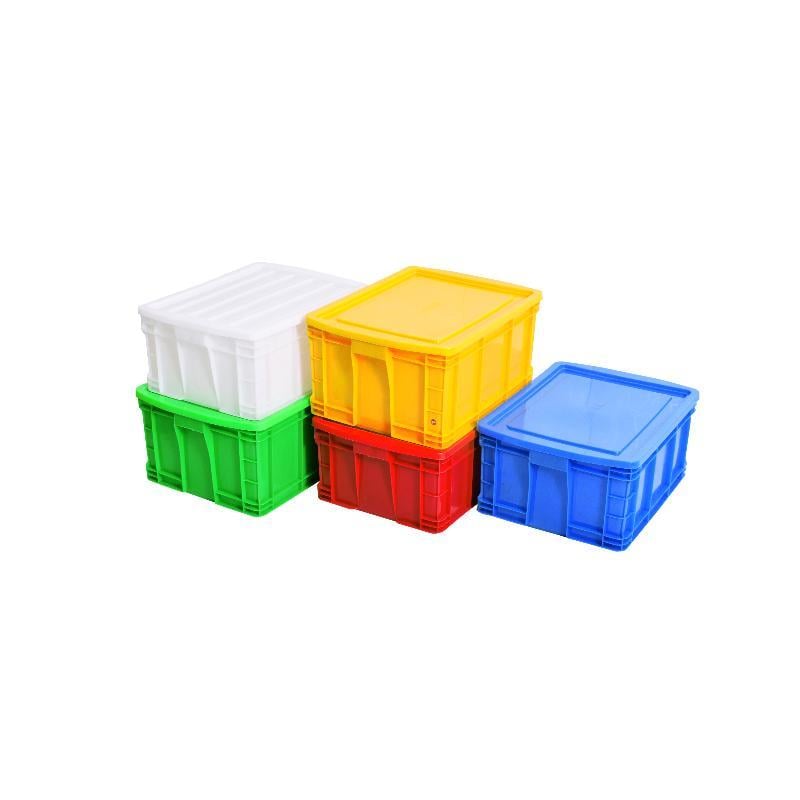 Plastic Crates
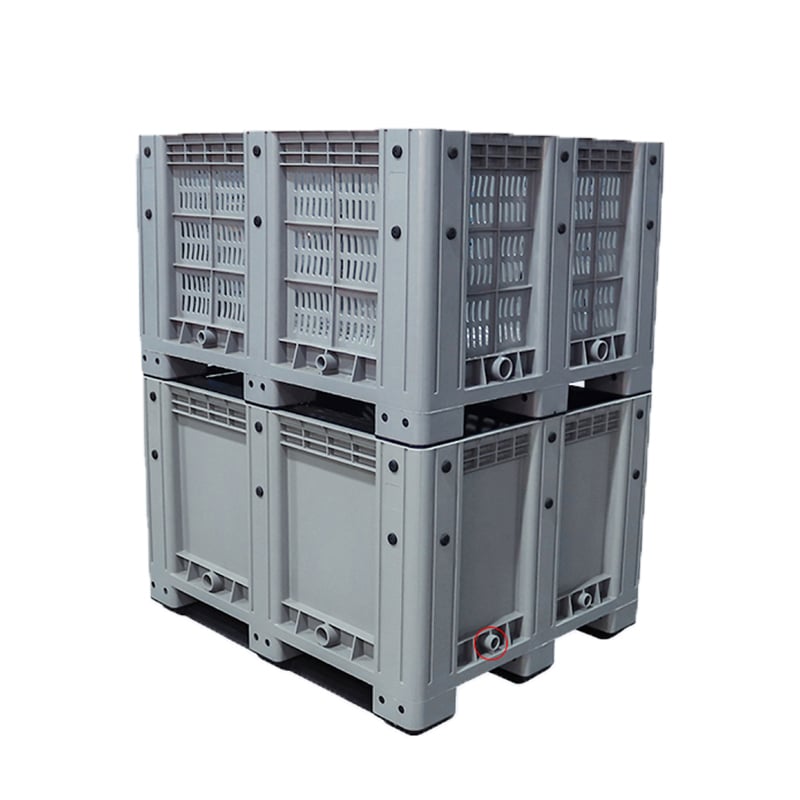 Bulk Containers
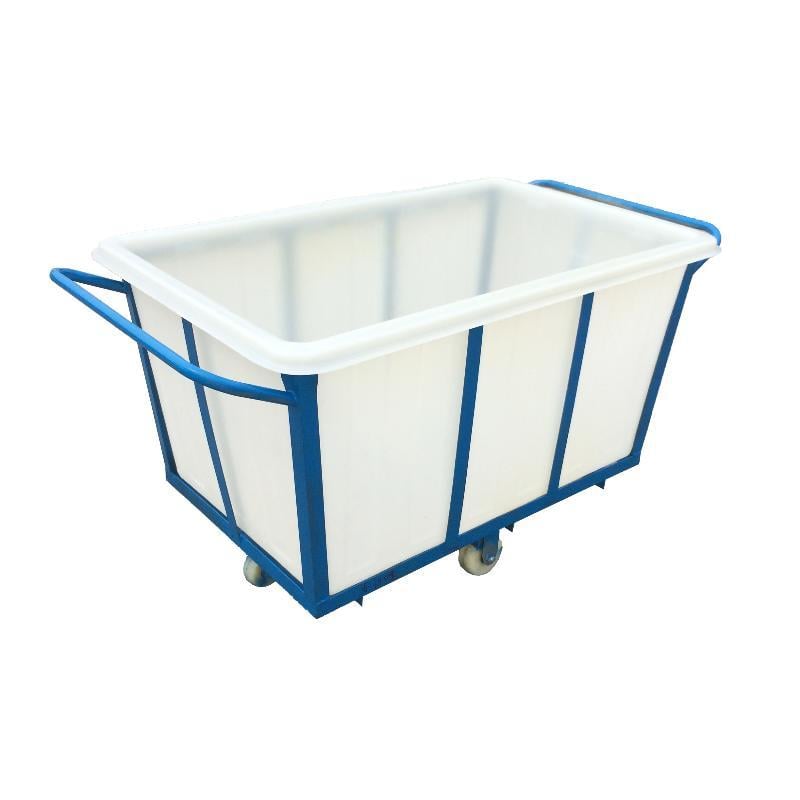 Trolly Cart
 Waste Bins
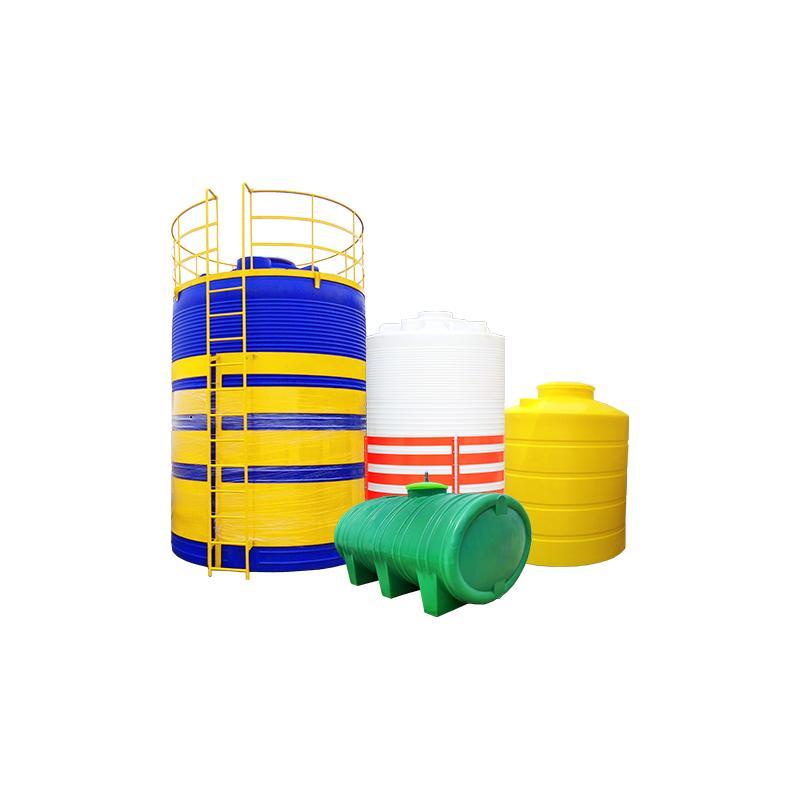 liquid storage containers
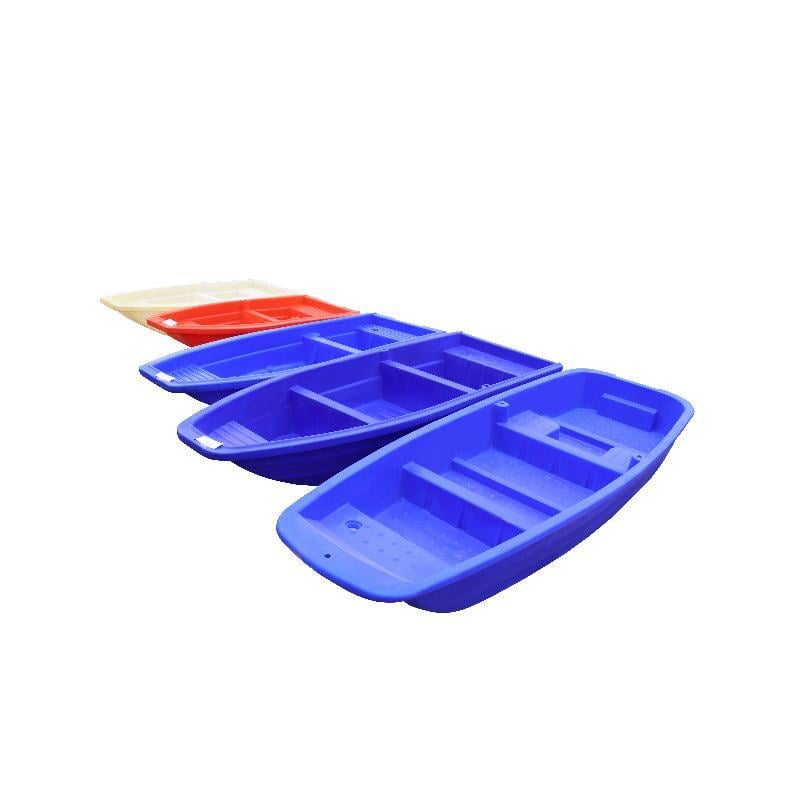 Boat &Aquatic products
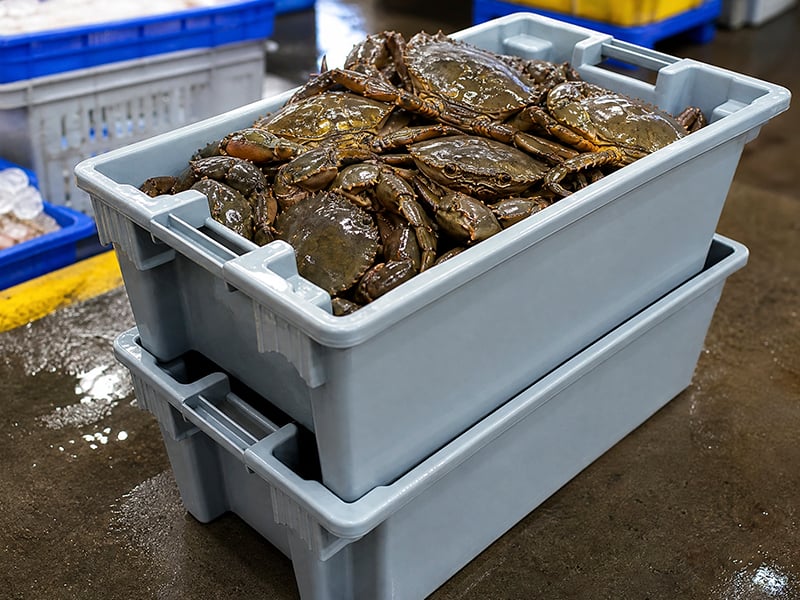
Live crab handling requires more than a standard storage box. During fishing, aquaculture, processing, distribution, and export transportation, crabs need containers that provide sufficient ventilation, drainage, protection, and stable stacking.
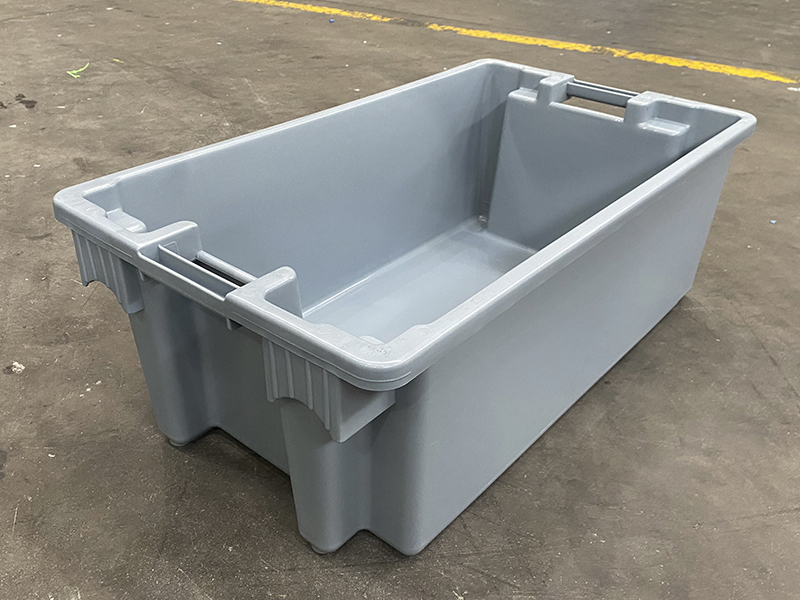
Crab crates are designed specifically for these demanding seafood logistics applications. A well-designed crate can help improve handling efficiency while protecting live crabs during transportation and temporary storage.
This guide explains what to look for when choosing crab crates and how different features can affect seafood handling efficiency.
What Are Crab Crates?
Crab crates are reusable containers designed for storing, handling, and transporting live or fresh crabs.
They are commonly used by:
Crab fishermen
Seafood processors
Aquaculture farms
Seafood wholesalers
Distribution centers
Cold chain logistics companies
Exporters
Unlike ordinary plastic boxes, crab crates are designed around the specific requirements of seafood handling.
Ventilation, drainage, stacking stability, durability, and easy cleaning are particularly important.
Why Are Crab Crates Important for Live Crab Transport?
Live crabs can be vulnerable to heat, poor ventilation, excessive movement, and unsuitable storage conditions.
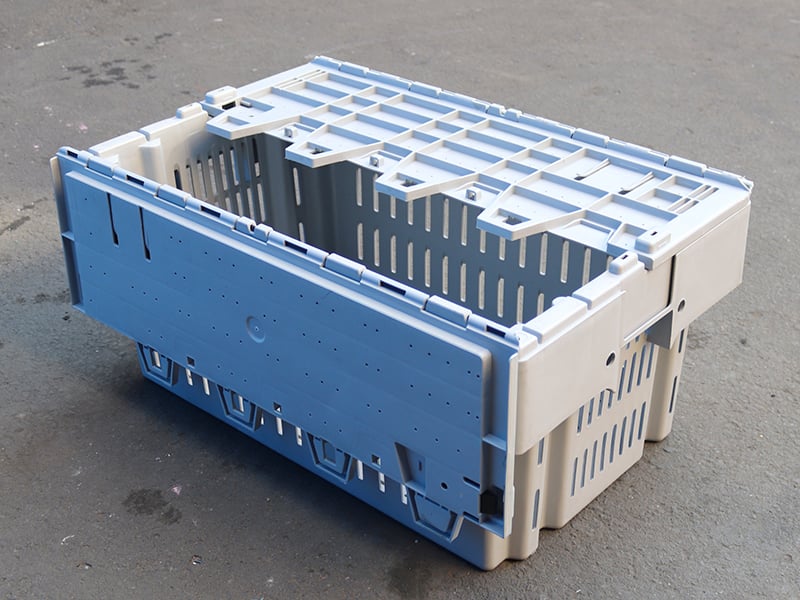
Using appropriate live Crab crates can help create a more controlled environment during transportation.
The right crate should provide:
Adequate ventilation
Stable stacking
Good drainage
Sufficient internal space
Smooth surfaces
Strong structural support
Easy handling
These features can make seafood transportation more efficient and reduce unnecessary handling problems.
Key Features to Look for in Crab Crates
Ventilation
Ventilation is one of the most important features of crab crates.
Airflow through the sides or base of the crate can help improve circulation when multiple crates are stacked.
For live seafood transportation, proper ventilation is especially important when containers are kept together for extended periods.
Drainage
Water and melted ice can accumulate during seafood transportation.
A suitable drainage design allows excess water to leave the crab crates, helping prevent prolonged standing water inside the container.
Good drainage can also make cleaning after use easier.
Stackable Design
Stackable crab crates help seafood businesses make better use of warehouse and vehicle space.
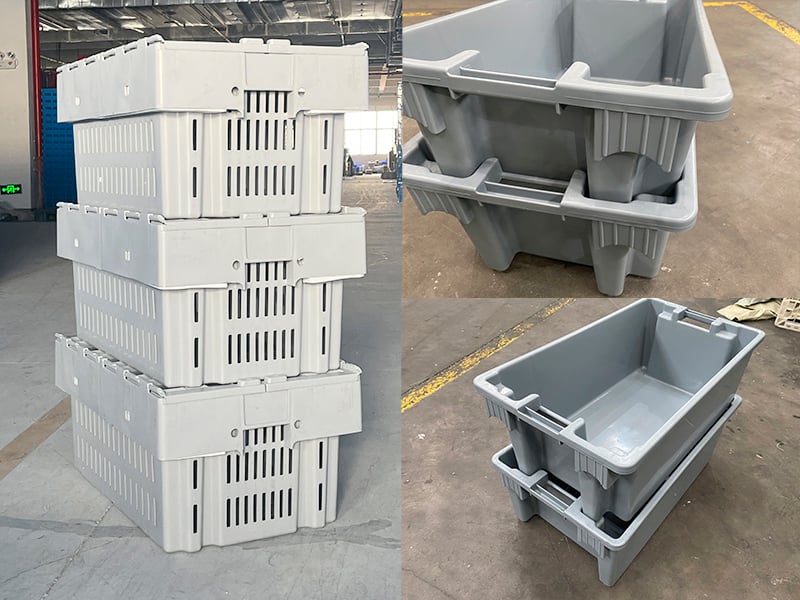
A stable stacking structure can prevent containers from shifting during transportation.
For commercial seafood logistics, stackability is particularly important because hundreds of crates may be handled at the same time.
Durable Construction
Seafood containers are frequently exposed to:
Water
Salt
Ice
Low temperatures
Forklift handling
Repeated loading and unloading
Therefore, plastic crab crates should have sufficient structural strength for repeated commercial use.
Smooth Interior Surfaces
Smooth internal surfaces are useful when handling live seafood.
They can reduce areas where dirt and seafood residue can accumulate and make the crab crates easier to wash and sanitize after use.
Plastic Crab Crates for Seafood Logistics
Plastic crab crates are widely used in seafood logistics because plastic offers several practical advantages.
Compared with disposable packaging, reusable plastic crates can be used repeatedly throughout the supply chain.
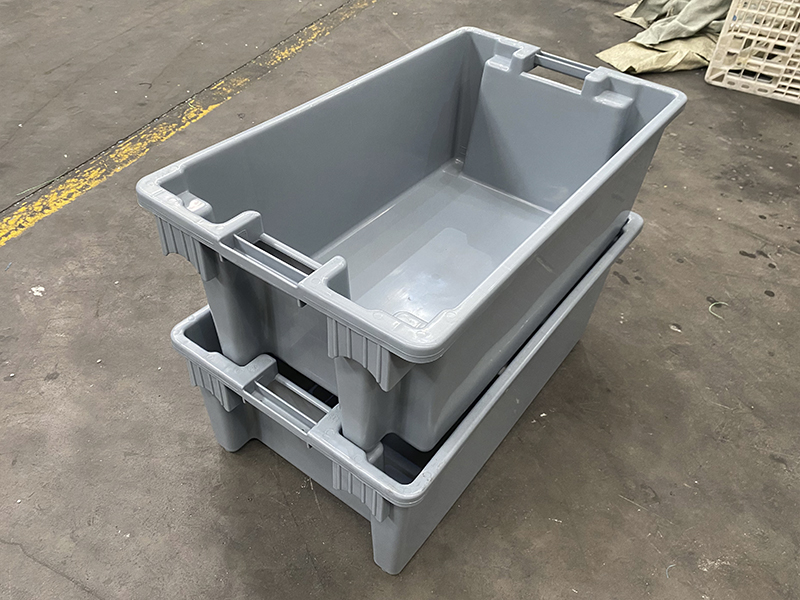
Plastic crates can provide:
Water resistance
Corrosion resistance
Impact resistance
Easy cleaning
Long service life
Reusable transportation
These characteristics make plastic crab crates suitable for demanding seafood operations.
Crab Crates for Live Seafood
When choosing live crab crates, the requirements can differ from those for frozen or processed seafood.
For live crabs, consider:
Ventilation
Temperature management
Drainage
Crate dimensions
Stacking method
Loading density
Handling time
The container should provide enough space for the intended application without unnecessarily wasting transportation space.
Crab Crates for Cold Chain Transportation
Cold chain logistics plays an important role in seafood distribution.
Crab crates used in refrigerated transportation should be able to withstand low temperatures while maintaining their structural integrity.
Important considerations include:
Low-temperature impact resistance
Stable stacking
Easy cleaning
Compatibility with ice or refrigerated transport
Resistance to moisture
For seafood businesses transporting crabs over long distances, selecting the appropriate container can help improve logistics efficiency.
How to Choose the Right Size of Crab Crate
There is no single ideal size for every seafood business.
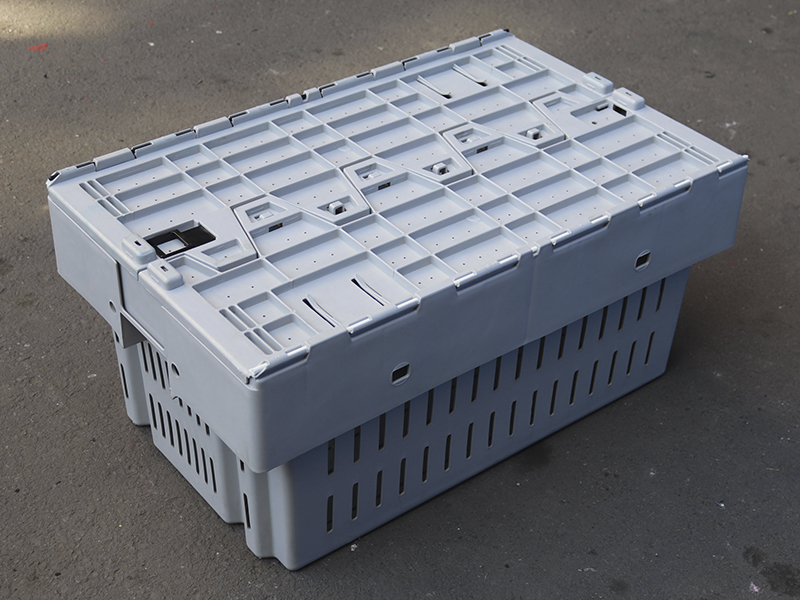
When selecting crab crates, consider:
Type and size of crab
Quantity transported per crate
Vehicle dimensions
Storage space
Pallet dimensions
Stacking height
Manual handling requirements
For export operations, standardized crate dimensions can also help improve container loading and warehouse organization.
Are Stackable Crab Crates Better?
For commercial seafood logistics, stackable crab crates can provide significant advantages.
When empty, some crate designs can also be nested or efficiently stored to reduce the space required for return transportation.
When full, stable stacking can help:
Improve vehicle utilization
Reduce movement during transportation
Optimize warehouse space
Simplify inventory handling
Improve loading efficiency
For companies managing large volumes of seafood, these benefits can have a significant impact on overall logistics costs.
How to Clean and Maintain Crab Crates
Seafood containers should be cleaned regularly to maintain proper hygiene.
After use, crab crates should be:
Emptied completely
Rinsed with appropriate water
Cleaned to remove seafood residue
Inspected for damage
Properly dried or stored
Smooth plastic surfaces make this process easier and help support repeated use.
Crab Crates for Seafood Export
For international seafood transportation, crab crates need to withstand repeated handling throughout the supply chain.
Export applications may involve:
Fishing vessels
Seafood processing facilities
Cold storage
Trucking
Port handling
International transportation
Wholesale distribution
Durable crab transport crates can help maintain consistent handling conditions from the point of collection to the final destination.
Why Choose LinHui Plastics for Crab Crates?
LinHui Plastics manufactures reusable plastic containers for seafood handling and logistics applications.
Our product solutions can be customized according to customer requirements, including:
Crate dimensions
Colors
Drainage design
Ventilation design
Stacking structure
Logo and identification
For customers looking for Crab crates , seafood containers, fish boxes, or customized plastic logistics products, we can develop solutions according to the intended application and transportation requirements.
Frequently Asked Questions
What are crab crates used for?
Crab crates are used for storing, handling, and transporting live or fresh crabs during fishing, aquaculture, processing, distribution, and seafood logistics.
What is the best material for crab crates?
Plastic is a popular choice because it offers durability, water resistance, corrosion resistance, and easy cleaning. High-quality plastic crab crates are suitable for repeated commercial use.
Should crab crates have ventilation holes?
Ventilation can be important for live seafood transportation. The appropriate ventilation design depends on the crab species, transportation conditions, loading density, and duration.
Can crab crates be stacked?
Yes. Stackable crab crates are commonly used in commercial seafood logistics to improve storage and transportation efficiency.
How do you clean plastic crab crates?
Plastic crates should be emptied, rinsed, cleaned to remove seafood residue, inspected, and properly stored after use. Cleaning requirements should follow the hygiene procedures of the specific seafood operation.
Conclusion
Choosing the right crab crates can make a significant difference in seafood handling and transportation efficiency.
For live crab logistics, focus on ventilation, drainage, stacking stability, durability, internal space, and ease of cleaning. For commercial and export operations, reusable plastic crab crates can provide a practical solution for repeated handling throughout the seafood supply chain.
A well-designed crab crate is not simply a container. It is an important part of the seafood logistics system, helping businesses improve handling efficiency while protecting valuable seafood products.
Contact Us
Email: [email protected]
Mobile: +86 18806120677
Website: https://www.linhuiplastics.com/
Table of Contents
- What Are Crab Crates?
- Why Are Crab Crates Important for Live Crab Transport?
- Key Features to Look for in Crab Crates
- Plastic Crab Crates for Seafood Logistics
- Crab Crates for Live Seafood
- Crab Crates for Cold Chain Transportation
- How to Choose the Right Size of Crab Crate
- Are Stackable Crab Crates Better?
- How to Clean and Maintain Crab Crates
- Crab Crates for Seafood Export
- Why Choose LinHui Plastics for Crab Crates?
- Frequently Asked Questions
- Conclusion