
 EN
 AR
 CS
 DA
 NL
 FI
 FR
 DE
 EL
 HI
 IT
 JA
 KO
 NO
 PL
 PT
 RU
 ES
 SV
 TL
 ID
 SR
 UK
 VI
 SQ
 HU
 TH
 TR
 MS
 IS
 BN
 LO
 MN
 NE
 MY
 UZ
 KY


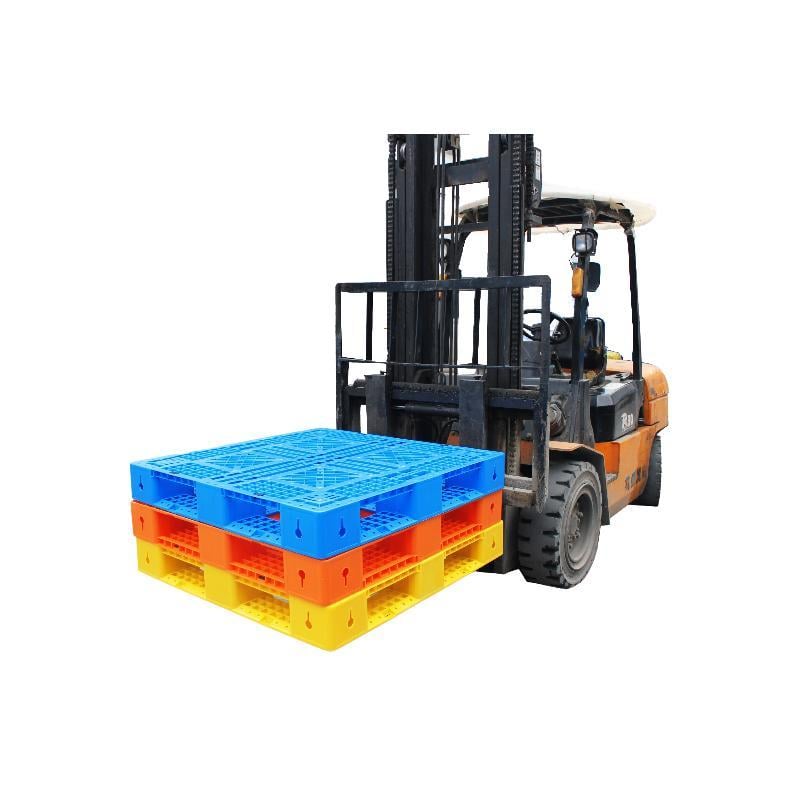 Plastic Pallets
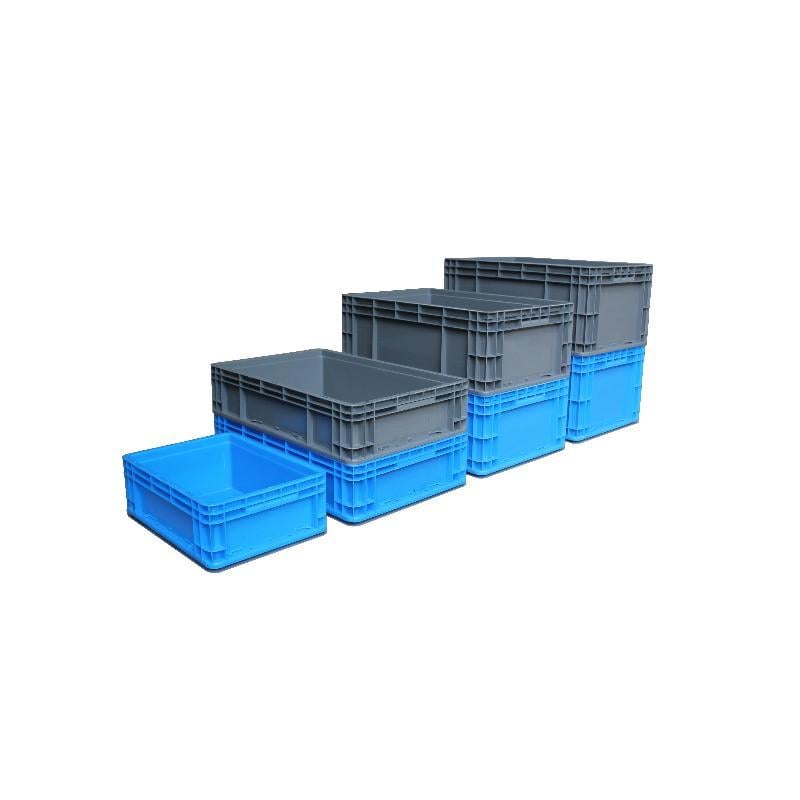 Logistics Box
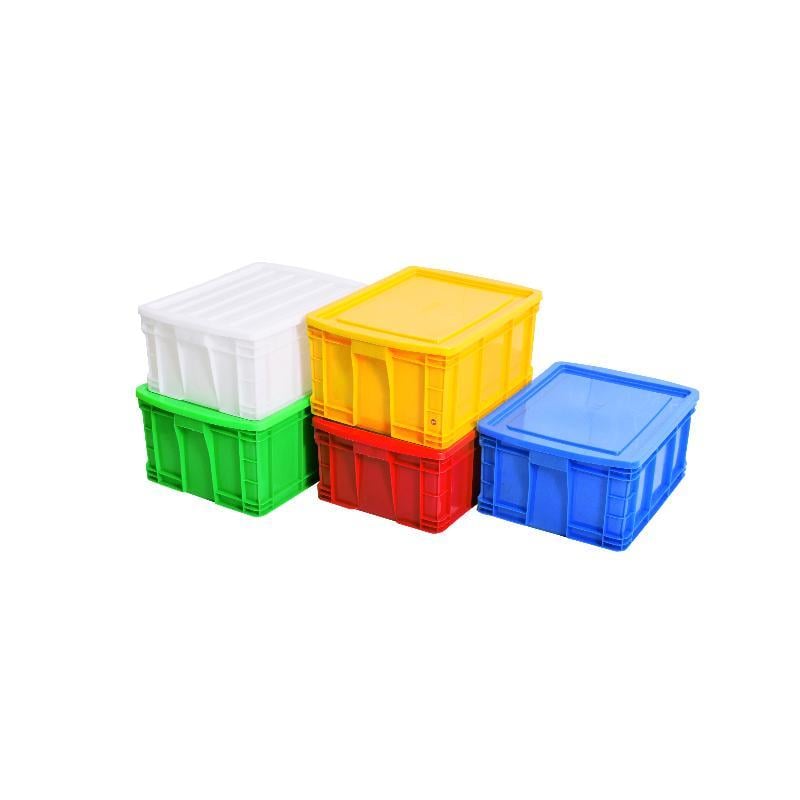 Plastic Crates
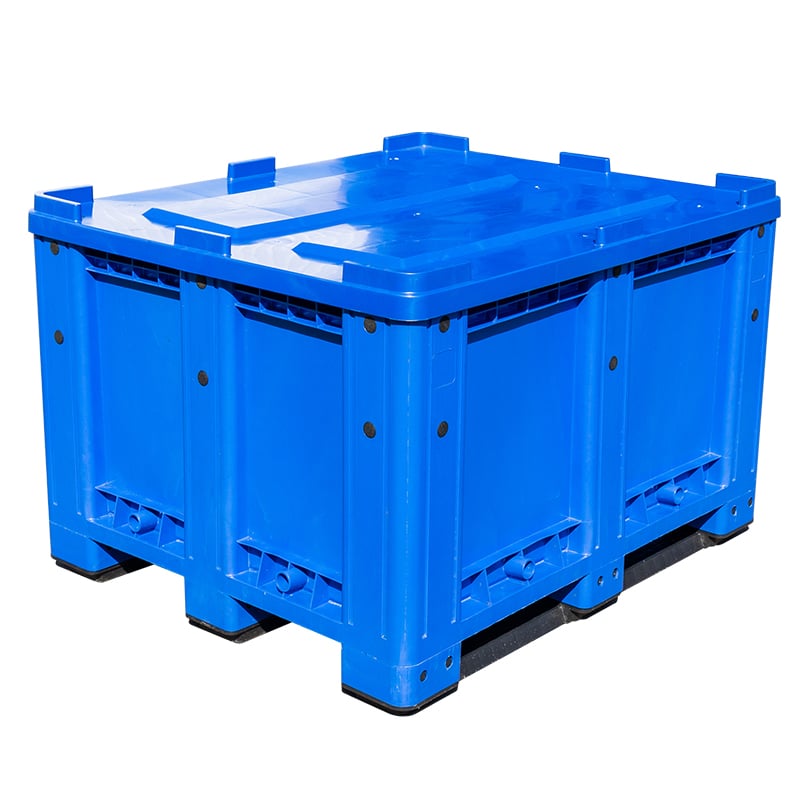 Bulk Containers
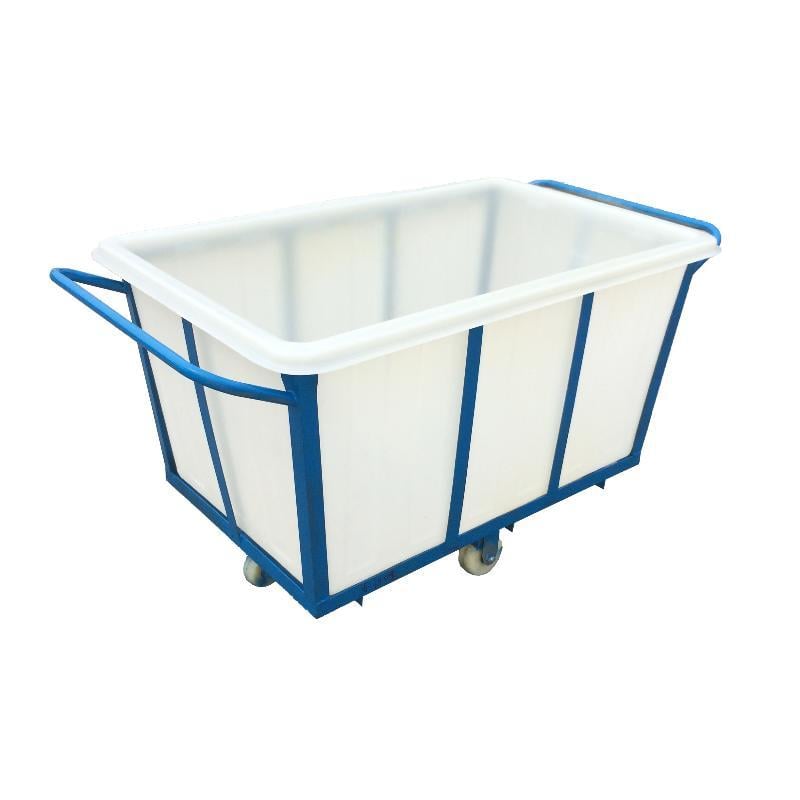 Trolley Cart
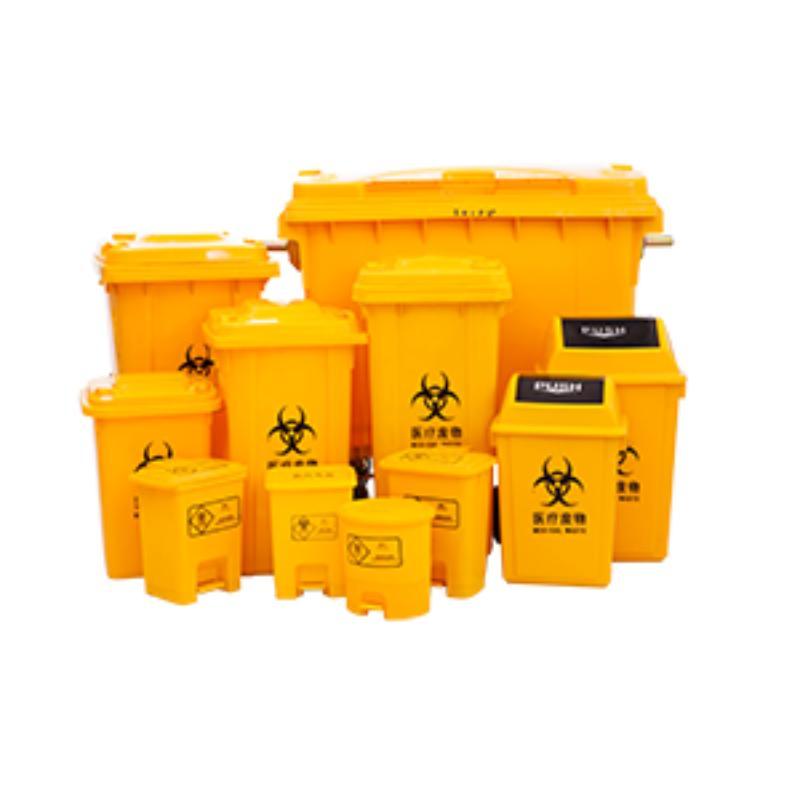 Waste Bins
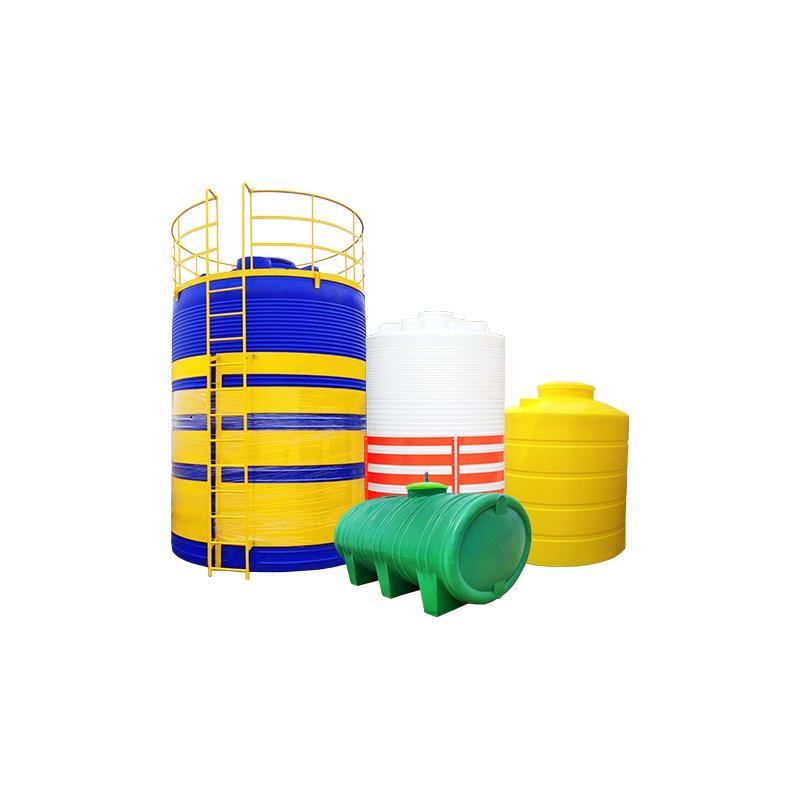 liquid storage containers
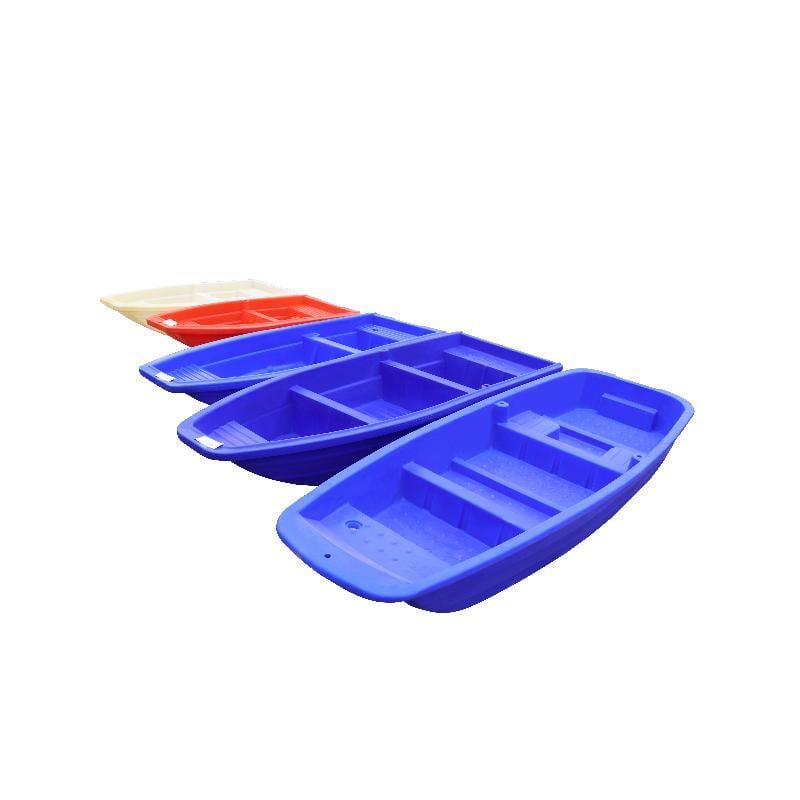 Plastic Aquaculture Products & Boat

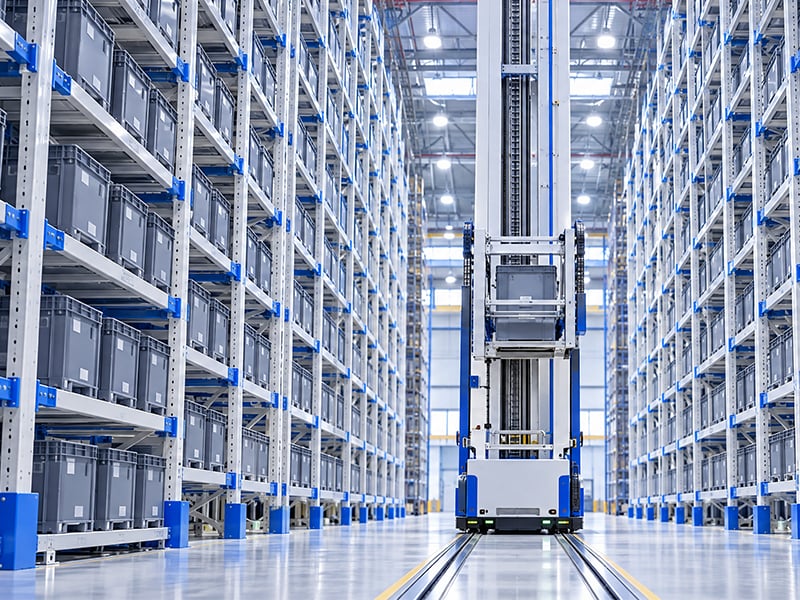
ASRS Containers: How to Specify Bins for Automated Storage Systems
Automated storage and retrieval systems are spreading fast — miniload cranes, shuttle systems, cube-storage grids and vertical lift modules are being installed to fight labour costs and land constraints. Most of the purchasing attention goes to the robots and the software. The quiet dependency is the container layer: an automated system performs exactly as well as the ASRS containers cycling through it. A bin that works on a manual shelf can stall an entire aisle in a rack system. This guide sets out what changes when a container is specified for automated storage instead of manual handling — envelope and tolerance, base flatness, footprint and scanning interfaces, high-cycle fatigue — and how to validate the choice before a serial order is placed.
Why ASRS Containers Are Not Ordinary Stacking Bins
The difference is mechanical exposure. In a manual warehouse, a slightly warped bin is an annoyance. In an automated system, the same bin is handled by shuttles, cranes, conveyors and grippers that were designed around a nominal envelope, with no human in the loop to nudge it into place. Containers move more often, at higher speed, with tighter clearances, and a single deformed unit can block a storage channel and stop throughput for everything behind it.
Cycle counts tell the same story. A container in manual circulation might be handled a few dozen times a day; in a goods-to-person system the same container may be retrieved and returned hundreds of times daily, every day. Handling events that are rare in a manual warehouse become constant in an automated one, and every design weakness — a soft base, a proud seam, a label that peels — is multiplied by that frequency. Specifying ASRS containers is therefore not about finding a better stacking bin; it is about engineering a component for a machine environment.
The Envelope Comes First: Dimensions and Tolerances
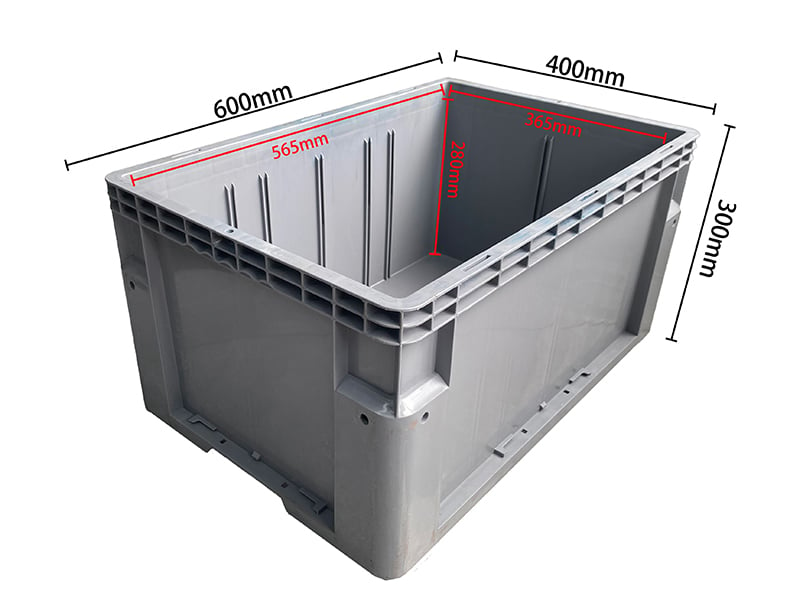
Automated systems are built around a nominal container size. Storage channel height, gripper opening, conveyor width and picking-station geometry all derive from the container envelope, which is why system vendors ask for the container specification before they finalise the layout — and why standardized logistics containers have become the baseline expectation in automated facilities. The envelope is not just length, width and height: it includes lid protrusions, handle overhangs, label holders and anything else that sticks out beyond the nominal box.
Clearances in these systems are measured in millimetres. A container that grows — through manufacturing variation, through load-induced bulge, or through creep over years of service — can stop fitting the grid it was bought for. This is why buyers should request dimensional drawings with stated tolerances rather than catalogue dimensions, and why consistency across a batch matters as much as the nominal figure: a rack column holds many containers, and tolerance deviations accumulate across a stacked or stored group. When evaluating ASRS containers, the relevant question is not whether the size is right on paper, but whether every unit produced will stay inside the envelope for the life of the programme.
Base Flatness and Deflection Under Load
The base is the most stressed surface on an ASRS container. Shuttle systems and miniload cranes grip or support the container from below; conveyors run it on rollers that assume a flat bearing surface. A base that deflects under payload — the common "bottom sag" of lightly ribbed bins — causes rocking, misalignment and jams at cycle speed. The same principle applies at bin scale in goods-to-person zones, which is why CTU containers for automated warehouses are built around a reinforced base structure.
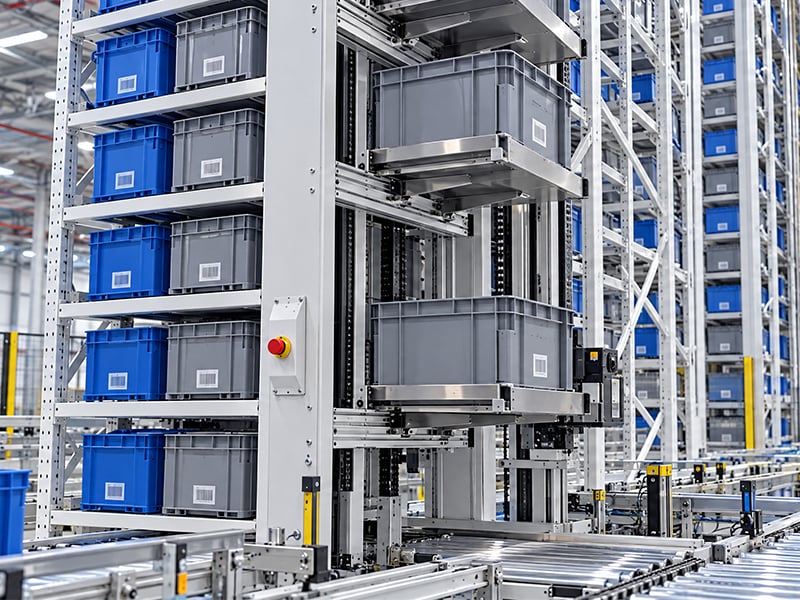
What to look at when comparing containers: the rib or double-wall structure under the base, the flatness stated in the drawing, and the behaviour at maximum payload rather than empty. A container that is flat when empty but bows when loaded with dense goods will fail precisely in the condition it was bought for. Base rigidity should be confirmed against the actual unit load — the densest goods the container will carry — not against a generic stacking figure. This is also the point where the handling interface gets checked: grip edges, support rails and conveyor contact surfaces must match the system's mechanical modules, and the supplier should confirm those interfaces in writing before production.
Footprints, Label Windows and Scanning Interfaces
Many automated systems accept a small set of standard footprints, and using a recognised footprint instead of a custom one widens equipment options and keeps spare containers interchangeable. Where a facility operates mixed equipment — a shuttle zone, a conveyor spur, a manual overflow area — a shared footprint lets the same container cross all zones without repacking at the boundary. Vehicles that move containers between zones impose their own interface requirements, covered in more detail in our AGV logistics box guide.
Identification is the other interface. The barcode or label on the container is what connects the physical bin to the inventory record, so ASRS containers need a dedicated label window: a flat, smooth, recessed panel positioned where the system's scanners expect it, protected from scuffing so reads stay reliable over years of cycling. A peeling or damaged label on a manual shelf costs seconds; in an automated system it creates an unread container the software cannot place, which is a support ticket. Buyers should agree label window position, size and surface finish with both the container supplier and the system integrator, and confirm how replacement labels are applied without leaving residue that interferes with scanning.
High-Cycle Fatigue: What Repetitive Handling Does to a Container
Materials that survive gentle manual handling can fail under automation. Repetitive acceleration, deceleration, vibration and mechanical grip create fatigue that shows up as cracking at corners and hinge points, creep in load-bearing walls, and gradual loss of the flatness the system depends on. Temperature matters too: containers running in unheated halls or cold zones need material that keeps its stiffness at the actual operating temperature, not at room conditions.
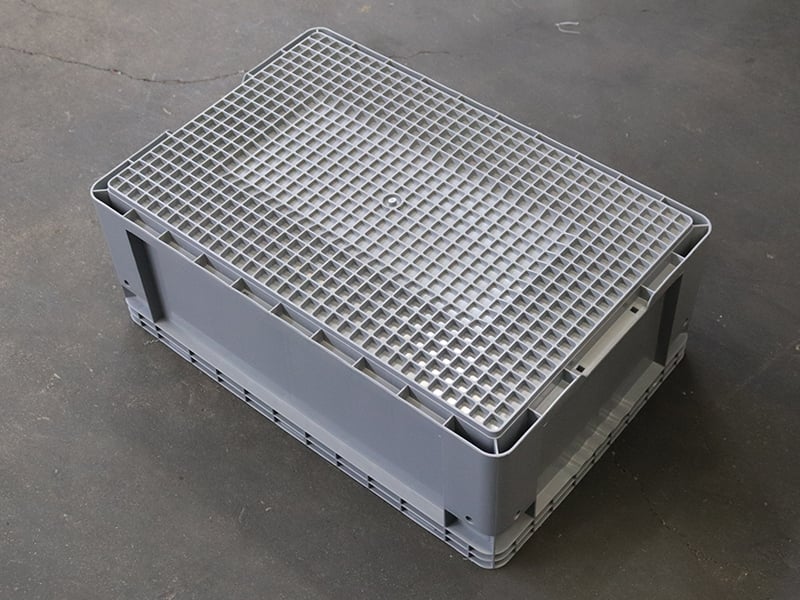
The practical implication for buyers is that service life in an automated programme should be discussed in cycles, not years. Ask how the container performs at the cycle volume the system will actually generate, what the failure modes look like as units age, and how worn containers are detected and retired before they block a channel. A container programme without an inspection and replacement plan will eventually be maintained by the system itself — in the worst possible way, through stoppages.
How to Validate ASRS Containers Before the Serial Order
Validation is the lowest-cost point in the project at which to catch an envelope error. The sequence that works: confirm the container specification with the system integrator, request drawings with tolerances rather than catalogue images, run a sample batch on the actual conveyor, shuttle or crane in the actual building, and only then place the serial order. Sample testing on real equipment surfaces the problems a datasheet never shows — a seam that catches a gripper, a label window the scanner reads unreliably, a base that rocks on the rails. For the bin-format end of the same decision, our CTU storage bin guide covers how the choice is made in practice.
The information set for that request is stable across projects: the automated system type and its mechanical interface requirements, the container envelope with tolerances, the maximum unit load and its density, the stack or storage configuration, the identification method and label window position, the operating temperature range, and the expected annual cycle volume per container. Suppliers who receive this specification can quote a container that fits the system; buyers who send only a size will get a quote for a standard bin and discover the differences after installation.
Frequently Asked Questions
Can standard stacking bins be used in an ASRS?
Sometimes, but it must be verified rather than assumed. Generic bins vary in tolerance, base flatness and consistency between batches, and none of that is visible in a catalogue. If standard bins are being considered, they should go through the same validation as purpose-built ASRS containers — sample batch, real equipment, full payload — before being committed to a system.
What tolerances do ASRS containers need to hold?
Tolerance requirements are set by the system, not by the container. Storage grid clearances and gripper mechanisms operate with millimetre-level clearances, so the allowable deviation comes from the system integrator's interface specification. Buyers should obtain that figure and require the container supplier to confirm compliance in the drawing, including consistency across production batches.
Why does base flatness matter so much?
Because the base is the interface every subsystem touches — shuttles support it, cranes grip it, conveyors roll on it. A base that deflects under load rocks, misaligns and jams at cycle speed. Flatness under maximum payload, not empty, is the figure to confirm.
How are ASRS containers identified by the system?
Most commonly through a barcode label in a dedicated window on the container, read by the system's scanners at defined points. The window must be flat, smooth and positioned where the scanners expect it. Label replacement should be possible without leaving residue that interferes with reads.
How long should an ASRS container last?
Service life is best measured in handling cycles rather than years, because automation multiplies handling frequency. The honest answer depends on the container design, the payload, the temperature and the cycle volume — which is why buyers should discuss expected cycle counts with suppliers and set up inspection and retirement intervals instead of waiting for failures.
Should the container be chosen before or after the automation system?
The envelope should be settled with the system specification, not after it. Equipment vendors ask for the container specification first because channel height, conveyor width and gripper design all derive from it. Choosing containers after the system is fixed usually forces custom tolerances or leaves throughput below design speed.
Key Takeaways
- ASRS containers are machine components, not upgraded stacking bins — every weakness is multiplied by the system's cycle frequency, and a single failed unit can stall an aisle.
- Confirm the envelope with stated tolerances and batch consistency, not catalogue dimensions; clearances in automated systems are measured in millimetres.
- Base flatness under maximum payload is the single most consequential property, because the base is the interface for shuttles, cranes and conveyors alike.
- A dedicated label window positioned for the system's scanners is what keeps containers readable and placeable for years of cycling.
- Validate with a sample batch on the real equipment before the serial order, and specify service life in cycles with an inspection and retirement plan.
Planning an automated storage project? Send us your system type, container envelope and unit load — we will propose ASRS-suitable containers with the interface details your integrator needs, and support sample validation before your serial order.
Contact Us
Email: [email protected]
Mobile: +86 13915871341
Website: https://www.linhuiplastics.com/
Table of Contents
- Why ASRS Containers Are Not Ordinary Stacking Bins
- The Envelope Comes First: Dimensions and Tolerances
- Base Flatness and Deflection Under Load
- Footprints, Label Windows and Scanning Interfaces
- High-Cycle Fatigue: What Repetitive Handling Does to a Container
- How to Validate ASRS Containers Before the Serial Order
- Frequently Asked Questions
- Key Takeaways
- Contact Us