
 EN
 AR
 CS
 DA
 NL
 FI
 FR
 DE
 EL
 HI
 IT
 JA
 KO
 NO
 PL
 PT
 RU
 ES
 SV
 TL
 ID
 SR
 UK
 VI
 SQ
 HU
 TH
 TR
 MS
 IS
 BN
 LO
 MN
 NE
 MY
 UZ
 KY


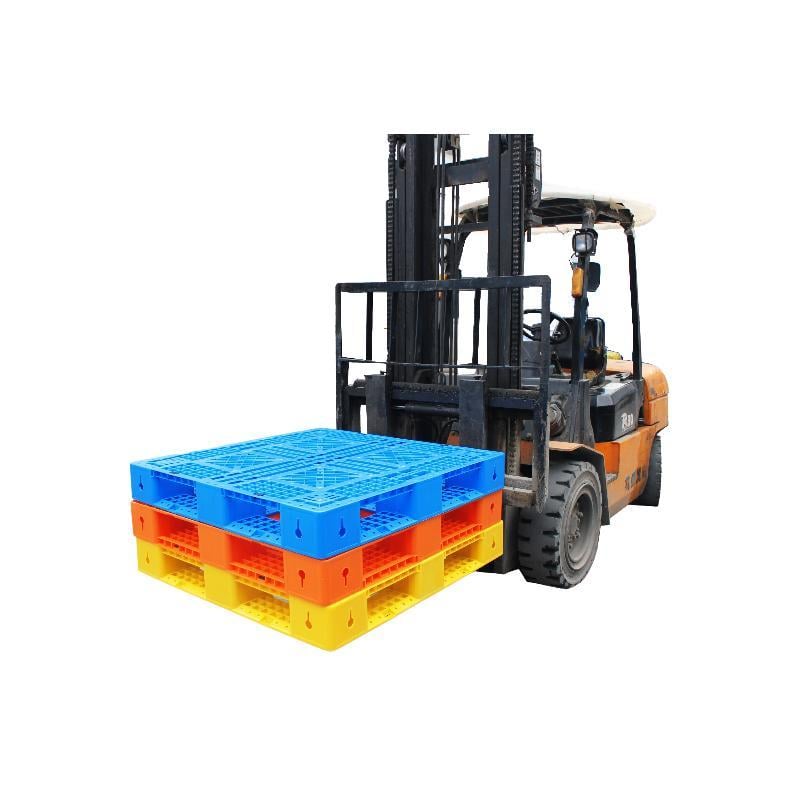 Plastic Pallets
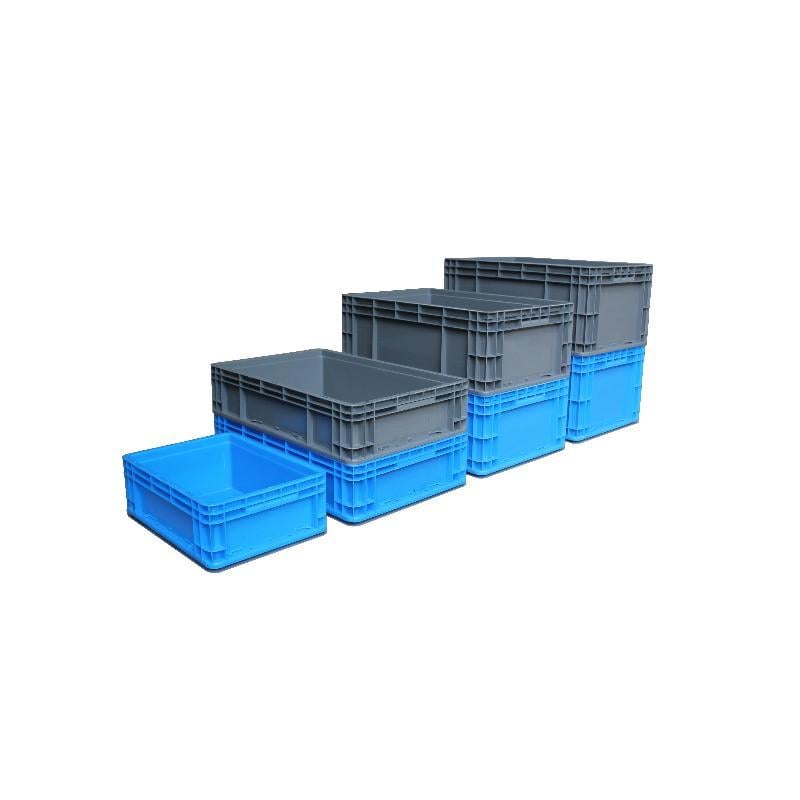 Logistics Box
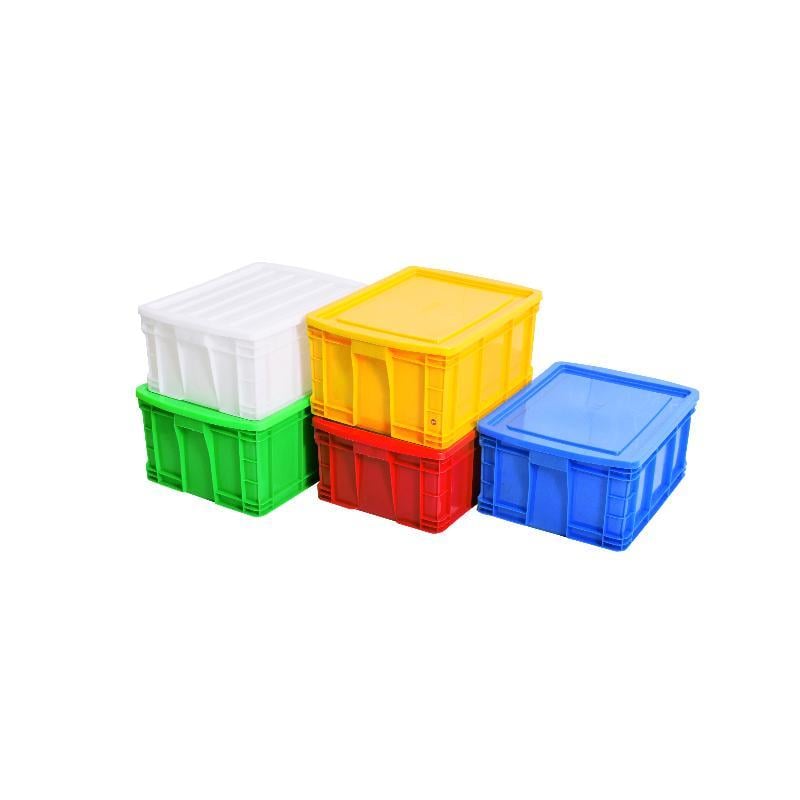 Plastic Crates
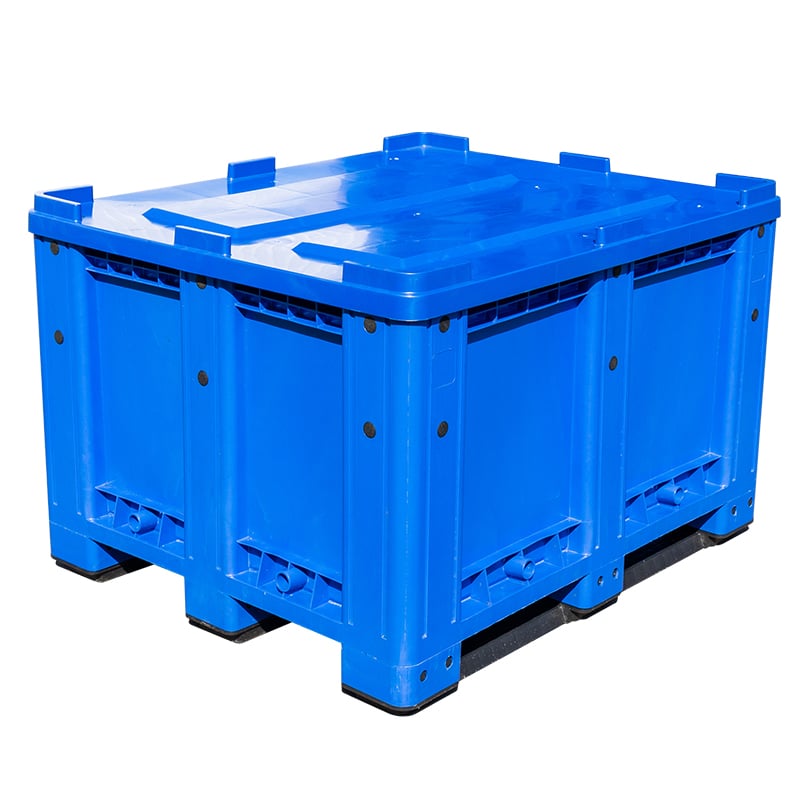 Bulk Containers
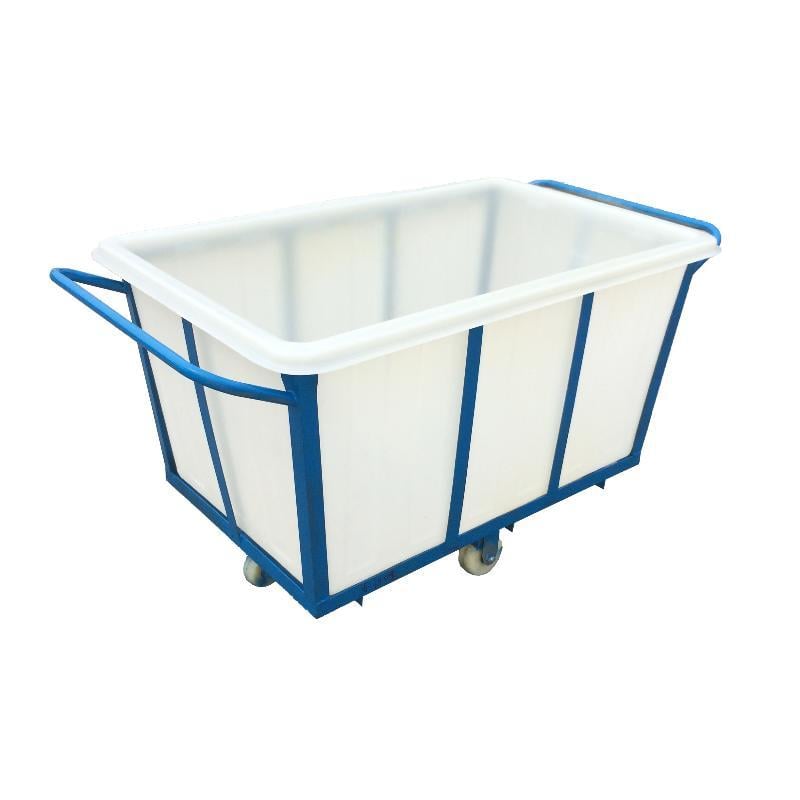 Trolley Cart
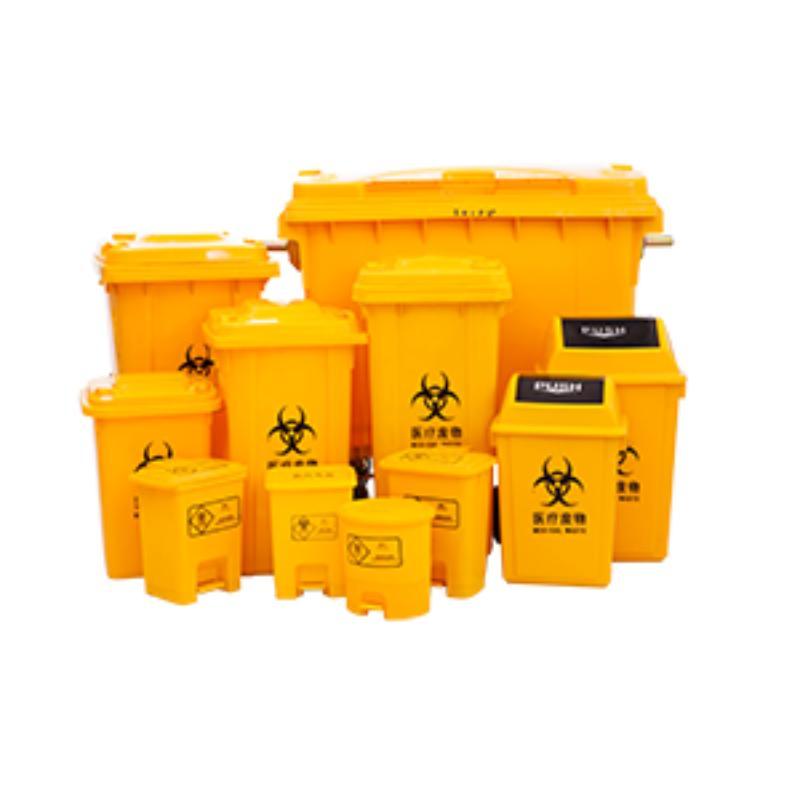 Waste Bins
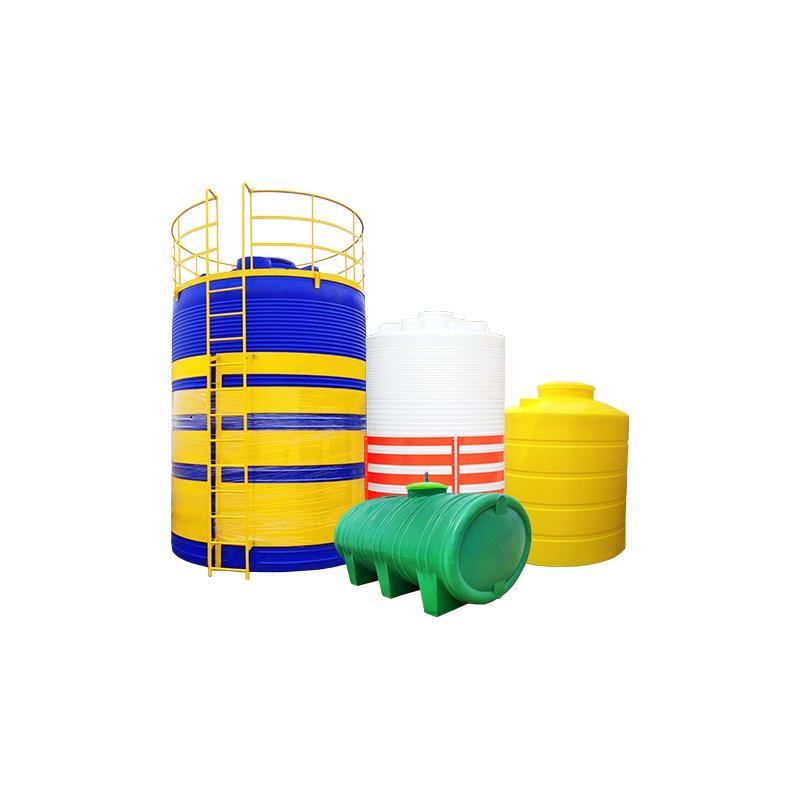 liquid storage containers
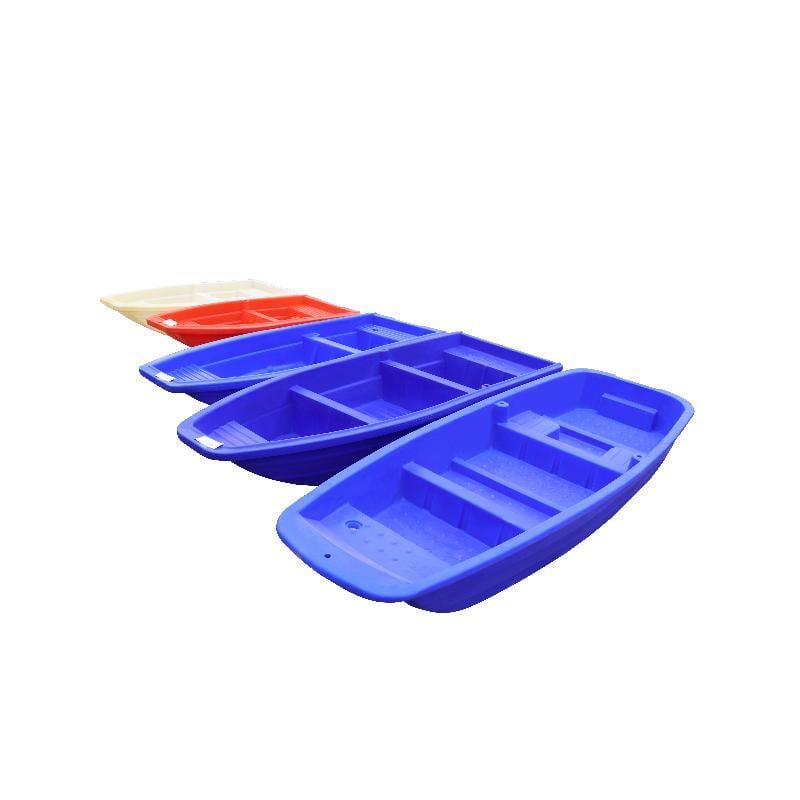 Plastic Aquaculture Products & Boat

Automated Warehouse Pallets and Nestable Plastic Totes: A Buyer's Guide to Hybrid Systems
More warehouses are running full-pallet storage and piece-picking in the same building, and that changes what buyers should order. This guide explains how automated warehouse pallets, RFID-enabled plastic pallets, CTU totes and nestable plastic totes work together in a hybrid system — and which specifications to confirm with your plastic pallet manufacturer before the racking drawings are locked.
What This Guide Covers
You will learn how a hybrid pharmaceutical warehouse splits into a full-pallet zone and a piece-picking zone, why automated warehouse pallets must be specified as engineered components rather than commodity purchases, how RFID-enabled plastic pallets support traceability, and how CTU totes and angled-nesting plastic totes support piece-picking operations. The perspective is practical: procurement and warehouse operations teams planning an automation upgrade.
Automated Warehouse Pallets: The Foundation of the Full-Pallet Zone
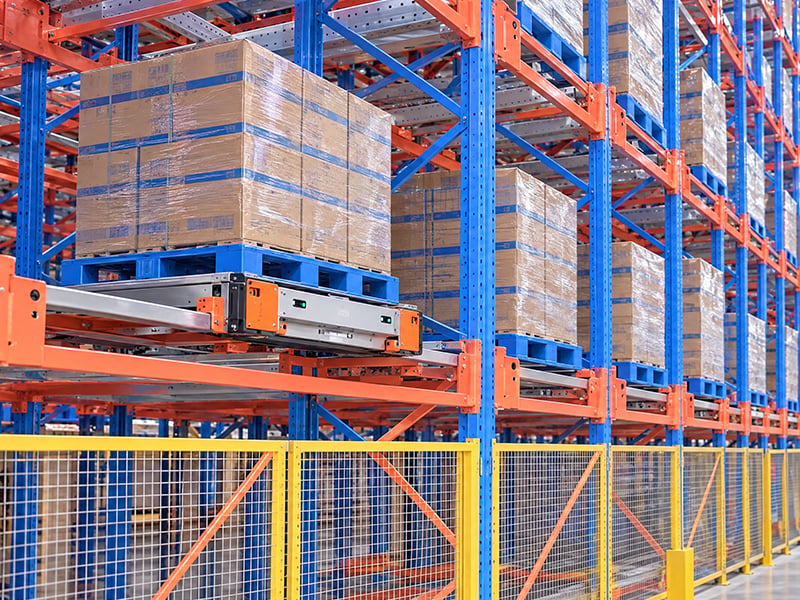
In a shuttle-based system, the pallet is the interface between goods, rack and machine. Published case studies of automated pharmaceutical warehouses in China show the pattern clearly: one documented configuration exceeds 2,700 pallet positions, served by four-way shuttles carrying 1200 x 1000 mm pallets with payloads around 800 kg. As automation investment keeps rising across pharmaceutical and food distribution, small dimensional variations that were tolerable in manual warehouses are no longer acceptable — shuttles, rack pitch and pallet tolerances must be matched as one system. Requesting consistent tolerances from your plastic pallet manufacturer early in the project costs far less than retrofitting pallets after the shuttles are installed.
Dimensions: Why 1200 x 1000 mm Is the Working Baseline
The pallet footprint must match the rack beam pitch and the shuttle's lifting geometry, and 1200 x 1000 mm is the common baseline for this class of system. Mixed pallet batches with loose tolerances are a frequent cause of shuttle stoppages, so dimensional consistency across the whole pallet population matters as much as the nominal size.
Loads: Know the Difference Between Static, Dynamic and Racking Load
Static load (stacked storage), dynamic load (moved by shuttle or forklift) and racking load (supported on rack beams) are three separate ratings. In a shuttle system, dynamic and racking performance matter most: a pallet that handles a static stack comfortably can still flex under beam support or at shuttle speed. Always obtain the three ratings separately and match them to the racking drawings.
Smart Pallets: RFID and Asset Traceability in Shuttle Systems
RFID tag or chip integration is available for plastic pallets, logistics boxes and turnover boxes, turning a standard load carrier into a smart pallet that reports its own identity at every shuttle and conveyor checkpoint. For pharmaceutical operations, this supports batch association and movement history without manual scanning — the traceability layer is built into the carrier itself. The purchasing consequence is straightforward: if your WMS depends on automated identity reads, RFID plastic pallets should be specified at order time, not added retrospectively.
CTU Totes and Nestable Plastic Totes for Goods-to-Person Picking
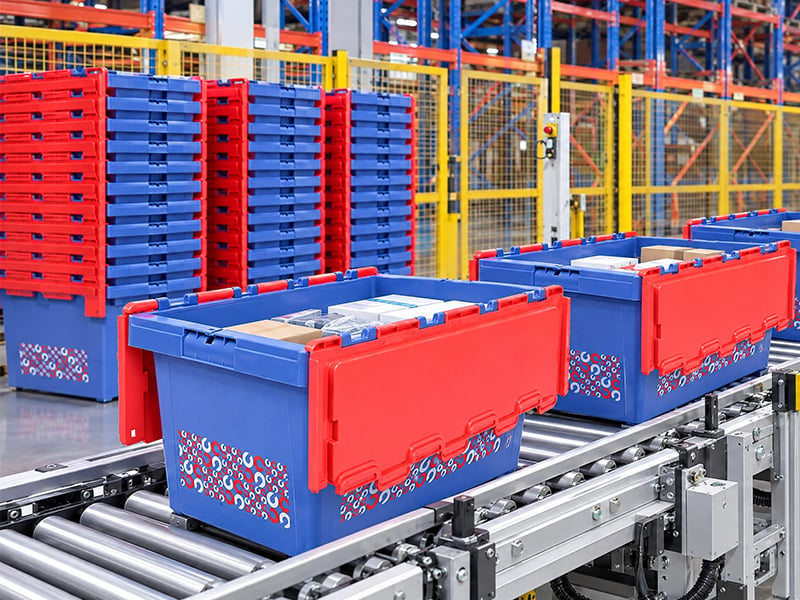
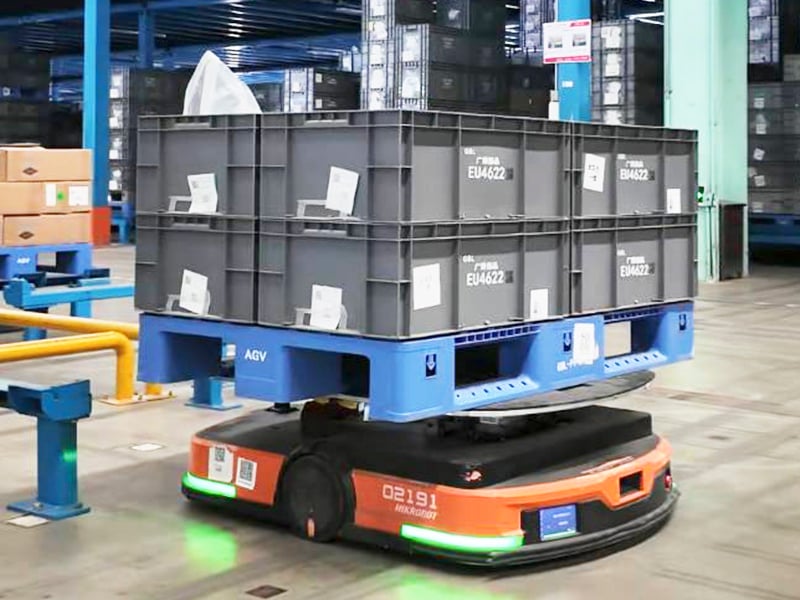
The piece-picking zone uses CTU tote-handling robots that retrieve totes from storage and deliver them to picking stations. The WMS monitors pick-face levels and triggers automatic replenishment from the reserve area, so stations do not run dry mid-shift. CTU totes need geometry that the robot gripper can handle reliably and consistent dimensions across the whole fleet. For buyers comparing a CTU tote bin or warehouse tote, confirm the required footprint, rim profile and handling clearances with the automation-system supplier before ordering.
Angled-Nesting Plastic Totes for the Picking Zone
Around the picking zone, nestable plastic totes handle many of the daily internal movements. In an angled-nesting design, empty totes fit into one another to reduce the space required for return transport and storage. This can help when totes circulate between picking stations, consolidation areas and washing or inspection loops. When selecting an angled-nesting tote for a CTU or conveyor operation, check the required footprint, rim and sidewall design, and compatibility with the handling equipment. Standardizing tote dimensions across the picking zone can also simplify conveyor planning and procurement.
FAQ: Automated Warehouse Pallets, CTU Totes and Nestable Plastic Totes
What is an automated warehouse pallet?
An automated warehouse pallet is a pallet specified for shuttle or AS/RS handling rather than manual forklift work. The practical difference is tolerance control: footprint, flatness and load ratings must be tight enough for a shuttle to pick and place it reliably at every level. 1200 x 1000 mm is the common baseline for this class of system, but the acceptance criteria come from the shuttle supplier's specification.
Can plastic pallets be used in four-way shuttle and AS/RS systems?
Yes. Plastic pallets are widely used in shuttle-based rack warehouses because they are dimensionally stable and do not shed splinters or nails into the equipment. Before ordering, confirm two things with the automation supplier: the required footprint and bottom structure, and the static, dynamic and racking load ratings for your actual unit loads. A pallet accepted in one system is not automatically accepted in another.
What is the difference between CTU totes and nestable plastic totes?
CTU totes are handled by tote robots in a goods-to-person area, so gripper geometry, rim profile, footprint consistency and handling clearances matter. Nestable plastic totes are general-purpose internal containers; in an angled-nesting design, empty totes fit into one another to reduce return-transport and storage volume. Some totes serve both roles, which is why the handling equipment's requirements should be confirmed before the tote is specified.
Do you supply RFID plastic pallets?
RFID tag or chip integration is available for plastic pallets, logistics boxes and turnover boxes, and it is specified at order time rather than added later. Reading performance depends on tag type, mounting position and reader placement, so the reading setup should be agreed with the system supplier as part of the project.
Which load ratings should I request?
Ask for static load, dynamic load and racking load as three separate figures, and match each to how the pallet will actually be used. In a shuttle system, dynamic and racking performance usually govern the selection, and a pallet that performs well under a static stack can still deflect on rack beams. If the site includes a cold store, also request the rated operating temperature range.
Can pallet and tote sizes and colors be customized?
Colors and existing sizes can be selected directly from the standard range. Non-standard dimensions require drawings and production requirements, and because tooling is involved, custom sizes are subject to a minimum order quantity and should be confirmed model by model before quoting.
Key Takeaways
Hybrid pallet-and-tote systems can support warehouses that run full-pallet inbound and piece-level outbound in one facility: automated warehouse pallets sized to the racking and shuttle system, RFID-enabled pallets where traceability is required, CTU totes for goods-to-person picking, and nestable plastic totes for high-frequency internal flows. For buyers, the critical point is that all four items are system components: confirm the 1200 x 1000 mm footprint against your racking layout, obtain static, dynamic and racking load ratings separately, and align pallet and box tolerances before installation. A plastic pallet manufacturer who can supply the pallets, logistics boxes and RFID integration together will make the whole project simpler to specify.
Contact Us
Email: [email protected]
Mobile: +86 13915871341
Website: https://www.linhuiplastics.com/
Table of Contents
- What This Guide Covers
- Automated Warehouse Pallets: The Foundation of the Full-Pallet Zone
- Smart Pallets: RFID and Asset Traceability in Shuttle Systems
- CTU Totes and Nestable Plastic Totes for Goods-to-Person Picking
- Angled-Nesting Plastic Totes for the Picking Zone
- FAQ: Automated Warehouse Pallets, CTU Totes and Nestable Plastic Totes
- Key Takeaways