
 EN
EN
 AR
AR CS
CS DA
DA NL
NL FI
FI FR
FR DE
DE EL
EL HI
HI IT
IT JA
JA KO
KO NO
NO PL
PL PT
PT RU
RU ES
ES SV
SV TL
TL ID
ID SR
SR UK
UK VI
VI SQ
SQ HU
HU TH
TH TR
TR MS
MS IS
IS BN
BN LO
LO MN
MN NE
NE MY
MY UZ
UZ KY
KY


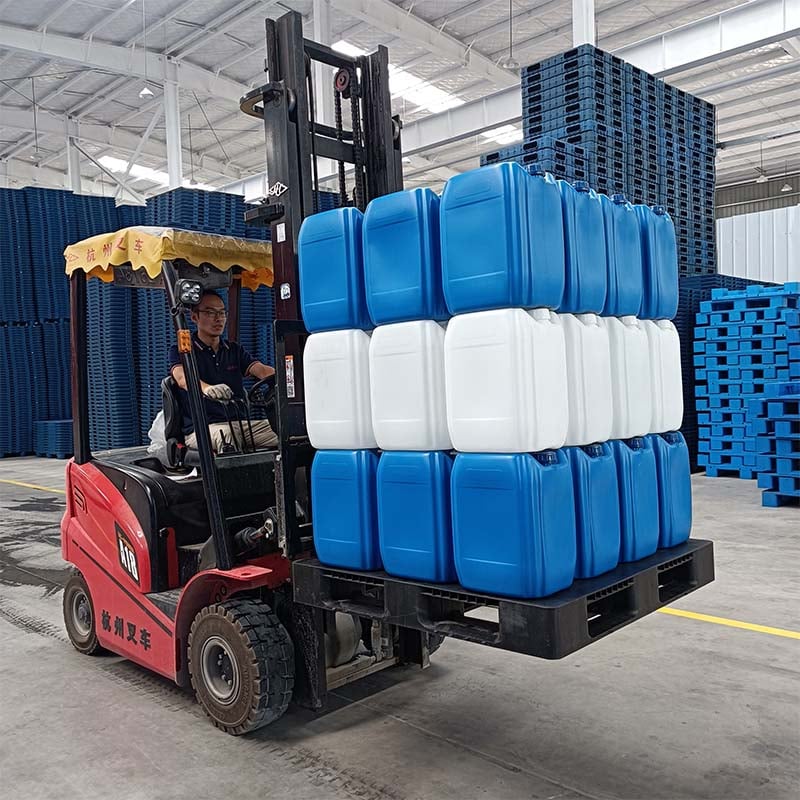
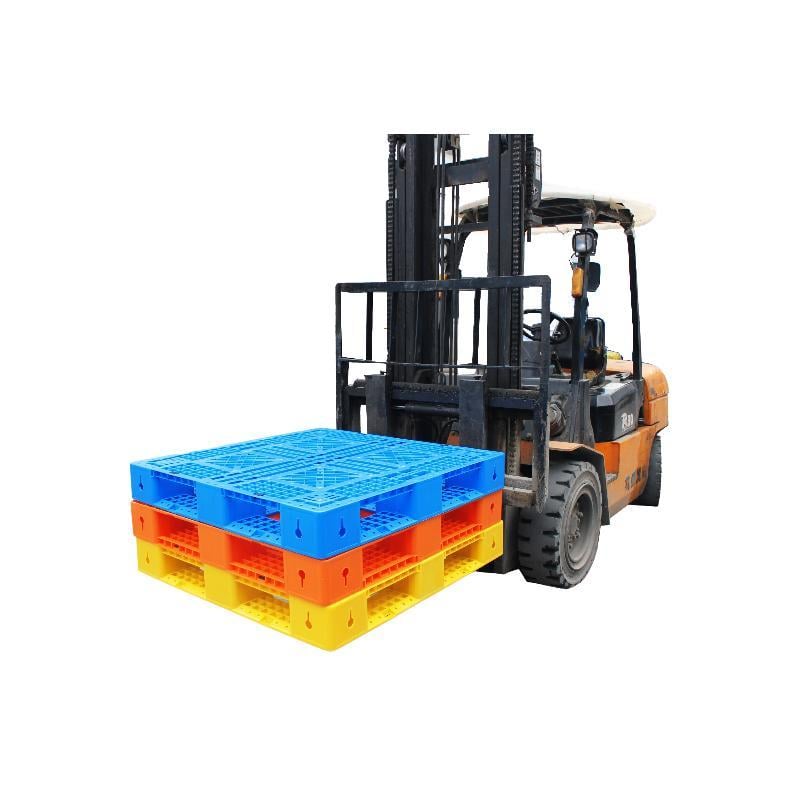 Plastic Pallets
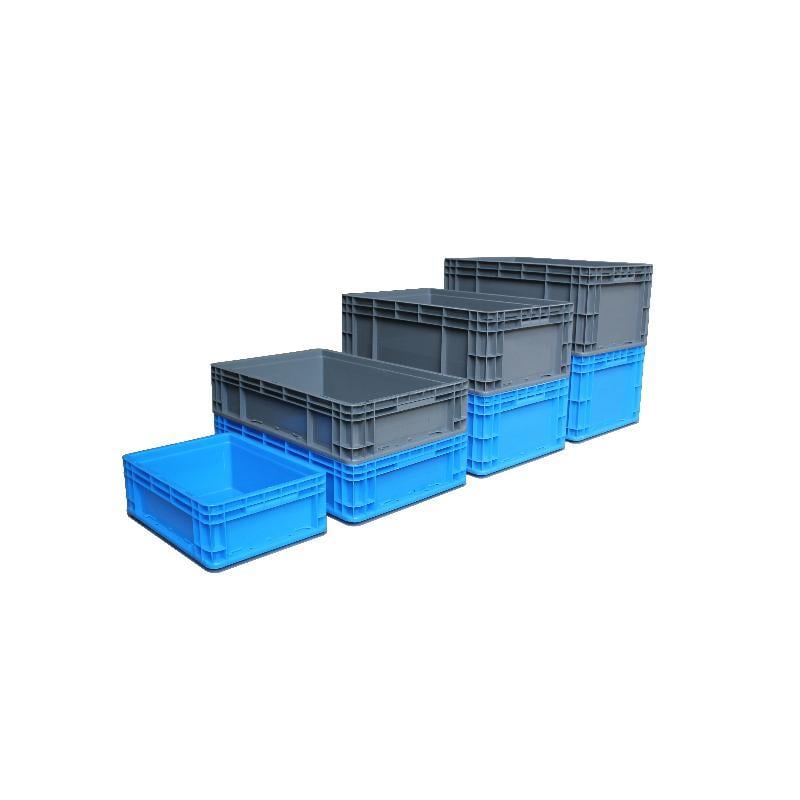 Logistics Box
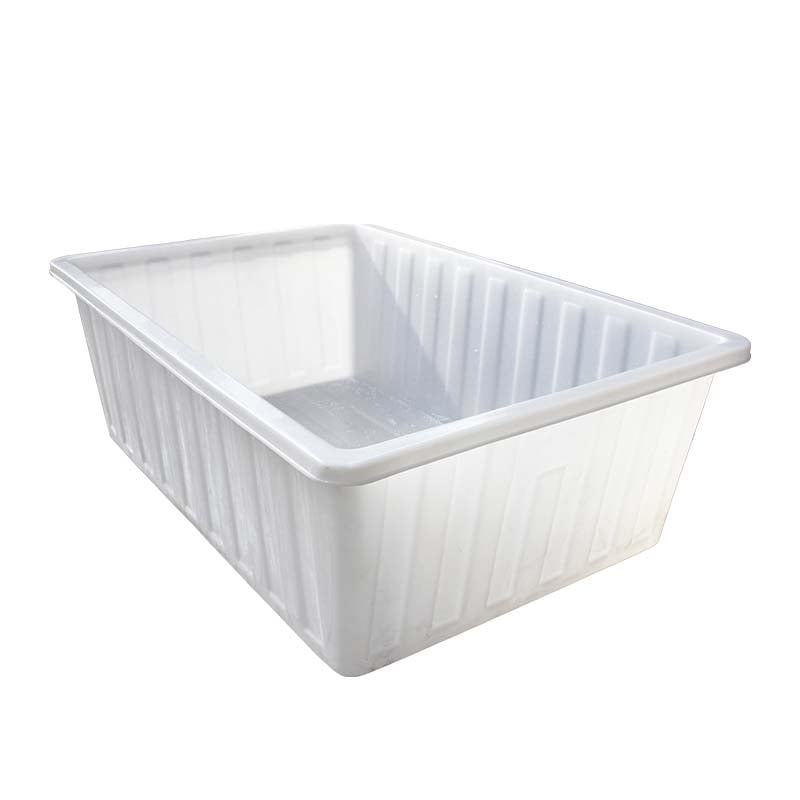
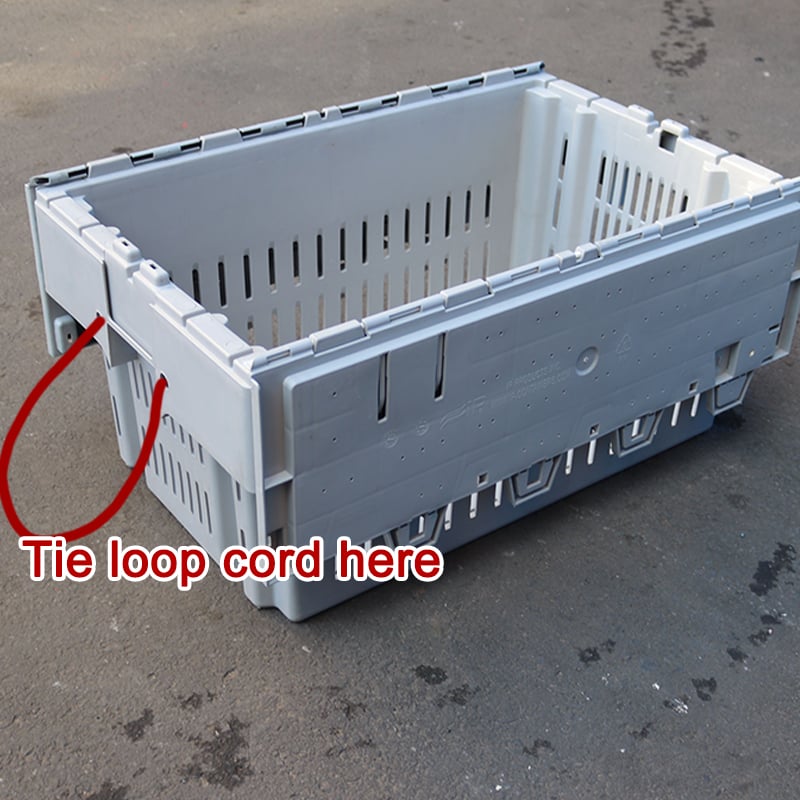
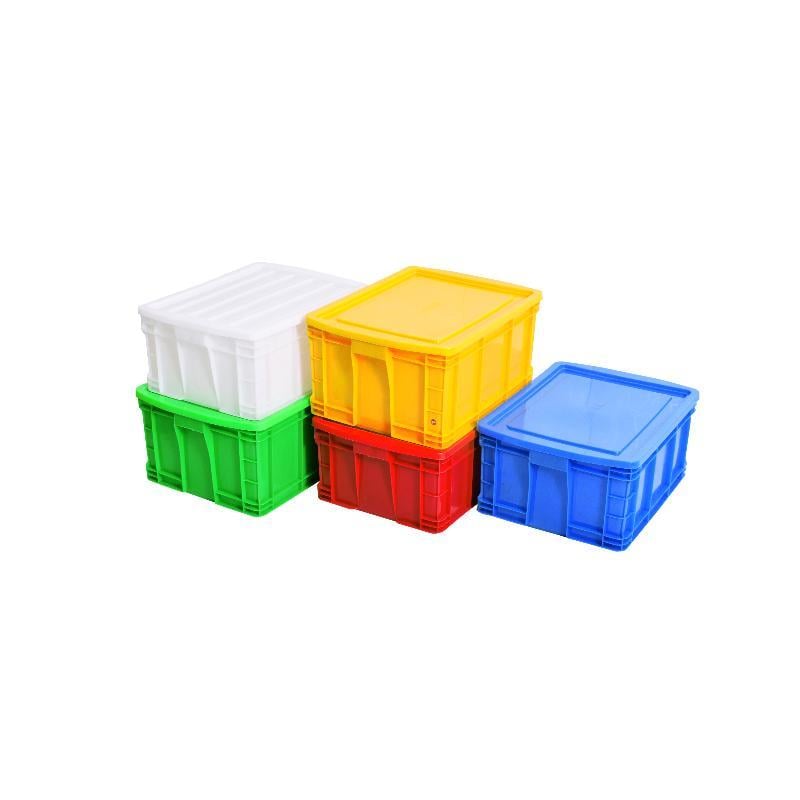 Plastic Crates
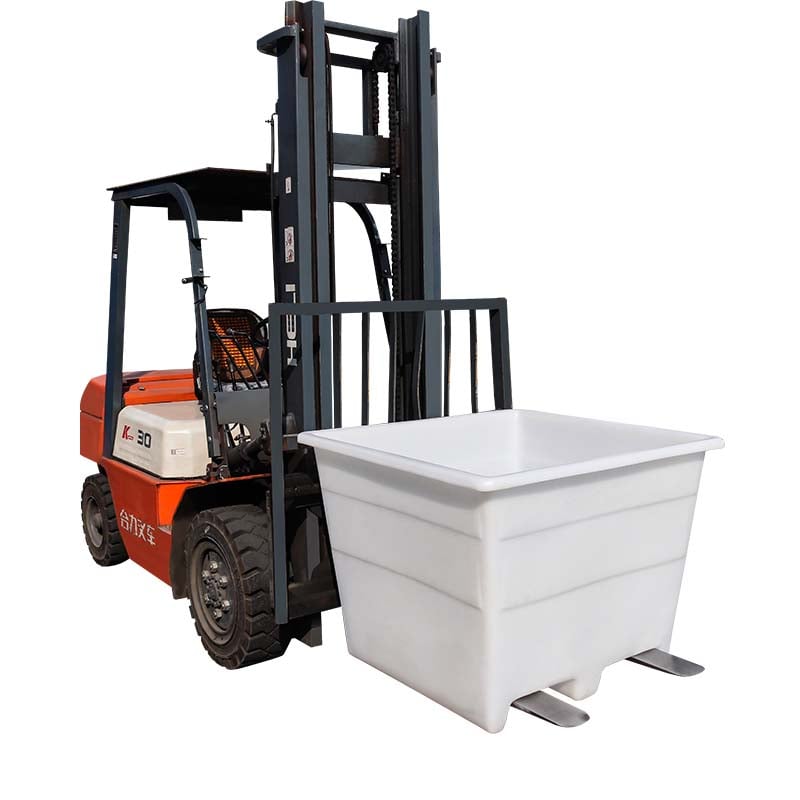
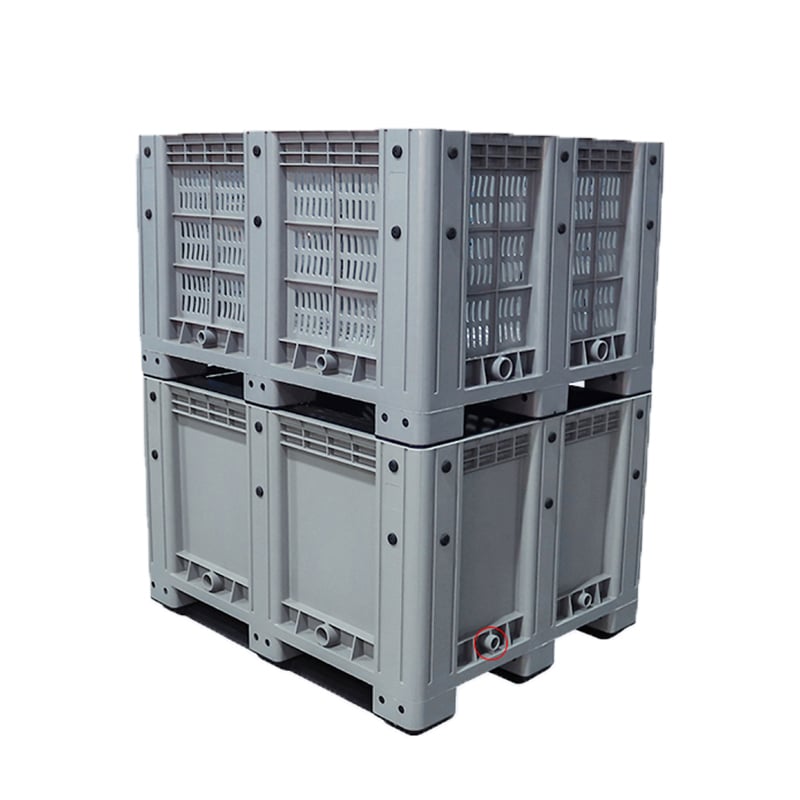 Bulk Containers
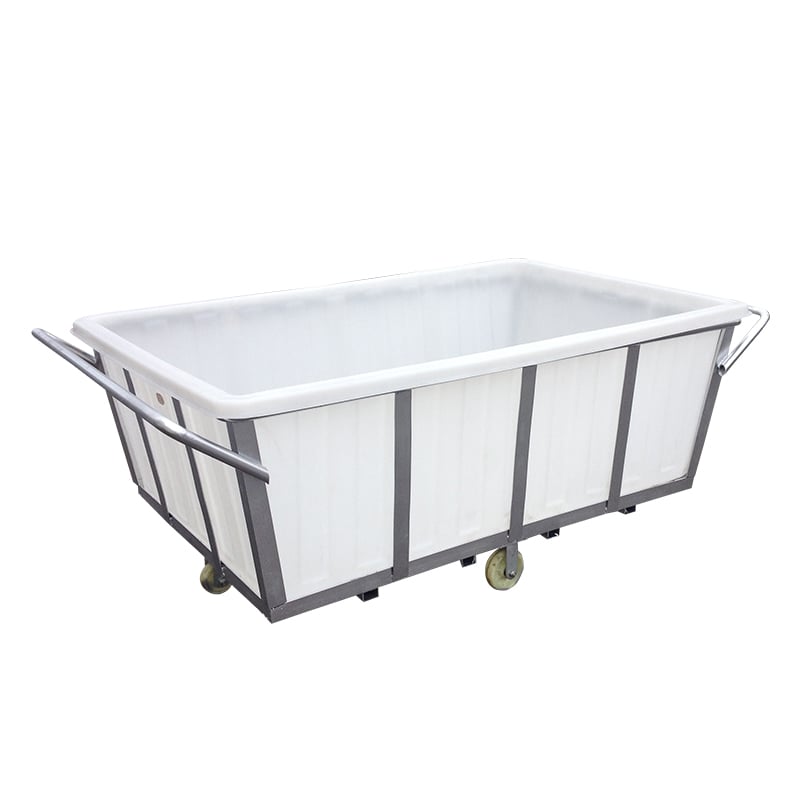
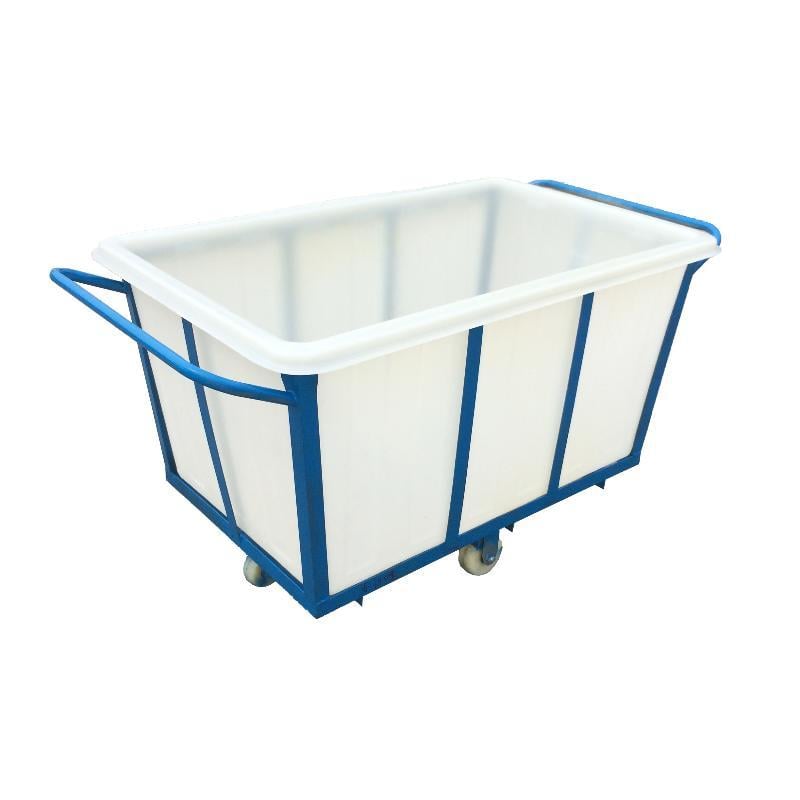 Trolly Cart
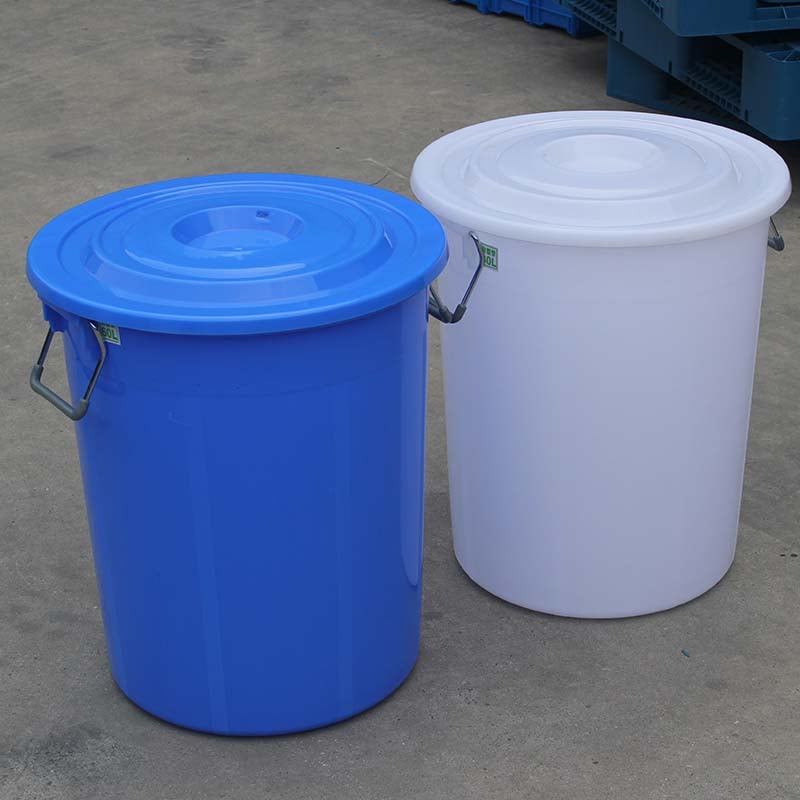
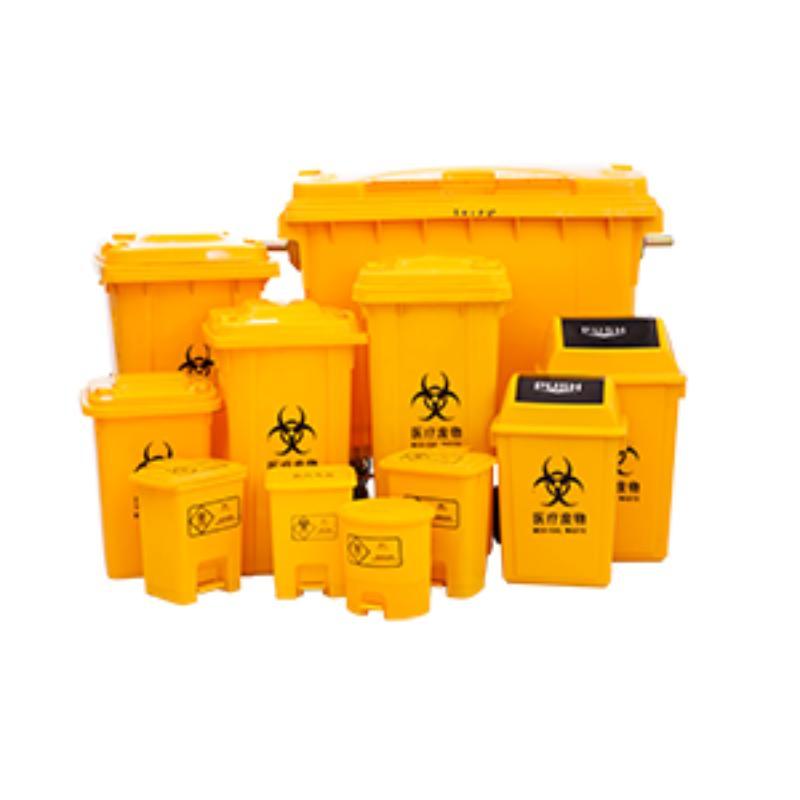 Waste Bins
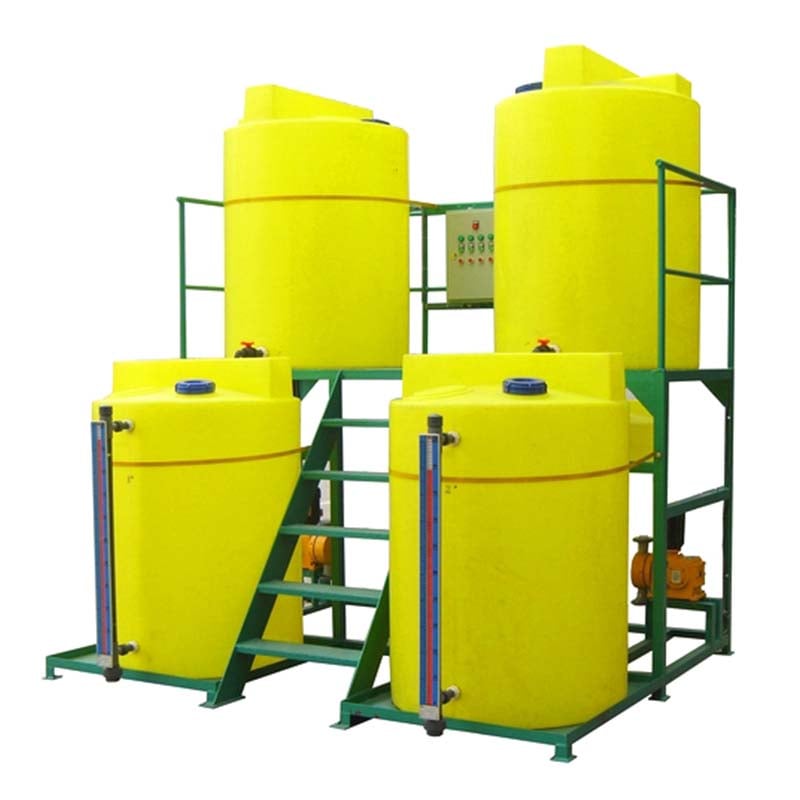
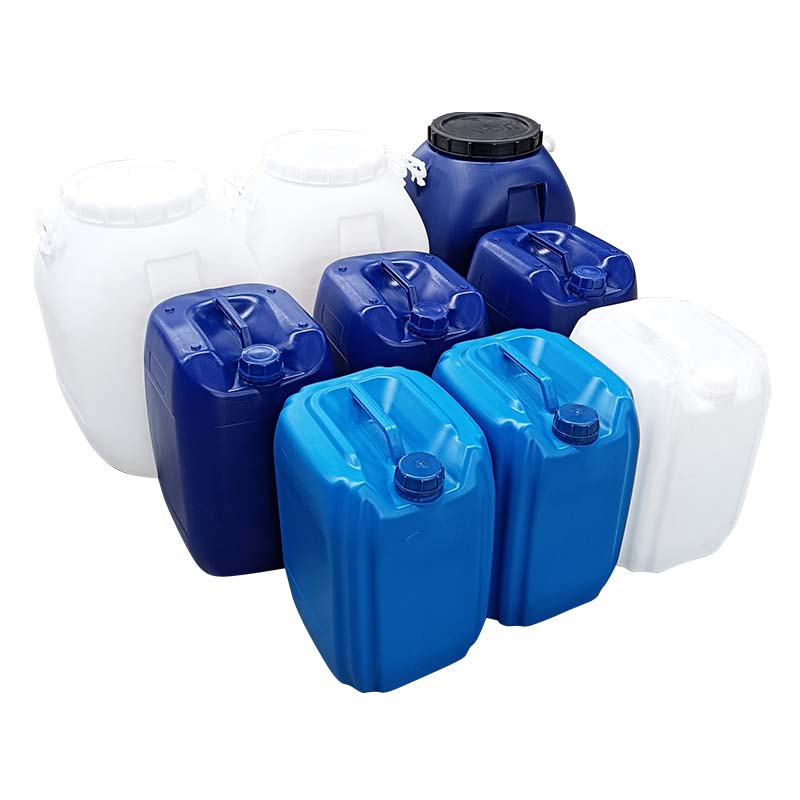
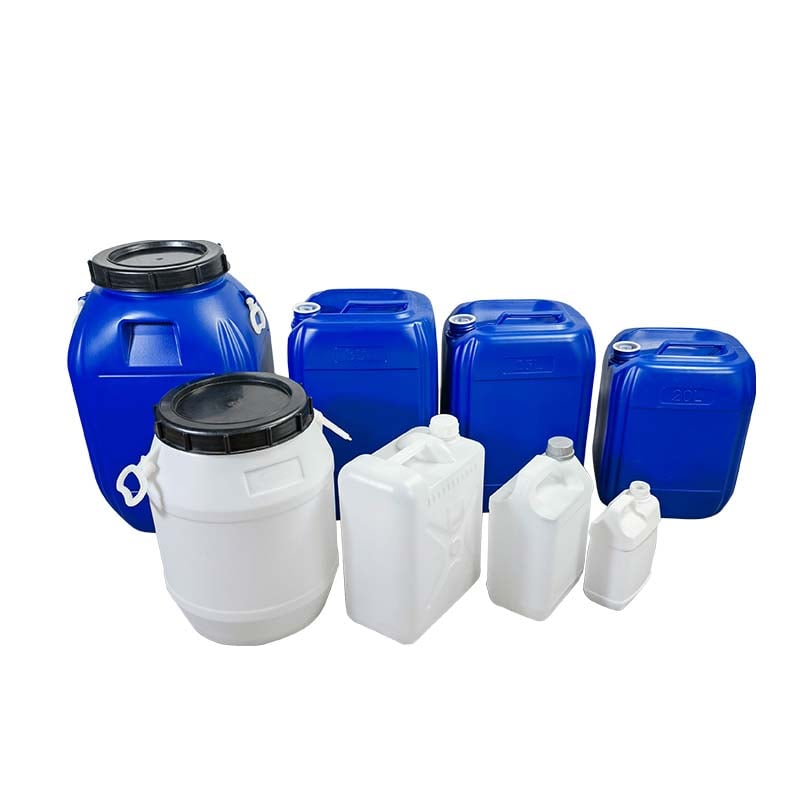
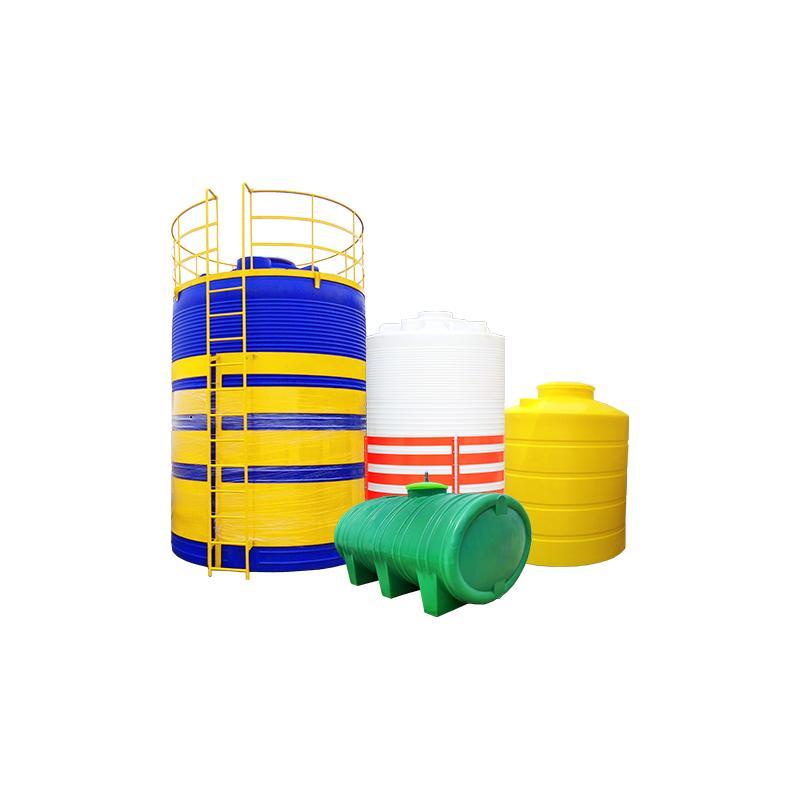 liquid storage containers
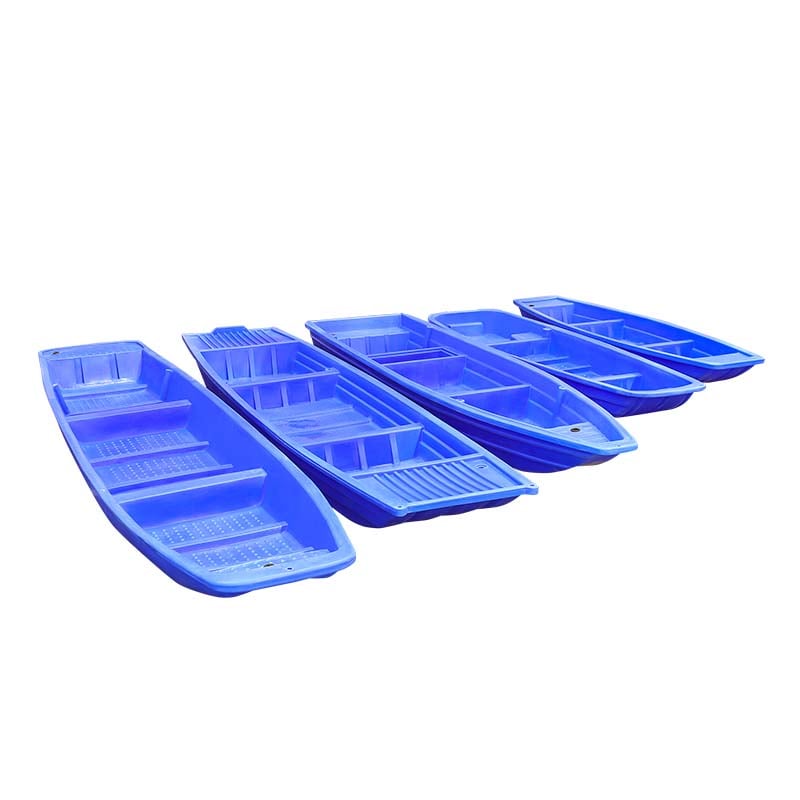
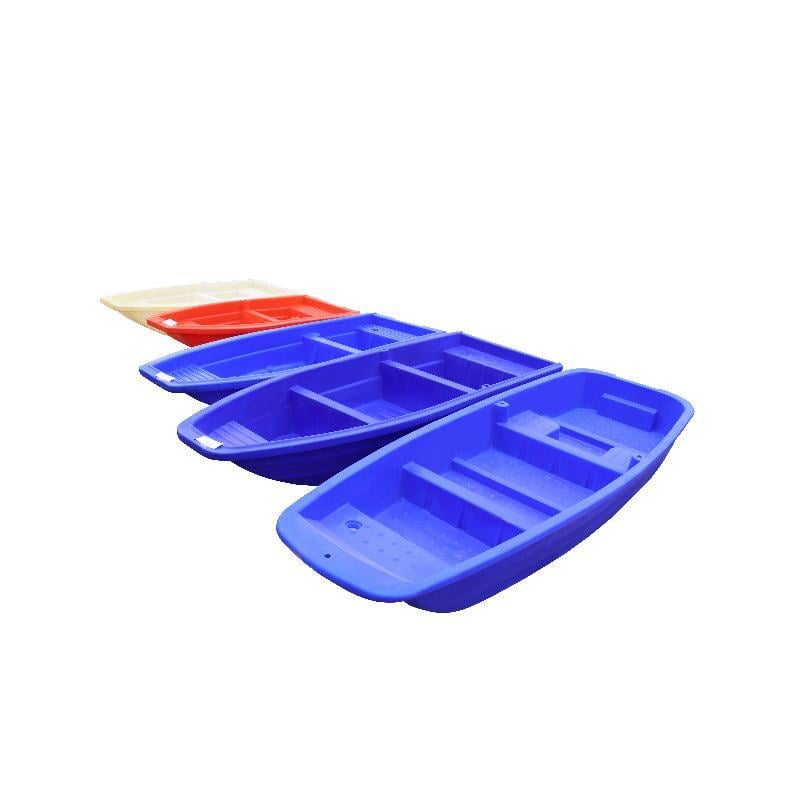 Boat &Aquatic products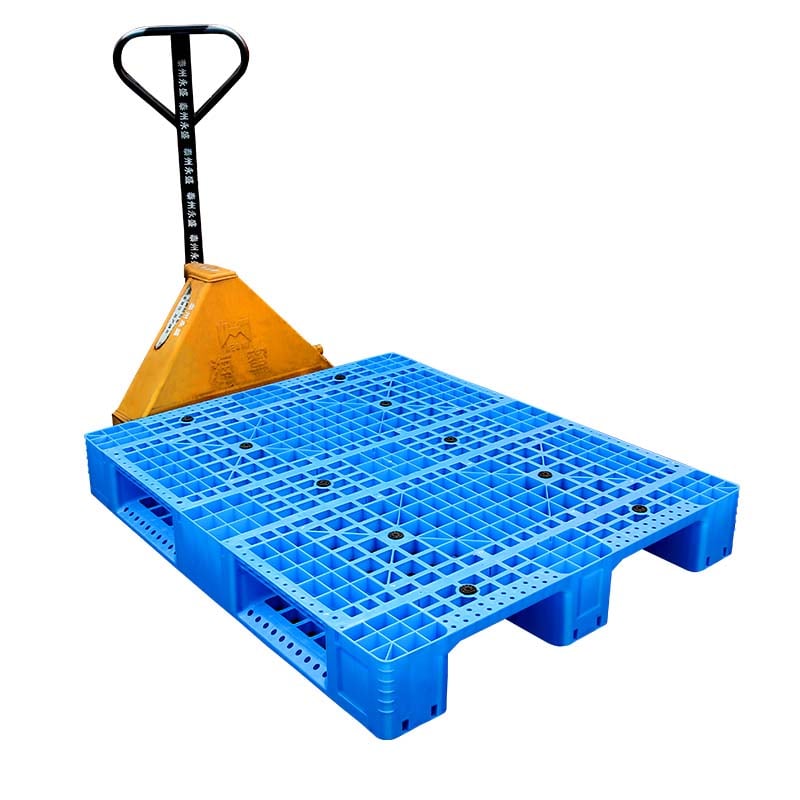

How to Choose the Right Plastic Pallet Supplier for Your Warehouse and Logistics Needs
Finding a reliable plastic pallet supplier is a strategic decision that directly impacts warehouse efficiency, logistics costs, and supply chain reliability. As global logistics operations become more complex, the choice of pallets and supplier partnerships has never been more critical. This guide explores key factors in selecting a plastic pallet supplier, industry trends shaping the market, and why manufacturing credentials like ISO certification and genuine OEM/ODM capabilities matter for long-term success.
The Growing Importance of Durable Plastic Pallets in Modern Logistics
Plastic pallets have become indispensable across industries such as food processing, pharmaceuticals, automotive, and intelligent warehousing. According to recent industry analysis, the global plastics industry is experiencing steady growth of approximately 2% to 3% annually, with logistics and warehousing applications remaining core demand drivers [1]. The rise of smart warehousing and automated material handling systems has further increased the need for consistent, dimensionally stable pallets that perform reliably in automated environments.
When evaluating a plastic pallet supplier, businesses must look beyond price and consider product quality, customization feasibility, and long-term reliability. Suppliers with in-house manufacturing capabilities and strong quality management systems offer distinct advantages over trading companies.
Key Factors to Evaluate When Selecting a Plastic Pallet Supplier
Manufacturing Capabilities and Quality Assurance
The most reliable plastic pallet supplier will have full control over its production process. Jiangsu Linhui Plastic Product Co., Ltd., for example, operates a factory covering 10,000 square meters with over 30 advanced injection molding machines ranging from 150T to 2800T [2]. This scale of operation ensures consistent production capacity and quality control.
Quality certifications are essential indicators of a supplier’s commitment to standards. Look for ISO9001 quality management system certification and ISO14001 environmental management certification. Linhui Plastics holds both certifications, demonstrating compliance with internationally recognized standards [2].
Understanding True OEM/ODM Customization Capabilities
Many suppliers advertise OEM/ODM customization, but the reality of plastic injection molding involves significant tooling investments. A reputable plastic pallet supplier will be upfront about these requirements rather than promising unrealistic flexibility.
For size customization, it is important to understand that plastic pallet dimensions are determined by the injection mold itself. Modifying dimensions—even slight adjustments—requires creating a new mold, which involves substantial engineering and manufacturing costs. These mold development expenses are typically amortized over large production volumes. Consequently, genuine size customization is economically viable only for high-volume orders that justify the tooling investment. For standard applications, choosing from a supplier’s existing plastic pallet size range is the most cost-effective approach.
Color customization is more feasible but also subject to minimum order quantities. While material additives can achieve various colors, production scheduling and cleaning requirements mean that plastic pallet supplier factories typically set a minimum order quantity (MOQ) for non-standard colors. Standard colors such as blue, black, and grey are readily available without additional requirements.
What a credible plastic pallet supplier can offer is application-specific advice on selecting the right existing product for your needs, combined with the ability to customize features such as logo embossing or identification marks, provided the MOQ is met. This honest approach helps clients make informed decisions without unrealistic expectations.
Product Range and Application Suitability
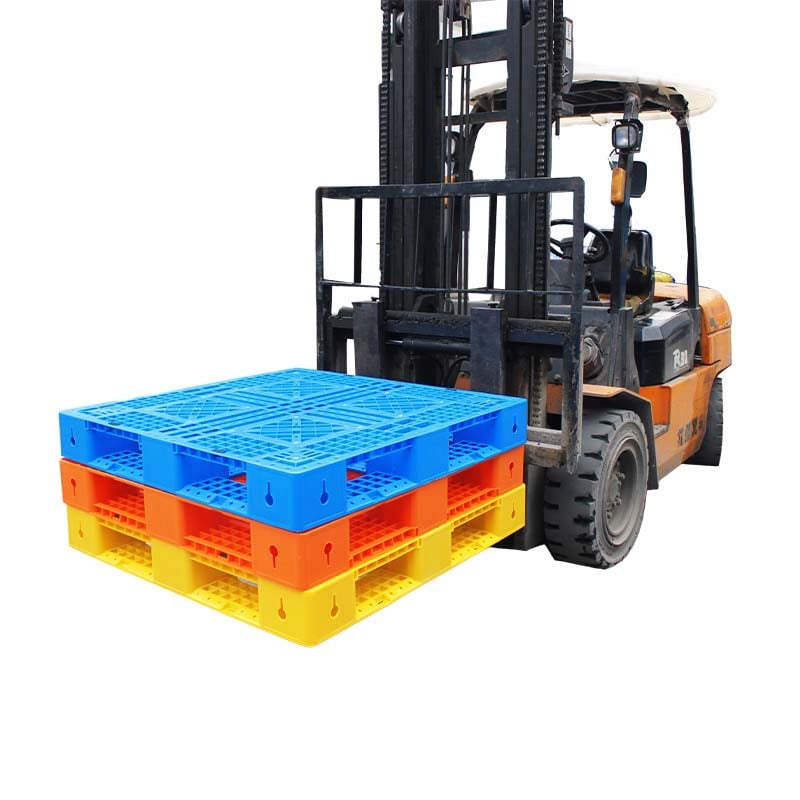
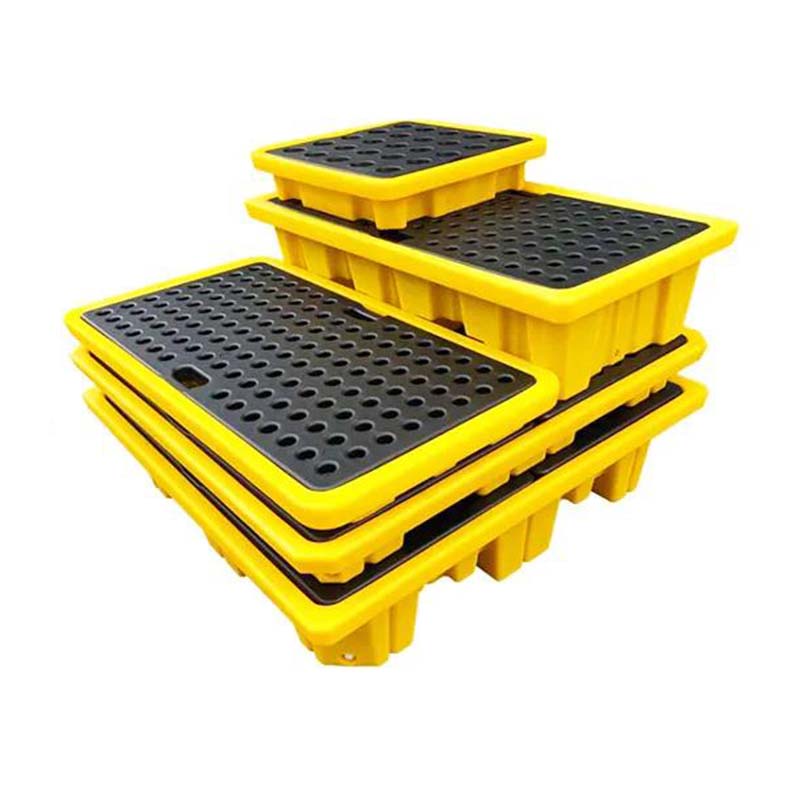
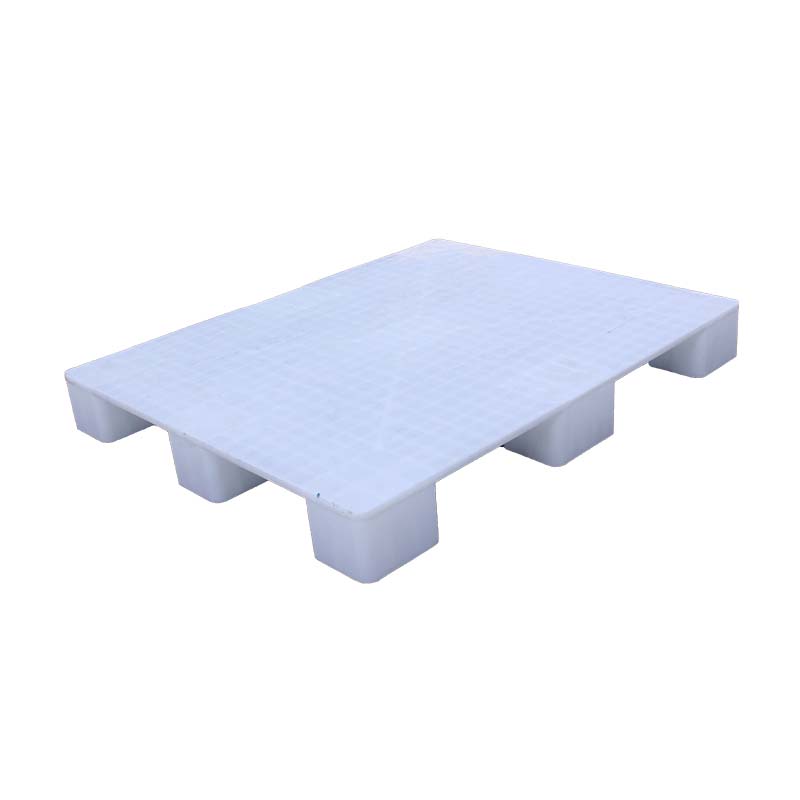
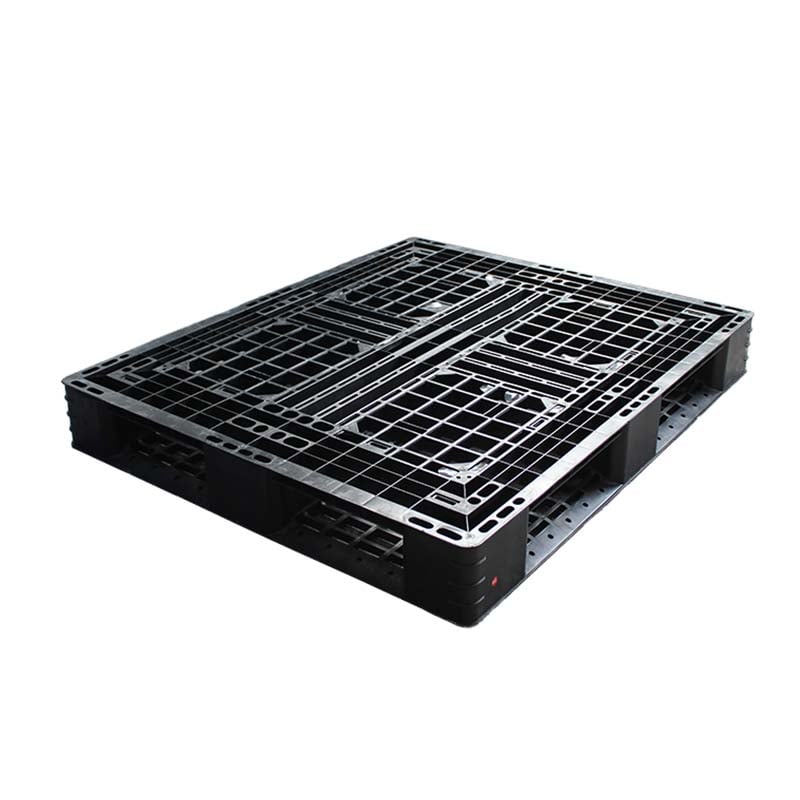
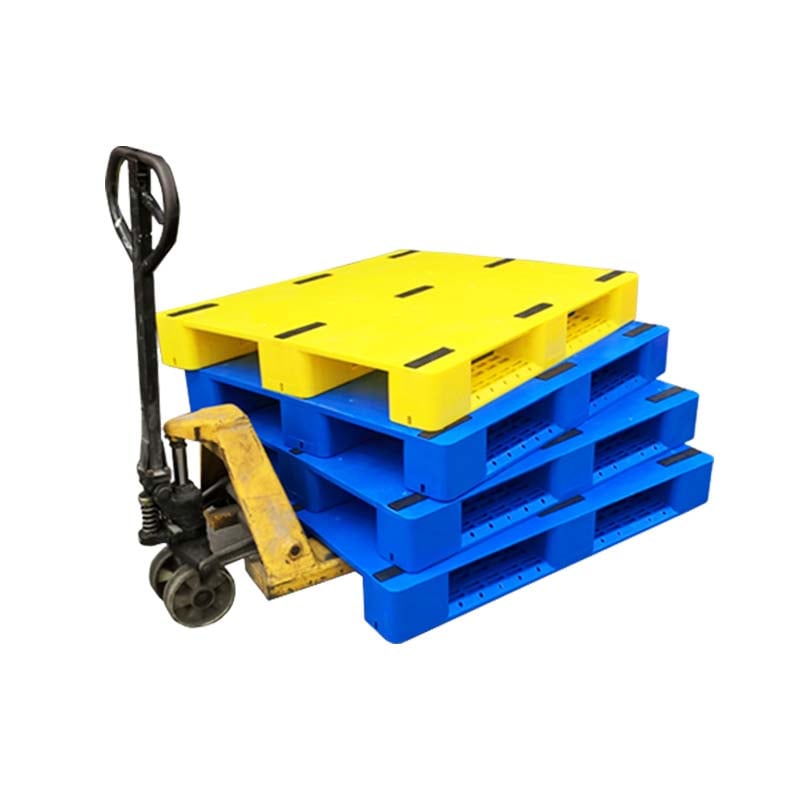
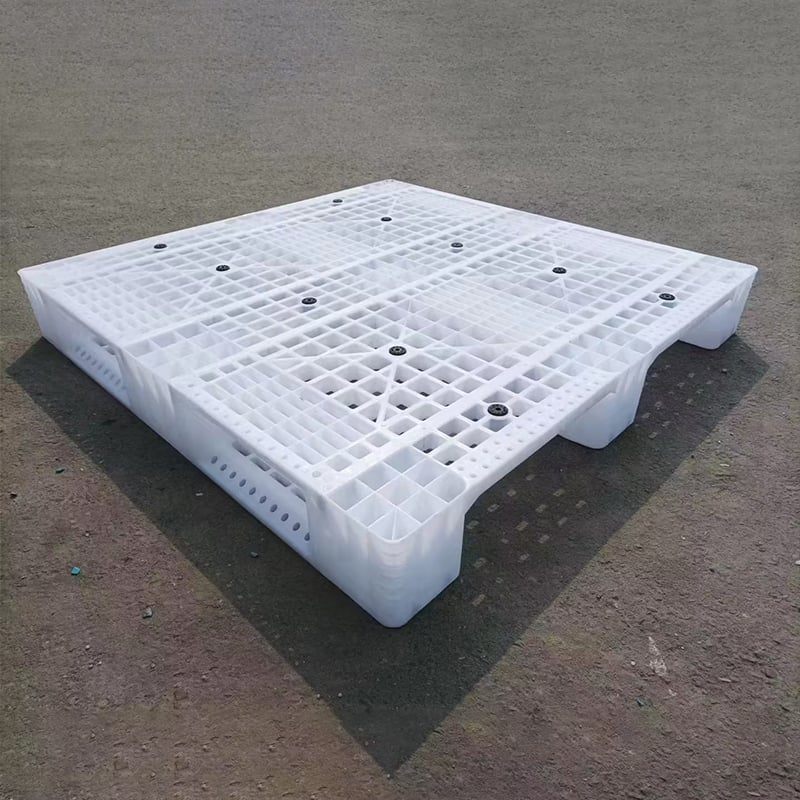
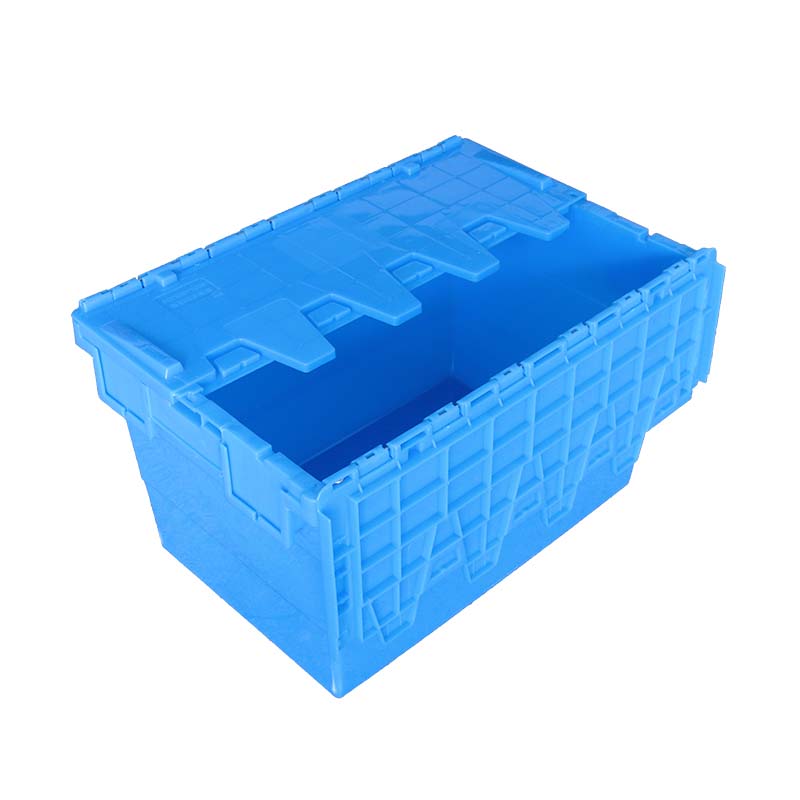
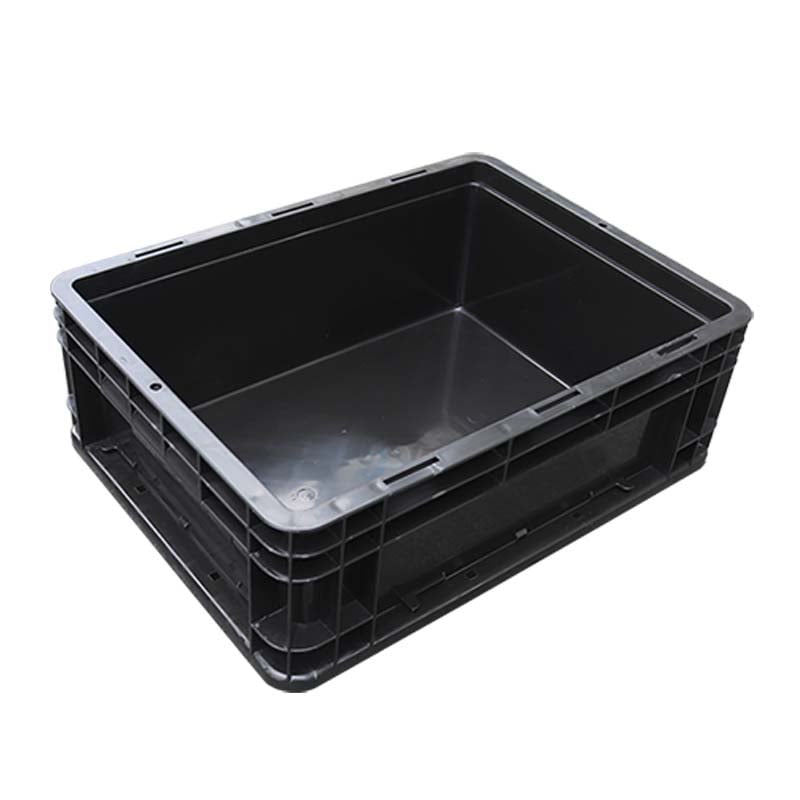
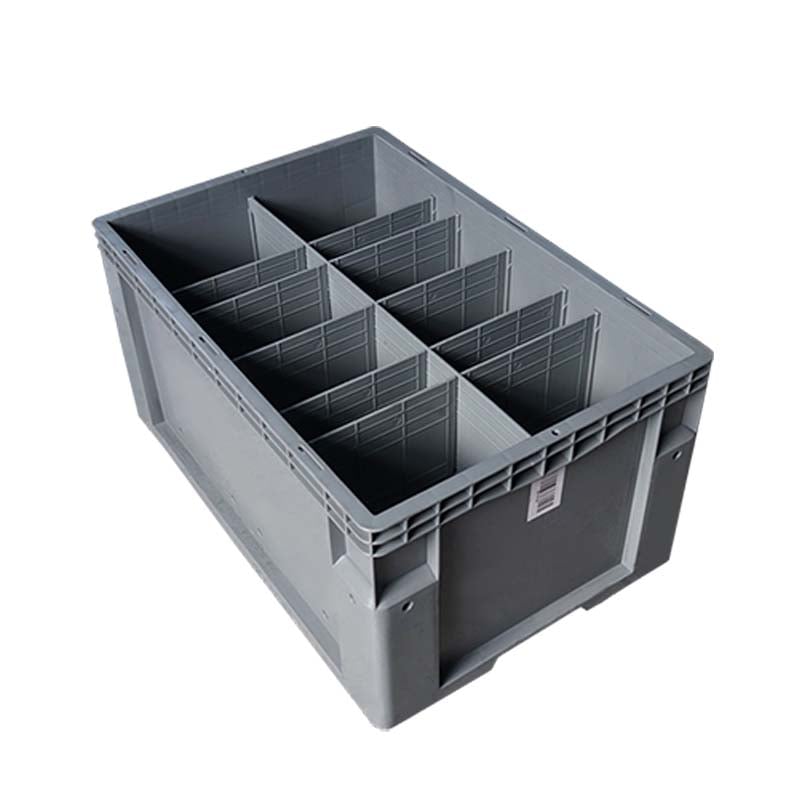
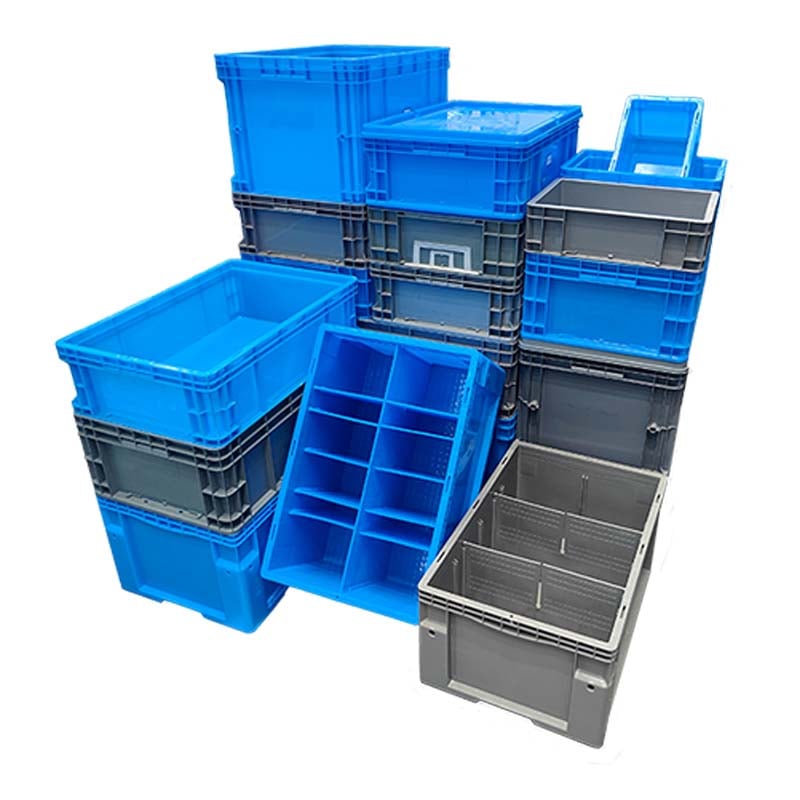
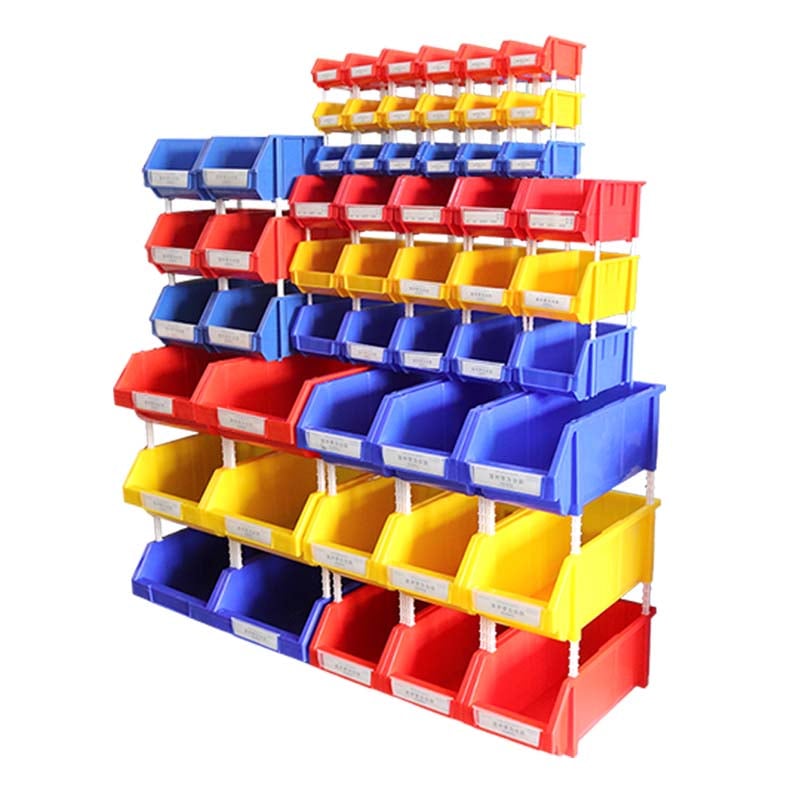
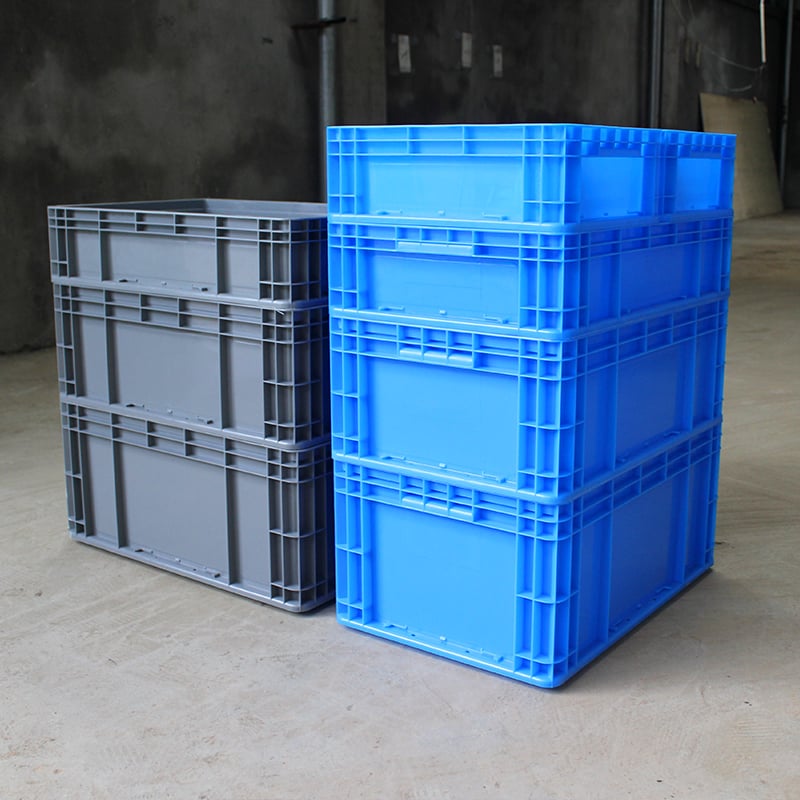
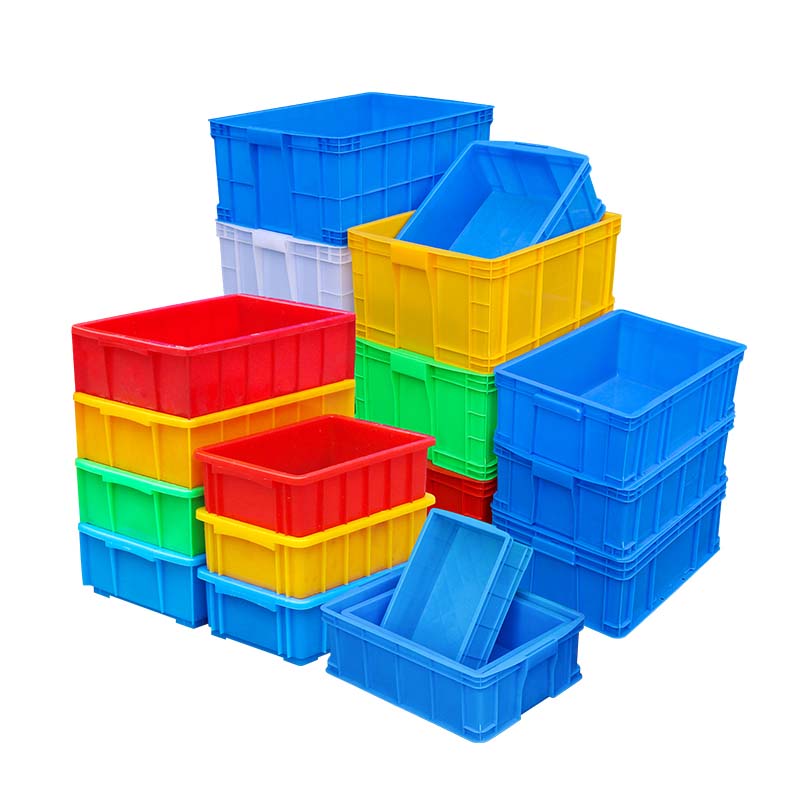
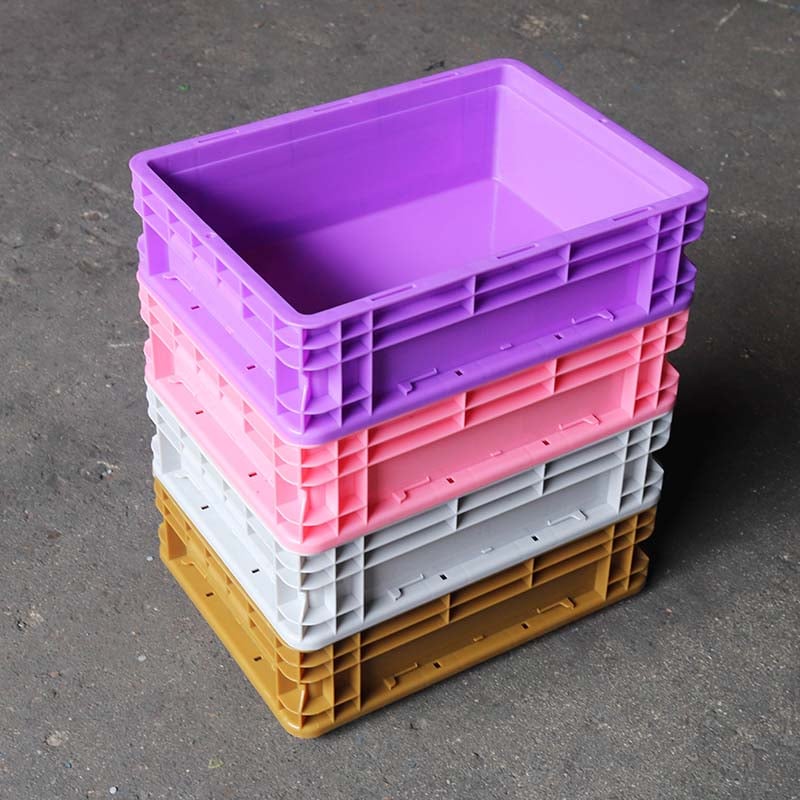
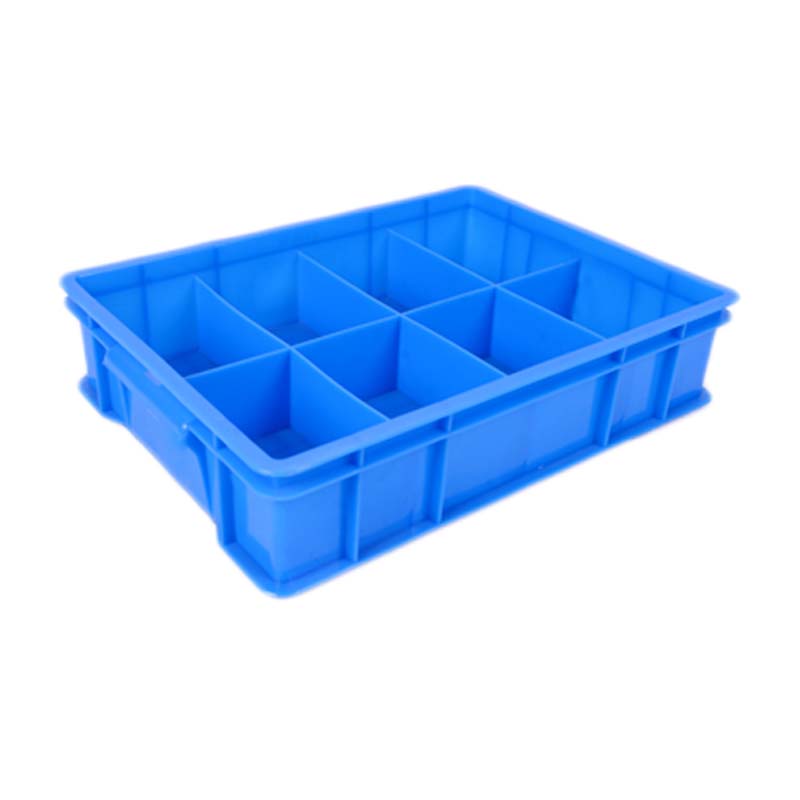
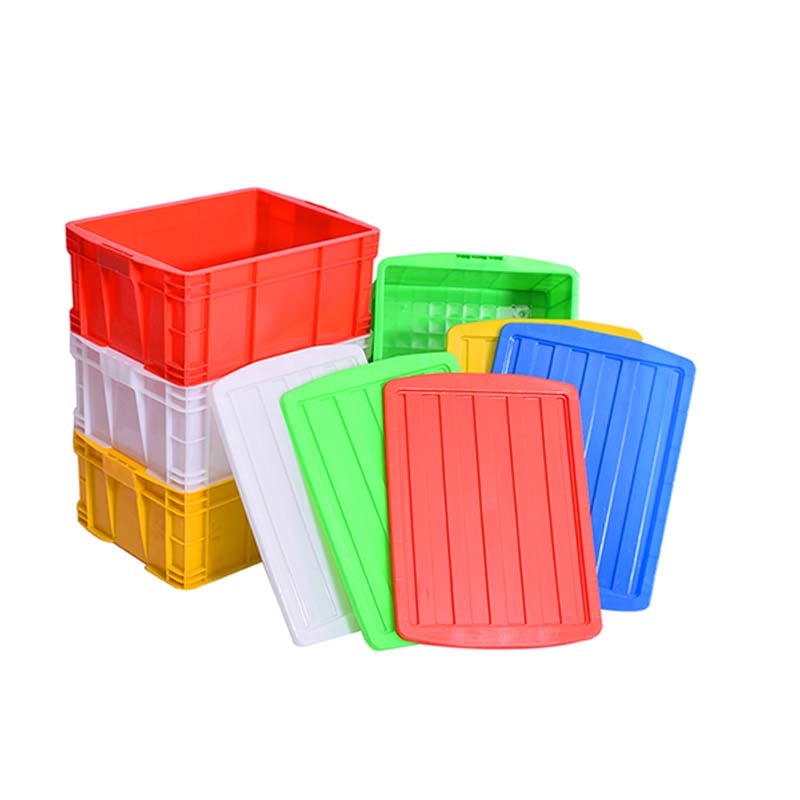
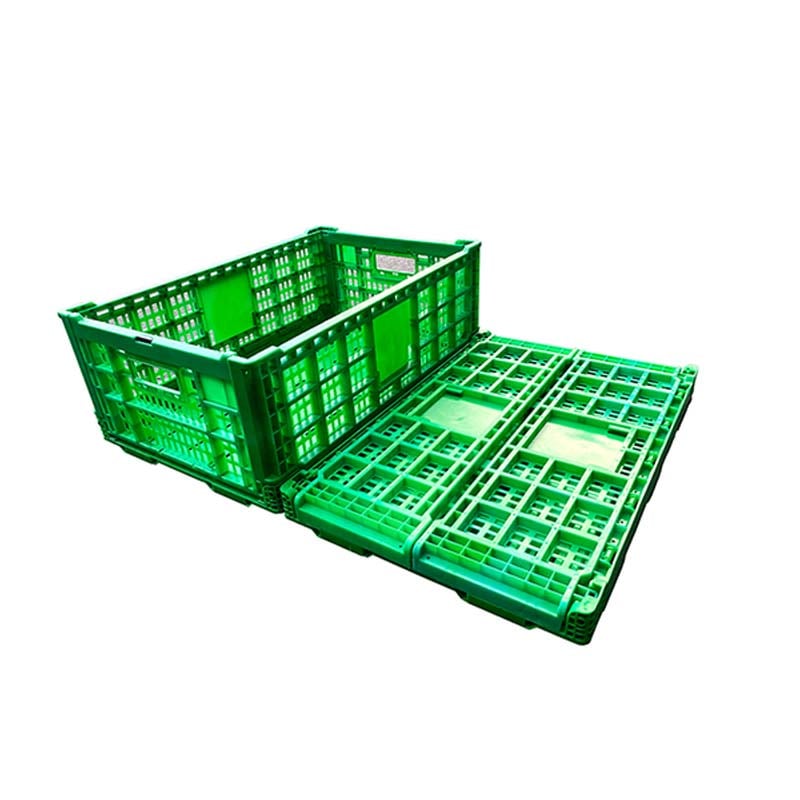
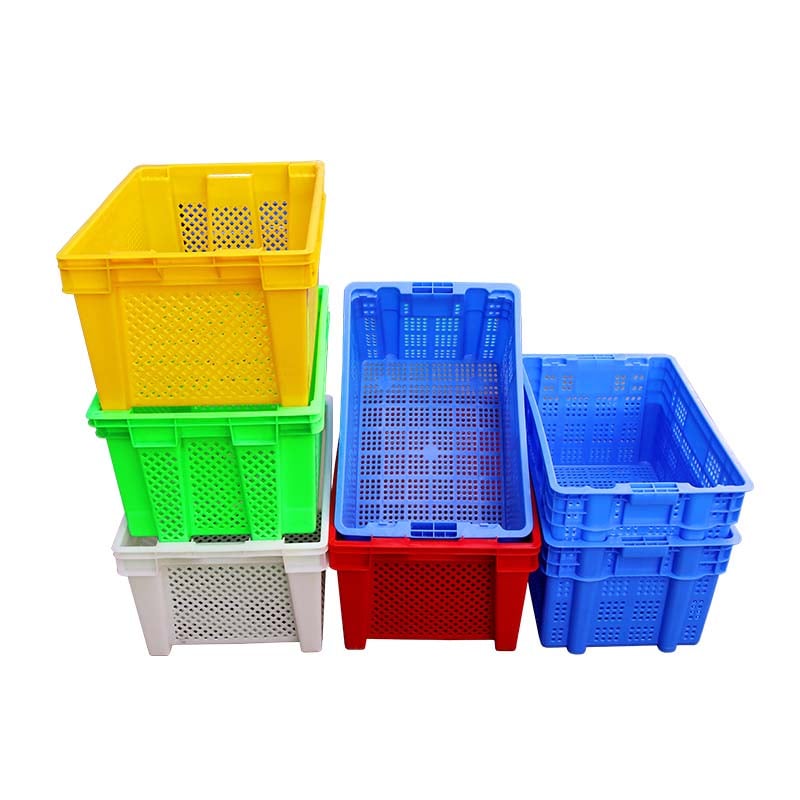
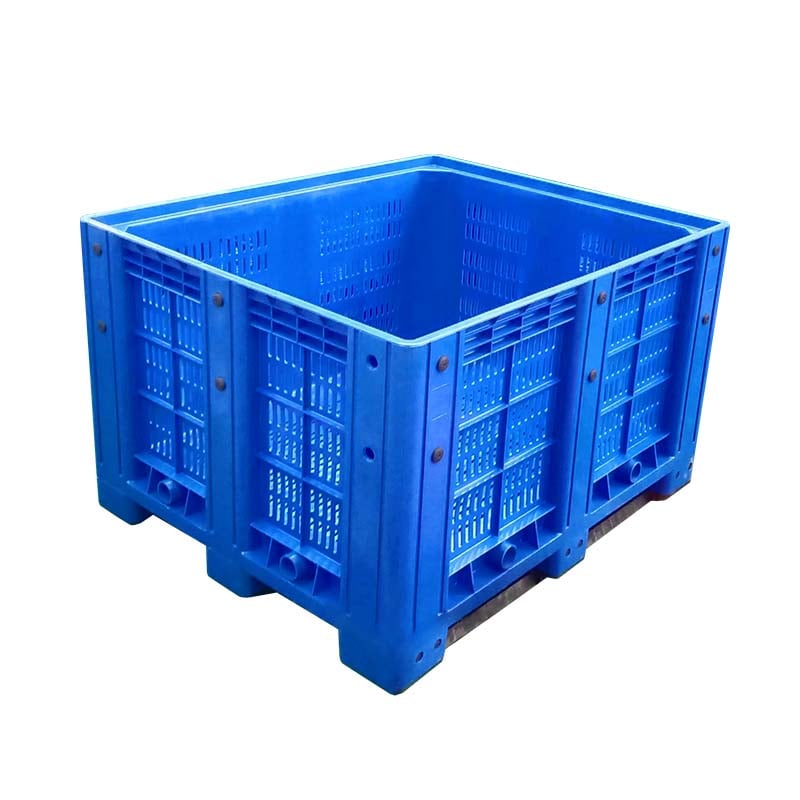
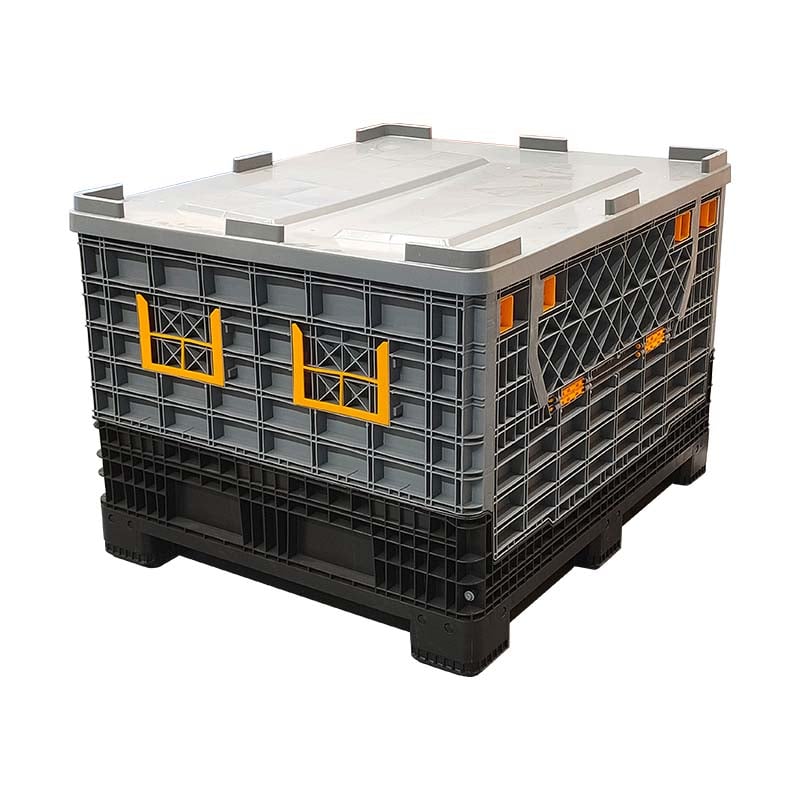
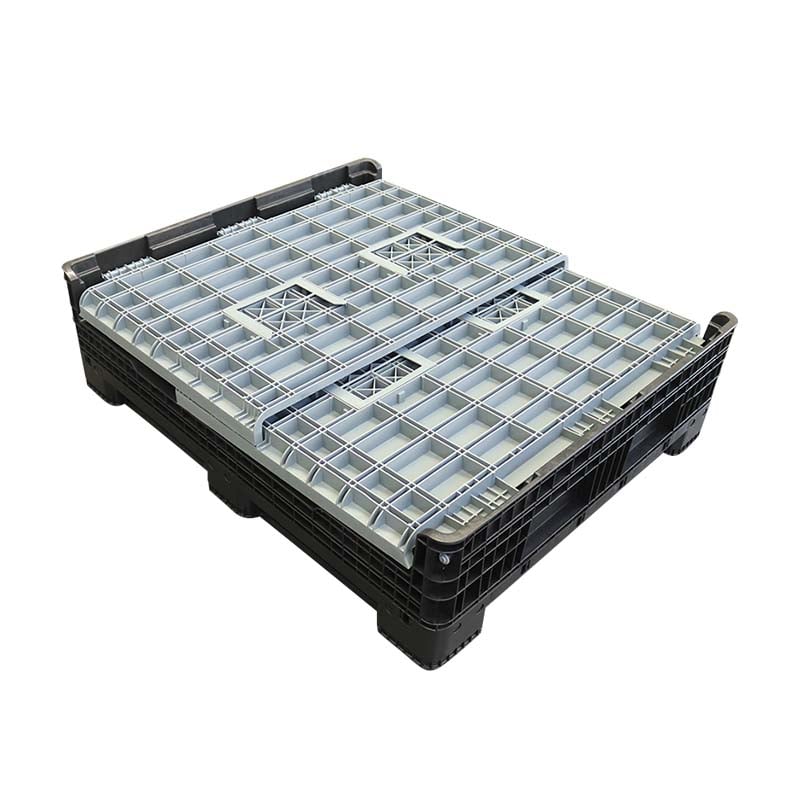
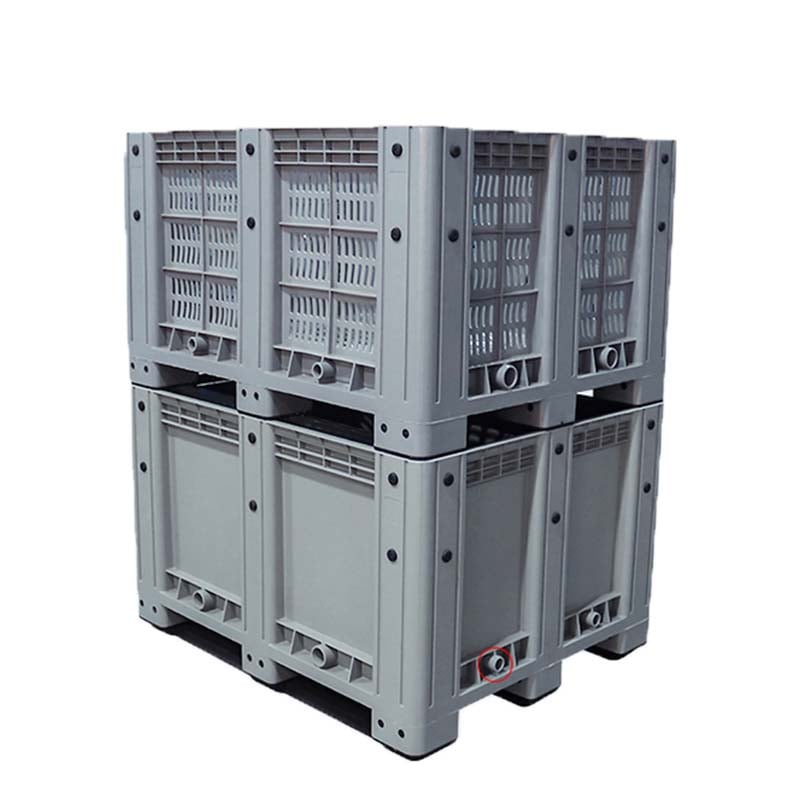
A diverse product portfolio indicates a supplier’s expertise across multiple applications. Leading plastic pallet supplier companies typically offer nestable pallets, stackable crates, EU-standard containers, storage bins, and specialized containers for food or pharmaceutical industries [2].
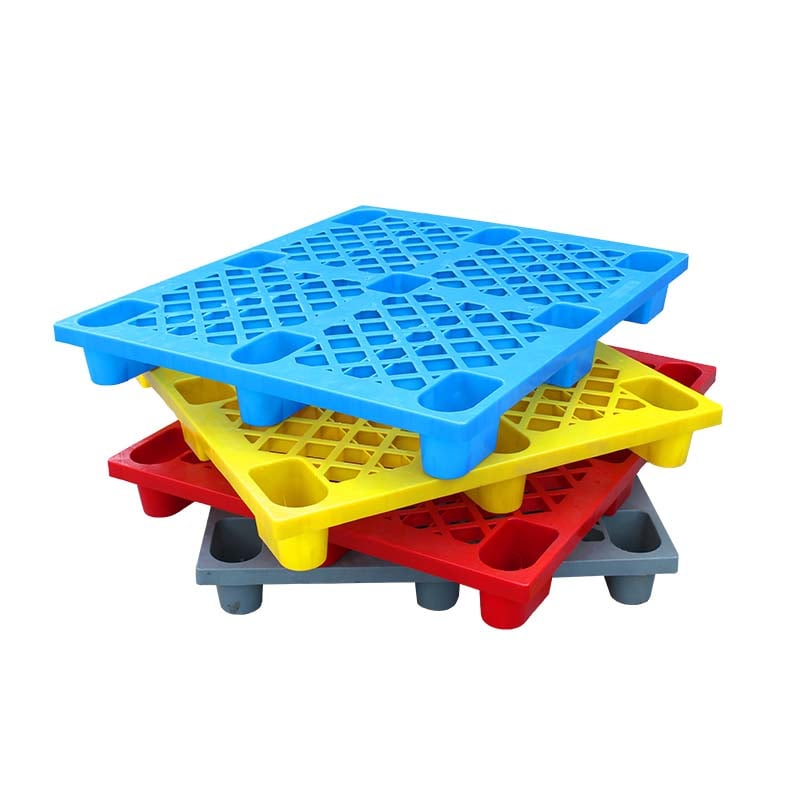
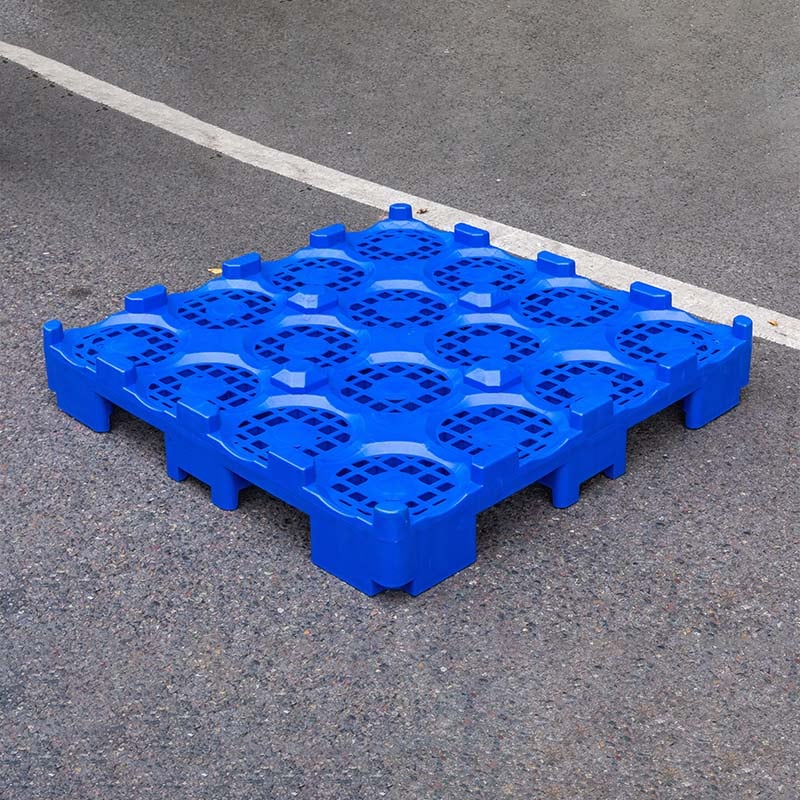
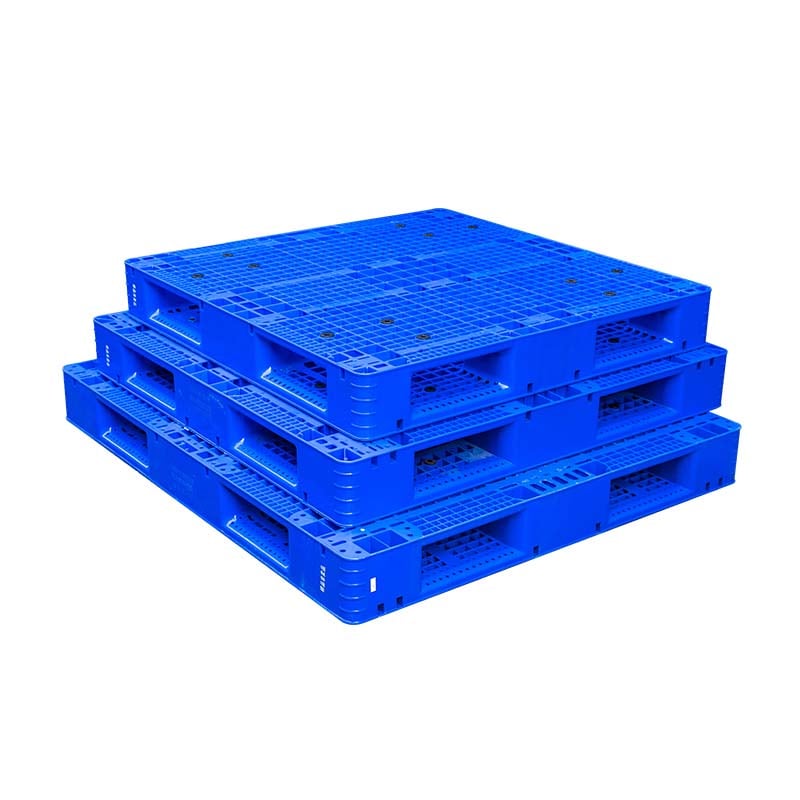
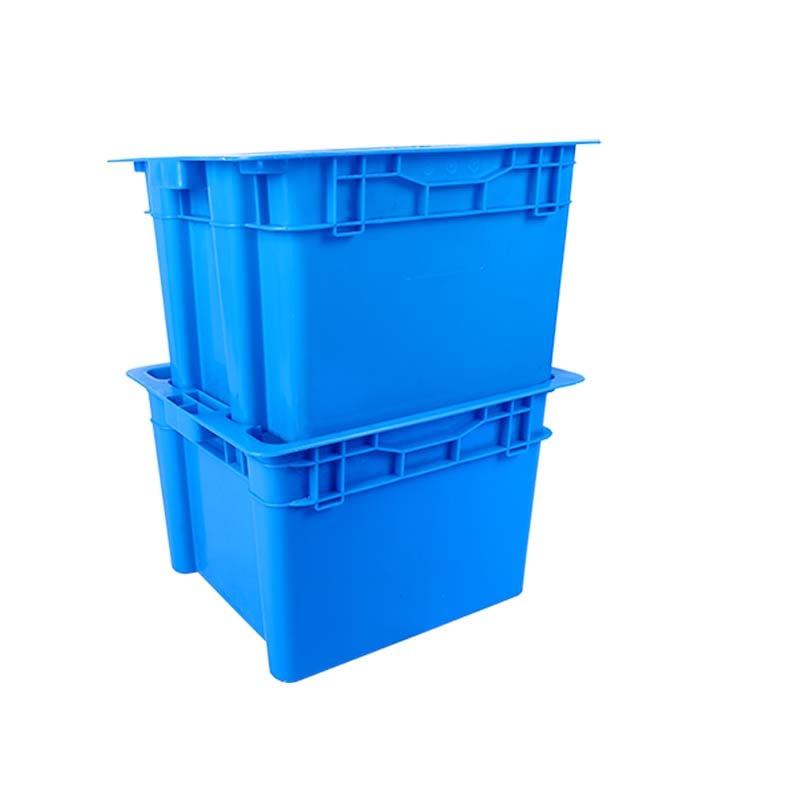
Nestable plastic pallets are particularly popular for returnable logistics and export shipping due to their space-saving design during empty returns. The 9-leg grid design provides excellent load support while remaining lightweight and easy to handle [2]. Ensure the supplier offers products compatible with your handling equipment, whether manual forklifts, electric forklifts, or pallet jacks.
Industry Trends: What’s Shaping the Plastic Pallet Market
The plastics industry is undergoing significant transformation driven by sustainability, automation, and advanced materials. A report from the China Plastics Processing Industry Association highlights that the sector is pursuing “functionalization, high-end development, integration, green development, intelligence, and internationalization” as strategic directions [3].
Industry 5.0 trends are also reshaping manufacturing. AI and digitalization are helping plastic pallet supplier companies optimize production processes, improve efficiency, and enhance quality [4]. Suppliers investing in automated production lines and digital quality control systems can offer better consistency and traceability.
Sustainability is another critical trend. The push toward circular plastics economies is accelerating development of recyclable materials and resource-efficient production methods [5]. Choosing a plastic pallet supplier committed to environmental management demonstrates your company’s alignment with global sustainability goals.
Comparison of Supplier Types
To help decision-makers understand the differences, here is a comparison of common supplier profiles in the plastic pallet supplier market:
| Supplier Type | Manufacturing Control | Customization Reality | Quality Assurance | Cost Competitiveness | Suitable For |
|---|---|---|---|---|---|
| Direct Manufacturer (e.g., Linhui Plastics) | Full in-house control; 30+ machines; 10,000 sqm factory | Size custom only for large-volume orders; color custom with MOQ; logo embossing available | ISO9001 & ISO14001 certified; full quality management | Factory-direct pricing; cost-effective for bulk orders | Businesses needing consistent quality, standard products, or large-run custom orders |
| Trading Company | No production control; outsourced manufacturing | No genuine customization; limited to existing catalog products | Supplier-dependent; no direct oversight | Markup added; often more expensive | One-time or small quantity purchases |
| Integrated Logistics Provider | May produce or source; often branded | Low; restricted to standard catalog | Varies by supplier; potential inconsistency | Premium pricing for convenience | Companies prioritizing convenience over customization |
Why Manufacturing Experience and Certifications Matter
When selecting a plastic pallet supplier, decades of industry experience translate into technical expertise and problem-solving capability. Linhui Plastics has been designing and producing plastic pallets, containers, and crates for more than 20 years [2]. This deep experience enables them to anticipate common application challenges and provide practical solutions.
Certifications such as ISO9001 provide assurance that the supplier maintains documented quality processes, conducts regular audits, and continuously improves operations. ISO14001 certification indicates commitment to environmental responsibility, which is increasingly important for companies with sustainability targets.
Red Flags to Avoid When Choosing a Plastic Pallet Supplier
Beware of suppliers that promise limitless customization without discussing mold costs or MOQ requirements. A transparent plastic pallet supplier will explain the tooling implications of size modifications and the production economics of color changes. These discussions indicate genuine manufacturing expertise.
Additionally, avoid suppliers that cannot provide clear information about their manufacturing facilities. A true plastic pallet supplier should be transparent about production capabilities, with verifiable factory locations and equipment lists. Trading companies posing as manufacturers often cannot answer technical questions about molding processes, material selection, or lead times.
Frequently Asked Questions
Q: Can you customize plastic pallet dimensions to fit my specific racking system?
A: Customizing plastic pallet dimensions requires creating a new injection mold, which involves significant development costs. This is typically feasible only for high-volume orders where the tooling investment can be amortized. For most applications, selecting from a supplier’s existing size range—such as standard European sizes (1200 x 800 mm) or Asian standard sizes (1200 x 1000 mm)—is the most practical and cost-effective approach. A reputable plastic pallet supplier can help you select the best fit from available products [2].
Q: What is the minimum order quantity for custom colors?
A: Color customization is subject to the plastic pallet supplier’s production scheduling and material changeover requirements. Minimum order quantities (MOQ) apply to non-standard colors to make the production run economically viable. Standard colors like blue, black, and grey are generally available without MOQ restrictions. Discuss your specific color requirements with the supplier to understand feasibility and volume commitments.
Q: What is the difference between a nestable plastic pallet and a stackable plastic pallet?
A: Nestable pallets are designed to stack inside one another when empty, significantly reducing storage space and transportation costs for returns. Stackable pallets, by contrast, have legs or posts that allow loaded pallets to be stacked on top of each other for rack storage. Nestable pallets are often preferred for one-way export shipping or returnable logistics where empty return volume matters [2].
Q: Why should I choose a manufacturer over a trading company for plastic pallets?
A: Manufacturers have direct control over production quality, raw material sourcing, and lead times. They can offer better pricing by eliminating middleman margins and provide realistic customization based on actual manufacturing capabilities. Manufacturers like Linhui Plastics can also respond faster to urgent orders and quality issues. However, be prepared for transparent discussions about mold costs and MOQ requirements [2].
Q: What materials are used for plastic pallets, and which should I choose?
A: Common materials are High-Density Polyethylene (HDPE) and Polypropylene (PP). HDPE offers excellent impact resistance, chemical resistance, and durability for heavy-duty applications. PP is more rigid and may be suitable for lighter loads or cold storage environments. Your plastic pallet supplier should recommend the best material based on your specific application and load requirements.
Q: How do I determine the right pallet size and load capacity for my operations?
A: Consider your racking system dimensions, forklift entry requirements, and the weight of your products. Standard pallet sizes vary by region (e.g., 1200 x 1000 mm in Asia, 1200 x 800 mm in Europe). Load capacities include dynamic load (moving with forklift), static load (stationary on floor), and racking load (on shelving). A knowledgeable plastic pallet supplier will help you match specifications to your operational needs based on existing product options.
Q: Is ISO certification important for a plastic pallet supplier?
A: Yes. ISO9001 certification confirms the supplier maintains consistent quality management processes, conducts regular audits, and is committed to continuous improvement. ISO14001 certification demonstrates environmental responsibility. These certifications are often prerequisites for working with large multinational corporations and ensure reliable product quality [2].
Conclusion
Selecting the right plastic pallet supplier requires careful evaluation of manufacturing capabilities, realistic customization policies, quality certifications, and industry expertise. A direct manufacturer with extensive experience—such as Jiangsu Linhui Plastic Product Co., Ltd., with over 20 years in the industry, ISO-certified quality systems, and transparent OEM/ODM services—provides the reliability and flexibility needed for efficient logistics operations.
As the plastics industry evolves with trends in automation, sustainability, and advanced materials, partnering with a forward-thinking supplier ensures your warehousing and logistics operations remain competitive. Consider not only current needs but also long-term partnership potential when making your decision. Look for a plastic pallet supplier that offers honest guidance on product selection, clear communication about customization requirements, and proven manufacturing quality.
Contact Us
Email: [email protected]
WhatsApp: +86 18806120677
Website: https://www.linhuiplastics.com