
 EN
EN
 AR
AR CS
CS DA
DA NL
NL FI
FI FR
FR DE
DE EL
EL HI
HI IT
IT JA
JA KO
KO NO
NO PL
PL PT
PT RU
RU ES
ES SV
SV TL
TL ID
ID SR
SR UK
UK VI
VI SQ
SQ HU
HU TH
TH TR
TR MS
MS IS
IS BN
BN LO
LO MN
MN NE
NE MY
MY UZ
UZ KY
KY


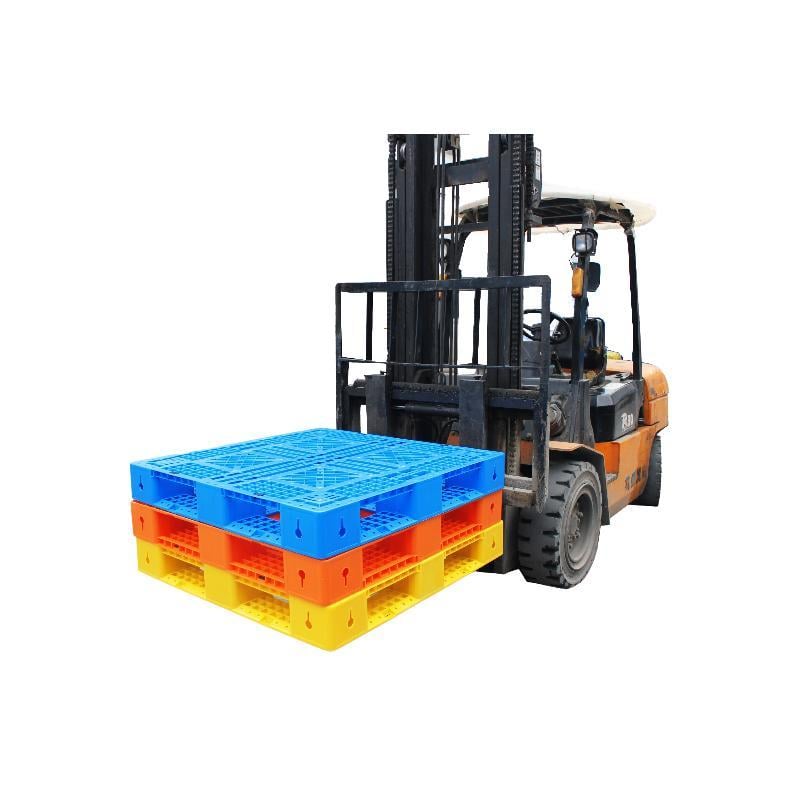 Plastic Pallets
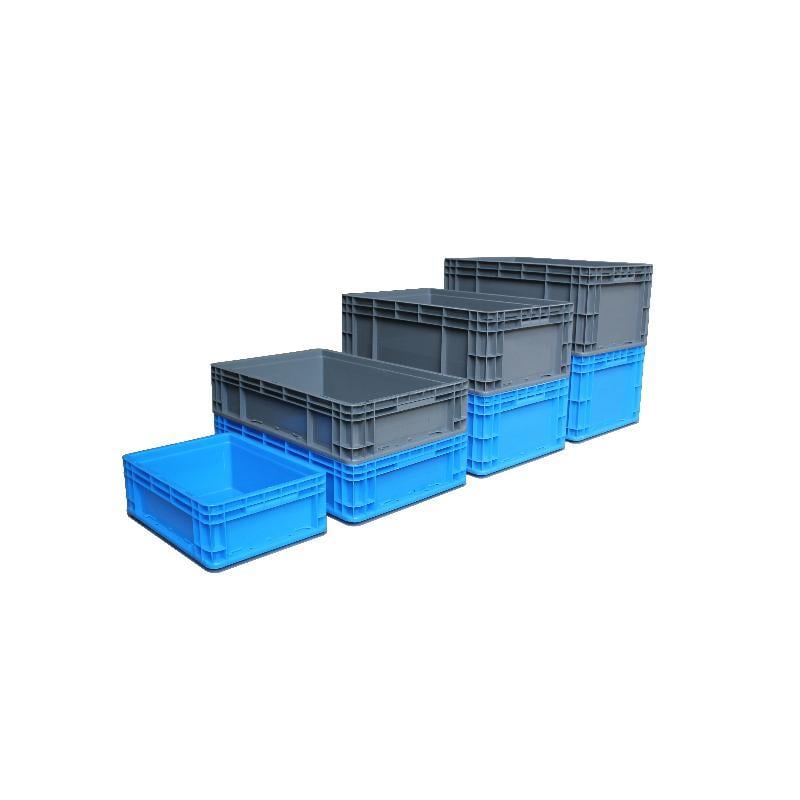 Logistics Box
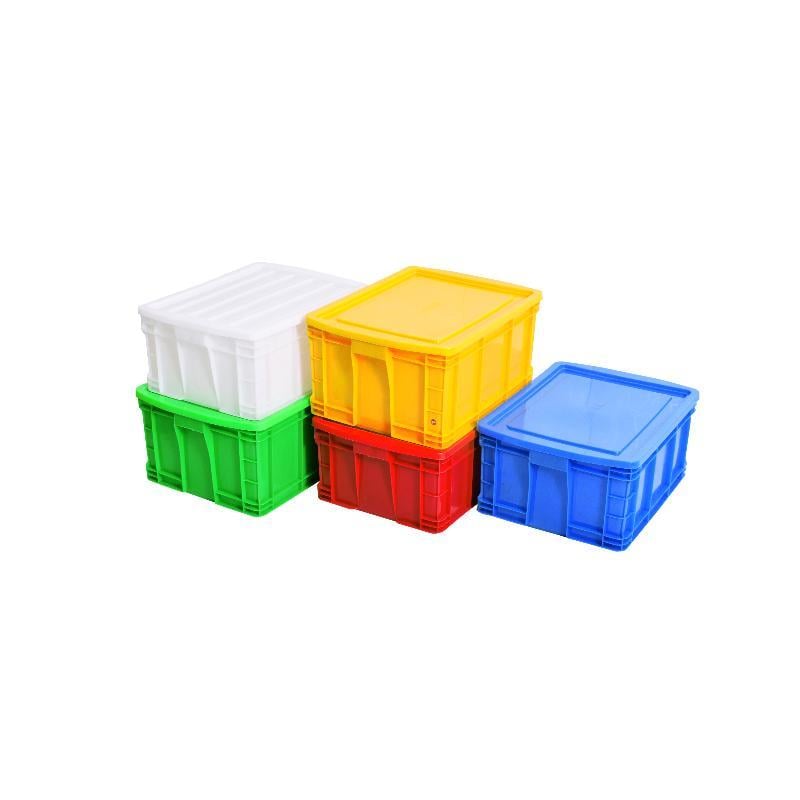 Plastic Crates
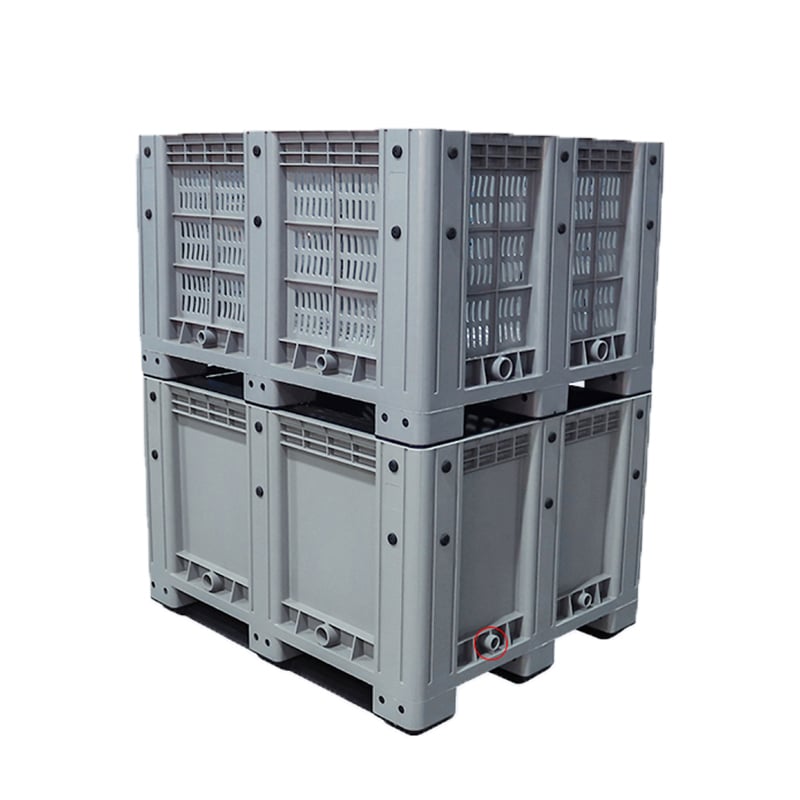 Bulk Containers
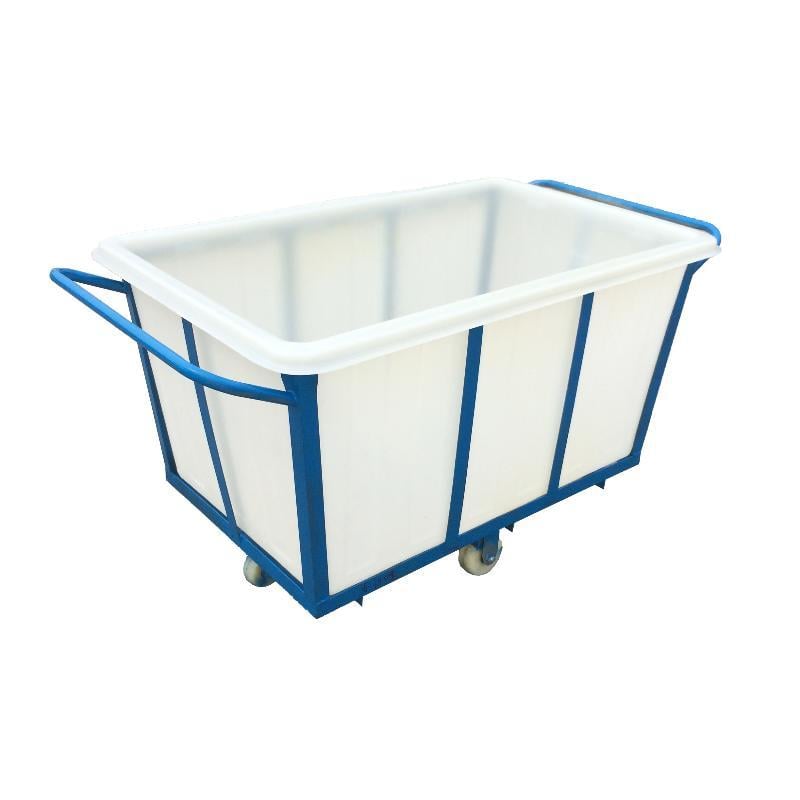 Trolly Cart
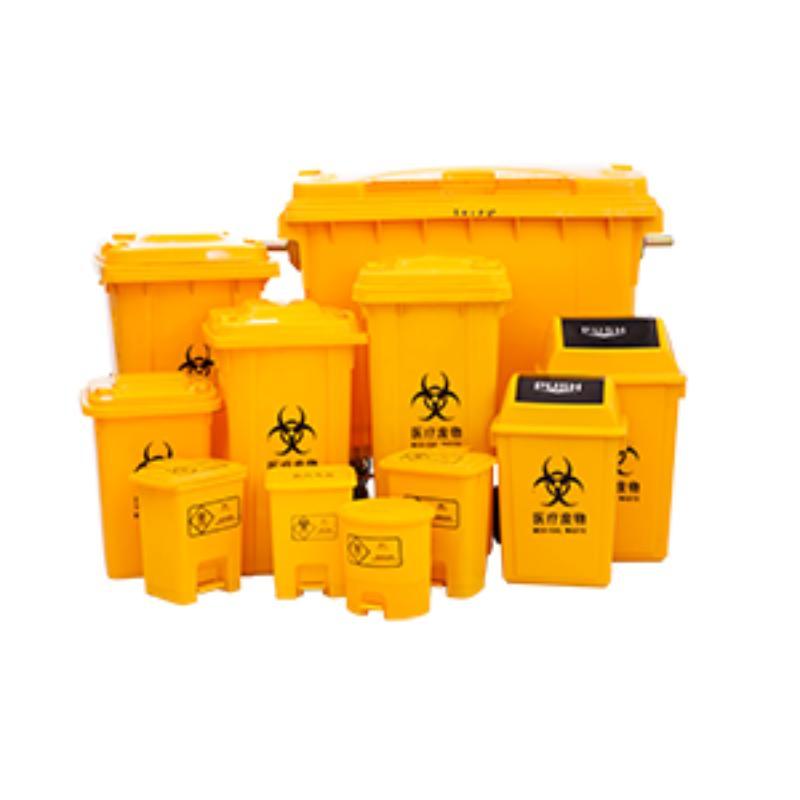 Waste Bins
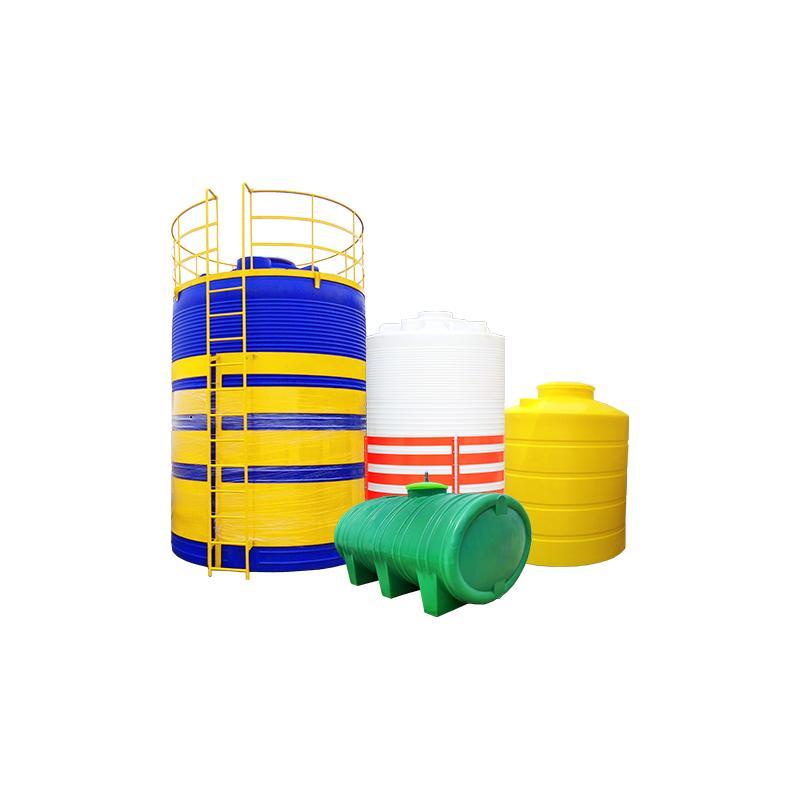 liquid storage containers
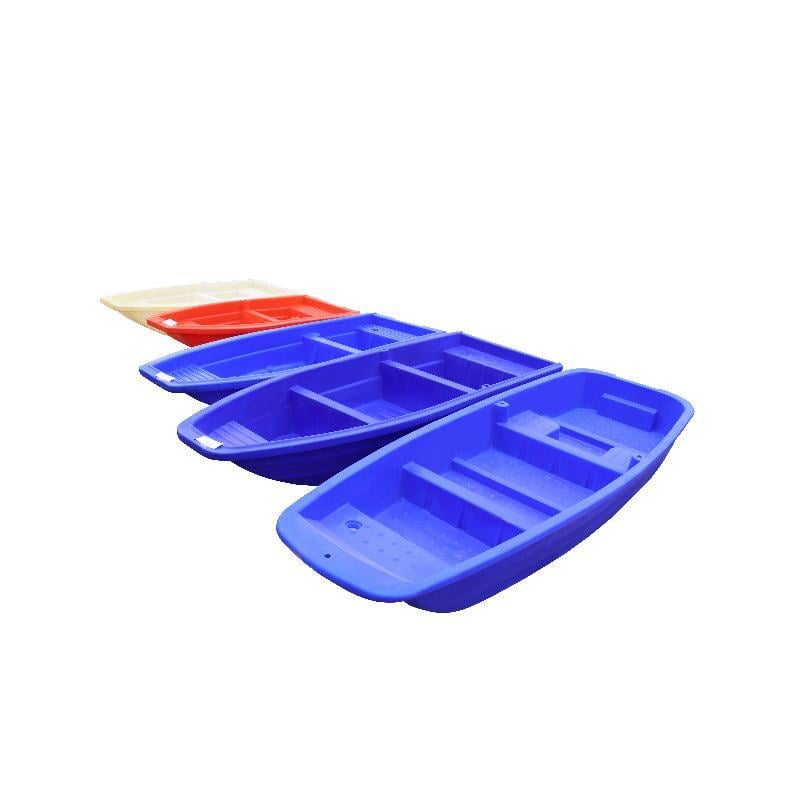 Boat &Aquatic products
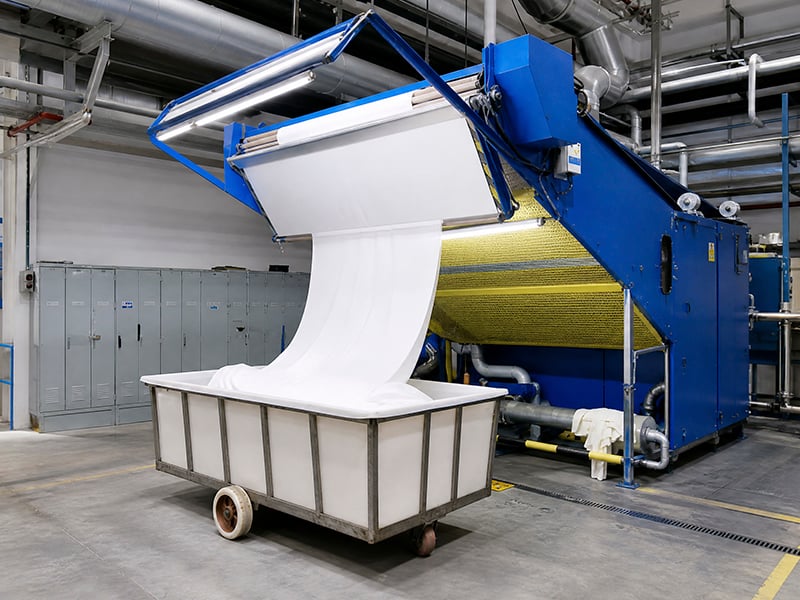
Efficient material handling is essential in workshops, textile mills, dyeing facilities, laundries, hotels, farms, and logistics operations. When fabric, components, garments, waste, or other materials must be moved repeatedly, the right trolley can reduce manual effort and improve workflow organization. Workshop and dyeing trolleys are designed for this type of frequent internal transport.
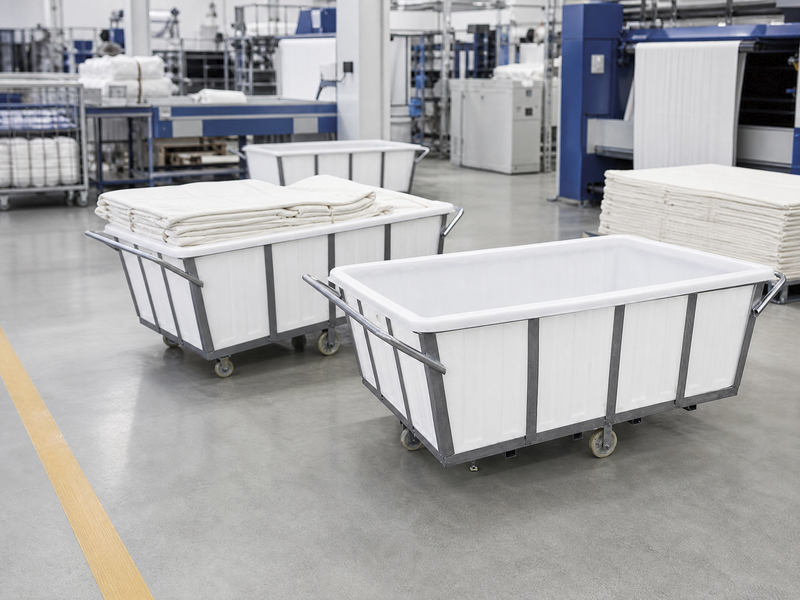
Unlike a simple hand cart, a workshop trolley normally combines a durable plastic bin with wheels, a handle, or a supporting metal frame. A dyeing trolley is commonly used to move textiles and materials through printing, dyeing, finishing, laundry, or production areas. Depending on the working environment, the same product family may also be described as a textile trolley or an industrial plastic trolley.
Linhui Plastics offers several wheeled plastic trolley designs, including a plastic bin trolley with a metal frame and a specialized printing and dyeing cart. The products are intended to be configurable for different capacities, colors, and operating environments.
What Are Workshop and Dyeing Trolleys?
Workshop and dyeing trolleys are mobile containers used to collect, transport, stage, or sort materials inside a facility. Their main components usually include a plastic bin, a metal frame or handle, casters, and sometimes a nesting or stackable structure. The bin provides the working volume, while the frame and wheels support movement through production or service areas. In product searches, plastic tank may describe the durable plastic body of a trolley, but buyers should check whether the supplier is offering a mobile open bin or a fixed liquid-storage tank.
A workshop trolley may be used for parts, tools, components, production materials, packaging, recycling, or general workshop handling. A dyeing trolley typically has a large open container that allows operators to load fabric, garments, or textile materials quickly. The correct shape and capacity depend on the type of material, the route through the facility, and the available storage space.
Key Features of Linhui Plastic Trolleys
Durable Plastic Bin Construction
The workshop product page identifies LLDPE/other materials for its plastic bin trolley and describes a polyethylene rectangular bin with resistance to impact, corrosion, and cracking. The dyeing product page identifies HDPE as the material for its printing and dyeing cart.
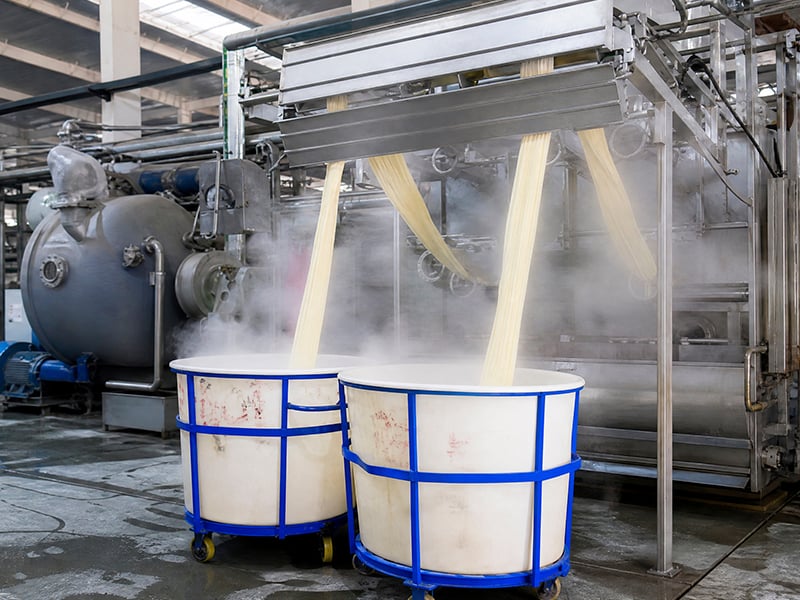
Plastic is useful in wet or humid work environments because it does not rust like untreated metal. A properly specified plastic tank or plastic trolley body can also provide a smooth surface for routine cleaning, subject to the actual material and chemical conditions. It can also provide a smooth surface that is easier to clean than many rough or porous handling surfaces. Material selection should still match the actual chemicals, temperature, cleaning agents, and operating conditions in the facility.
Galvanized Iron or Stainless-Steel Frame Options
The workshop trolley page lists galvanized iron or stainless steel metal frame options. The frame helps support the plastic bin and provides additional rigidity during movement. Stainless steel may be considered for environments where corrosion resistance, hygiene, or frequent washing is important, while galvanized steel can provide a practical balance of strength and cost for many general applications.
Heavy-Duty Casters for Smooth Movement
A textile trolley is often moved many times during a production shift, so caster performance directly affects operator effort and workflow efficiency. Linhui’s workshop product information highlights heavy-duty casters designed for smooth and quiet rolling. Buyers should confirm wheel material, wheel diameter, swivel or fixed configuration, braking requirements, floor type, and expected load before selecting a model.
Nestable and Space-Saving Design
The workshop product page describes an upper-wide and lower-narrow structure for nesting and space saving. When empty trolleys can be nested, a factory or service facility may use less floor space during storage. The actual nesting depth depends on the model, frame, handle, wheel arrangement, and whether accessories are attached.
Custom Sizes and Colors
The workshop trolley is listed in capacities from 50L to 2000L, including 50L, 90L, 120L, 140L, 160L, 200L, 300L, 400L, 500L, 600L, 1000L, 1600L, 1700L, 1800L, and 2000L. The dyeing trolley page states that size can be selected according to customer requirements and that colors may include white, blue, green, red, black, or a customized option.
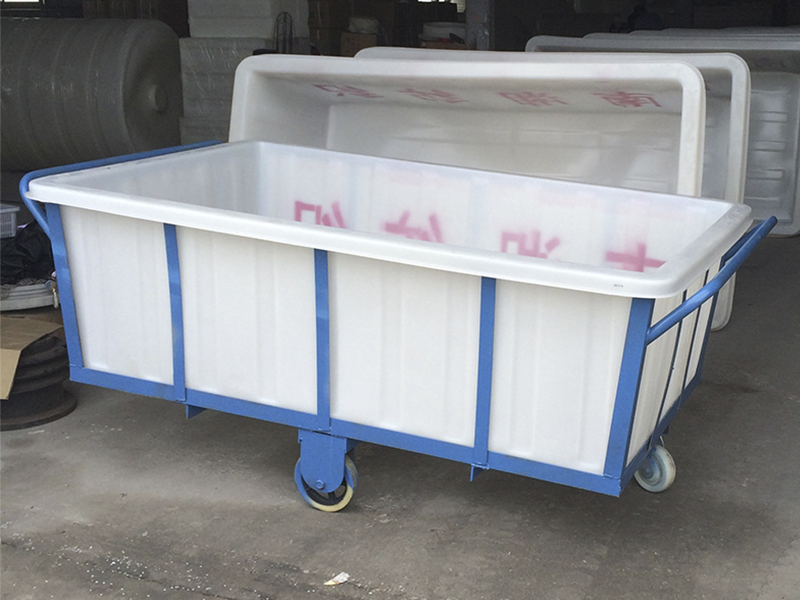
For an industrial plastic trolley, custom sizing can help match the trolley to production lanes, door widths, elevators, storage racks, conveyor interfaces, and operator requirements. The same review should be applied when a buyer searches for a plastic tank for textile handling or wet-process support. A supplier should confirm the complete assembled dimensions rather than only the nominal bin capacity.
Workshop Trolley vs. Dyeing Trolley
Although both products are wheeled plastic handling solutions, their practical priorities can differ. A workshop trolley may need a compact footprint, a strong handle, nesting capability, and a capacity suited to tools, parts, waste, or general materials. A dyeing trolley may require a larger open bin, smooth internal surfaces, easy cleaning, and a frame that supports frequent movement of wet or bulky textile materials.
|
Selection factor
|
Workshop trolley
|
Dyeing trolley
|
Buyer’s consideration
|
|
Typical work area
|
Workshop, factory, warehouse, farm, laundry, or logistics area
|
Printing, dyeing, textile, finishing, and laundry operations
|
Match the trolley to the facility workflow
|
|
Main load
|
Parts, tools, materials, waste, or components
|
Fabric, garments, textile materials, or process loads
|
Confirm load type, volume, and moisture level
|
|
Preferred form
|
Plastic bin with handle, wheels, and optional metal frame
|
Large open plastic cart with metal frame and wheels
|
Select the shape that supports loading and unloading
|
|
Material options
|
LLDPE/other plastic with galvanized or stainless frame
|
HDPE with wheeled metal-frame construction
|
Review chemical, cleaning, and temperature exposure
|
|
Mobility
|
Heavy-duty casters; braking may be specified
|
Smooth casters for repeated movement between process areas
|
Confirm wheel type, floor and route conditions
|
|
Storage
|
Nestable upper-wide/lower-narrow design may save space
|
Confirm whether the selected design can nest or stack
|
Plan empty-cart storage before ordering
|
|
Customization
|
Capacity, color, size, frame and handle options
|
Size, color, company identification and Logo options
|
Approve drawings and marking details before production
|
How to Choose the Right Industrial Plastic Trolley
Start by describing the material to be moved. Textile rolls, wet fabric, garments, metal parts, food ingredients, waste, and tools place different demands on a trolley. Explain whether the load is dry or wet, whether it may contain dye or chemicals, and whether the trolley will be washed after each use.
Next, determine the working capacity. A small workshop trolley may be easier to maneuver through narrow aisles, while a large dyeing trolley may reduce the number of internal trips required for textile handling. Do not select capacity by volume alone; the load weight, center of gravity, wheel rating, frame strength, and floor conditions must also be considered.
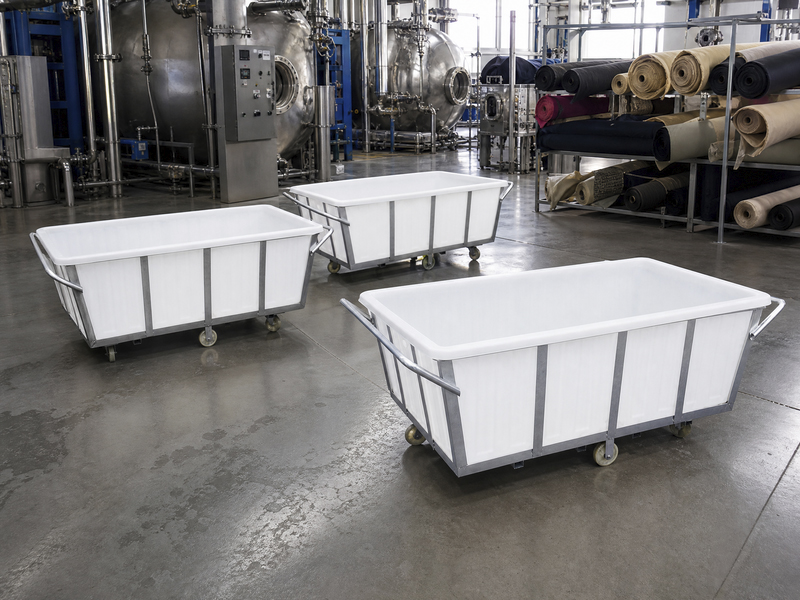
Then review movement and storage. Measure doorways, corridors, turning areas, ramps, lifts, and workstation openings. Confirm whether operators need a push handle, whether casters must swivel, whether brakes are required, and whether empty units need to nest. These details are especially important when purchasing multiple workshop and dyeing trolleys for a production line.
Finally, define customization and identification needs. Linhui’s dyeing trolley page states that company name, Logo, and identification information can be customized. Marking can help organize different process stages, departments, colors, or customer orders, subject to the final design and production approval.
Applications Across Textile and Industrial Operations
A dyeing trolley can support textile movement between preparation, printing, dyeing, washing, drying, inspection, and finishing areas. Its open bin design can make it easier to load fabric or garments from different directions. In laundry operations, a plastic trolley can be used to move soiled or clean linen, provided the chosen material and cleaning process are appropriate.
A textile trolley may also be used for cut fabric, finished garments, production offcuts, or work-in-process materials. When selecting a textile trolley, review the bin depth, caster layout, frame finish, and cleaning routine together. In a general factory, an industrial plastic trolley can support parts handling, assembly preparation, recycling collection, and internal logistics. The exact use should determine the bin size, frame finish, caster selection, and cleaning requirements. A plastic tank used around dyeing equipment should be specified for the intended exposure rather than selected by keyword alone.
Why Source from Linhui Plastics?
Jiangsu Linhui Plastic Product Co., Ltd. was established in 2011 and is headquartered in Changzhou, Jiangsu, China. The company states that it integrates product development, manufacturing, sales, and export services, with approximately 55,000 square meters of production facilities and more than 200 employees.
Linhui lists injection molding, rotational molding, and blow molding among its manufacturing capabilities. Its product portfolio includes industrial trolleys, linen carts, plastic bins, and other plastic handling products. For buyers sourcing workshop and dyeing trolleys, the company states that it can provide product customization, including sizes, colors, company identification, and OEM/ODM support.
Frequently Asked Questions
What is the difference between a workshop trolley and a dyeing trolley?
A workshop trolley is a general-purpose mobile bin for parts, tools, waste, and materials. A dyeing trolley is designed more specifically for textile, printing, dyeing, finishing, and laundry workflows. Both may use a plastic bin, metal frame, and casters, but the capacity and shape can differ.
What materials are used for these trolleys?
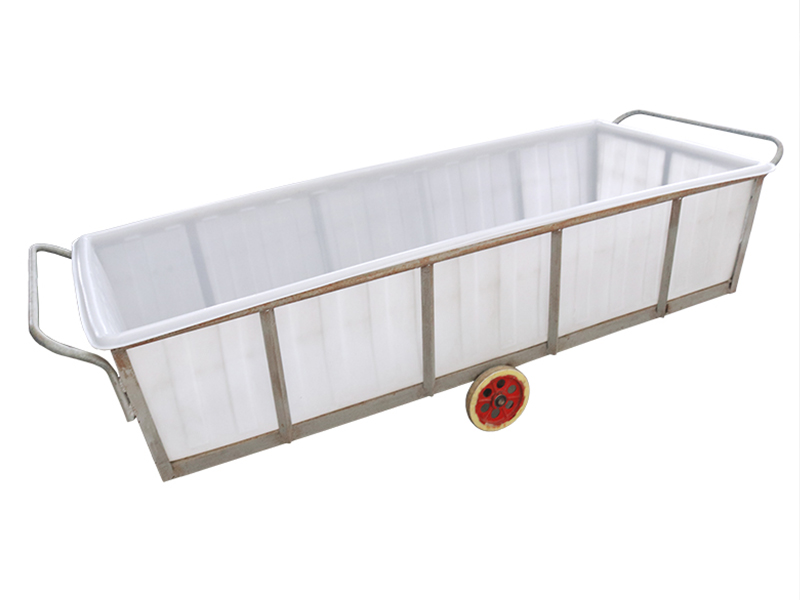
The workshop product page identifies LLDPE/other materials, while the printing and dyeing cart page identifies HDPE. Metal frame options listed for the workshop design include galvanized iron and stainless steel. The final material should be confirmed according to the load, chemicals, cleaning method, and environment.
Are workshop and dyeing trolleys easy to clean?
Plastic surfaces are generally practical for cleaning, but the suitable method depends on the material, contamination, temperature, and cleaning chemicals. Ask the supplier to confirm cleaning recommendations for the selected industrial plastic trolley and any plastic tank component.
Can the trolley size and color be customized?
Yes. Linhui lists multiple capacities for its workshop trolley and states that sizes and colors can be customized. The dyeing trolley page also states that size can be selected according to customer requirements and colors can be customized.
Can a textile trolley be used in wet production areas?
A textile trolley may be suitable for wet or humid areas when its plastic, frame, casters, fasteners, and other components are selected for those conditions. The buyer should provide details of water, dyes, chemicals, cleaning agents, and operating temperatures before ordering.
What information is needed for a quotation?
Provide the intended application, load type, capacity, dimensions, material preference, frame finish, caster requirements, color, quantity, destination, and any Logo or identification needs. This allows the manufacturer to recommend suitable workshop and dyeing trolleys and prepare an accurate quotation.
Improve Your Textile and Workshop Handling Workflow
Contact Linhui Plastics for product recommendations, OEM/ODM customization, and an export quotation for a suitable dyeing trolley, workshop trolley, or industrial plastic trolley. Share your required capacity, load type, working environment, dimensions, color, caster requirements, and destination so the team can develop a trolley solution suited to your operation.
Contact Us
Email: [email protected]
WhatsApp: +86 18806120677
Website: https://www.linhuiplastics.com/Trolly-cart
Table of Contents
- What Are Workshop and Dyeing Trolleys?
- Key Features of Linhui Plastic Trolleys
- Workshop Trolley vs. Dyeing Trolley
- How to Choose the Right Industrial Plastic Trolley
- Applications Across Textile and Industrial Operations
- Why Source from Linhui Plastics?
-
Frequently Asked Questions
- What is the difference between a workshop trolley and a dyeing trolley?
- What materials are used for these trolleys?
- Are workshop and dyeing trolleys easy to clean?
- Can the trolley size and color be customized?
- Can a textile trolley be used in wet production areas?
- What information is needed for a quotation?
- Improve Your Textile and Workshop Handling Workflow
- Contact Us