
 EN
EN
 AR
AR CS
CS DA
DA NL
NL FI
FI FR
FR DE
DE EL
EL HI
HI IT
IT JA
JA KO
KO NO
NO PL
PL PT
PT RU
RU ES
ES SV
SV TL
TL ID
ID SR
SR UK
UK VI
VI SQ
SQ HU
HU TH
TH TR
TR MS
MS IS
IS BN
BN LO
LO MN
MN NE
NE MY
MY UZ
UZ KY
KY


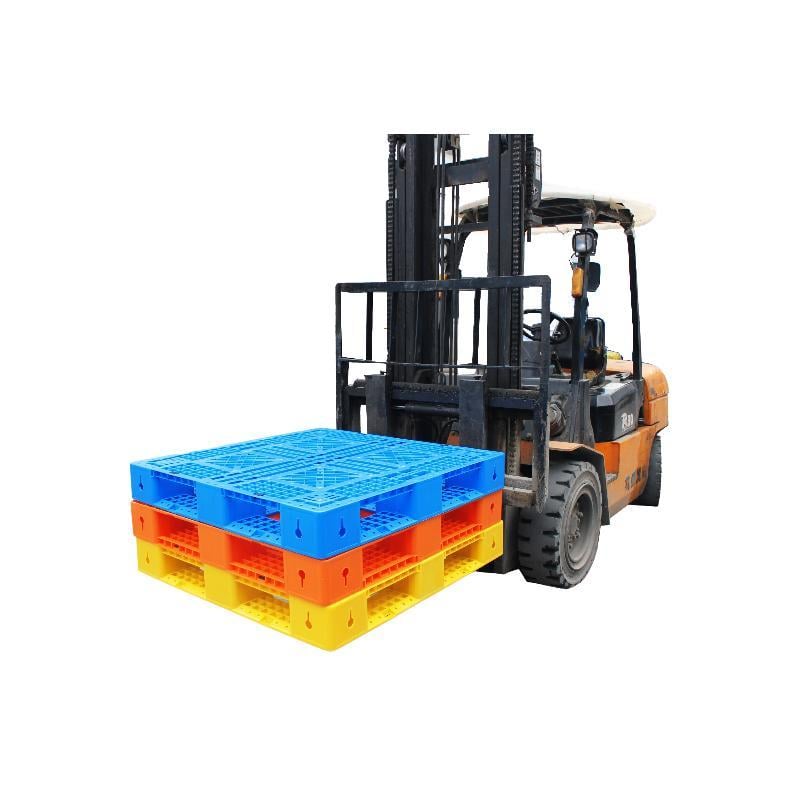 Plastic Pallets
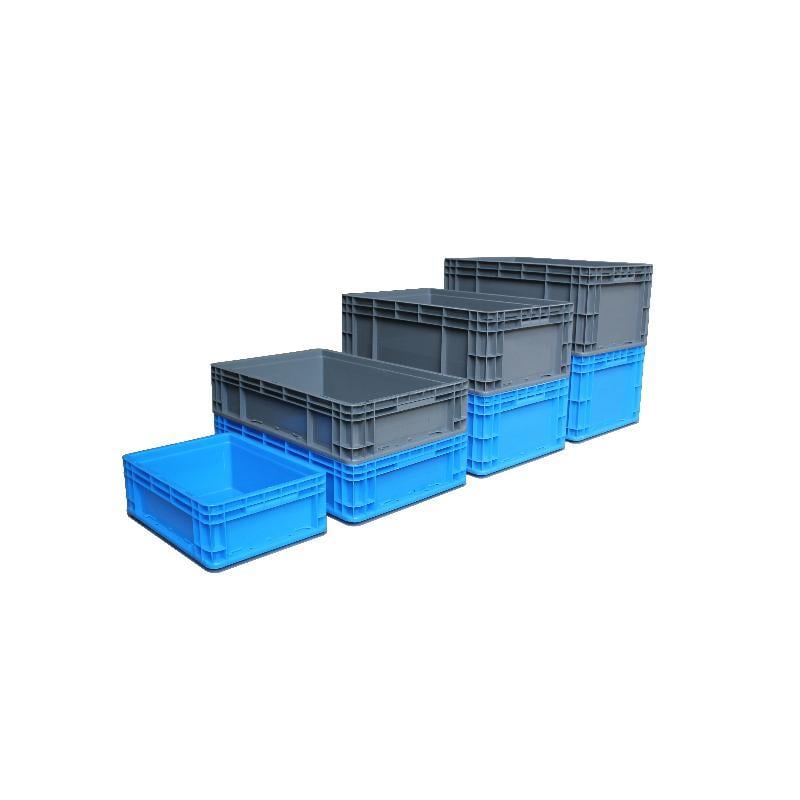 Logistics Box
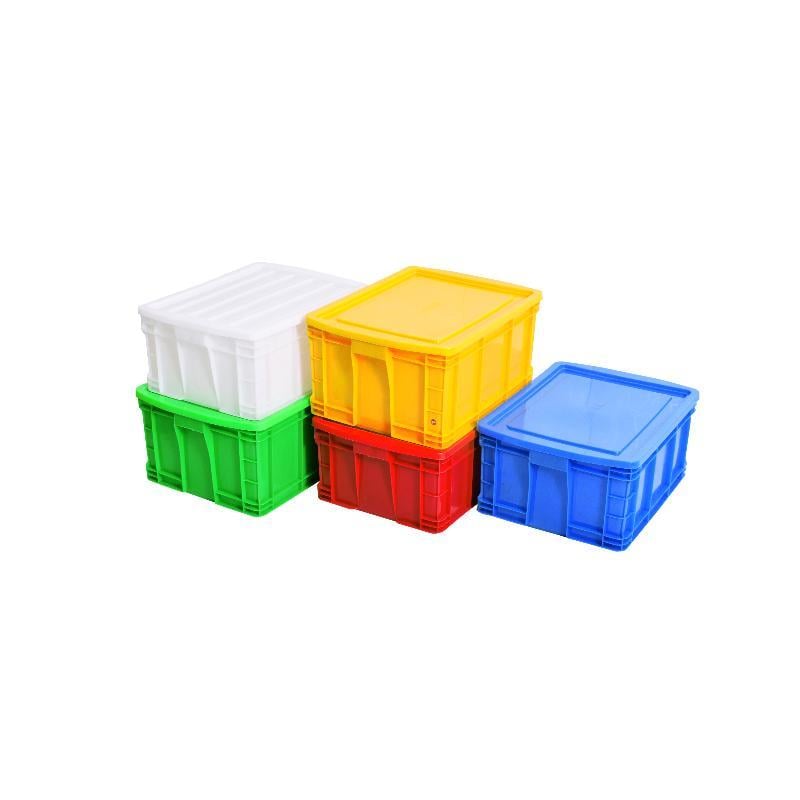 Plastic Crates
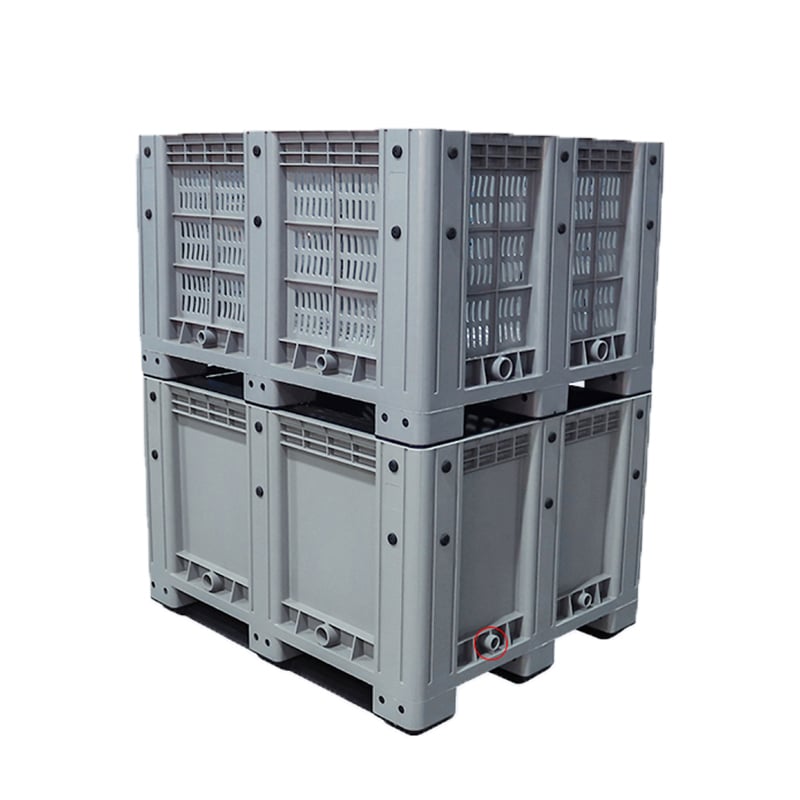 Bulk Containers
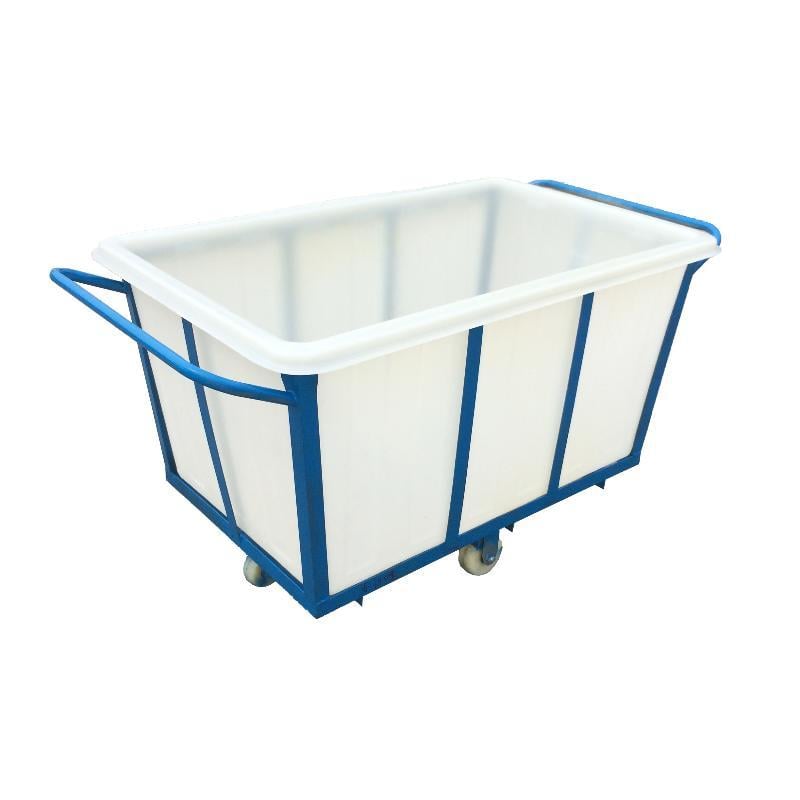 Trolly Cart
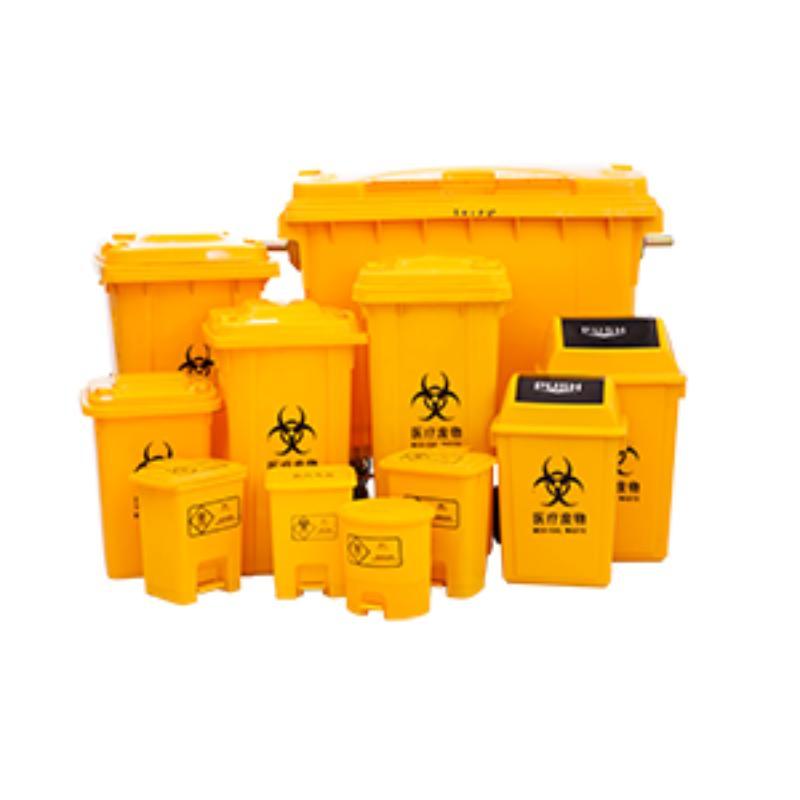 Waste Bins
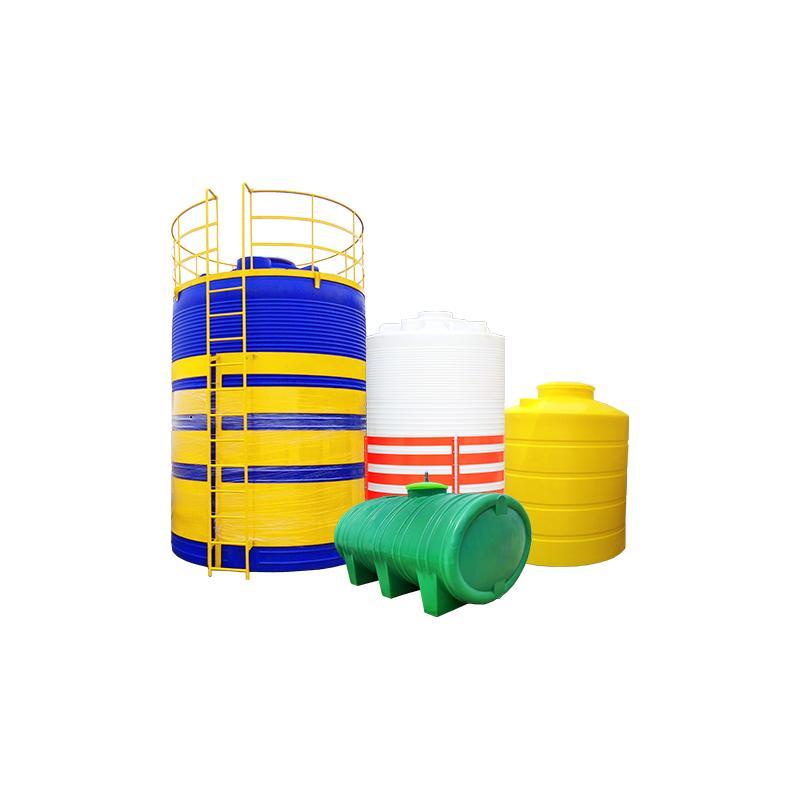 liquid storage containers
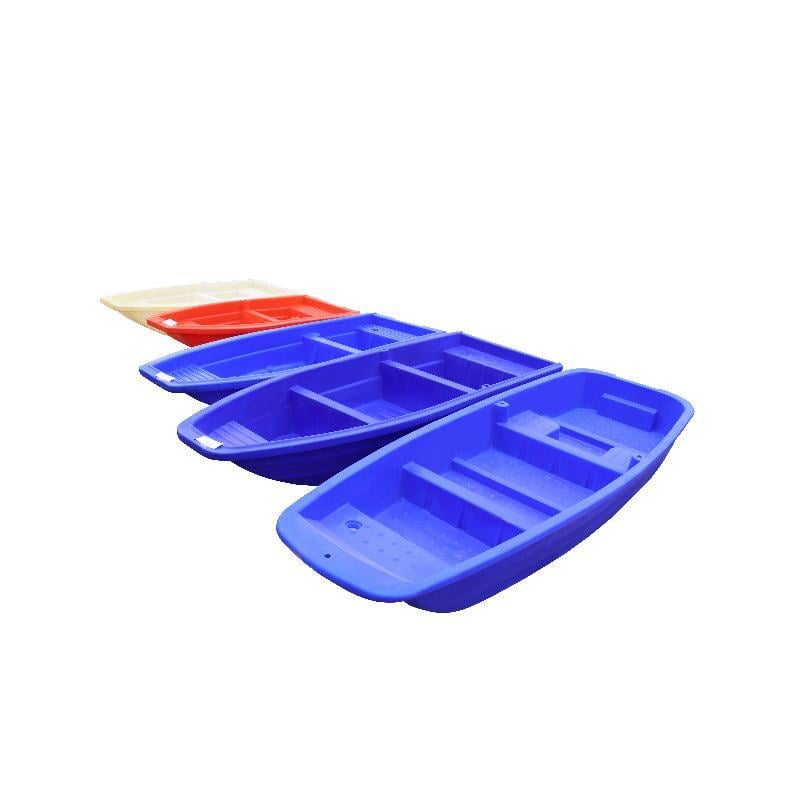 Boat &Aquatic products
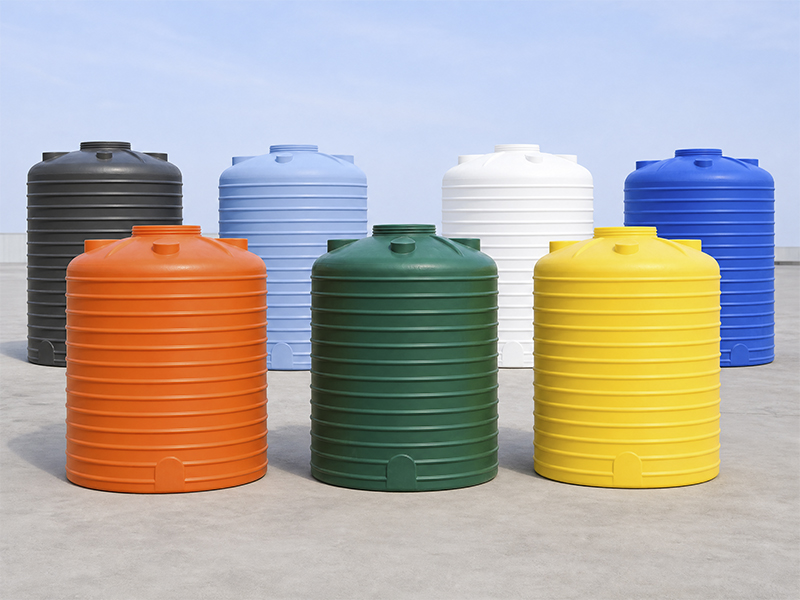
How to Choose a PE Chemical Storage Tank: A Practical Compatibility and Selection Guide
Choosing a polyethylene tank for chemical storage should start with the chemical, not only the required tank capacity. Chemical identity, concentration and operating temperature can determine whether a PE tank is suitable for an application.
A tank that appears suitable at room temperature may not be suitable for a heated process. A chemical that is compatible at one concentration may require a different material or tank design at another concentration. For this reason, a reliable selection must consider the complete operating condition before the tank is ordered.
This guide explains how to read a PE chemical compatibility chart, how to identify potential selection risks and what information international buyers should provide when requesting a quotation.
What Does PE Mean in Chemical Tank Applications?
PE is the abbreviation for polyethylene. PE tanks are considered for many liquid storage applications because polyethylene can provide useful corrosion resistance for selected chemicals and can be formed into different tank configurations.
However, “PE tank” is not a complete engineering specification. The final performance of a storage tank also depends on the PE material grade, tank structure, wall thickness, manufacturing process, fittings, gaskets, valves, piping and installation conditions.
A PE tank should therefore be selected for a specific chemical and a specific operating condition. It should not be assumed that every PE tank is suitable for every acid, alkali, solvent or oil.
How to Read the Chemical Compatibility Chart
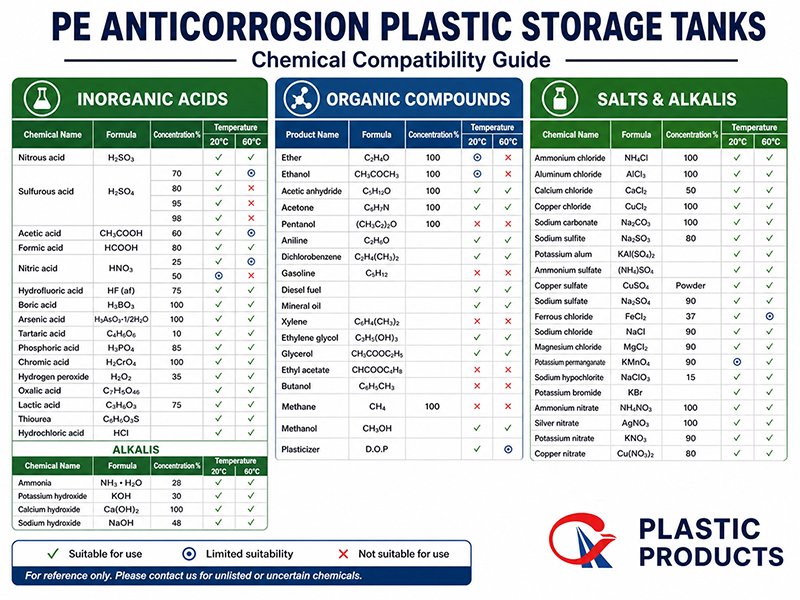
The compatibility chart used for this article provides results at 20°C and 60°C. It uses three symbols:
|
Symbol
|
Meaning
|
Recommended buyer action
|
|
√
|
Can be used under the listed condition
|
Use as a preliminary selection result and confirm the actual tank model.
|
|
◎
|
Marginally suitable
|
Request technical confirmation before long-term, continuous or heated storage.
|
|
×
|
Cannot be used under the listed condition
|
Do not select a PE tank for that chemical and condition based on this chart.
|
The symbol must always be read together with the chemical name, concentration and temperature. A result cannot be transferred from one chemical to another, from one concentration to another or from 20°C to 60°C without review.
Why Concentration and Temperature Matter
Chemical compatibility can change as concentration and temperature change. The supplied chart gives several clear examples.
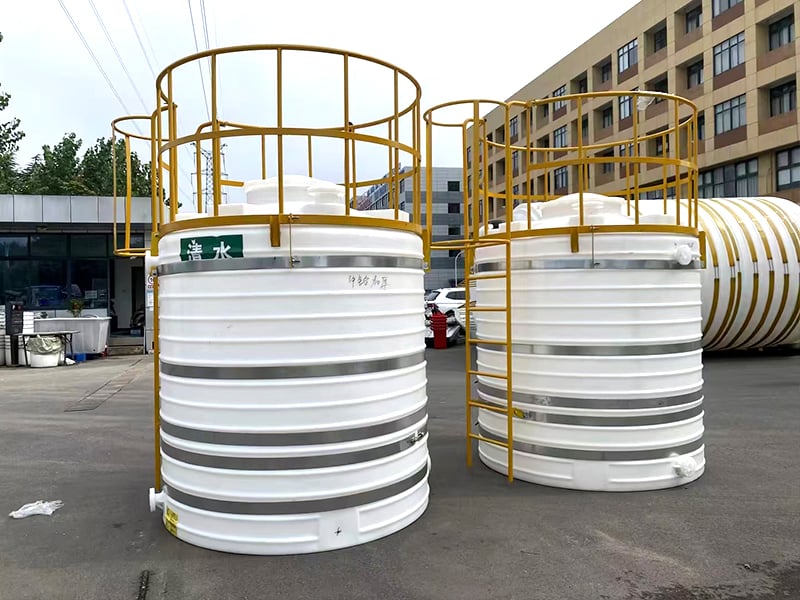
For 70% sulfuric acid, the chart shows √ at 20°C and ◎ at 60°C. For 80%, 95% and 98% sulfuric acid, the chart shows √ at 20°C and × at 60°C.
For 50% nitric acid, the chart shows ◎ at 20°C and × at 60°C. For 60% acetic acid, the result is shown as √ at 20°C and ◎ at 60°C.
These results demonstrate an important selection rule: the highest actual operating temperature must be included in the technical review. The temperature during filling, circulation, cleaning and discharge may be different from the normal storage temperature.
A tank selected for room-temperature storage should not automatically be used in a heated process. If the liquid temperature can rise during operation, the maximum expected temperature should be supplied to the tank manufacturer.
Chemical Groups Listed in the Compatibility Chart
The following examples are taken from the supplied chart. They are provided for preliminary screening only. The actual chemical identity, concentration and operating condition must be confirmed before the tank is ordered.
Acids and Oxidizing Chemicals
The chart lists hydrochloric acid, 75% hydrofluoric acid, 85% phosphoric acid, 35% hydrogen peroxide and selected concentrations of sulfuric acid, nitric acid and acetic acid.
Some entries are marked √ at both 20°C and 60°C. Other entries change to ◎ or × at 60°C. High-concentration acids and oxidizing chemicals require particular care because concentration, temperature and contamination can affect the application.
The chart includes the following examples:
|
Chemical
|
Formula shown in the chart
|
Concentration shown
|
20°C
|
60°C
|
|
Sulfuric acid
|
H₂SO₄
|
70%
|
√
|
◎
|
|
Sulfuric acid
|
H₂SO₄
|
80%
|
√
|
×
|
|
Sulfuric acid
|
H₂SO₄
|
95%
|
√
|
×
|
|
Sulfuric acid
|
H₂SO₄
|
98%
|
√
|
×
|
|
Acetic acid
|
CH₃COOH
|
60%
|
√
|
◎
|
|
Nitric acid
|
HNO₃
|
25%
|
√
|
◎
|
|
Nitric acid
|
HNO₃
|
50%
|
◎
|
×
|
|
Hydrofluoric acid
|
HF(aq)
|
75%
|
√
|
√
|
|
Phosphoric acid
|
H₃PO₄
|
85%
|
√
|
√
|
|
Hydrogen peroxide
|
H₂O₂
|
35%
|
√
|
√
|
|
Hydrochloric acid
|
HCl
|
Not specified in the chart
|
√
|
√
|
The table also shows several additional acid-related entries, including boric acid, arsenic acid, tartaric acid, chromic acid, tannic acid, lactic acid and benzenesulfonic acid. Where the concentration is blank or the chemical identity requires clarification, the entry should not be treated as a complete purchasing specification.
Alkalis
The chart lists ammonia solution, potassium hydroxide, calcium hydroxide and sodium hydroxide. The examples shown are marked √ at both 20°C and 60°C under the listed concentrations:
|
Chemical
|
Formula shown in the chart
|
Concentration shown
|
20°C
|
60°C
|
|
Ammonia solution
|
NH₃·H₂O
|
28%
|
√
|
√
|
|
Potassium hydroxide
|
KOH
|
30%
|
√
|
√
|
|
Calcium hydroxide
|
Ca(OH)₂
|
100%
|
√
|
√
|
|
Sodium hydroxide
|
NaOH
|
48%
|
√
|
√
|
The result still needs to be matched with the actual product, because a commercial chemical may contain water, additives, impurities or other components that are not represented by the simple chemical name alone.
Organic Chemicals, Oils and Solvents
Organic chemicals and solvents should not be selected by general PE experience. The chart lists some alcohols as √, while it marks several hydrocarbon and solvent examples as ×.
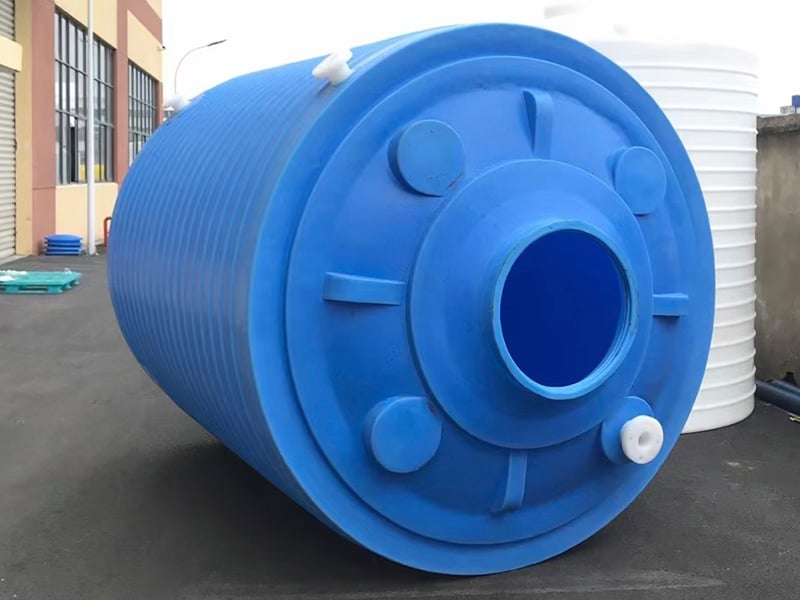
Examples marked as √ under the listed conditions include pentanol, ethanol, ethylene glycol as shown in the chart, phenol, butanol, methanol, diesel, olive oil and sulfonated kerosene. D.O.P. plasticizer is marked √ at 20°C and ◎ at 60°C.
Examples marked as × under the conditions shown include gasoline, ether, xylene, butyl acetate, toluene, kerosene, methane and acetone. These chemicals should not be treated as routine PE tank applications based on the supplied chart.
The chart also includes a number of entries with blank concentrations. In such cases, the buyer must provide the actual commercial product composition and concentration before a tank can be reviewed properly.
Inorganic Salts and Salt Solutions
The chart lists ammonium chloride, aluminum chloride, calcium chloride, copper chloride, sodium carbonate, sodium sulfite, alum, ammonium sulfate, copper sulfate, sodium sulfate, ferrous chloride, sodium chloride, magnesium chloride, potassium permanganate, potassium bromide, ammonium nitrate, silver nitrate, potassium nitrate and copper nitrate.
Many of these entries are marked √ at 20°C and 60°C under the conditions shown. However, the physical form must also be confirmed. A powder, clear solution, concentrated solution, slurry and solution containing suspended solids may require different equipment and discharge arrangements.
For example, the chart lists copper sulfate as “powder.” A powder is not the same operating condition as a liquid storage application. The buyer should therefore confirm whether the intended process involves dry storage, dissolution, slurry storage or a prepared solution.
Chemicals Requiring a “Do Not Guess” Decision
A ◎ result is not the same as a normal approval. It means that the application is marginal under the listed condition and requires additional review.
A × result should not be converted into a positive recommendation by reducing the tank price, increasing the wall thickness or changing the fitting arrangement without an engineering basis. If the chart marks a chemical as ×, the correct next step is to review another material or another engineered storage solution.
Particular care is required for:
•High-concentration sulfuric acid.
•High-concentration nitric acid.
•Heated acid storage.
•Oxidizing chemicals.
•Organic solvents and hydrocarbon products.
•Chemical mixtures with unknown additives.
•Products whose trade name does not clearly identify the chemical composition.
What Information Should Be Included in a Tank RFQ?
A complete inquiry helps the manufacturer recommend the correct tank and prevents repeated clarification during the quotation process.
|
Information to provide
|
Why it matters
|
|
Chemical name
|
Confirms the actual substance instead of relying on a trade name.
|
|
Chemical formula
|
Helps verify the chemical identity and avoid translation errors.
|
|
Actual concentration
|
Compatibility may change with concentration.
|
|
Normal operating temperature
|
Defines the routine service condition.
|
|
Maximum temperature
|
The highest temperature may control the material selection.
|
|
Minimum temperature
|
Low-temperature service may affect operation and handling.
|
|
Storage duration
|
Short-term contact is different from continuous storage.
|
|
Filling and discharge cycle
|
Frequent cycling may create different operating demands.
|
|
Density and viscosity
|
Affect tank loading, piping and discharge design.
|
|
Solid content or slurry condition
|
Affects settling, drain design and cleaning.
|
|
Required working capacity
|
Defines the usable volume needed for the process.
|
|
Total or nominal capacity
|
Prevents confusion between working volume and tank size.
|
|
Tank orientation
|
Determines whether a vertical or horizontal arrangement is needed.
|
|
Inlet, outlet, drain and overflow requirements
|
Allows the connections to be designed correctly.
|
|
Valve, pump and gasket requirements
|
The complete system must be chemically compatible.
|
|
Indoor or outdoor installation
|
Affects foundation, protection and operating conditions.
|
|
Ventilation requirements
|
Important for liquids that release vapor or gas.
|
The supplied image does not provide tank capacity, dimensions, wall thickness, connection sizes, design pressure, manufacturing standard or a specific PE grade. These details cannot be inferred from a general compatibility chart and must be confirmed for the selected model.
A Practical Four-Step Selection Process
Step 1: Confirm the Chemical Identity
Check the product label, safety data sheet and purchase specification. Confirm the chemical name, formula, concentration and mixture composition. Do not rely only on a local abbreviation or a translated trade name.
One entry in the supplied image requires verification because it shows “nitrous acid” together with the formula H₂SO₃. The name and formula appear inconsistent. The actual substance must be confirmed before any material selection is made.
Step 2: Compare the Real Condition with the Chart
Match the actual chemical concentration and the maximum operating temperature with the chart. If the result is √, continue with model-specific review. If the result is ◎, request written confirmation and consider compatibility testing. If the result is ×, do not select a PE tank for that condition based on this chart.
Step 3: Review the Complete Tank System
The tank body is only one part of the installation. Confirm the compatibility of the tank body, nozzles, valves, pipes, gaskets, pumps, level instruments and other wetted parts.
A compatible tank body does not automatically confirm that a gasket or valve is suitable. The material of every part in contact with the chemical should be reviewed separately.
Step 4: Confirm the Site and Operating Method
Review the foundation, support, piping arrangement, overflow protection, venting, filling method, discharge method and emergency response measures before commissioning.
The connected piping should have independent support. Its weight should not be transferred to the tank nozzle. The tank should not be used as a pressure vessel or vacuum vessel unless its design specifically allows that service.
Installation and Operating Recommendations
Install the tank on a level foundation with adequate load-bearing capacity. Protect the tank from sharp objects, impact, local compression and uneven support.
Before filling, verify the chemical identity, concentration and temperature. Do not exceed the approved operating level. Leave the required expansion and overflow space according to the final tank design.
During operation, inspect the tank, connections and surrounding area regularly. Pay attention to swelling, softening, cracking, discoloration, abnormal deformation, leakage or unusual odor.
If an abnormal condition appears, stop the operation, isolate the equipment and arrange a technical inspection. Do not continue using a tank after chemical damage has been observed simply because there is no visible leakage.
Compatibility approval does not replace site safety procedures for corrosive, oxidizing, flammable or toxic chemicals. The user remains responsible for the applicable chemical handling, ventilation, emergency response and workplace safety requirements.
What a Reliable Manufacturer Confirmation Should Cover
Before placing an order, request confirmation of the following items for the selected tank model:
1.Tank material and applicable chemical service.
2.Approved chemical name, concentration and temperature range.
3.Working capacity and total capacity.
4.Tank dimensions and installation orientation.
5.Wall structure or wall thickness where applicable.
6.Inlet, outlet, drain, overflow and vent connections.
7.Valve, gasket and accessory materials.
8.Foundation and support requirements.
9.Restrictions on pressure, vacuum, heating or agitation.
10.Inspection and commissioning requirements.
This process helps separate a general material compatibility reference from a project-specific tank recommendation.
Final Recommendation for International Buyers
The safest way to choose a PE chemical storage tank is to match four items before discussing price or delivery: chemical identity, concentration, temperature and tank construction.
The supplied compatibility chart is useful for preliminary screening at 20°C and 60°C. It shows that some chemicals may be suitable at 20°C but marginal or unsuitable at 60°C. It also identifies several solvents and hydrocarbon products that should not be selected for routine PE tank storage under the listed conditions.
For a fast and accurate quotation, send the chemical name, chemical formula, concentration, normal and maximum temperature, required working capacity, tank orientation, connection requirements and installation environment. The final recommendation should be based on the actual project conditions and written confirmation for the selected tank model.
Request a PE Tank Selection Review
Planning to store an acid, alkali, salt solution or another chemical in a PE tank? Send the following information to the manufacturer:
•Chemical name and formula.
•Actual concentration.
•Normal and maximum temperature.
•Required working capacity.
•Storage duration and operating cycle.
•Tank orientation and installation location.
•Inlet, outlet, drain, overflow and vent requirements.
A complete technical inquiry allows the tank supplier to review chemical compatibility, tank configuration and installation requirements before quotation.
Image Caption
Chemical compatibility reference chart for PE storage tanks. √ means the listed chemical can be used under the stated condition, ◎ means marginally suitable and × means not suitable. Final selection must be confirmed against the actual chemical, concentration, temperature and tank model.
Content Disclaimer
This article is based on the chemical compatibility chart supplied with the product image. It is intended for preliminary selection and technical communication. The image does not provide a universal approval for every PE tank, chemical mixture or operating condition. It also does not specify tank capacity, dimensions, wall thickness, fittings, design pressure, manufacturing standard or a specific PE grade. The final selection should be confirmed by the tank manufacturer and the end user according to the actual project conditions.
Contact Us
Table of Contents
- How to Choose a PE Chemical Storage Tank: A Practical Compatibility and Selection Guide
- What Does PE Mean in Chemical Tank Applications?
- How to Read the Chemical Compatibility Chart
- Why Concentration and Temperature Matter
- Chemical Groups Listed in the Compatibility Chart
- Chemicals Requiring a “Do Not Guess” Decision
- What Information Should Be Included in a Tank RFQ?
- A Practical Four-Step Selection Process
- Installation and Operating Recommendations
- What a Reliable Manufacturer Confirmation Should Cover
- Final Recommendation for International Buyers
- Request a PE Tank Selection Review
- Image Caption
- Content Disclaimer
- Contact Us