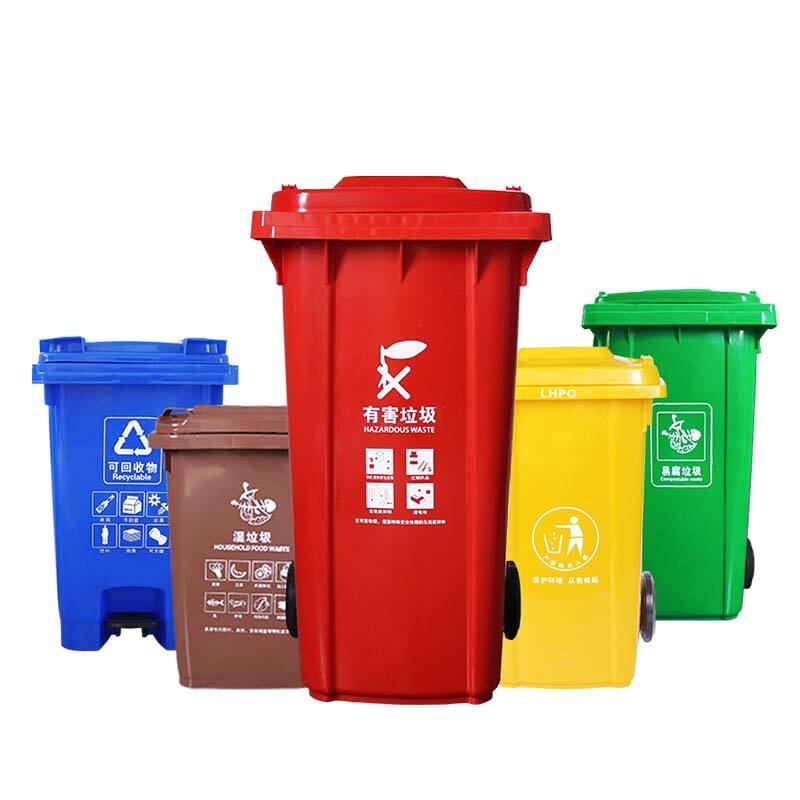
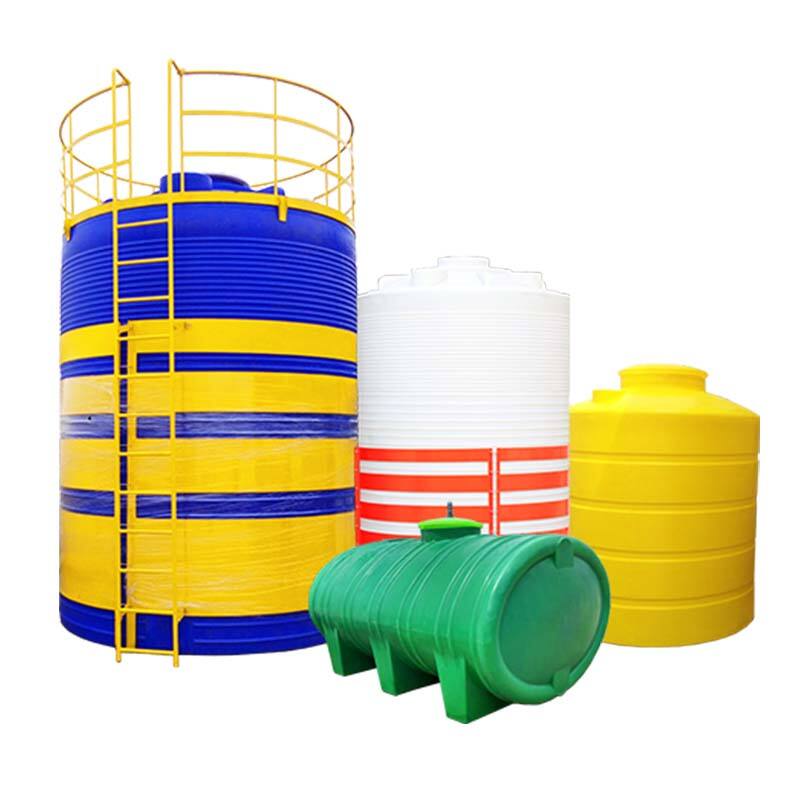
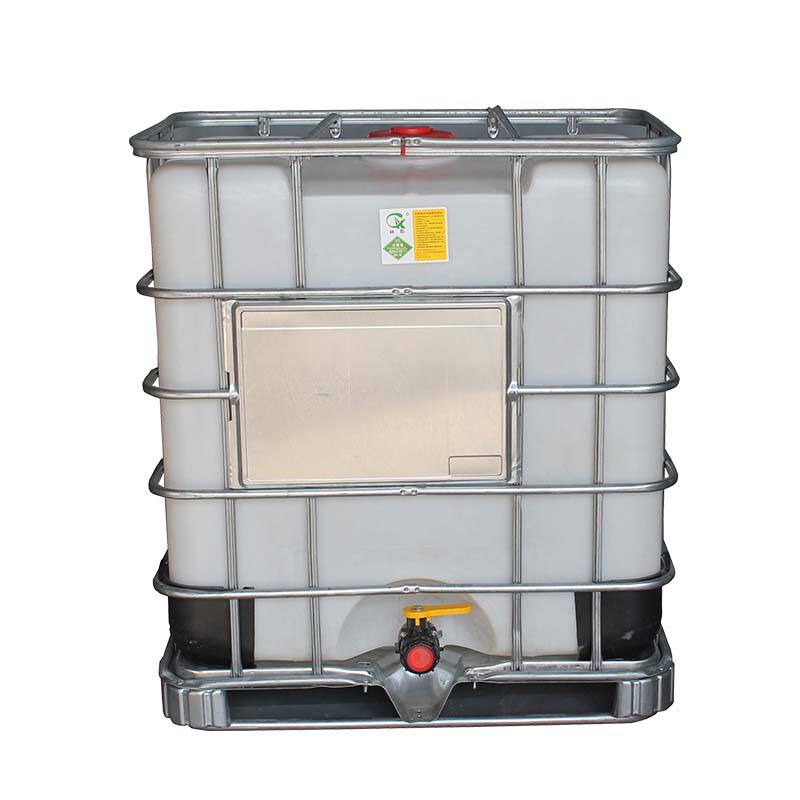
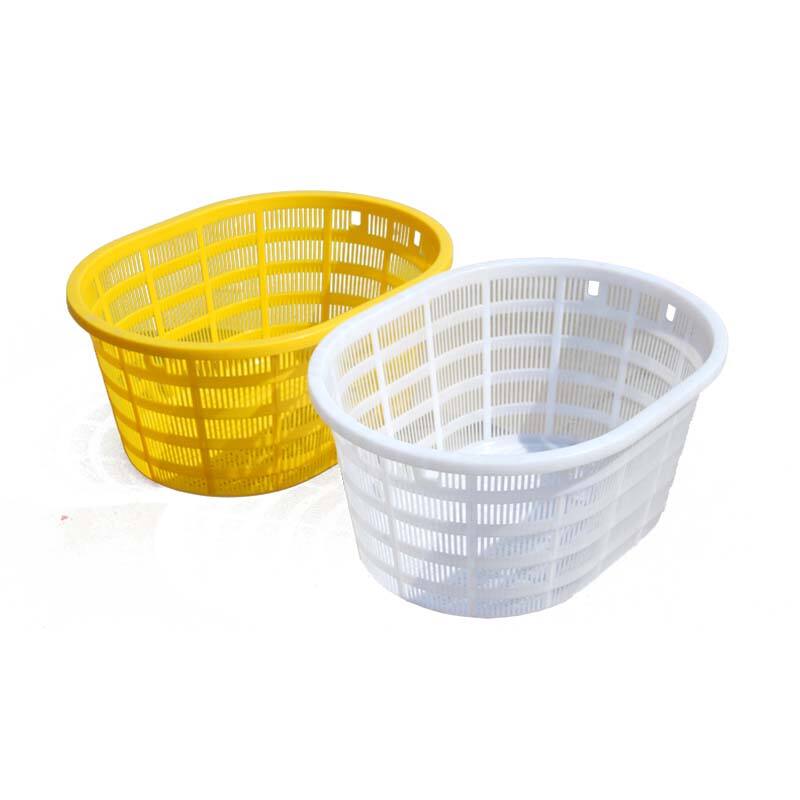
We are surrounded by plastic cups, forks, and containers every day. They are in all kinds of bright colors, shapes, and sizes. You can see them at the grocery store, in fast-food restaurants, and at a picnic. Plastic containers are so convenient because we can use them quickly and easily and don’t have to think about them anymore after we throw them away. But do you know that large plastic waste containers can be really bad for the environment? This text will explore the following subjects about plastic waste containers: how they are bad for the Earth, how they affect the ocean, alternatives, why it is important to throw them away properly, and how we can have fun reusing them to save the planet. If you have ever seen plastic cups or forks lying on the ground or in a bin, look closely. Plants and animals can be harmed if we don’t get rid of them the right way. Plastic takes a very long time to decompose, perhaps thousands of years! This implies that it can cause issues for a long time. When plastic waste containers are sent to landfills, for example, they emit gases that are harmful to the environment. This pollution can use the air that we breathe filthy and unhealthy. The air quality is harmful to both our health and our surroundings.
Not only do plastic waste containers create land issues, but they also have detrimental effects on our oceans. And when people toss out plastic containers, such as straws and cups, into the ocean, they can get ingested by sea animals. Sea turtles, for example, may confuse plastic bags with jellyfish, one of their favorite foods. Plastic bags cause birds to choke and die when they ingest them. Ocean currents can also carry these plastic waste containers and form them in certain locations in the ocean, thus creating huge plastic garbage patches formed by ocean currents. These areas are known as garbage patches. Obstacle courses Garbage patches are dangerous because they damage the ocean environment making the water dirty and dangerous for sea animals in the ocean. That is a major problem for the animals and plants that depend on a clean ocean to survive.
When finding ways to help protect our Earth, we can search for better alternatives to plastic garbage containers. One excellent option is to use reusable containers. Reusable containers are made of glass, metal or bamboo, and we can use them multiple times. This not only helps with throwing away less plastic but also saves us money over time since we are not buying new plastic products regularly. A further smart move is to purchase products comprised of recycled materials. By purchasing recycled products we are reducing waste and working to not go overboard on plastic. By our usage of eco-friendly products, this is a nice way to make a help for a better environment.
Plastic waste containers should always be disposed of in the proper manner. If they can be recycled, then in the recycling bin; if they can’t be, then in the trash can. If you are unsure if an item is recyclable, or have access to the recycling symbol, take a few seconds to look.【7】 Then we have this symbol which indicates that the item is recyclable and belongs in the recycling bin. When used plastic waste containers are discarded, they should not get into the nature. This makes air pollution lower and helps preserve the environment, keeping it clean and safe for all. Disposing of properly is a simple but effective way to contribute to protecting our planet.
So, rather than simply tossing away plastic waste containers, let's look for ways to reuse them that are fun and creative! For instance, we can reuse plastic cups by planting seeds of flowers or vegetables instead of throwing away plastic cups. Plastic bottles in particular can be used to do some fun projects, such as feeding the birds with a bird feeder or keeping your paintbrushes tidy with paintbrush holders. These fun and innovative craft ideas utilize plastic waste containers, helping minimize the generation of plastic waste. These creative efforts not only benefit the planet, but also can make great things to do with family and friends.

 EN
EN
 AR
AR CS
CS DA
DA NL
NL FI
FI FR
FR DE
DE EL
EL HI
HI IT
IT JA
JA KO
KO NO
NO PL
PL PT
PT RU
RU ES
ES SV
SV TL
TL ID
ID SR
SR UK
UK VI
VI SQ
SQ HU
HU TH
TH TR
TR MS
MS IS
IS BN
BN LO
LO MN
MN NE
NE MY
MY UZ
UZ KY
KY


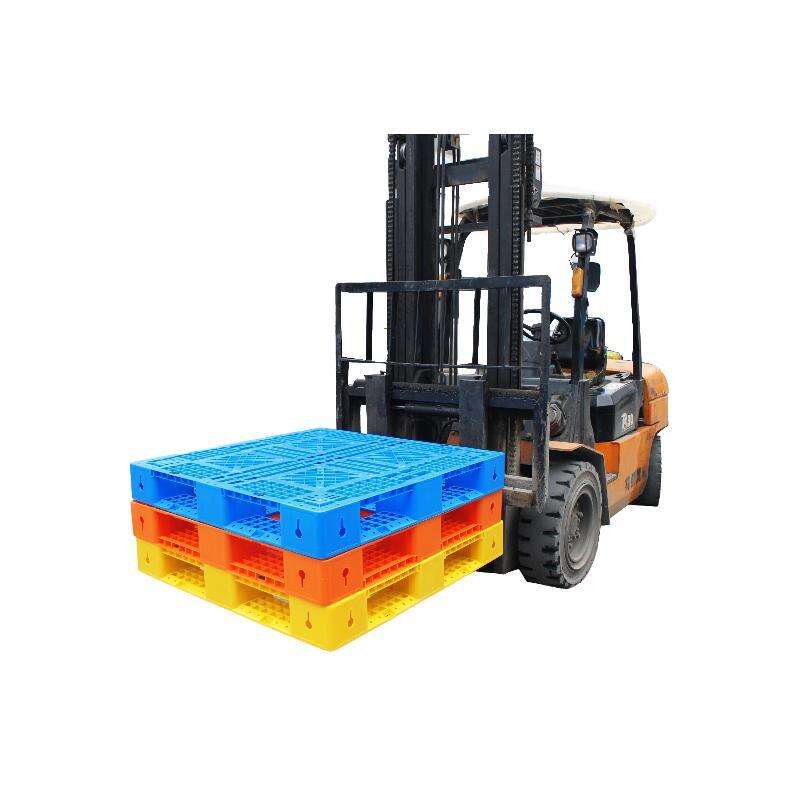 Plastic Pallets
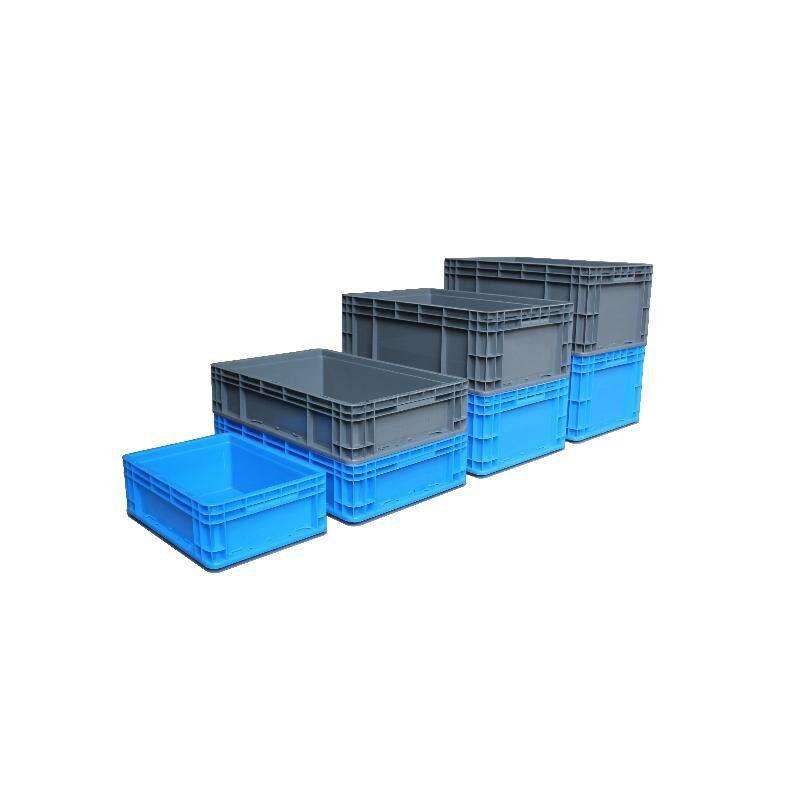 Logistics Box
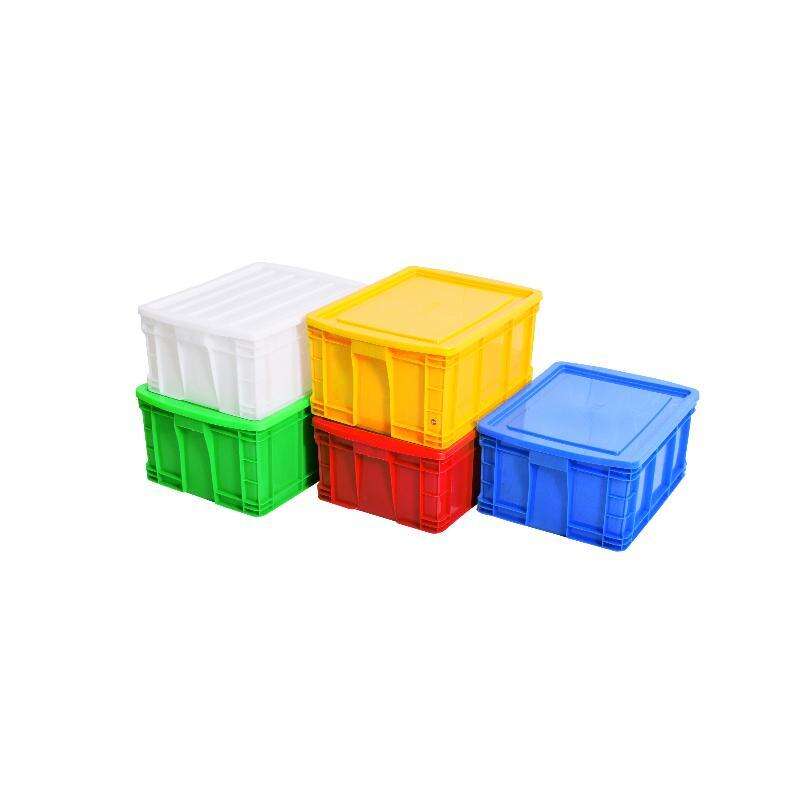 Plastic Crates
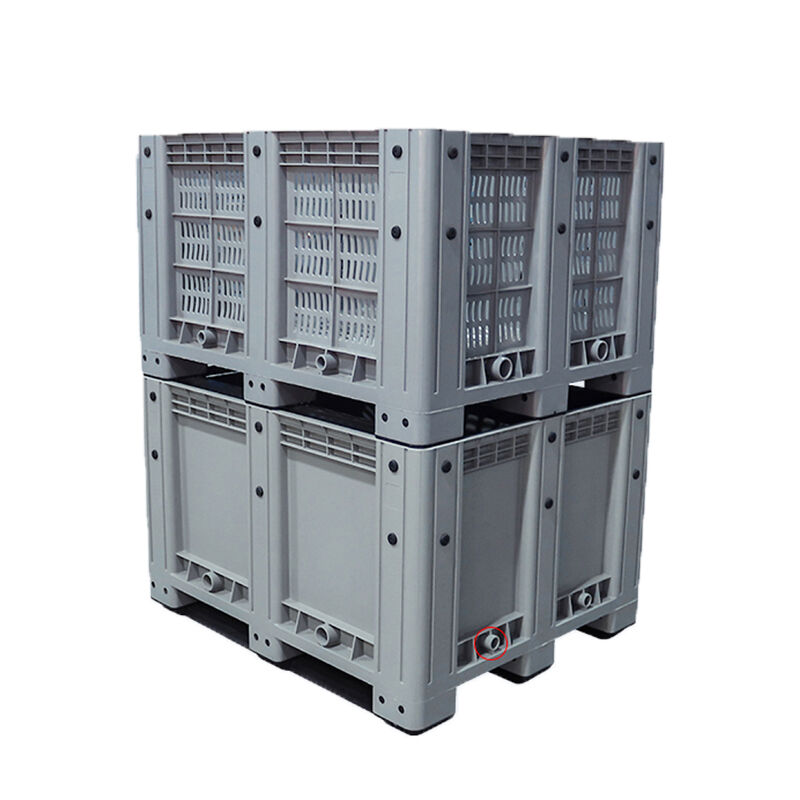 Bulk Containers
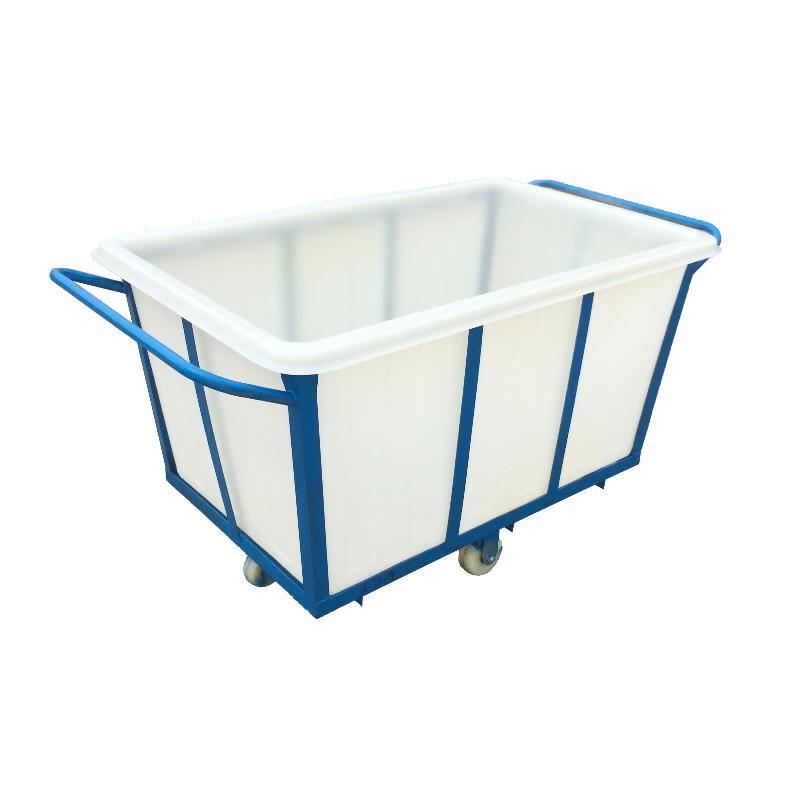 Trolly Cart
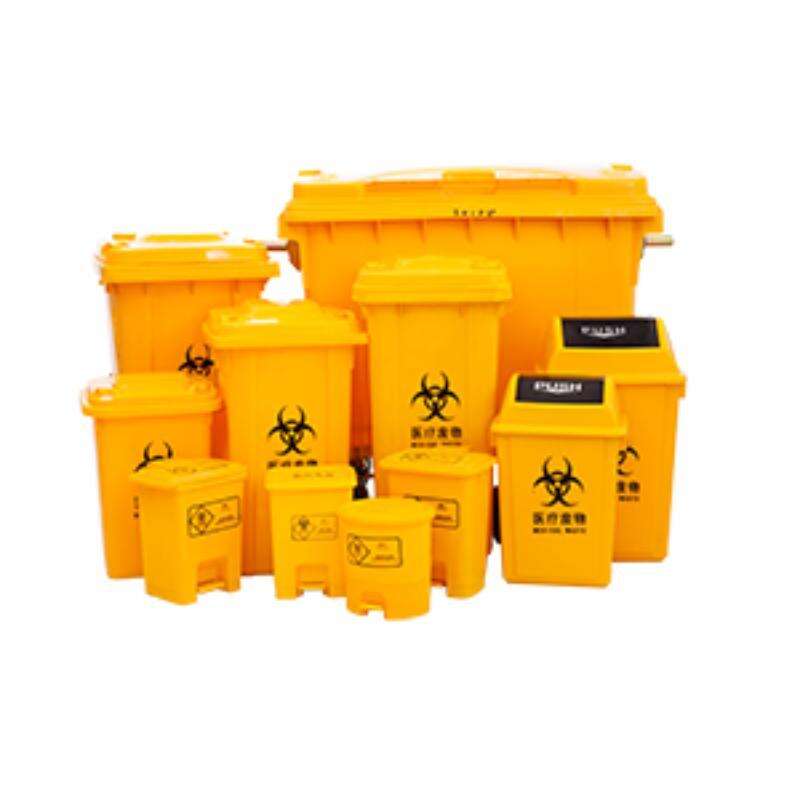 Waste Bins
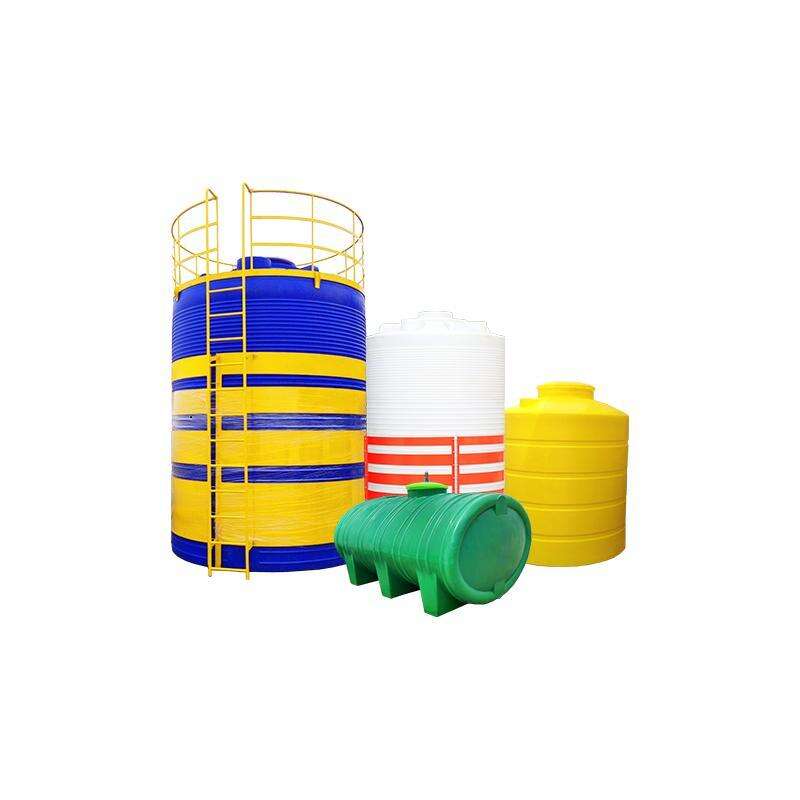 liquid storage containers
 Boat &Aquatic products