
 EN
EN
 AR
AR CS
CS DA
DA NL
NL FI
FI FR
FR DE
DE EL
EL HI
HI IT
IT JA
JA KO
KO NO
NO PL
PL PT
PT RU
RU ES
ES SV
SV TL
TL ID
ID SR
SR UK
UK VI
VI SQ
SQ HU
HU TH
TH TR
TR MS
MS IS
IS BN
BN LO
LO MN
MN NE
NE MY
MY UZ
UZ KY
KY


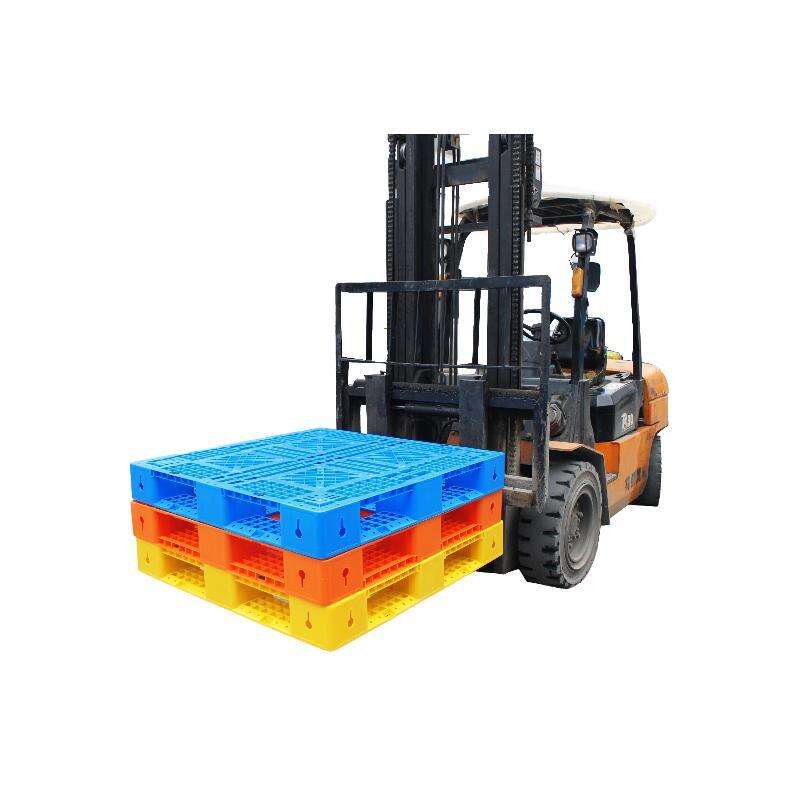 Plastic Pallets
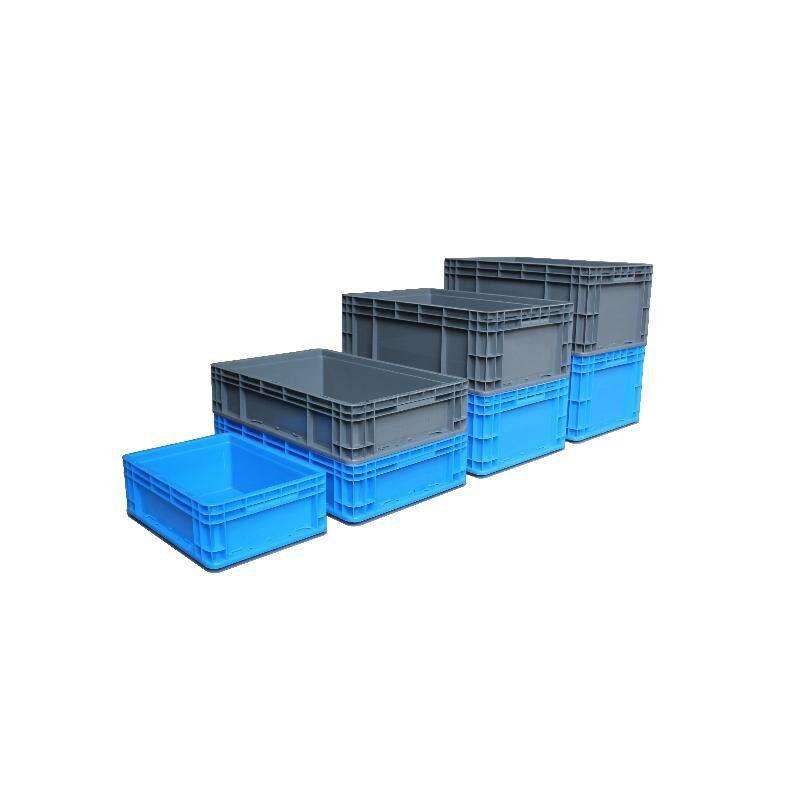 Logistics Box
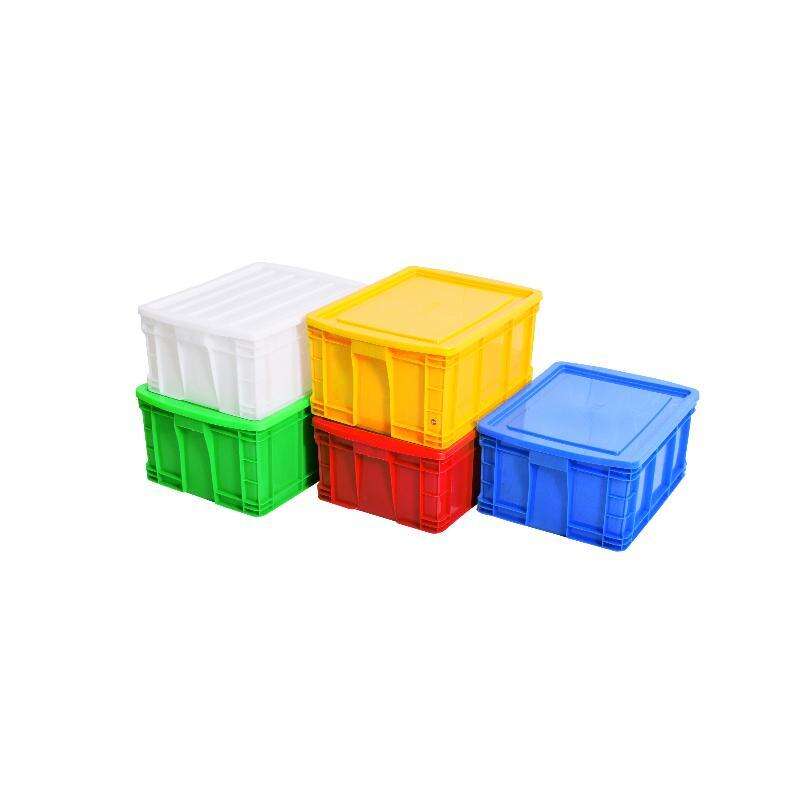 Plastic Crates
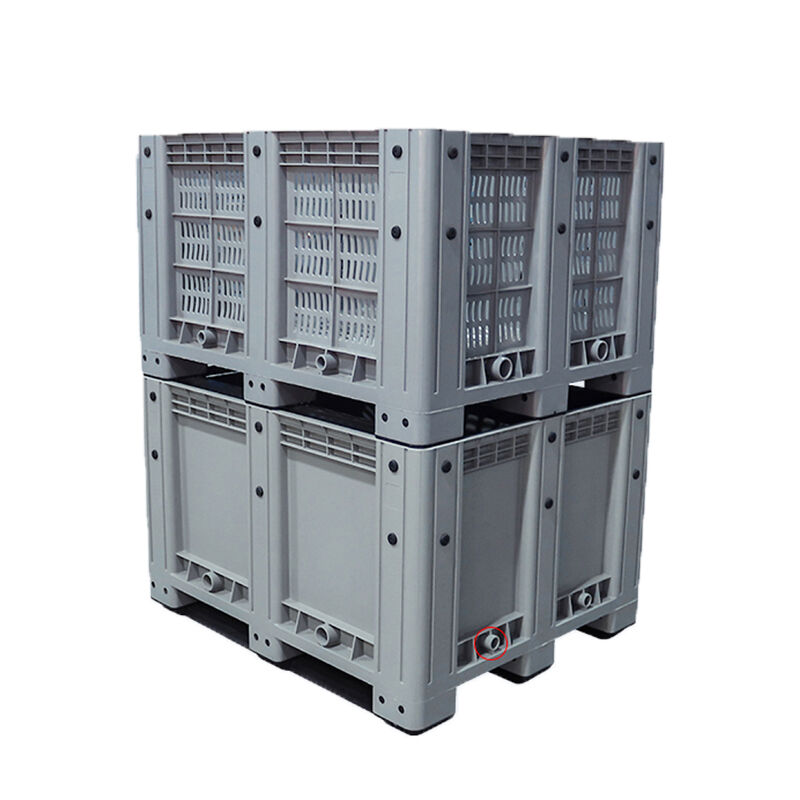 Bulk Containers
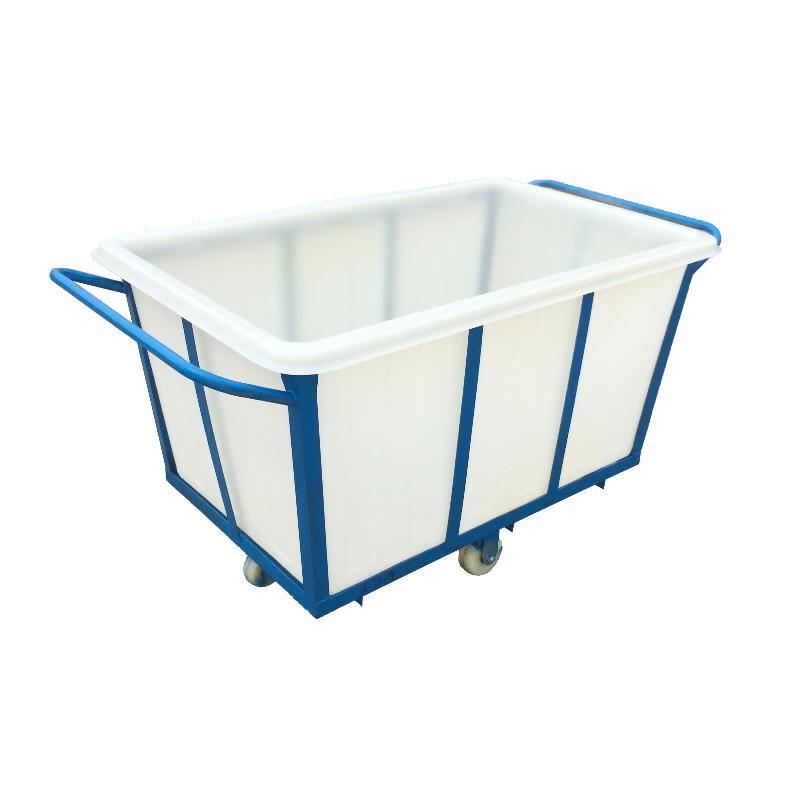 Trolly Cart
 Waste Bins
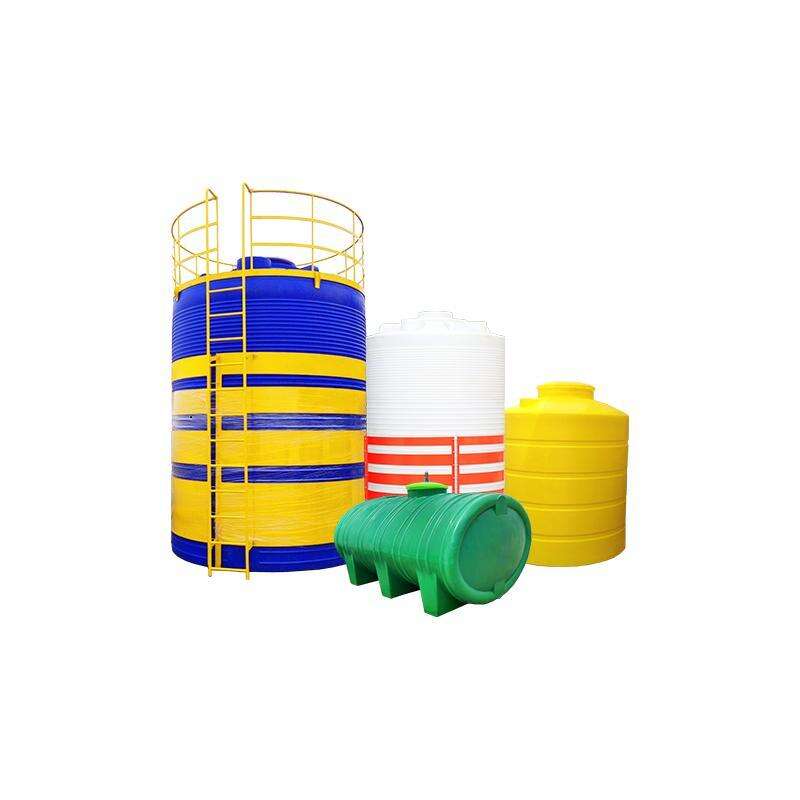 liquid storage containers
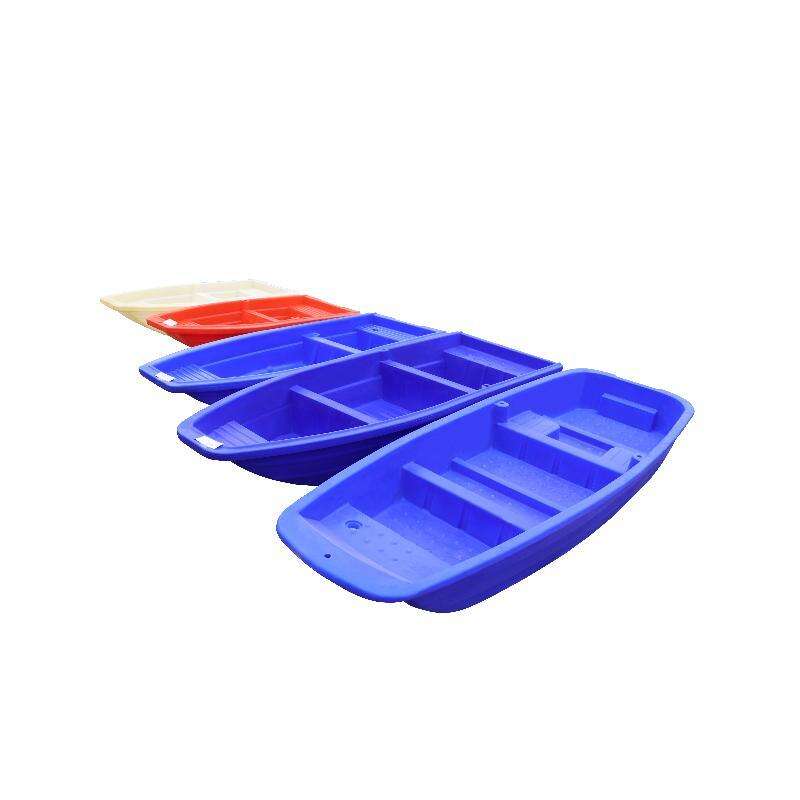 Boat &Aquatic products
Choosing the correct pallet size is a fundamental decision in logistics, warehousing, and international shipping. The wrong size can lead to wasted space, unstable loads, and higher transportation costs.
Different countries and industries use different standard pallet size formats. Understanding these variations helps businesses optimize storage, improve handling efficiency, and reduce overall logistics expenses.
This guide explains common pallet dimensions, how to select the right size, and how global trends are shaping pallet standardization.
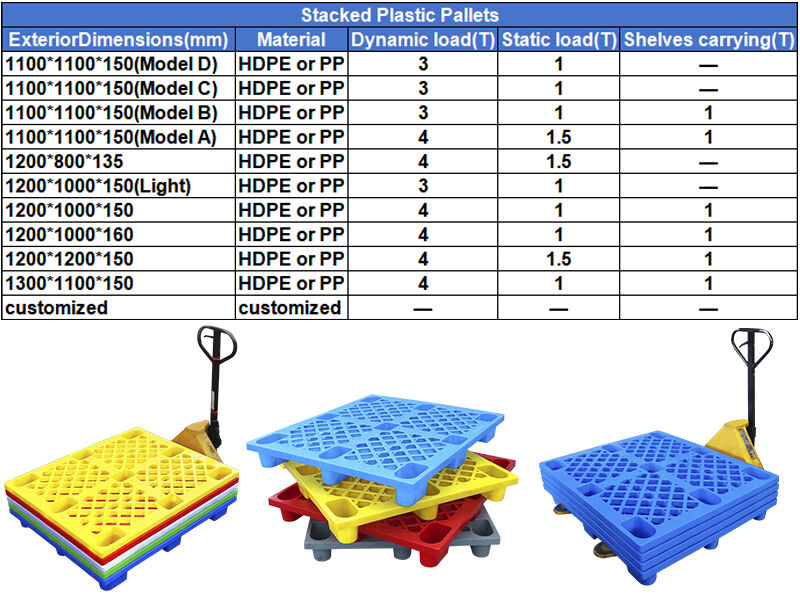
What Is a Standard Pallet Size?
A standard pallet size refers to commonly used pallet dimensions that fit regional logistics systems, racking, and transport equipment.
There is no single global standard, but several widely accepted sizes dominate the market.
Common Pallet Sizes Around the World
North America (USA Standard Pallet Size)
- 48 × 40 inches (1219 × 1016 mm)
This is the most widely used pallet size in the United States. It is compatible with most warehouse systems, trailers, and forklifts.
Europe (Euro Pallet Size)
- 1200 × 800 mm
This standardized pallet size is widely used across European logistics networks and is optimized for transport efficiency.
Asia & International Use
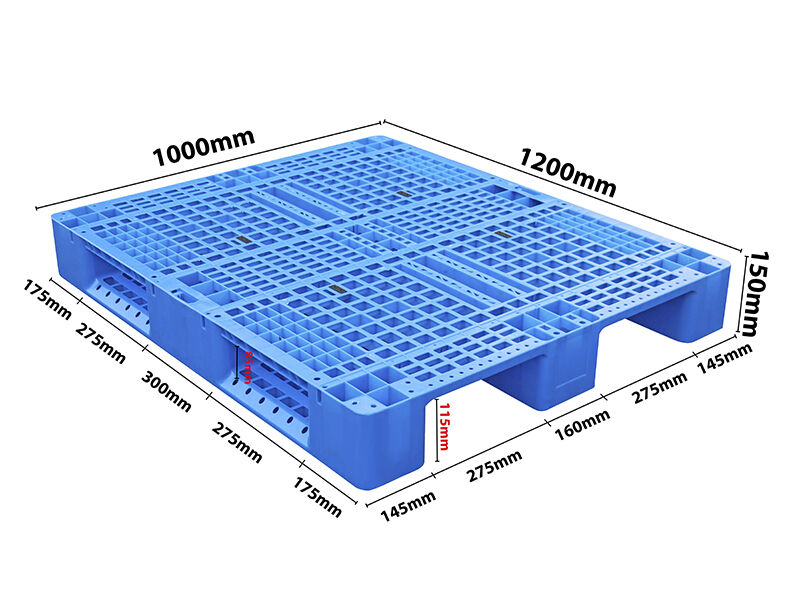
- 1200 × 1000 mm
- 1100 × 1100 mm
These pallet dimensions are commonly used in export markets and industrial applications.
Why Pallet Size Matters in Logistics
1. Warehouse Space Optimization
The right pallet size allows better use of storage space, especially in racking systems.
Incorrect sizes can lead to:
- Wasted vertical space
- Inefficient stacking
- Increased storage costs
2. Transportation Efficiency
Standardized pallet dimensions ensure better loading of containers and trucks.
For example:
- More pallets per container
- Reduced empty space
- Lower shipping cost per unit
3. Compatibility with Equipment
Forklifts, pallet jacks, and automated systems are designed around specific pallet size standards.
Using non-standard pallets may cause:
- Handling difficulties
- Equipment inefficiency
- Increased risk of damage
Choosing the Right Pallet Size for Your Business
Based on Target Market
If you export goods, choose a pallet size commonly used in your destination market.
- USA → 48 × 40 inches
- Europe → 1200 × 800 mm
- Global export → 1200 × 1000 mm
Based on Product Type
Different products require different pallet support.
- Heavy goods → larger and reinforced pallets
- Lightweight goods → standard pallets
- Bulk goods → compatible with pallet boxes
Based on Warehouse System
Modern warehouses require pallets that fit:
- Racking systems
- Automated storage
- Conveyor lines
Choosing the correct pallet dimensions improves efficiency and reduces operational issues.
Plastic Pallet Size vs Wooden Pallet Size
Many businesses are switching to plastic pallets for better performance.
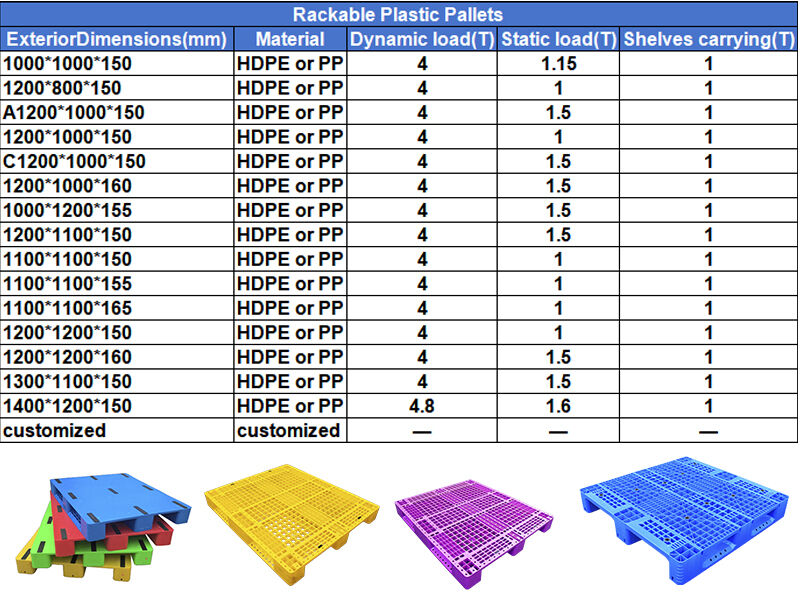
Advantages of Plastic Pallets
- Consistent dimensions
- No nails or splinters
- Moisture and chemical resistance
- Longer service life
A standardized plastic pallet size ensures better compatibility with modern logistics systems.
Industry Trends
Standardization in Global Trade
More companies are aligning with common pallet size standards to simplify international logistics.
Growth of Automation
Automated warehouses require precise and consistent pallet dimensions.
Sustainability
Reusable plastic pallets are replacing disposable wooden pallets in many industries.
Common Mistakes When Choosing Pallet Size
- Using non-standard pallet sizes
- Ignoring export requirements
- Choosing incorrect dimensions for racking systems
- Not considering automation compatibility
Selecting the right pallet size avoids costly inefficiencies.
FAQ
Q1: What is the most common pallet size?
48 × 40 inches is the most common pallet size in the United States.
Q2: Is there a universal pallet size?
No, but several standard sizes are widely used globally.
Q3: Can one pallet size be used worldwide?
1200 × 1000 mm is often used for international logistics.
Conclusion
Understanding pallet size is essential for efficient logistics and warehouse operations. The right dimensions improve storage efficiency, reduce transportation costs, and ensure compatibility with equipment.
As global trade and automation continue to evolve, choosing standardized and reliable pallet dimensions becomes increasingly important for long-term success.
Contact Us
Email: [email protected]
Mobile: +86 18806120677
Website: https://www.linhuiplastics.com/