
 EN
EN
 AR
AR CS
CS DA
DA NL
NL FI
FI FR
FR DE
DE EL
EL HI
HI IT
IT JA
JA KO
KO NO
NO PL
PL PT
PT RU
RU ES
ES SV
SV TL
TL ID
ID SR
SR UK
UK VI
VI SQ
SQ HU
HU TH
TH TR
TR MS
MS IS
IS BN
BN LO
LO MN
MN NE
NE MY
MY UZ
UZ KY
KY


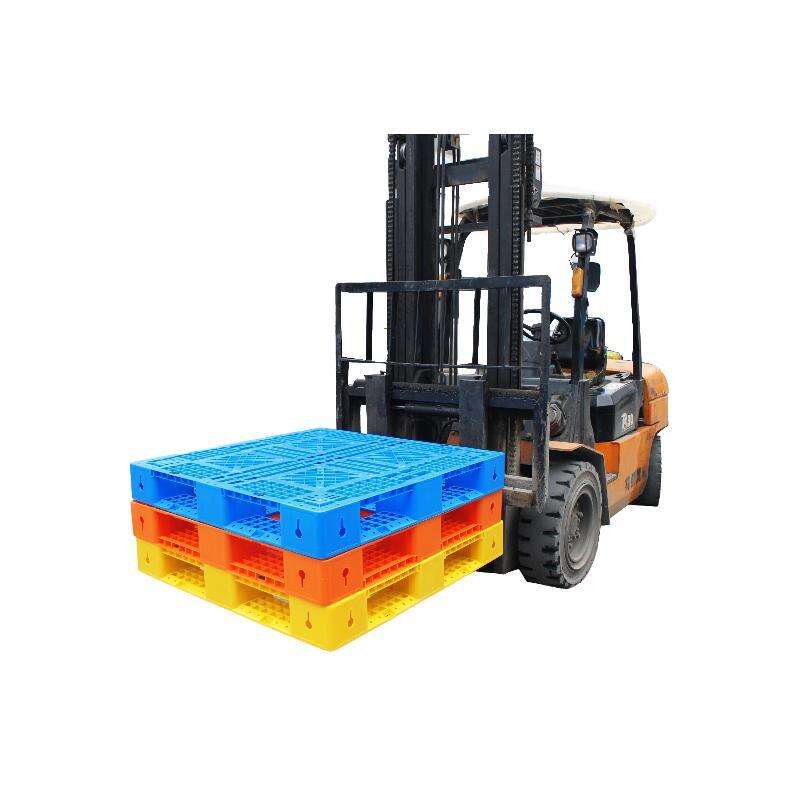 Plastic Pallets
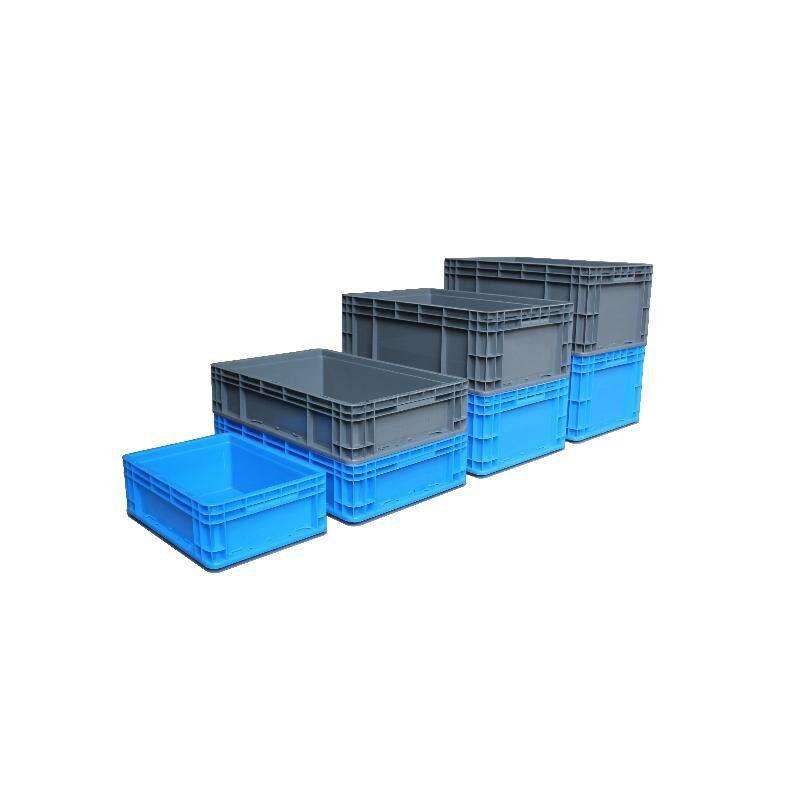 Logistics Box
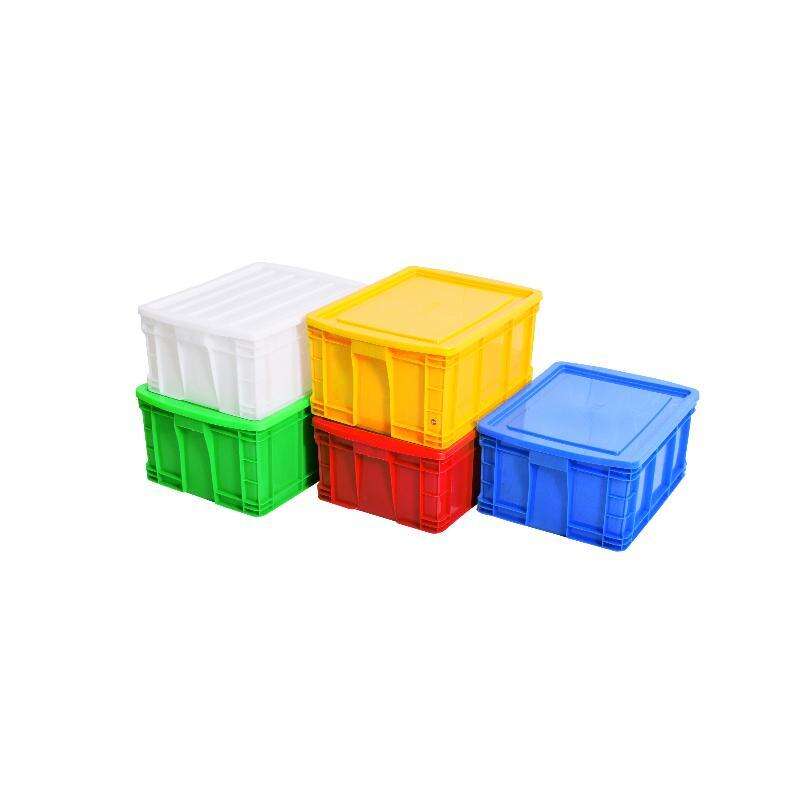 Plastic Crates
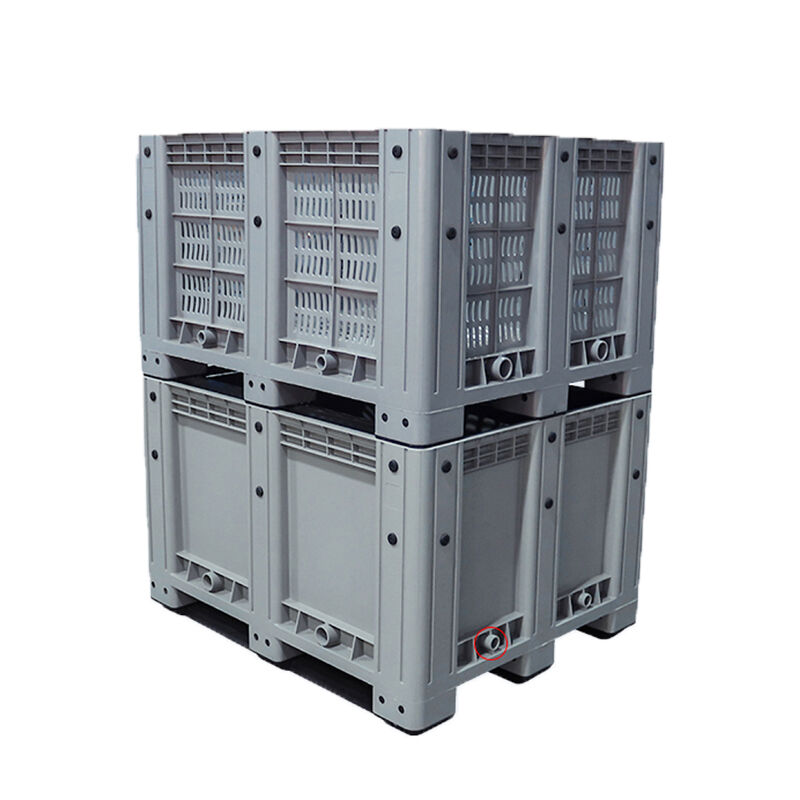 Bulk Containers
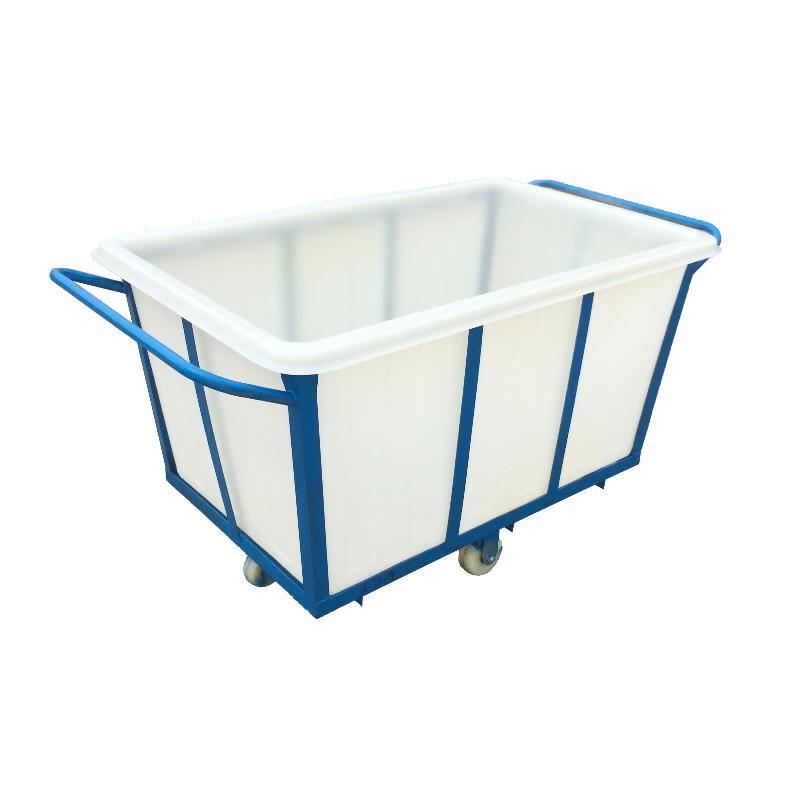 Trolly Cart
 Waste Bins
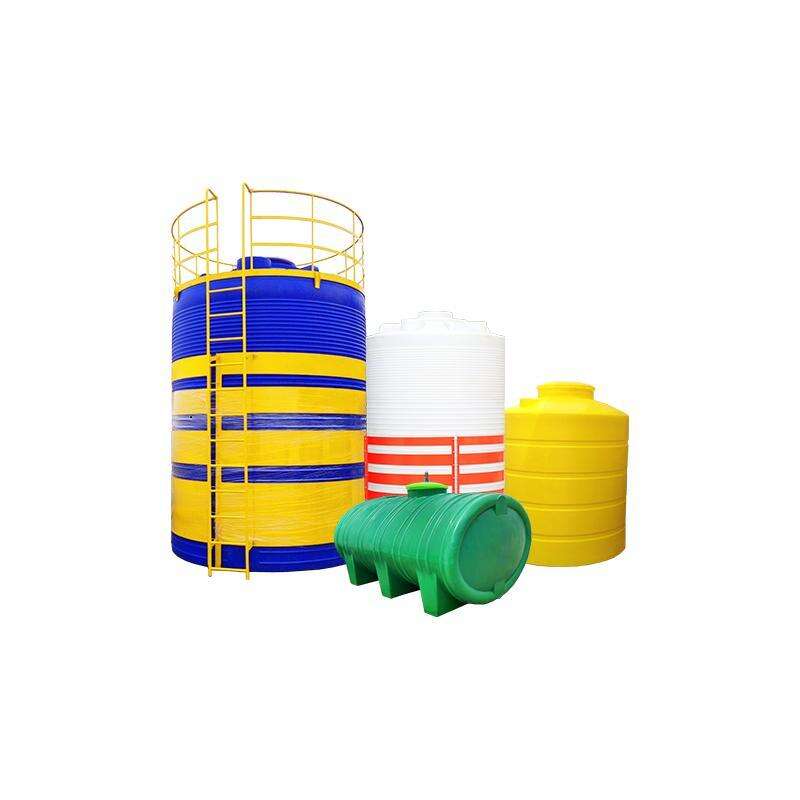 liquid storage containers
 Boat &Aquatic products
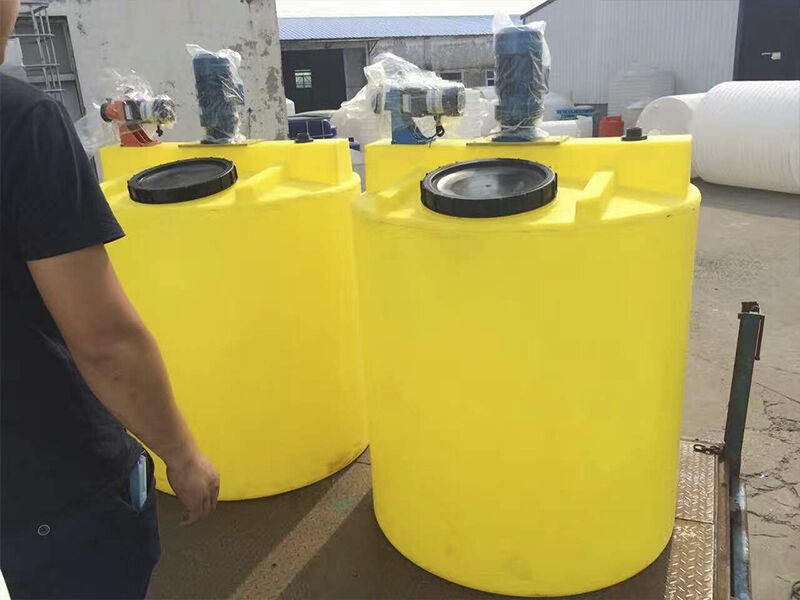
In industrial dosing systems, material selection is one of the most critical factors affecting safety and performance. A high-quality chemical dosing tank must withstand aggressive chemicals, long-term pressure, and continuous operation.
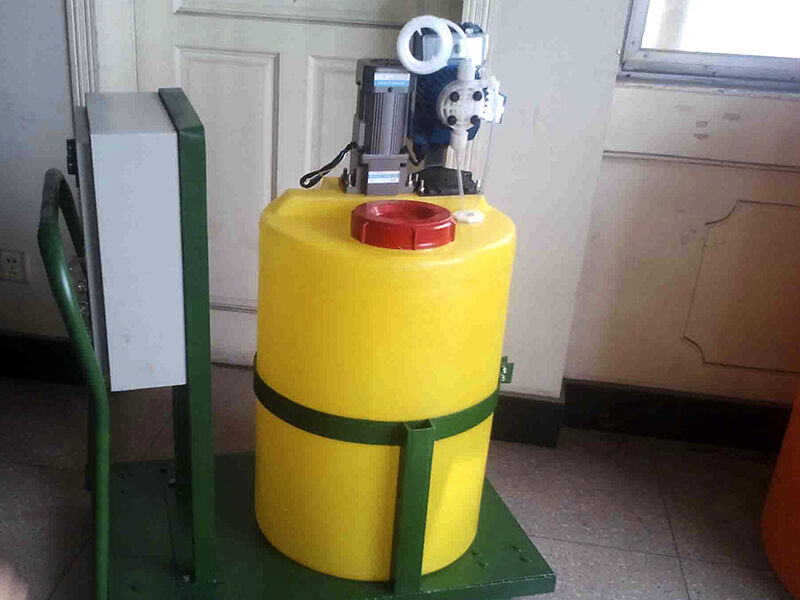
Among various materials, LLDPE (Linear Low-Density Polyethylene) has become the preferred choice for modern chemical dosing tanks due to its flexibility, durability, and chemical resistance.
This guide explains why LLDPE is widely used, how it compares to other materials, and how to choose the right chemical dosing tank for your application.
Why Material Matters in Chemical Dosing Tanks
A chemical dosing tank is not just a container—it directly affects dosing accuracy, system stability, and operational safety.
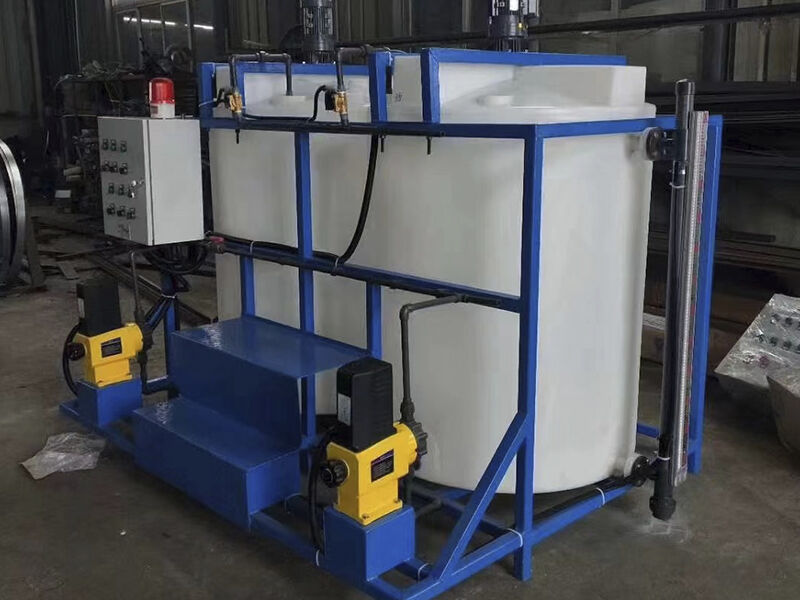
Using the wrong material can lead to:
- Chemical corrosion
- Cracking or stress failure
- Leakage risks
- Increased maintenance costs
This is why more industries are moving toward LLDPE-based chemical dosing tanks for long-term reliability.
Why LLDPE Is the Preferred Material for Dosing Tanks
1. Excellent Chemical Resistance
LLDPE performs well against a wide range of chemicals, including:
- Acids
- Alkalis
- Water treatment chemicals
This makes it ideal for chemical dosing tanks used in demanding industrial environments.
2. High Flexibility and Impact Resistance
Compared with rigid plastics, LLDPE has better flexibility. This allows a chemical dosing tank to absorb impact without cracking, especially during transportation or installation.
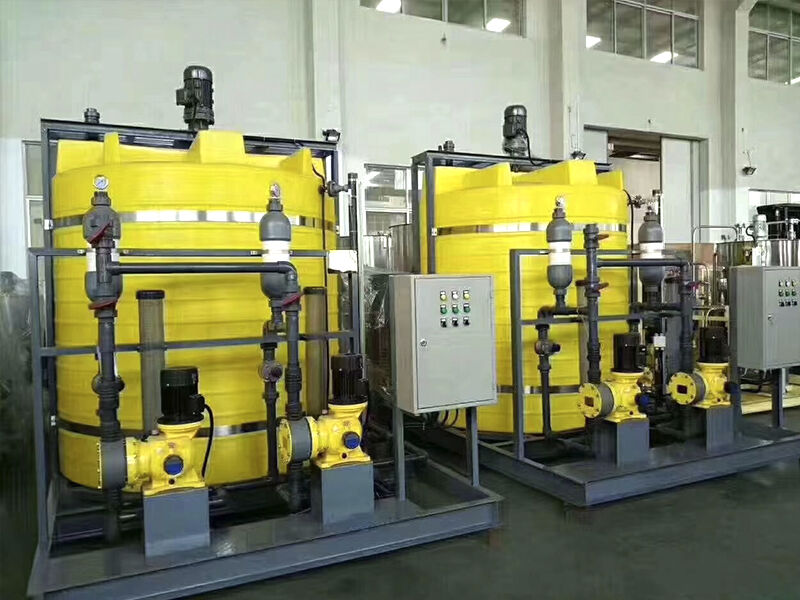
3. No Corrosion Compared to Metal Tanks
Unlike steel tanks, LLDPE chemical dosing tanks:
- Do not rust
- Do not react with chemicals
- Require less maintenance
This significantly reduces long-term operating costs.
4. Rotational Molding for Seamless Structure
Most LLDPE chemical dosing tanks are produced using rotational molding technology, resulting in:
- Seamless one-piece construction
- Uniform wall thickness
- No weak points or joints
This improves durability and reduces leakage risk.
Key Features to Look for in LLDPE Chemical Dosing Tanks
Structural Strength
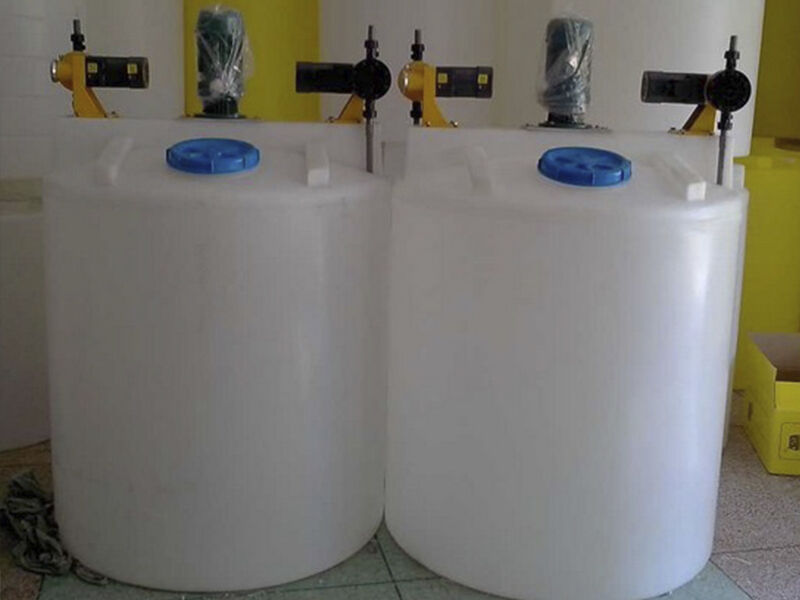
A reliable chemical dosing tank should maintain its shape under continuous load. Proper wall thickness and reinforced design are essential.
Accurate Level Indicators
Clear volume markings help operators monitor chemical levels and ensure accurate dosing.
Compatibility with Dosing Equipment
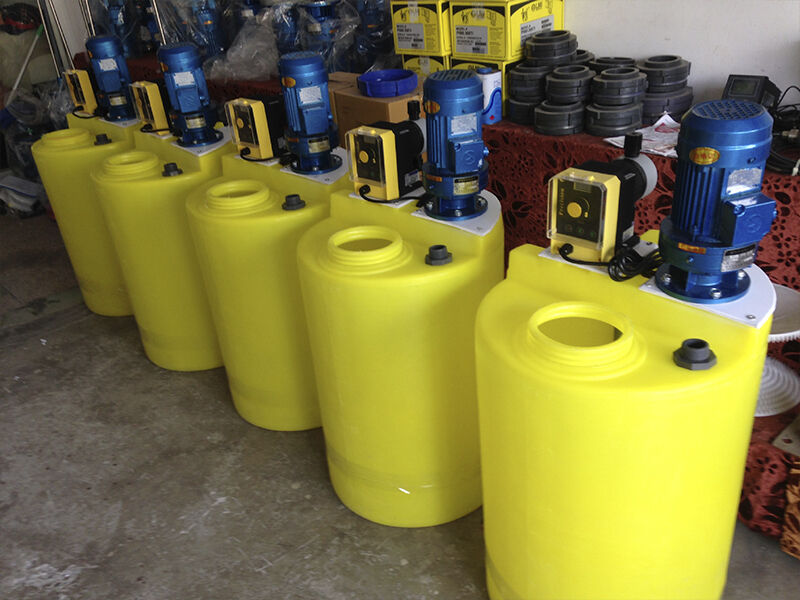
A professional chemical dosing tank should integrate easily with:
- Dosing pumps
- Mixers
- Sensors
This ensures smooth system operation.
UV and Outdoor Resistance
For outdoor installations, UV-stabilized LLDPE chemical dosing tanks provide longer service life.
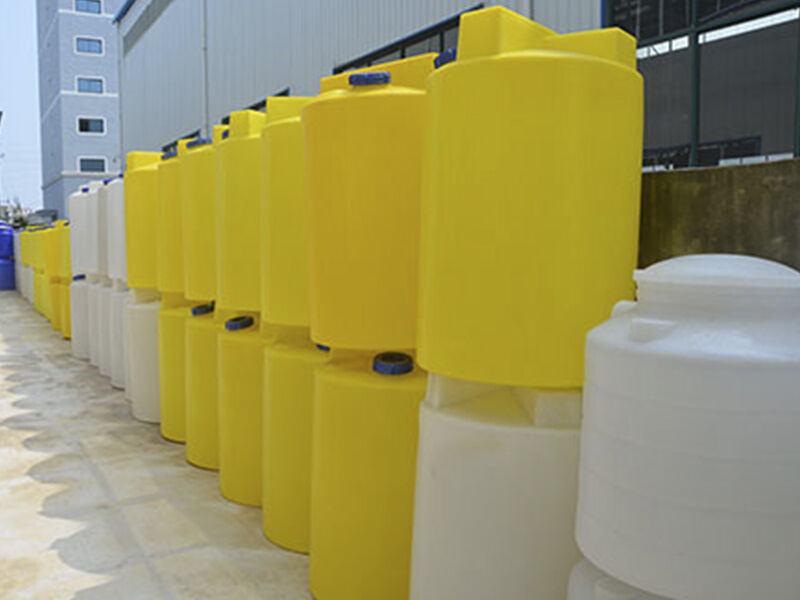
Applications of LLDPE Chemical Dosing Tanks
Water Treatment Systems
Used for chlorine, coagulants, and pH adjustment chemicals.
Industrial Processing
Widely applied in chemical plants, cleaning systems, and manufacturing processes.
Agriculture and Irrigation
Used for fertilizer and nutrient dosing systems.
Industry Trends
Shift Toward Corrosion-Free Materials
Industries are replacing metal tanks with LLDPE chemical dosing tanks to reduce maintenance and improve safety.
Growth of Automated Dosing Systems
Modern dosing systems require consistent and reliable tank performance, making LLDPE an ideal material choice.
Focus on Long-Term Cost Efficiency
Businesses are evaluating lifecycle cost rather than initial price. Durable chemical dosing tanks made from LLDPE offer better long-term value.
Practical Buying Advice
When selecting a chemical dosing tank, consider:
- Type of chemical used
- Required tank capacity
- Indoor or outdoor installation
- Integration with dosing systems
Choosing the right LLDPE chemical dosing tank ensures safe and efficient operation.
FAQ
Q1: Why is LLDPE better than HDPE for dosing tanks?
LLDPE offers better flexibility and impact resistance, reducing the risk of cracking.
Q2: Are LLDPE chemical dosing tanks suitable for aggressive chemicals?
Yes, LLDPE has excellent chemical resistance for most industrial applications.
Q3: Can these tanks be used outdoors?
Yes, UV-stabilized chemical dosing tanks made from LLDPE are suitable for outdoor use.
Conclusion
Material selection is critical when choosing a chemical dosing tank. LLDPE stands out as a reliable, durable, and cost-effective solution for modern industrial applications.
With its chemical resistance, flexibility, and seamless structure, LLDPE chemical dosing tanks provide long-term performance and improved safety across a wide range of industries.
Contact Us
Email: [email protected]
Mobile: +86 18806120677
Website: https://www.linhuiplastics.com/