
 EN
EN
 AR
AR CS
CS DA
DA NL
NL FI
FI FR
FR DE
DE EL
EL HI
HI IT
IT JA
JA KO
KO NO
NO PL
PL PT
PT RU
RU ES
ES SV
SV TL
TL ID
ID SR
SR UK
UK VI
VI SQ
SQ HU
HU TH
TH TR
TR MS
MS IS
IS BN
BN LO
LO MN
MN NE
NE MY
MY UZ
UZ KY
KY


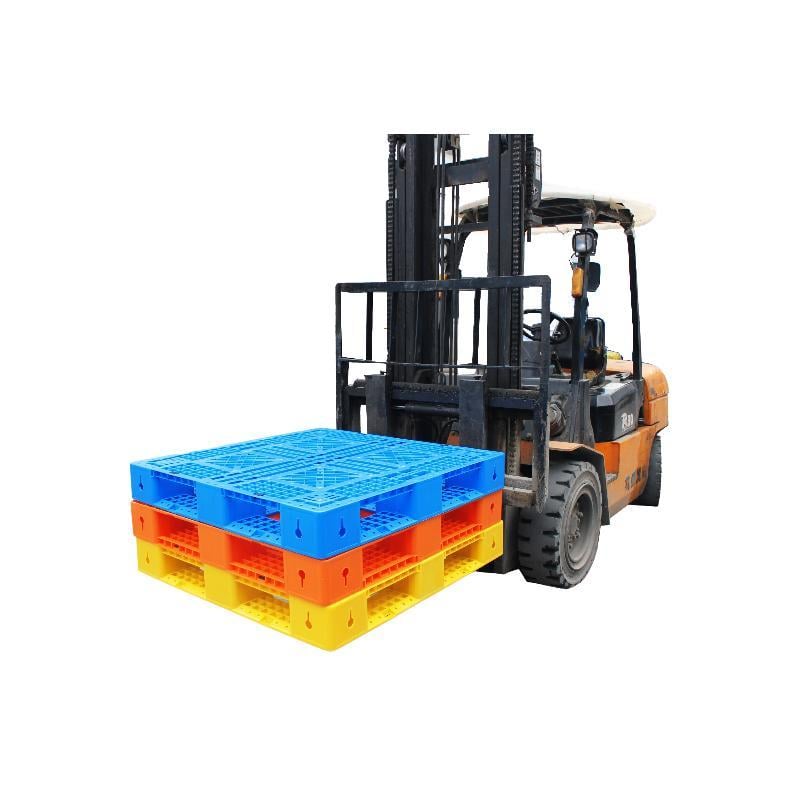 Plastic Pallets
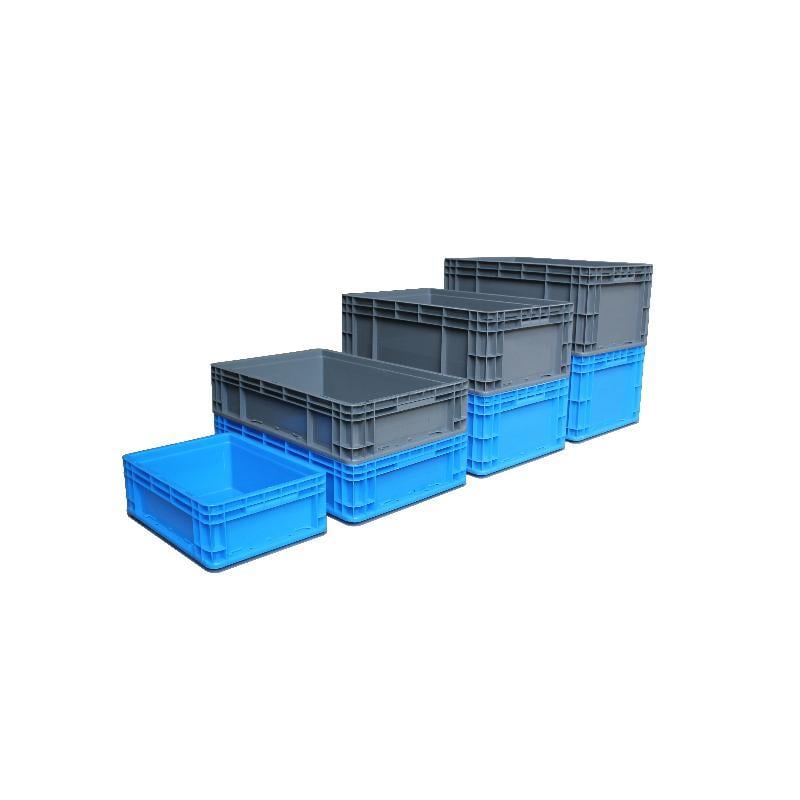 Logistics Box
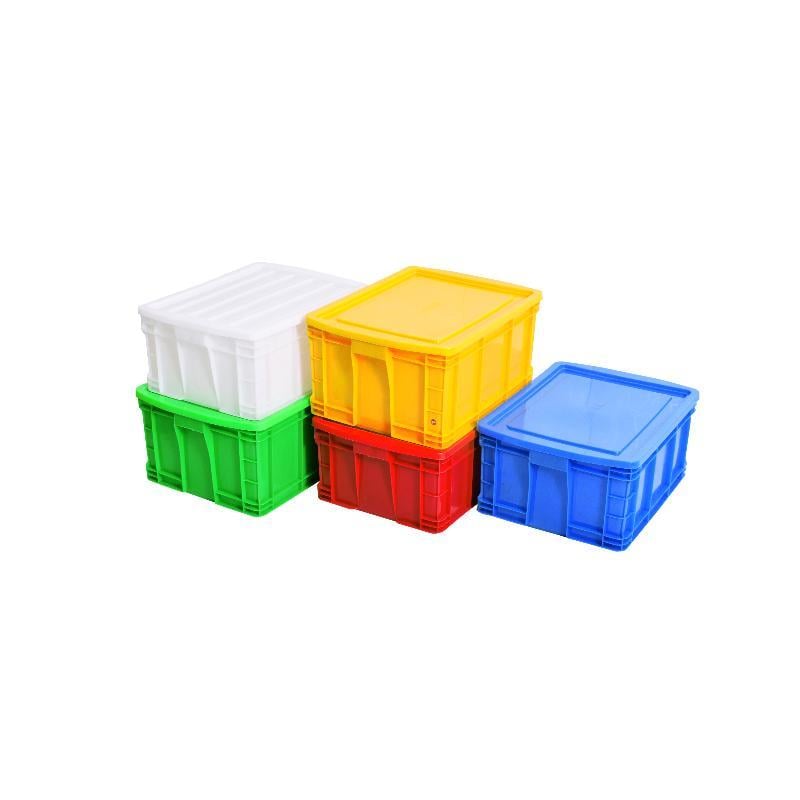 Plastic Crates
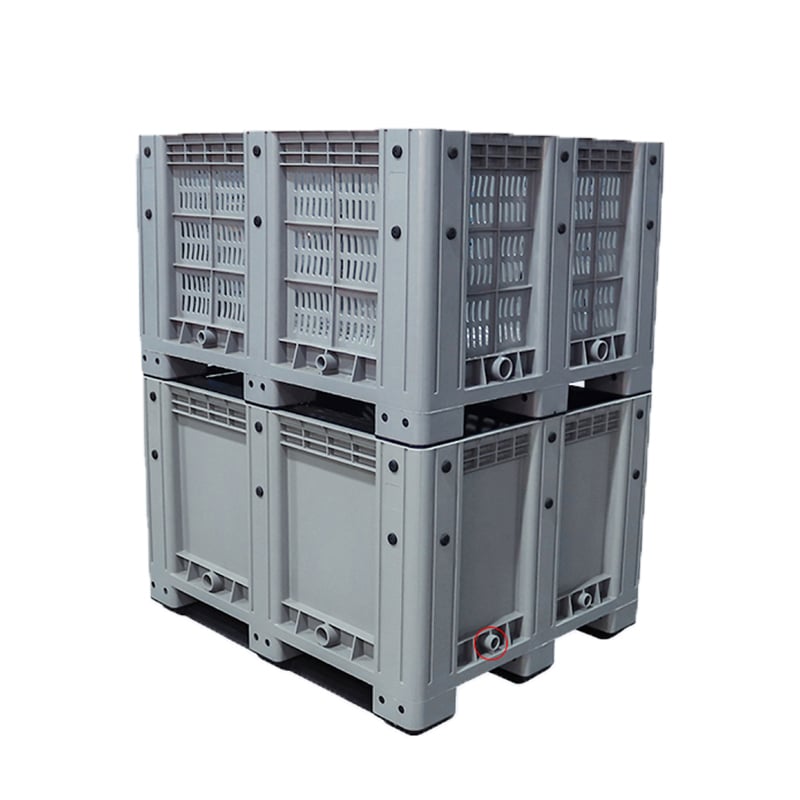 Bulk Containers
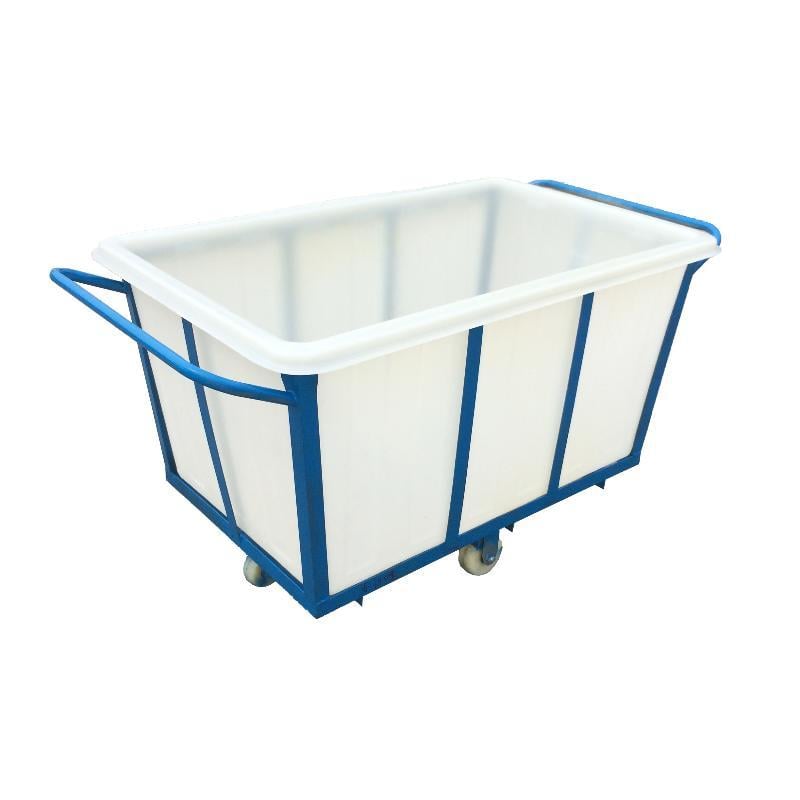 Trolly Cart
 Waste Bins
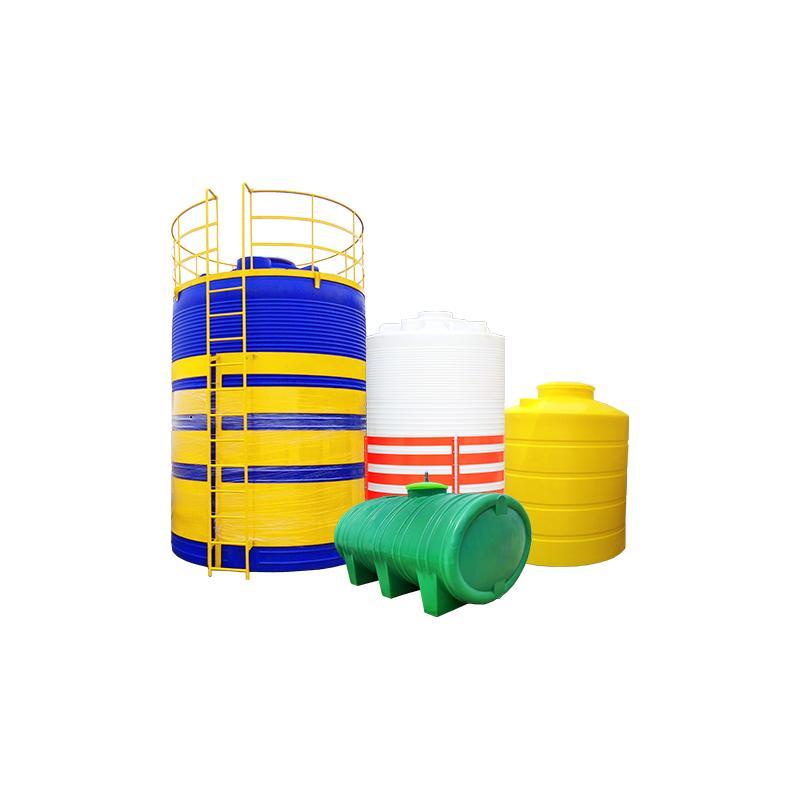 liquid storage containers
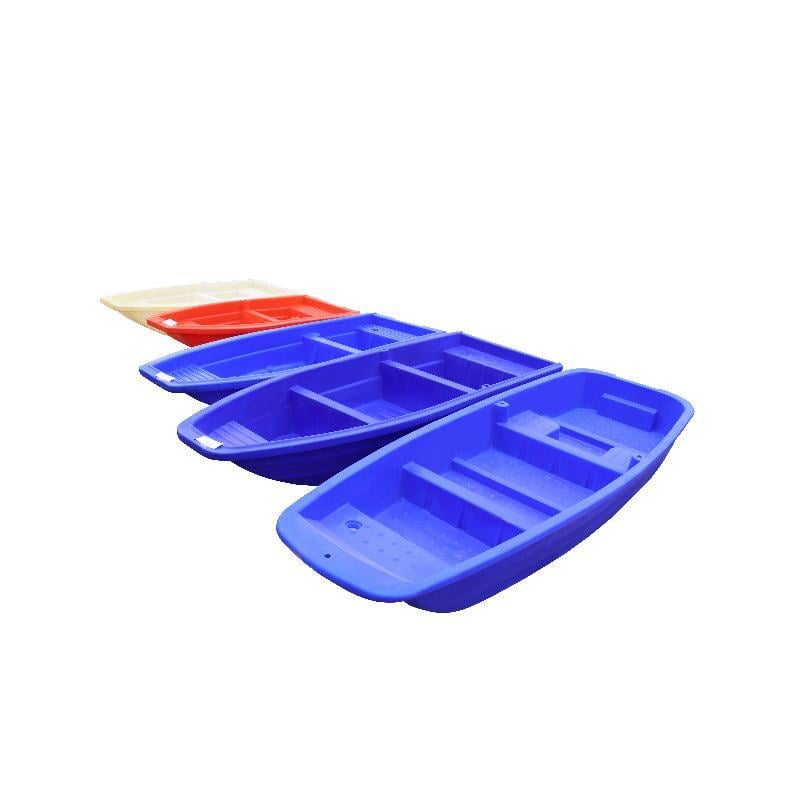 Boat &Aquatic products
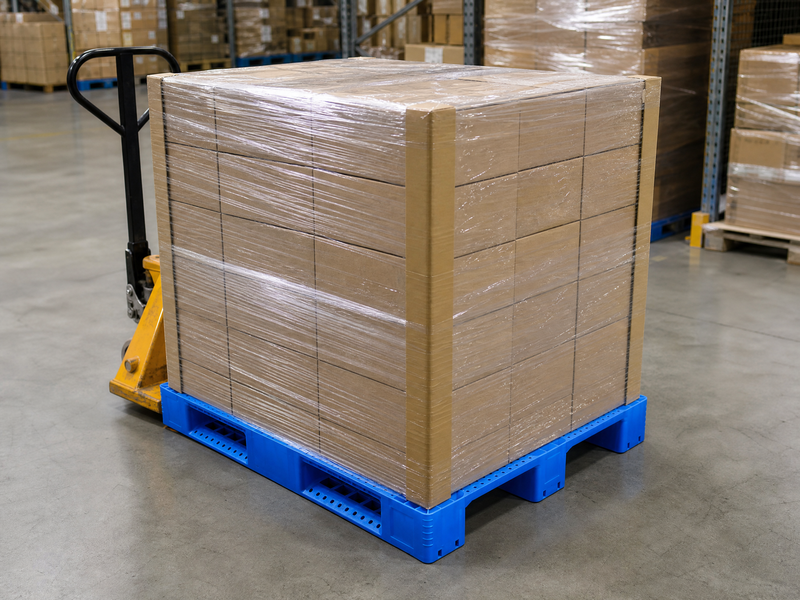
A plastic pallet is more than a platform for moving products.
The way goods are placed, distributed, secured, wrapped, and stacked on a pallet can directly affect transportation safety, warehouse efficiency, product protection, and handling performance.
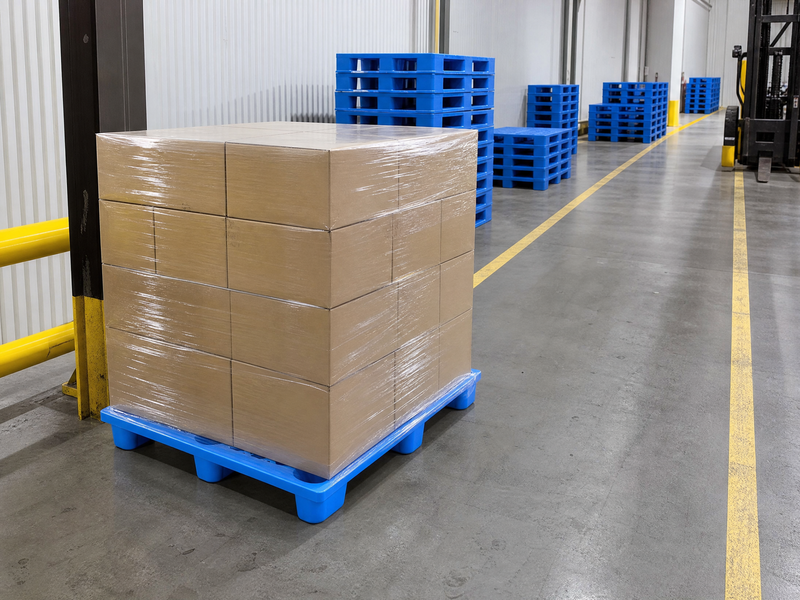
For this reason, many warehouses and logistics operations have established pallet loading procedures to ensure that palletized goods remain stable during storage and transportation.
There is no single universal pallet loading procedure that applies to every country, product, vehicle, warehouse, and pallet design. However, international logistics operations commonly follow basic principles covering load distribution, pallet capacity, stability, stacking, wrapping, and safe forklift handling.
For example, the UK Health and Safety Executive recommends loading pallets according to an established pattern, keeping the load within the pallet's rated capacity and distributing the load as uniformly as practical. It also highlights additional considerations for plastic pallets because their surfaces can be more slippery.
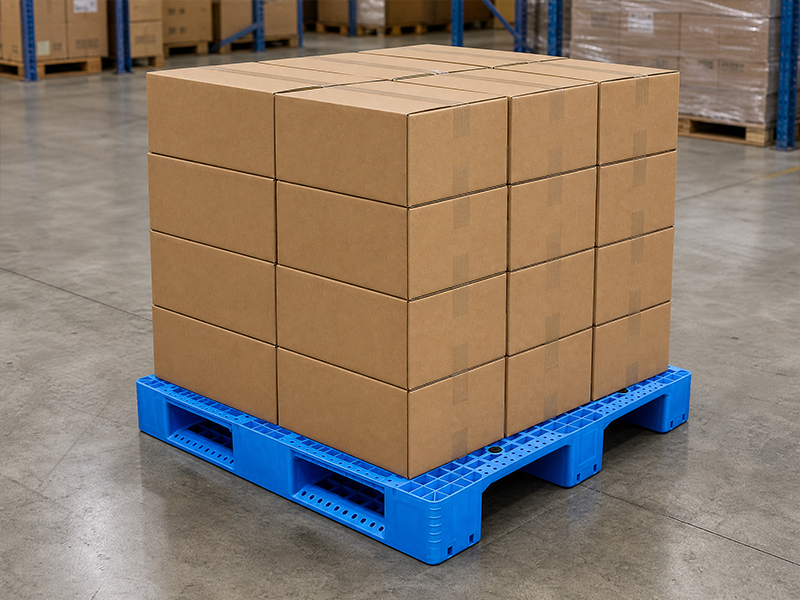
This guide explains the key plastic pallet loading and stacking principles that manufacturers, warehouses, exporters, and logistics professionals should consider.
Why Proper Pallet Loading Matters
Poorly loaded pallets can create several problems.
An unstable load may shift during forklift handling, transportation, loading, unloading, or warehouse storage.
Common problems include:
Load shifting
Product falling from the pallet
Damaged packaging
Uneven weight distribution
Pallet deformation
Difficulty during forklift handling
Unstable pallet stacks
Reduced warehouse efficiency
For this reason, pallet load stability should be considered before a pallet leaves the warehouse.
A good palletizing process should create a stable unit load that can be safely moved and stored.
What Are the Basic Pallet Loading Guidelines?
Although the exact procedure depends on the application, several principles are widely applicable.
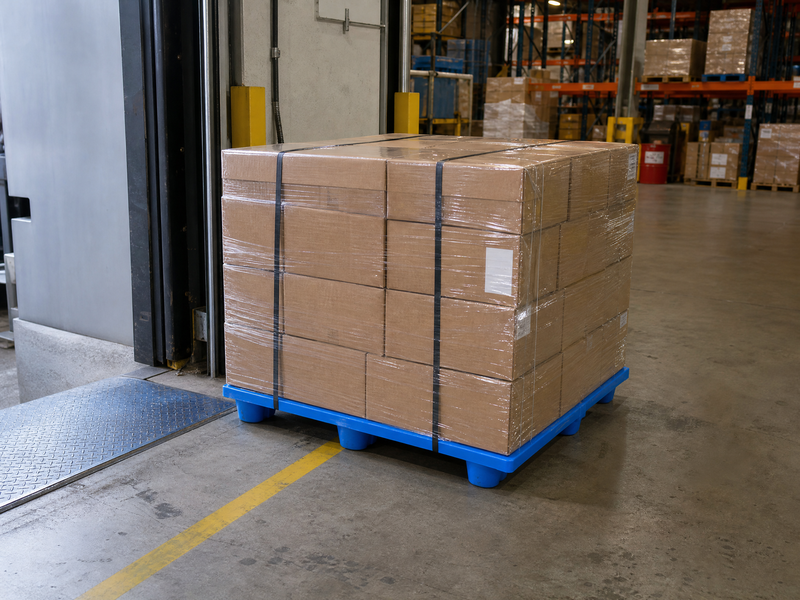
1. Select the Correct Pallet
Start with the pallet itself.
The pallet should be appropriate for:
Product weight
Load dimensions
Forklift requirements
Pallet jack requirements
Warehouse racking
Transportation method
Storage conditions
Expected reuse
For plastic pallets, manufacturers should provide appropriate load information for the intended application.
Do not assume that all pallets of the same size have the same load capacity.
A lightweight export pallet and a heavy duty industrial pallet may have completely different performance characteristics.
2. Check the Pallet Before Loading
Inspect the pallet before placing products on it.
Look for:
Cracks
Broken sections
Severe deformation
Structural damage
Contamination
Other defects that could affect safe use
Damaged pallets should not automatically be returned to service simply because they still appear usable.
The HSE recommends pallet management procedures that consider pallet condition, intended application, load characteristics, and manufacturer information.
3. Keep the Load Within the Pallet Footprint
Whenever practical, products should remain within the pallet's footprint.
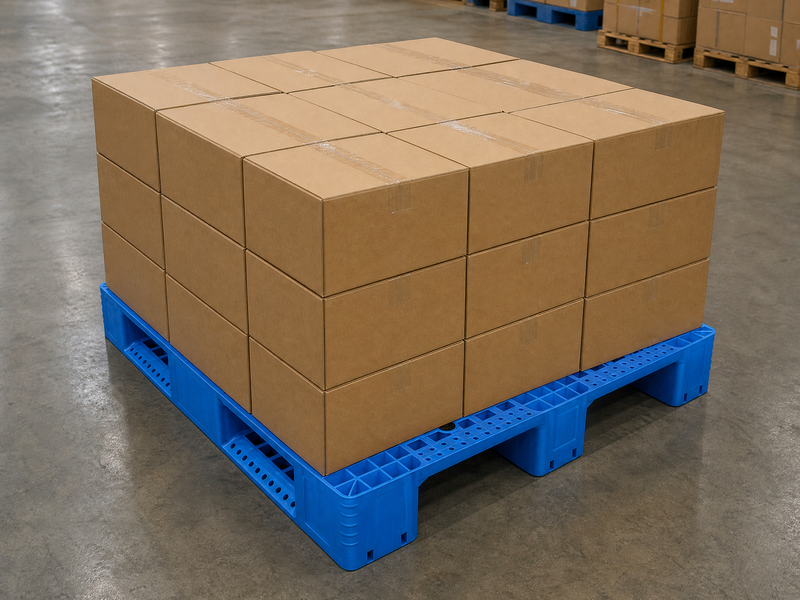
A load that extends significantly beyond the pallet can create stability and handling problems.
The objective is to create a compact and balanced unit load.
For example, if a pallet measures 1200 × 1000 mm, cartons should normally be arranged to use this available area efficiently without creating excessive overhang.
The exact loading pattern depends on carton dimensions and product requirements.
4. Distribute Weight Evenly
Weight distribution is one of the most important principles of pallet loading guidelines.
Heavy products should not be concentrated on one side of the pallet.
An uneven load can affect:
Pallet stability
Forklift handling
Stacking stability
Transportation safety
Pallet structural performance
Where possible, distribute the load across the deck area.
The HSE specifically recommends that loads should be applied gradually and, unless the pallet is designed for point loading, should be distributed as uniformly as practical.
5. Put Heavier Products at the Bottom
When multiple layers are placed on a pallet, heavier products are generally better positioned toward the lower layers.
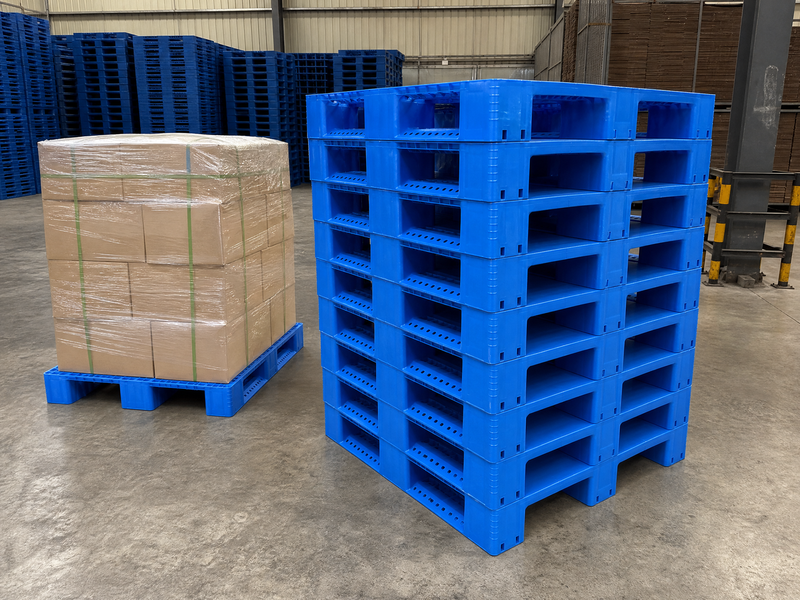
This creates a lower center of gravity and can improve stability.
Lighter products can then be placed toward the upper layers when the product packaging allows it.
This principle is particularly useful when preparing pallets for transportation.
OSHA warehouse guidance also recommends placing heavier loads on lower or middle shelves and ensuring stored materials are arranged to remain stable and secure.
How Should Boxes Be Arranged on a Pallet?
The arrangement of cartons can significantly affect pallet load stability.
Several loading patterns may be used depending on the carton dimensions.
Column Stacking
Cartons are aligned vertically from one layer to the next.
This arrangement can provide good vertical compression performance when the packaging is designed for stacking.
However, the load may require additional wrapping or stabilization.
Interlocking Pattern
Cartons are arranged so that adjacent layers overlap or interlock.
This can improve resistance to movement in some applications.
However, the best pattern depends on the carton design and product characteristics.
Mixed Pattern
Some pallet loads require a combination of different arrangements because the carton dimensions do not allow a simple repeating pattern.
The priority should always be a stable, balanced load rather than forcing every shipment into one specific pattern.
How High Should a Pallet Load Be?
There is no universal maximum pallet height that applies to every operation.
The safe height depends on:
Pallet dimensions
Product dimensions
Load weight
Packaging strength
Stacking pattern
Vehicle height
Warehouse conditions
Racking system
Transportation method
The HSE gives a general guide that the load height should not exceed the longest base dimension of the pallet, while noting that wrapping and other securing methods can allow taller palletized loads when appropriately controlled.
Therefore, businesses should not simply establish one maximum height for every pallet.
The entire unit load needs to be evaluated.
How Do You Secure a Pallet Load?
A palletized load may need additional securing to prevent movement.
Common methods include:
Stretch wrapping
Shrink wrapping
Strapping
Corner protection
Anti-slip materials
Other suitable load securing systems
The appropriate method depends on the product and transportation environment.
For plastic pallet loading, securing the load can be particularly important because plastic pallet surfaces may be relatively smooth.
The HSE specifically notes that plastic pallets can have slippery surfaces and may require additional measures to secure goods during transportation.
How to Wrap a Pallet for Shipping
Stretch wrapping is commonly used to stabilize palletized products.
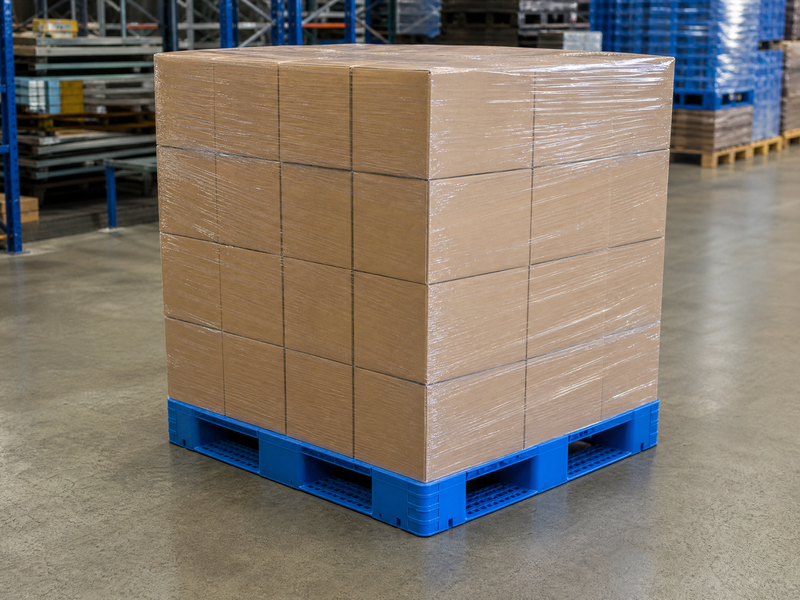
A practical process may include:
Place the products evenly on the pallet.
Check that the load is stable.
Apply stretch film around the lower part of the load.
Continue wrapping upward around the unit load.
Ensure the film provides sufficient containment.
Check the finished pallet for movement before transportation.
The exact wrapping method should be adapted to the product, film properties, load height, and transportation conditions.
Wrapping should not be treated as a substitute for correct pallet loading.
A poorly arranged load cannot necessarily be made safe simply by adding more film.
Should the Pallet Be Wrapped Together With the Load?
In some applications, wrapping can include the pallet base so that the load and pallet function more effectively as one unit.
However, the wrapping method should not interfere with:
Fork entry
Pallet handling
Barcode scanning
Load identification
Racking requirements
The HSE recommends using stretch or shrink wrapping where appropriate to improve security and minimize movement of goods.
How Many Pallets Can Be Stacked?
This is one of the most frequently misunderstood pallet stacking rules.
There is no universal answer such as "three pallets" or "four pallets."
The safe stacking height depends on:
Pallet design
Pallet load capacity
Load weight
Load shape
Pallet condition
Floor conditions
Stacking pattern
Warehouse temperature
Humidity
Vehicle conditions
Manufacturer recommendations
The HSE specifically recommends considering manufacturer information, the characteristics of the payload, and local stacking conditions when determining a safe stacking height. It also recommends periodic checks because stability can change with load shape and environmental conditions.
How Should Empty Plastic Pallets Be Stacked?
Empty pallets also need to be stored safely.
This is particularly important for lightweight plastic pallets because their surfaces can be relatively smooth.
Empty pallet stacks should be:
Placed on a firm and level surface
Aligned properly
Kept within a designated storage area
Protected from being struck by handling equipment
Kept away from areas where falling pallets could injure workers
The storage method should also take into account the pallet manufacturer's recommendations.
Can Plastic Pallets Be Stacked Directly on Top of Each Other?
Loaded pallets can sometimes be stacked directly on top of each other if the pallet, load, and operating conditions are suitable.
However, the bottom of the upper pallet must have adequate support.
The HSE recommends that when palletized loads are stacked directly on top of one another, there should be a firm base on the floor and on top of the preceding pallet load.
This means that simply knowing the static load capacity of the pallet is not enough.
The stability of the entire palletized load must also be considered.
Plastic Pallet Loading for Forklift Handling
Forklift handling is another important part of pallet safety.
Before lifting a palletized load, operators should ensure that:
The load is stable
The load is within the forklift's rated capacity
The forks are properly positioned
The forks are inserted sufficiently under the load
The load is centered as appropriate
The pallet is suitable for the handling method
OSHA's powered industrial truck guidance states that only stable or safely arranged loads should be handled and that loads must remain within the rated capacity of the truck. It also recommends positioning the forks appropriately and placing the load engaging means under the load as far as possible.
Plastic Pallets and Warehouse Racking
If a pallet will be placed into warehouse racking, the pallet should be selected specifically for that application.
Do not assume that a pallet suitable for floor stacking is automatically suitable for racking.
Important factors include:
Racking type
Beam spacing
Pallet dimensions
Racking load capacity
Load distribution
Pallet bottom structure
Temperature
Expected storage duration
Before purchasing plastic pallets for racking, provide the supplier with the actual rack specifications and expected load.
Pallet Loading for Export Shipping
Export shipments require additional consideration because the palletized load may pass through several stages of handling.
A typical export pallet may experience:
Warehouse handling
Forklift loading
Truck transportation
Container loading
Port handling
International transportation
Destination unloading
Therefore, pallet load stability becomes especially important.
Before shipping, check:
Load distribution
Overall height
Load security
Wrapping
Strapping if required
Pallet condition
Forklift access
Container utilization
Destination requirements
For international shipping, plastic pallets can also provide an advantage because they are not wood packaging material and therefore do not require the wood treatment and marking associated with ISPM 15 requirements for regulated wood packaging.
Pallet Labels and Identification
A palletized load should also be easy to identify.
Depending on the logistics system, identification may include:
Product information
Batch information
Quantity
Barcode
QR code
RFID
Shipping information
GS1 logistics identification can be used to identify logistics units, including palletized loads. GS1 guidance recommends appropriate identification of pallet logistics units and provides recommendations for label placement.
Good identification can improve:
Warehouse receiving
Inventory management
Order picking
Shipment tracking
Traceability
Common Pallet Loading Mistakes
Even when a high quality pallet is used, poor loading practices can create problems.
Overloading the Pallet
Never exceed the pallet's applicable rated capacity.
Uneven Weight Distribution
Concentrating heavy products in one area can reduce stability.
Excessive Overhang
Products extending beyond the pallet footprint may be vulnerable to impact and can affect stability.
Unstable Carton Stacking
Loose or poorly aligned cartons can shift during transportation.
Excessive Pallet Height
A very tall load can have a higher center of gravity and may become more difficult to handle.
Insufficient Load Securing
A smooth pallet surface combined with an unsecured load can increase the possibility of movement.
Using Damaged Pallets
Cracked, severely deformed, or otherwise unsuitable pallets should be removed from service.
A Practical Plastic Pallet Loading Checklist
Before moving a completed pallet, check the following:
Pallet is in suitable condition
Load is within the pallet footprint
Weight is distributed appropriately
Heavy products are positioned correctly
Load does not exceed applicable capacity
Cartons are stable
Load height is appropriate
Stretch film or other securing method is sufficient
Fork entry is accessible
Labels are visible
Pallet is suitable for the intended transportation method
Forklift capacity is sufficient
Warehouse or vehicle stacking requirements have been considered
This simple checklist can become part of a warehouse's daily palletizing SOP.
How to Choose a Plastic Pallet for Your Loading Requirements
The correct pallet should be selected before the loading process begins.
Consider:
Pallet size
Static load
Dynamic load
Racking load
Forklift type
Pallet jack type
Load dimensions
Load distribution
Warehouse environment
Temperature
Export requirements
Frequency of reuse
For example, a warehouse handling heavy industrial components may require a heavy duty plastic pallet, while a company shipping lightweight products internationally may prioritize a lightweight export pallet.
Why Choose LinHui Plastics?
LinHui Plastics manufactures plastic pallets for different logistics, warehousing, transportation, manufacturing, and export applications.
Different pallet structures can be selected according to:
Pallet dimensions
Load requirements
Forklift handling
Warehouse storage
Racking applications
Transportation
Reusable logistics
Export shipping
Color and identification requirements
Customization can also include colors, logos, RFID solutions, dimensions, and structural modifications.
For customers who are unsure which plastic pallet is suitable for their loading operation, providing the product weight, pallet size, handling equipment, stacking method, and application environment allows the manufacturer to recommend a more appropriate solution.
Frequently Asked Questions
What is the best way to load a plastic pallet?
Distribute the load as evenly as practical, keep products within the pallet footprint, place heavier products appropriately, maintain a stable stacking pattern, and secure the completed load when necessary.
How high can you stack a plastic pallet?
There is no universal maximum height. The safe height depends on the pallet design, load, stacking method, environment, and manufacturer recommendations.
Should pallets be wrapped before shipping?
Wrapping is commonly used to improve load security, but the appropriate method depends on the product and transportation conditions.
Can plastic pallets be stacked?
Yes, but the pallet and load must be suitable for the stacking method. Direct stacking requires consideration of both pallet capacity and overall load stability.
Can plastic pallets be used with forklifts?
Yes. Many plastic pallets are designed for forklift handling, but the pallet structure, fork entry, load capacity, and forklift specifications must be compatible.
Are plastic pallets suitable for warehouse racking?
Some plastic pallets are specifically designed for racking. Buyers should confirm racking load capacity and compatibility with the actual rack system.
How do I know if a plastic pallet is overloaded?
Compare the actual load and handling conditions with the pallet manufacturer's applicable static, dynamic, and racking load ratings.
Conclusion
Safe palletizing is about more than simply placing products on a pallet.
A successful pallet load should combine the correct pallet, appropriate weight distribution, stable product arrangement, suitable load securing, correct stacking height, and safe handling procedures.
For plastic pallet loading, particular attention should be paid to pallet load capacity, surface characteristics, load stability, forklift handling, and stacking conditions.
Following a consistent pallet loading procedure can help reduce product damage, improve warehouse efficiency, and create safer logistics operations.
The most important principle is simple:
Choose the right pallet, build a stable load, secure it appropriately, and always follow the manufacturer's specifications and local workplace safety requirements.
Contact Us
Email: [email protected]
Mobile: +86 18806120677
Website: https://www.linhuiplastics.com/
Table of Contents
- Why Proper Pallet Loading Matters
- What Are the Basic Pallet Loading Guidelines?
- 2. Check the Pallet Before Loading
- 3. Keep the Load Within the Pallet Footprint
- 4. Distribute Weight Evenly
- 5. Put Heavier Products at the Bottom
- How Should Boxes Be Arranged on a Pallet?
- How High Should a Pallet Load Be?
- How Do You Secure a Pallet Load?
- How to Wrap a Pallet for Shipping
- Should the Pallet Be Wrapped Together With the Load?
- How Many Pallets Can Be Stacked?
- How Should Empty Plastic Pallets Be Stacked?
- Can Plastic Pallets Be Stacked Directly on Top of Each Other?
- Plastic Pallet Loading for Forklift Handling
- Plastic Pallets and Warehouse Racking
- Pallet Loading for Export Shipping
- Pallet Labels and Identification
- Common Pallet Loading Mistakes
- A Practical Plastic Pallet Loading Checklist
- How to Choose a Plastic Pallet for Your Loading Requirements
- Why Choose LinHui Plastics?
-
Frequently Asked Questions
- What is the best way to load a plastic pallet?
- How high can you stack a plastic pallet?
- Should pallets be wrapped before shipping?
- Can plastic pallets be stacked?
- Can plastic pallets be used with forklifts?
- Are plastic pallets suitable for warehouse racking?
- How do I know if a plastic pallet is overloaded?
- Conclusion
- Contact Us