
 EN
 AR
 CS
 DA
 NL
 FI
 FR
 DE
 EL
 HI
 IT
 JA
 KO
 NO
 PL
 PT
 RU
 ES
 SV
 TL
 ID
 SR
 UK
 VI
 SQ
 HU
 TH
 TR
 MS
 IS
 BN
 LO
 MN
 NE
 MY
 UZ
 KY


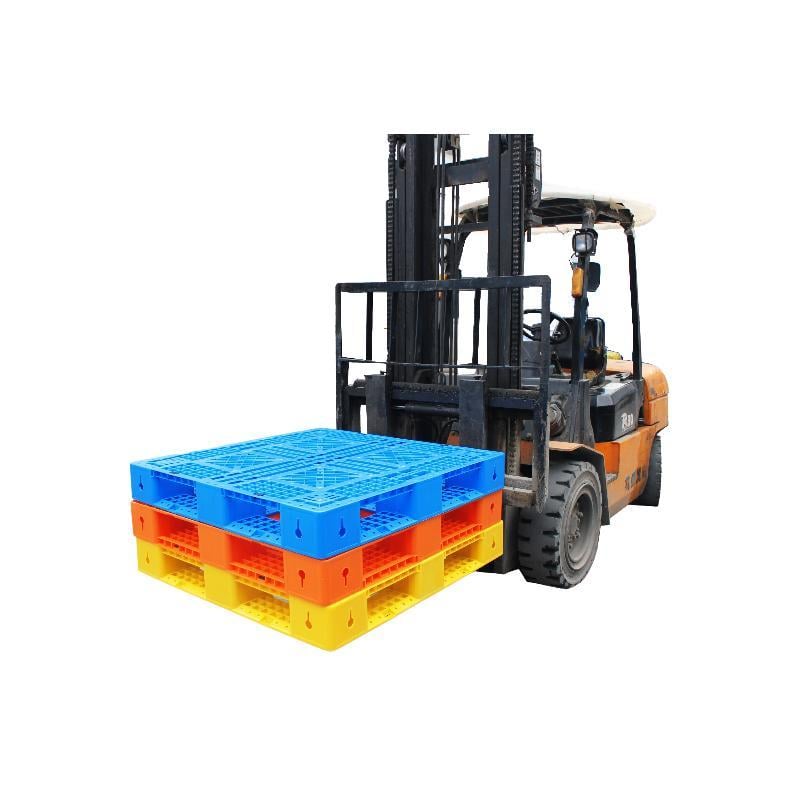 Plastic Pallets
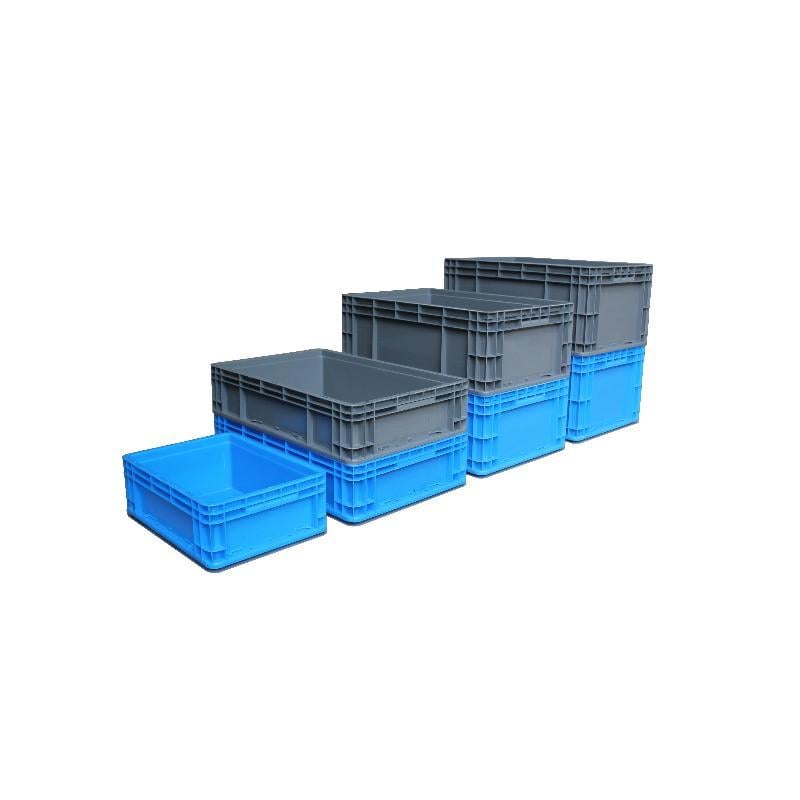 Logistics Box
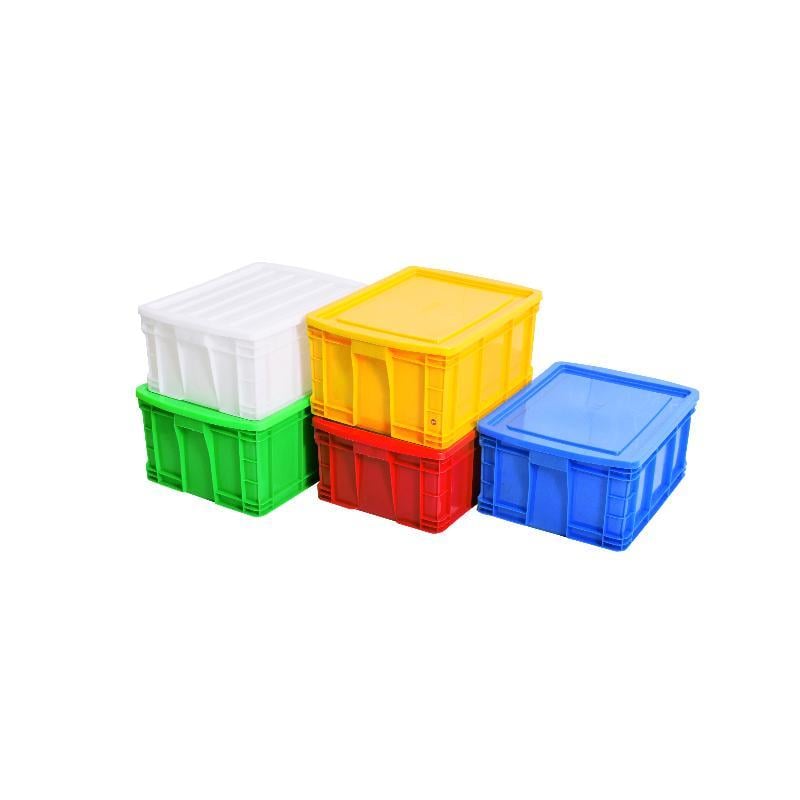 Plastic Crates
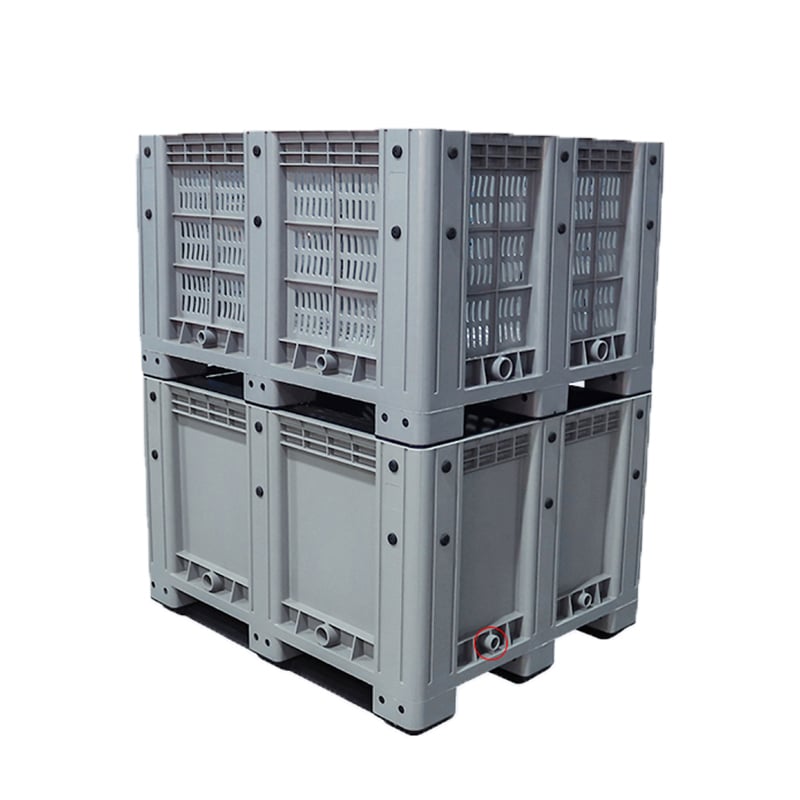 Bulk Containers
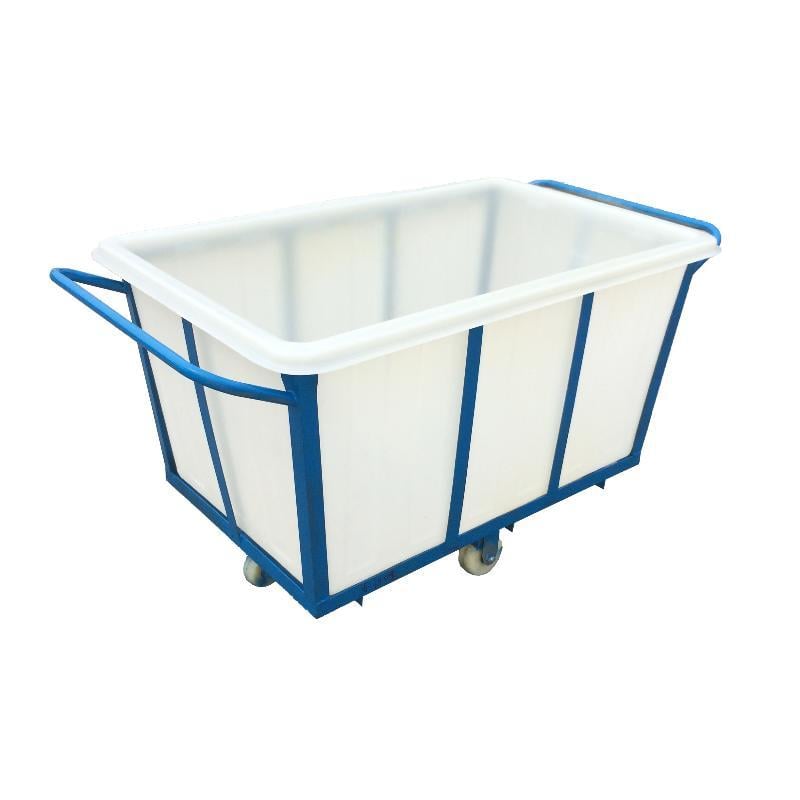 Trolly Cart
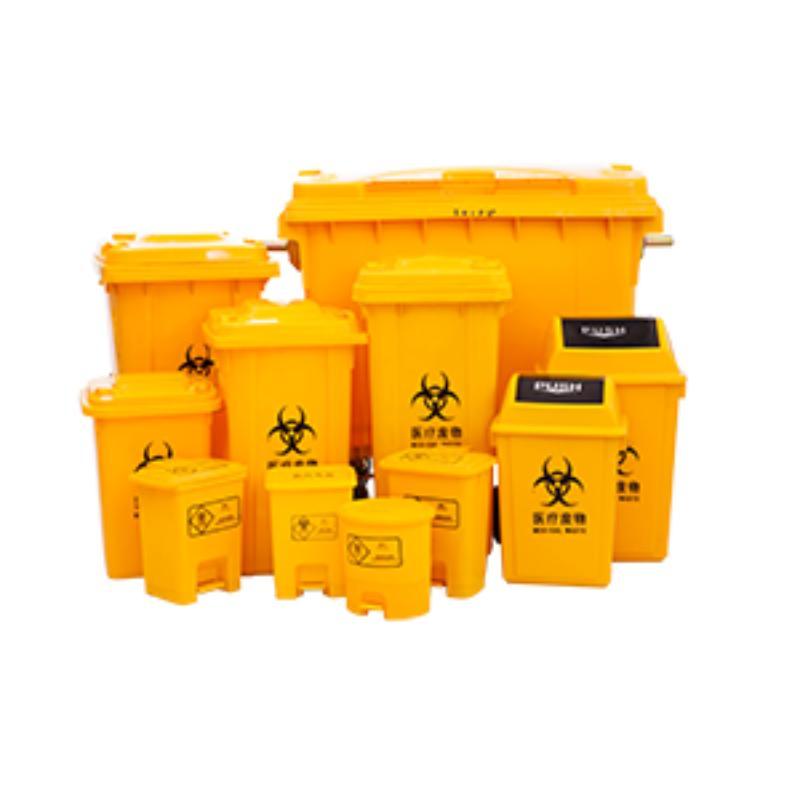 Waste Bins
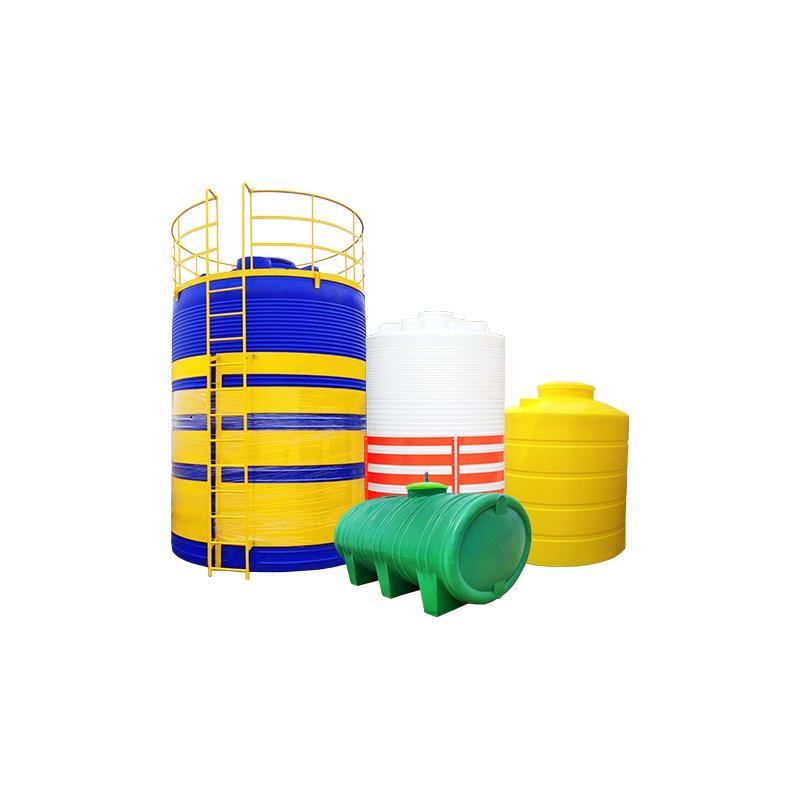 liquid storage containers
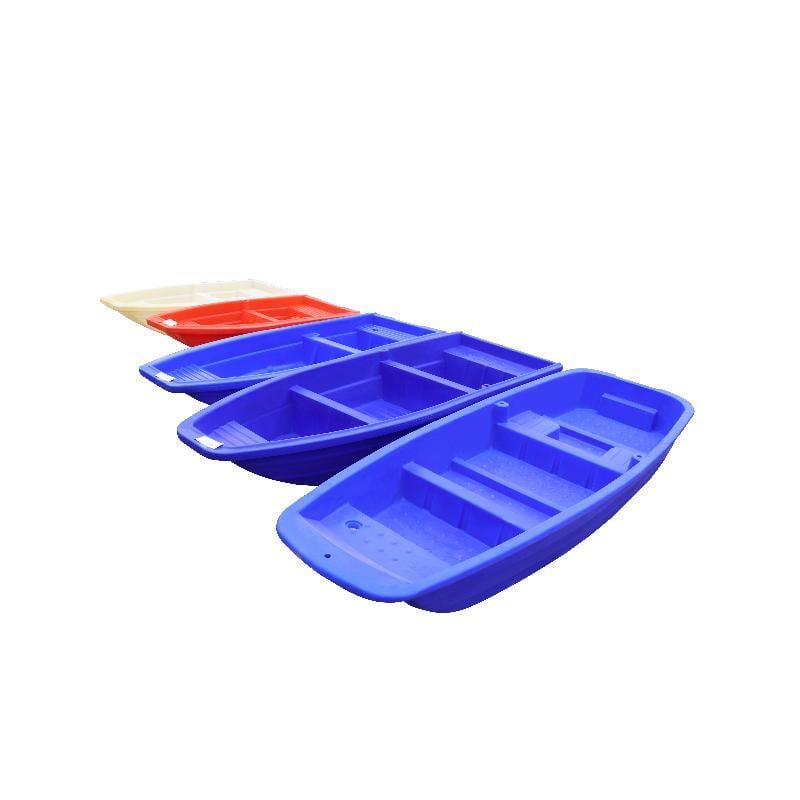 Boat &Aquatic products

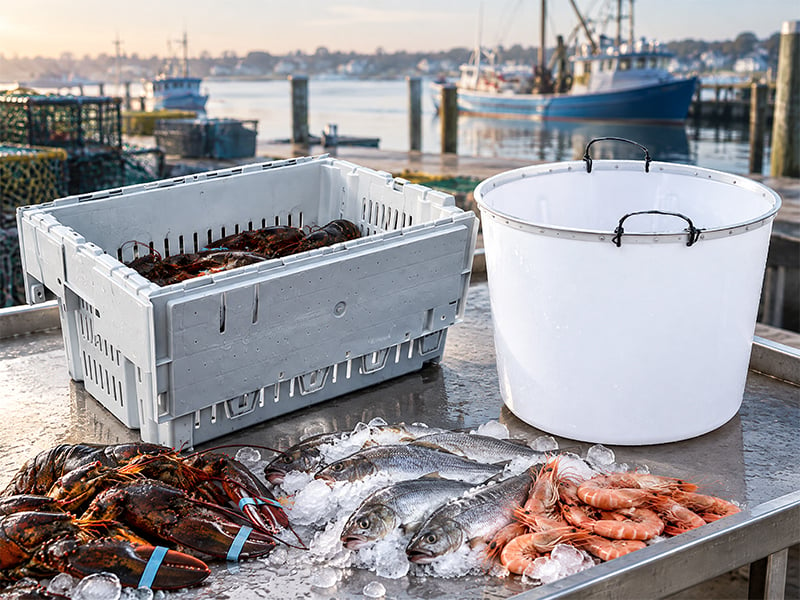
When a new fishing season approaches, fishermen, seafood processors, distributors, wholesalers and aquaculture businesses need to prepare more than boats and fishing equipment.
The containers used to collect, hold, sort, store and transport seafood are also an important part of seasonal preparation.
Lobsters, crabs, shrimp and different types of fish have different handling requirements. A container that works well for one seafood product may not be suitable for another. Size, ventilation, drainage, stackability, durability, cleaning requirements and transportation conditions should all be considered before purchasing.
Because fishing seasons vary by country, region and species, there is no single global fishing season. Businesses should always check the applicable fishing regulations and opening dates for their specific fishery.
For seafood businesses, however, the preparation process is similar: inspect existing containers, estimate peak-season demand, replace damaged products and make sure the right seafood handling containers are available before operations become busy.
Why Fishing Season Preparation Matters
The beginning of a fishing season can significantly increase the volume of seafood moving through fishing boats, landing sites, processing facilities, cold-storage warehouses and distribution networks.
Businesses may need containers for:
- Collecting seafood from fishing vessels
- Sorting and grading
- Temporary holding
- Processing
- Cold storage
- Local distribution
- Refrigerated transportation
- Wholesale markets
- Export shipments
If containers are damaged, insufficient or difficult to clean, handling efficiency can quickly become a problem.
Preparing seafood containers before the season starts gives businesses time to inspect their existing inventory and arrange additional products before peak demand.
What Seafood Containers Are Commonly Used During Fishing Season?
Different seafood products require different types of containers.
Common options include:
- Lobster crates
- Lobster boxes
- Crab crates and crab boxes
- Fish crates
- Fish baskets
- Shrimp barrels
- Fish barrels
- Aquatic buckets
- Aquaculture baskets
- Large seafood turnover containers
The correct choice depends on the species, catch size, handling process, storage environment and transportation method.
1. Lobster Crates and Lobster Boxes
Lobsters are commonly handled in specialized containers designed to provide sufficient space, ventilation and drainage.
For commercial seafood operations, lobster and crab seafood crates can be considered for handling and short-distance transportation of live seafood.
These reusable HDPE crates are designed for applications involving lobsters, crabs, shrimp, fish and shellfish. Their stackable structure can also help make better use of available space during storage and transportation.
For operations requiring a covered design, hinged-lid lobster crates are another option for live seafood handling. The product is designed for short-distance transportation of live aquatic products and can also be used for shrimp, fish, crabs and shellfish.
When choosing a lobster crate, consider:
- Internal dimensions
- Ventilation
- Drainage
- Stackability
- Structural strength
- Lid design
- Handling method
- Ease of cleaning
- Resistance to wet and salty environments
- Compatibility with cold storage
The appropriate design depends on the species, loading density and actual transportation conditions.
2. Fish Crates and Fish Baskets
Fish crates and fish baskets are commonly used for collecting, sorting, storing and transporting fish.
For operations requiring a lighter or more open basket-style container, a plastic fish basket can be considered according to the species and handling process.
Fish baskets may be useful for:
- Catch collection
- Fish sorting
- Temporary storage
- Seafood processing
- Local transportation
- Aquaculture operations
When selecting a fish basket, consider the size of the fish, required capacity, drainage, ventilation, handling method and cleaning process.
The container should also fit the rest of the logistics system, including pallets, storage areas, refrigerated vehicles and processing equipment.
3. Shrimp Barrels and Shrimp Containers
Shrimp may be handled in barrels, buckets, crates and other specialized seafood containers.
For commercial shrimp operations, shrimp barrels are one option for seafood handling and preservation. LinHui's shrimp barrel product page lists HDPE or PP material options and customizable dimensions, colors and identification.
When selecting a shrimp barrel or container, consider:
- Container capacity
- Material
- Internal surface
- Drainage
- Stackability
- Cleaning requirements
- Handling frequency
- Temperature conditions
- Transportation method
Shrimp containers may be repeatedly exposed to water, ice and seafood residue. A practical design should therefore allow workers to clean the container efficiently between uses.
For large-volume operations, container dimensions should also be considered together with pallet configuration, cold-storage space and transportation capacity.
4. Fish Buckets and Aquatic Containers
Fish buckets and tubs can be useful for smaller-volume handling, sorting and temporary storage.
Depending on the application, businesses may also consider different seafood and aquatic products, including aquatic buckets and aquaculture baskets.
When choosing a fish bucket or aquatic container, consider:
- Capacity
- Handle design
- Wall thickness
- Drainage
- Weight when fully loaded
- Ease of stacking
- Cleaning requirements
A container that is too large may become difficult to move when fully loaded. A container that is too small, however, may increase the number of handling cycles.
The right capacity should therefore be based on the actual handling process rather than container volume alone.
5. Crab Crates and Crab Boxes
Crabs require containers that can withstand repeated handling and contact with wet, salty environments.
Lobster and crab seafood crates are designed for applications involving live lobsters, crabs, shrimp, fish and other seafood. The stackable design can help with storage and transportation efficiency.
Crab boxes may be used for:
- Catch collection
- Sorting
- Temporary holding
- Transportation
- Processing
- Cold storage
Ventilation, drainage and stacking stability are particularly important when containers are used for live seafood.
The design should also provide sufficient internal space without allowing excessive movement during transportation.
6. Large Seafood Containers for Commercial Fishing
For higher-volume operations, larger containers can be useful for bulk seafood handling.
For example, the large fish storage and seafood turnover crate is designed for commercial fishing, seafood transportation and storage. The product page describes a nestable and stackable structure and provides a stated load capacity for the listed model.
Larger seafood containers may be suitable for:
- Commercial fishing operations
- Seafood processors
- Wholesale distributors
- Cold-storage facilities
- Seafood markets
- Aquaculture operations
- Food-processing facilities
Before purchasing a large container, check forklift access, pallet dimensions, storage height, door dimensions and transportation space.
A container that works well in one facility may not be suitable for another if the dimensions do not match the existing handling equipment.
7. Aquaculture Baskets and Seafood Handling Containers
Fishing businesses are not the only users of reusable seafood containers.
Aquaculture farms, seafood processors, wholesalers and distributors may also need containers for daily harvesting, sorting and transportation.
Products such as aquaculture baskets can be considered for different aquatic-product handling applications.
This is particularly relevant when the same container needs to move between harvesting, sorting, temporary storage and transportation.
The container should be selected according to the actual species, working environment and handling process.
What Material Should Seafood Containers Use?
Plastic is widely used for reusable seafood containers because it can be designed for wet environments and repeated handling.
However, “plastic” alone is not a sufficient purchasing specification.
Buyers should consider:
- Resin or material type
- Product structure
- Wall thickness
- Temperature conditions
- Impact requirements
- Chemical exposure
- Cleaning method
- Expected service conditions
- Applicable food-contact requirements
For seafood applications, material grade and applicable compliance requirements should be confirmed according to the intended application and destination market.
For example, the material requirements for a container used for live seafood transportation may differ from those for a container used for frozen seafood processing.
How Important Are Drainage and Ventilation?
Drainage and ventilation can be important design considerations for seafood containers.
Seafood handling may involve:
- Seawater
- Fresh water
- Melted ice
- Condensation
- Seafood fluids
- Frequent washing
Without suitable drainage, liquid can accumulate inside the container.
Ventilation can also be useful for certain live seafood applications, particularly when containers need airflow during temporary storage or transportation.
However, there is no single ventilation design that is suitable for every seafood product.
The appropriate design should be evaluated according to the species, transportation duration, loading density and operating environment.
How to Prepare Seafood Containers Before Fishing Season
Before the fishing season begins, businesses can inspect their existing containers using a simple checklist.
Step 1: Check for Damage
Look for:
- Cracks
- Broken handles
- Deformed walls
- Damaged corners
- Sharp edges
- Broken drainage openings
- Damaged stacking features
- Broken lids
Damaged containers should be separated from products that are ready for operation.
Step 2: Check Cleaning and Sanitation
Reusable seafood containers should be cleaned according to the facility's operating and sanitation procedures.
Pay particular attention to:
- Corners
- Drainage areas
- Handles
- Stacking surfaces
- Internal walls
- Lids
The cleaning method should be compatible with the container material and the site's sanitation requirements.
Step 3: Check Available Quantities
Estimate how many containers are required during the busiest operating period rather than the average day.
Consider:
- Expected catch volume
- Processing capacity
- Transportation frequency
- Cold-storage capacity
- Cleaning cycles
- Container return cycles
- Seasonal demand
This can help reduce the risk of container shortages during peak operations.
Step 4: Check Dimensions
Container dimensions should be compared with:
- Pallet dimensions
- Cold rooms
- Refrigerated trucks
- Processing equipment
- Conveyor systems
- Storage racks
- Loading areas
A container may be suitable for seafood but inefficient if it does not fit the existing logistics system.
Step 5: Plan Replacement and Additional Purchases
If existing containers are heavily damaged or insufficient for the expected season, replacement or additional purchases should be planned before the operation becomes busy.
For larger orders, buyers should confirm:
- Product dimensions
- Material
- Quantity
- Color
- Packaging
- Loading method
- MOQ
- Delivery requirements
- Destination
- Customization requirements
Standard or Custom Seafood Containers?
Standard seafood containers are often suitable when buyers need commonly used dimensions and designs.
Custom products may be considered when a business requires:
- Special dimensions
- Specific capacity
- Different wall structures
- Custom colors
- Company logos
- Specific drainage patterns
- Special ventilation
- Special stacking requirements
- Integration with existing equipment
For custom products, manufacturers normally need more information before confirming feasibility and pricing.
A drawing or product reference image, required quantity, processing requirements and actual usage conditions can help the manufacturer evaluate the project more accurately.
How to Choose the Right Seafood Container
Instead of choosing a container only by product name, buyers should evaluate the complete application.
Ask the following questions:
- What seafood will be handled?
- What is the approximate weight per container?
- Will ice or water be used?
- Will the containers be stacked?
- Will the containers be reused?
- Will they enter cold storage?
- How will they be moved?
- Will forklifts or pallet trucks be used?
- How will they be cleaned?
- What dimensions are required?
- What quantity is needed during peak season?
- Are food-contact or other compliance requirements applicable?
- Does the destination market have specific requirements?
Answering these questions before purchasing can make it easier to select a suitable container design.
Preparing for Fishing Season Beyond Seafood Containers
Seafood containers are only one part of seasonal preparation.
Businesses may also need to review:
- Cold-storage capacity
- Refrigerated transportation
- Ice supply
- Pallets
- Processing equipment
- Washing systems
- Sorting equipment
- Packaging materials
- Warehouse space
- Loading equipment
For example, seafood crates and larger fish containers may need to work together with plastic pallets or pallet boxes to create a more efficient handling system.
A complete logistics plan can help reduce unnecessary manual handling and make better use of warehouse and transportation space.
Fishing Season Preparation Checklist
Before the fishing season begins, review the following:
☐ Check lobster crates and lobster boxes
☐ Inspect fish crates and fish baskets
☐ Check shrimp barrels and shrimp containers
☐ Inspect fish buckets and aquatic containers
☐ Check crab crates and crab boxes
☐ Inspect larger seafood turnover containers
☐ Remove damaged containers
☐ Confirm cleaning and sanitation procedures
☐ Check required quantities
☐ Confirm container dimensions
☐ Check pallet and storage compatibility
☐ Review cold-storage requirements
☐ Confirm transportation capacity
☐ Check material and temperature requirements
☐ Confirm applicable compliance requirements
☐ Arrange replacement or additional containers
☐ Confirm delivery schedule before peak season
Conclusion
Fishing seasons vary by region and species, so seafood businesses should plan according to the regulations and operating conditions of their specific fishery.
For commercial fishing and seafood operations, seasonal preparation should also include the containers used after the catch is landed.
Lobster crates, lobster boxes, fish crates, fish baskets, shrimp barrels, fish buckets and crab boxes all have different potential applications.
The right seafood container should be selected based on the product being handled, container capacity, dimensions, drainage, ventilation, durability, cleaning requirements, storage conditions and the overall logistics process.
By reviewing container inventory before the season begins, seafood businesses can identify damaged products, calculate additional requirements and prepare their handling system before peak activity.
For businesses looking for standard or customized plastic seafood containers, LinHui Plastics can evaluate requirements based on product dimensions, quantity, application and customization needs.
Contact Us
Jane
WhatsApp: +86 13915871341
Email: [email protected]
Website: www.linhuiplastics.com
Table of Contents
- Why Fishing Season Preparation Matters
- What Seafood Containers Are Commonly Used During Fishing Season?
- 1. Lobster Crates and Lobster Boxes
- 2. Fish Crates and Fish Baskets
- 3. Shrimp Barrels and Shrimp Containers
- 4. Fish Buckets and Aquatic Containers
- 5. Crab Crates and Crab Boxes
- 6. Large Seafood Containers for Commercial Fishing
- 7. Aquaculture Baskets and Seafood Handling Containers
- What Material Should Seafood Containers Use?
- How Important Are Drainage and Ventilation?
- How to Prepare Seafood Containers Before Fishing Season
- Standard or Custom Seafood Containers?
- How to Choose the Right Seafood Container
- Preparing for Fishing Season Beyond Seafood Containers
- Fishing Season Preparation Checklist
- Conclusion
- Contact Us