
 EN
EN
 AR
AR CS
CS DA
DA NL
NL FI
FI FR
FR DE
DE EL
EL HI
HI IT
IT JA
JA KO
KO NO
NO PL
PL PT
PT RU
RU ES
ES SV
SV TL
TL ID
ID SR
SR UK
UK VI
VI SQ
SQ HU
HU TH
TH TR
TR MS
MS IS
IS BN
BN LO
LO MN
MN NE
NE MY
MY UZ
UZ KY
KY


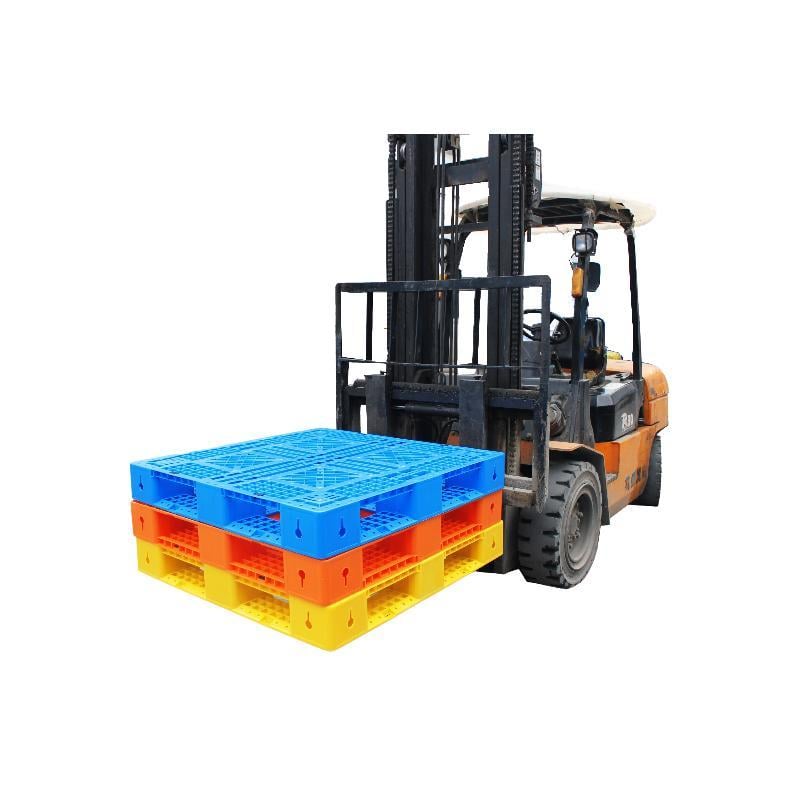 Plastové Palety
 Logistická Krabice
 Plastové Kbelíky
 Nádoby Velkého Volumu
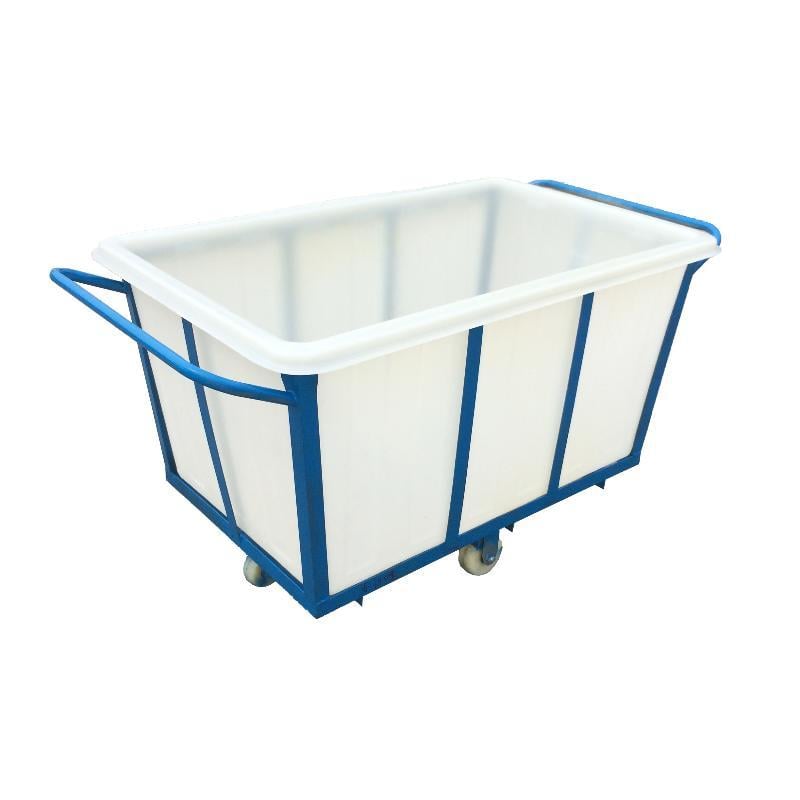 Tahací Vožík
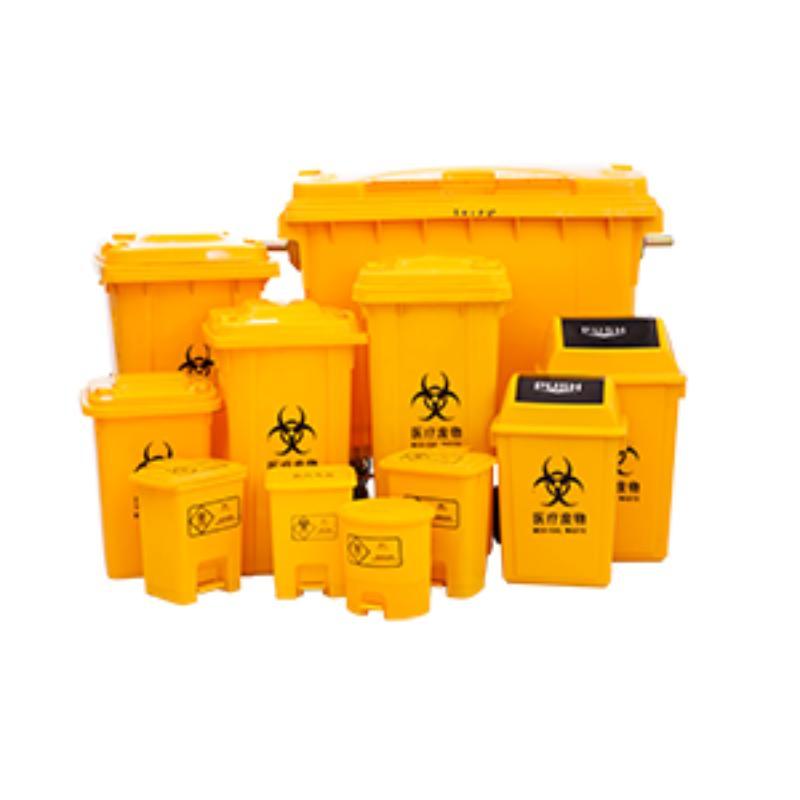 Kontejnery Na Odpad
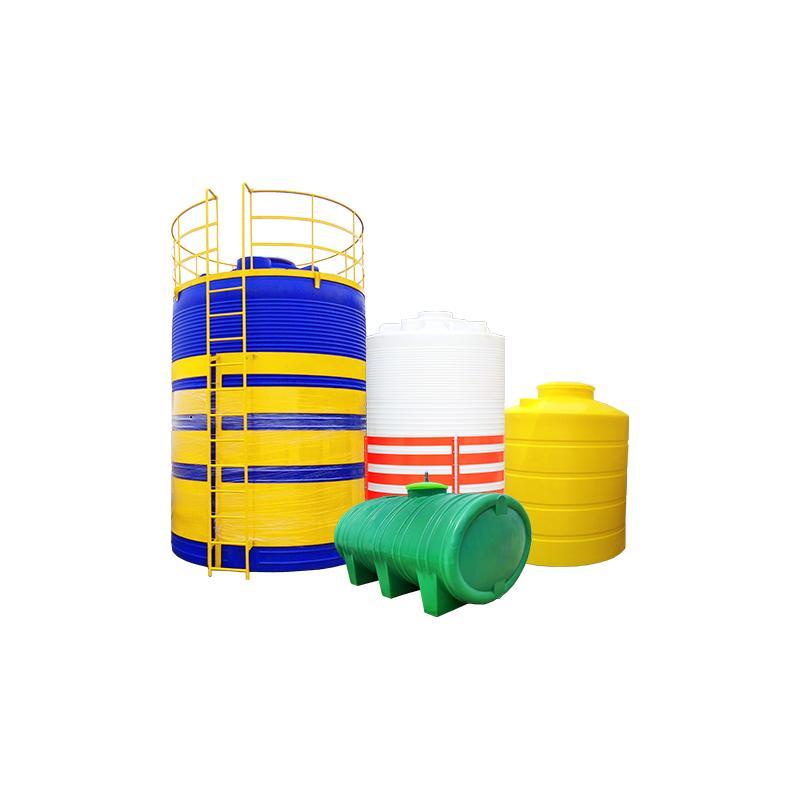 nádoby pro skladování kapalin
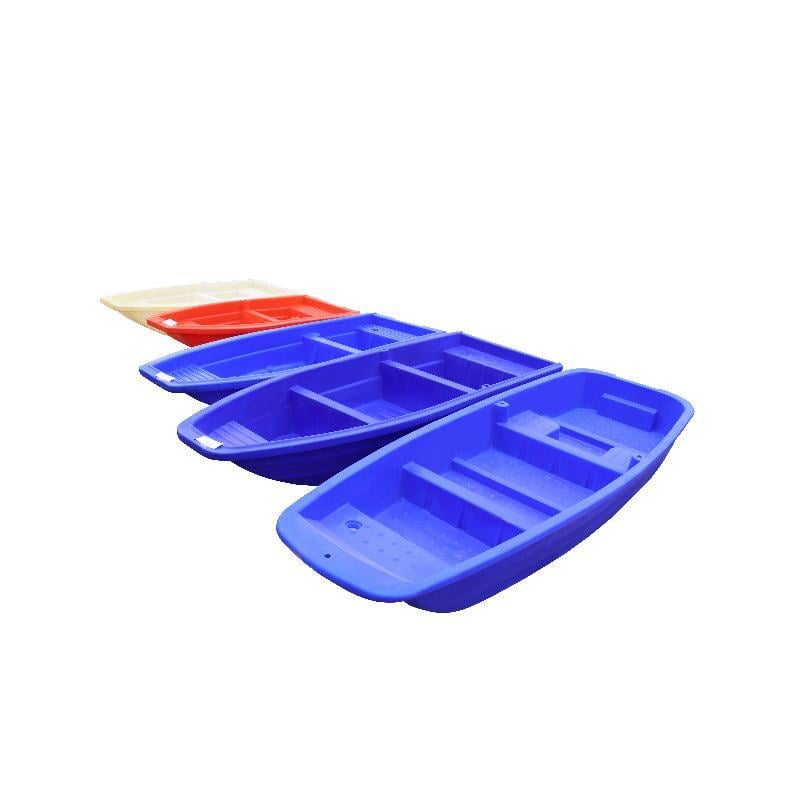 Lodě & Vodní Produkty
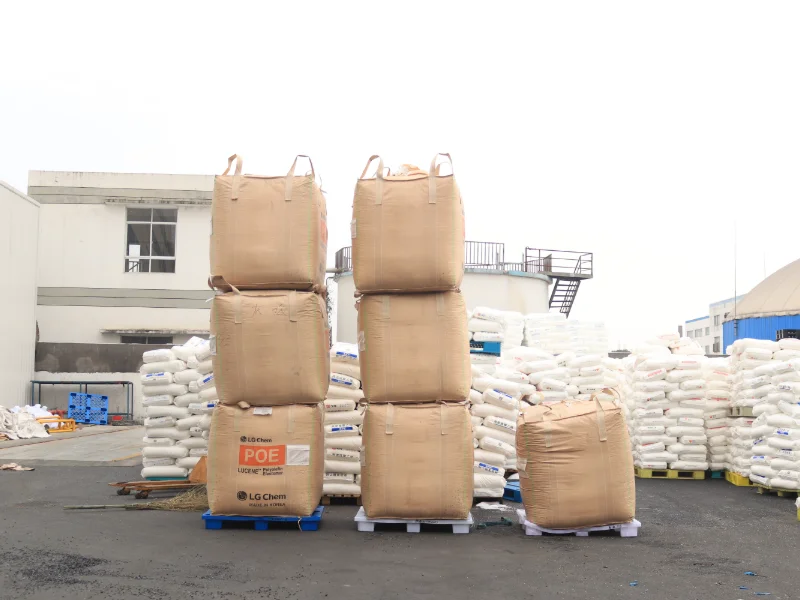
Výběr správného materiálu pro vaše plastová paleta je rozhodující volbou, zejména pokud vaše provozy zahrnují chladové skladování. Dva nejběžnější materiály, HDPE a PP, se při nízkých teplotách chovají velmi odlišně. Výběr nesprávného materiálu může vést ke zhroucení palet, poškození zboží a výrazně vyšším dlouhodobým nákladům. Tento průvodce poskytuje technické srovnání, které vám pomůže učinit informované rozhodnutí pro vaši chladovou řetězovou logistiku, a to na základě odborných znalostí a reálných údajů o výkonu.
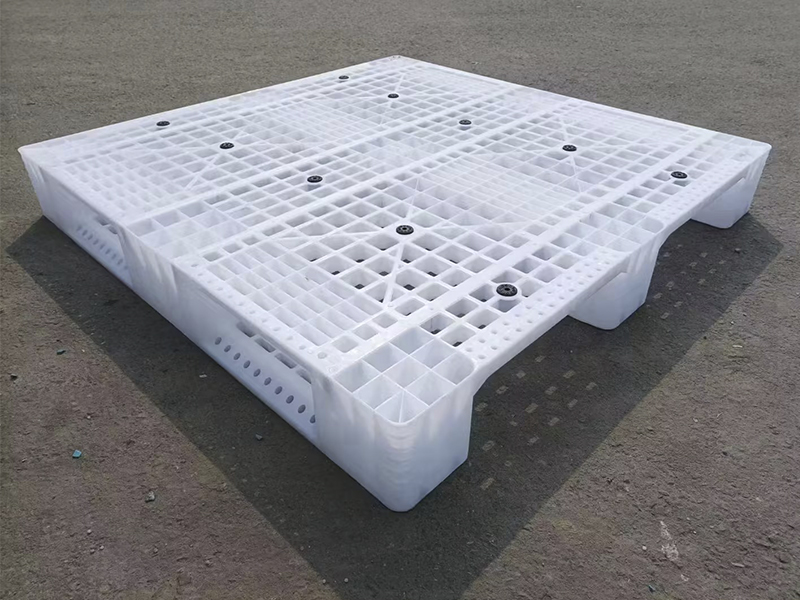
I když jsou jak polyethylen vysoké hustoty (HDPE), tak polypropylen (PP) trvanlivé termoplasty používané při výrobě palet, jejich molekulární struktury jim dodávají odlišné vlastnosti [1]. Tyto rozdíly se ještě zvyšují v náročných prostředích, jako je chladové skladování.
Nejvýznamnějším rozdílem pro aplikace v chladovém řetězci je výkon při nízkých teplotách. HDPE je známý svou vynikající houževnatostí při nízkých teplotách . Udržuje svou strukturální integritu a odolnost proti nárazu i za extrémně nízkých teplot, přičemž úspěšně projde zkouškami při teplotách až –30 °C až –40 °C, aniž by ztratil pružnost nebo praskl [1]. To činí HDPE nepopiratelným standardem pro plastovou paletu pro chladové skladování . PP, ač nabízí vysokou tuhost a odolnost vůči teplu, má v chladných prostředích kritickou slabou stránku. Při teplotách pod –10 °C má silnou tendenci ztrácet houževnatost; jeho nárazová pevnost klesá o více než 80 % [1]. Paleta z PP v mrazáku je vysoce náchylná k praskání nebo rozbití při nárazu vysokozdvižného vozíku.
Tento rozdíl se přímo promítá do celkových nákladů na vlastnictví. Jedna analýza ukázala, že provoz chladového skladu používající levnější palety z PP musel tyto palety každých 18 měsíců nahradit kvůli prasklinám. Během pěti let se tak možnost s PP stala o 40 % dražší než použití HDPE od počátku [2].
Při porovnání mechanických vlastností nabízí HDPE vysokou odolnost proti nárazu, pruží a po nárazu se vrací do původního tvaru, čímž je vhodné jako odolná plastová paleta pro náročná prostředí. PP naopak nabízí vynikající tuhost za okolní teploty a odolává creepu (deformaci pod dlouhodobě statickým zatížením), avšak za studena je náchylné k napěťovým trhlinám a prasklinám při nárazu [1].
Kromě chování za studena je třeba zohlednit i další důležité faktory pro vaše průmyslové plastové palety pro teplo a hygiena: Pokud jsou vaše palety vystaveny čištění párou za vysoké teploty nebo sterilizaci v autoklávu (běžné v farmaceutickém prostředí), je PP lepší volbou, protože odolává deformaci při teplotách nad 100 °C, zatímco HDPE začíná deformovat kolem 110 °C [1]. Co se týče odolnosti vůči chemikáliím, oba materiály jsou obecně odolné, avšak HDPE má vyšší odolnost vůči silným kyselinám, zásadám a roztokům solí, což jej činí ideálním pro chemický průmysl nebo průmysl mořských plodů, zatímco PP lépe odolává některým organickým rozpouštědlům. Pokud jde o hmotnost, PP má mírně nižší hustotu, takže paleta z PP může být o něco lehčí než ekvivalentní paleta z HDPE, což může přinést úspory nákladů při letecké přepravě.
Chcete-li učinit správnou volbu pro svůj srovnání materiálů plastových palet , zvažte nejnižší teplotu, na kterou budou vaše palety vystaveny. Pokud je odpověď nižší než –10 °C (časté použití ve zmrazovačích, chlazená doprava), musíte zvolit HDPE, protože jeho odolnost při nízkých teplotách je nepostradatelná [1]. Pokud vaše palety nikdy nebudou vystaveny teplotám pod 0 °C a budou používány v stabilních prostředích při pokojové nebo vyšší teplotě uvnitř budov, je PP přijatelnou volbou, zejména pokud máte za prioritu vysokou statickou nosnost. Zvažte také způsob čištění palet. Pokud používáte čištění vysokotlakovou vodou při vysoké teplotě nebo párou, je PP trvanlivější volbou [1]. Pokud se palety čistí standardní studenou nebo teplou vodou a mírnými čisticími prostředky, je HDPE zcela dostačující. Nakonec vyhodnoťte celkové náklady na vlastnictví. Ačkoli paleta z PP může mít nižší počáteční náklady, její omezená životnost v chladném prostředí často z dlouhodobého hlediska zvyšuje celkové náklady kvůli nutnosti výměny, prostojům a potenciálnímu poškození zboží [2]. HDPE nabízí delší životnost v chladových řetězcích.
Porovnání plastových palet z HDPE a PP pro chladné skladování
| Vlastnost | HDPE (polyetylén vysoké hustoty) | PP (polypropylen) |
|---|---|---|
| Nízkoteplotní houževnatost | Vynikající (až do -40 °C) [1] | Špatné (stává se křehké pod -10 °C) [1] |
| Odolnost proti nárazům | Vysoká; pruží a po nárazu se vrátí do původního tvaru | Nízká; náchylná ke vzniku napěťových trhlin a prasklin při nárazu [1] |
| Tuhost (za okolní teploty) | Dobrá; vyvážený poměr tuhosti a pružnosti | Vynikající; nabízí vysokou tuhost a odolnost proti dotvarování [1] |
| Odolnost proti teplu | Začíná se deformovat kolem 110 °C | Odolává deformaci nad 100 °C; vhodné pro čištění párou [1] |
| Chemická odolnost | Vyšší odolnost vůči silným kyselinám, zásadám a solným roztokům | Lepší odolnost vůči některým organickým rozpouštědlům |
| Hmotnost | Mírně těžší | Mírně lehčí; nepatrná výhoda pro letecké přepravy |
| Nejlepší použití | Chladné skladování, mrazničky, chlazená doprava, venkovní použití v zimě | Sklady při pokojové teplotě, prostředí s vysokou teplotou, oblasti dezinfikované párou [1] |
Nejčastější dotazy
Otázka: Lze PP palety používat ve chladném skladování, pokud s nimi nezacházíme hrubě?
Odpověď: I když opatrnné zacházení může snížit nárazy, vnitřní křehkost PP při teplotách pod -10 °C znamená, že i mírný náhodný náraz vysokozdvižného vozíku nebo pád z nízké výšky může způsobit praskliny. Pro spolehlivou plastovou paletu pro chladové skladování , je HDPE bezpečnější a trvanlivější volbou [1].
Otázka: Jsou palety z HDPE dražší než palety z PP?
Odpověď: Palety z HDPE mají obvykle vyšší počáteční náklady. Jak však srovnání ukazuje, jejich vyšší trvanlivost v chladných prostředích často vede k výrazně nižším celkovým nákladům na vlastnictví během několika let, protože vyžadují méně výměn [2].
Otázka: Který materiál je vhodnější pro farmaceutické skladové prostory s chladicími a pokojovými zónami?
Odpověď: Pokud budou palety pravidelně přesunovány do mrazicích částí, doporučujeme HDPE. Pro oblasti, které jsou výhradně při pokojové teplotě a vyžadují častou dezinfekci párou, je možná vhodnější PP. Mnoho výrobců plastových palet dokáže poskytnout poradenství na základě vašeho konkrétního pracovního postupu.
Otázka: Vyrábí společnost Linhui Plastics palety z HDPE i z PP?
Odpověď: Ano, jako zkušená výrobce plastových palet společnost s více než 20letou tradicí v odvětví vyrábí Linhui Plastics palety z obou těchto materiálů. Náš tým vám pomůže vybrat nejvhodnější průmyslové plastové palety řešení pro vaše konkrétní použití, včetně možností pro Výroba podle individuálních požadavků/OEM/ODM přizpůsobení podle vašich přesných požadavků, za podmínky splnění objemových závazků a případného vývoje forem.
Závěr
Volba je jasná pro chladné skladování a chladový řetězec: HDPE je vyšší a osvědčený materiál pro plastová paleta . Jeho nepřekonatelná odolnost vůči nárazu za nízkých teplot, trvanlivost a dlouhá životnost ho činí nejspolehlivější a nejvýhodnější investicí pro ochranu vašich zboží a zajištění hladkého provozu v chlazených prostředích [1]. I když má PP své výhody, jeho fatální nedostatek – křehkost při nízkých teplotách – ho činí nevhodným pro jakékoli použití ve zmražovačích. Jako výrobce plastových palet s certifikacemi ISO9001 a ISO14001 nabízí společnost Linhui Plastics odborné poradenství při výběru materiálů na základě vašich konkrétních provozních požadavků.
Kontaktujte nás
E-mail: [email protected]
WhatsApp: +86 18806120677
Webová stránka: https://www.linhuiplastics.com