
 EN
EN
 AR
AR CS
CS DA
DA NL
NL FI
FI FR
FR DE
DE EL
EL HI
HI IT
IT JA
JA KO
KO NO
NO PL
PL PT
PT RU
RU ES
ES SV
SV TL
TL ID
ID SR
SR UK
UK VI
VI SQ
SQ HU
HU TH
TH TR
TR MS
MS IS
IS BN
BN LO
LO MN
MN NE
NE MY
MY UZ
UZ KY
KY


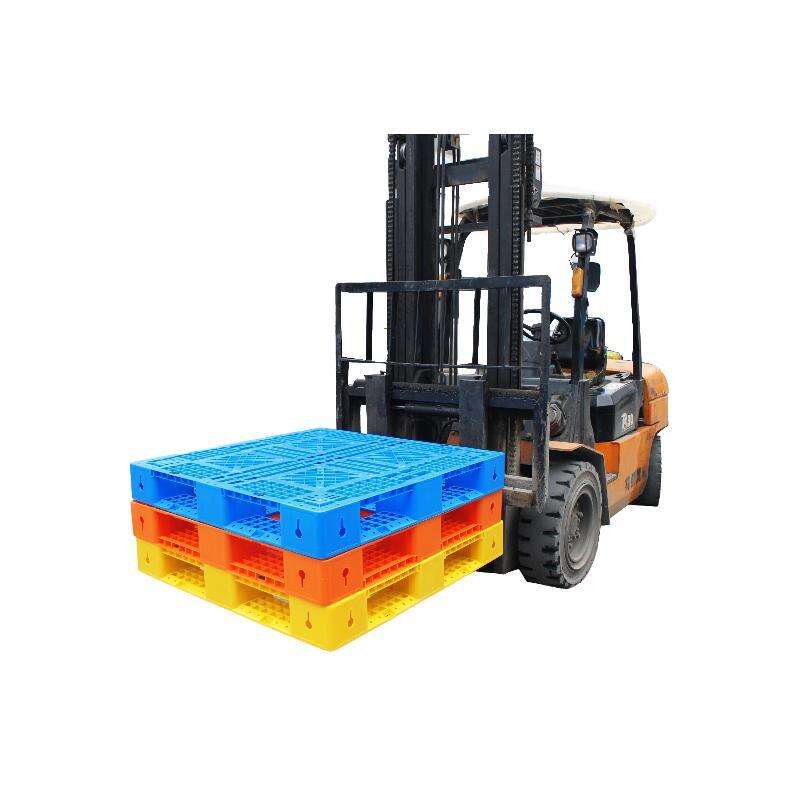 Plastic Pallets
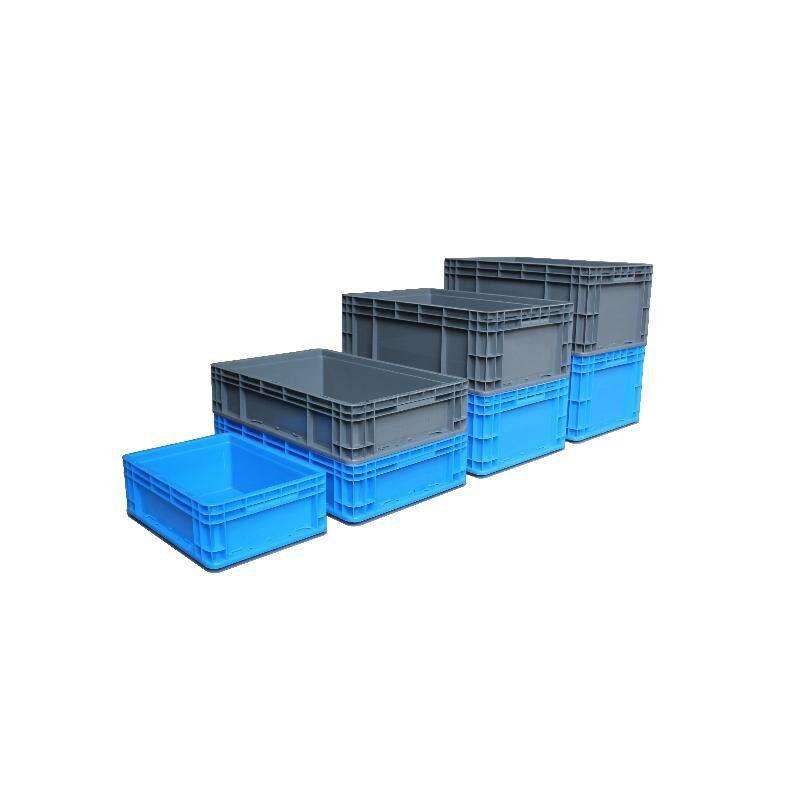 Logistics Box
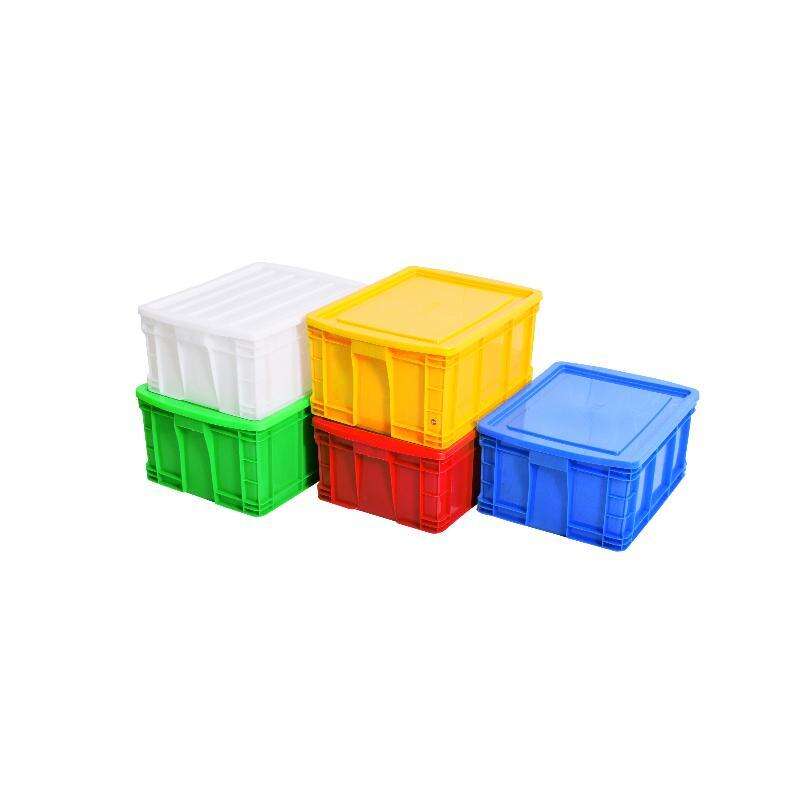 Plastic Crates
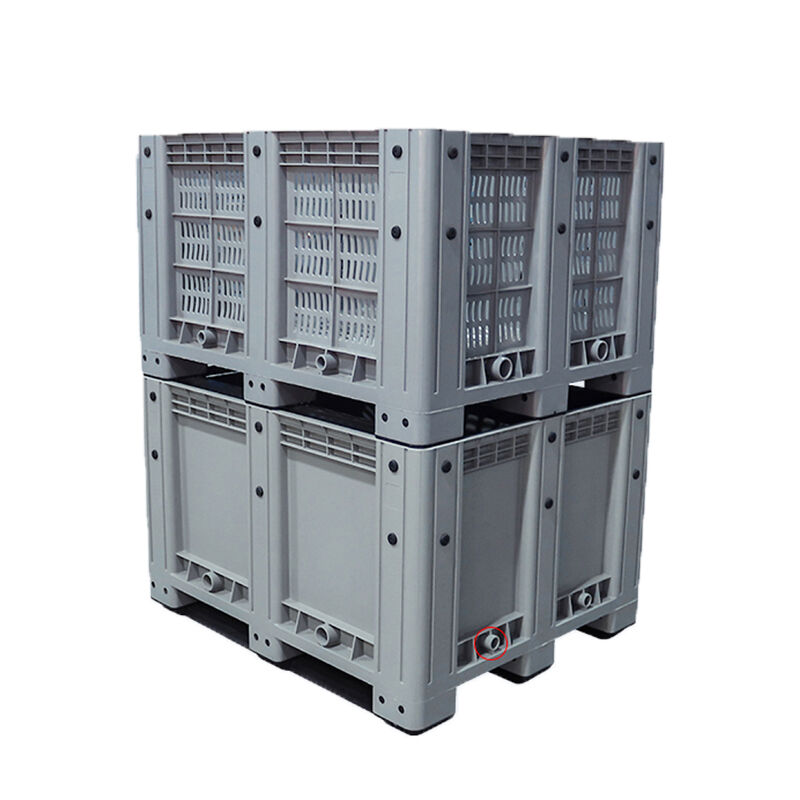 Bulk Containers
 Trolly Cart
 Waste Bins
 liquid storage containers
 Boat &Aquatic products
Introduction
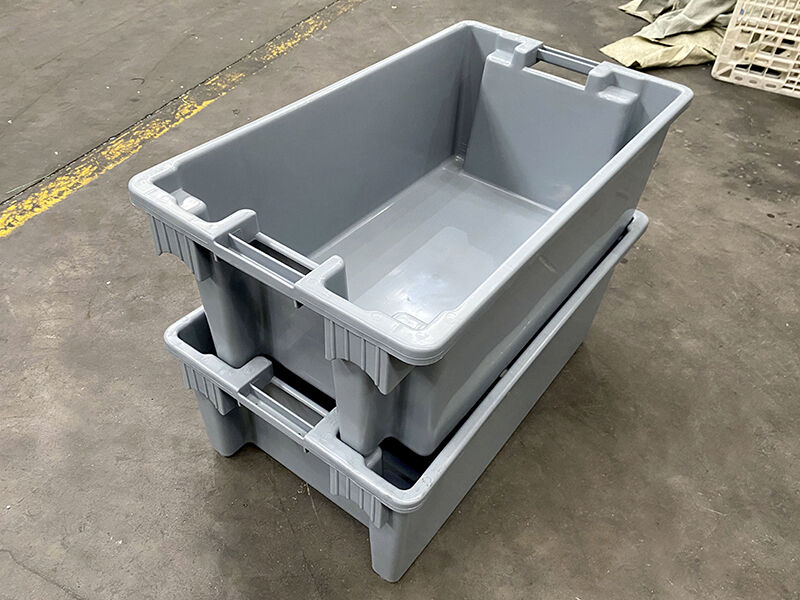
The global seafood trade is growing rapidly due to increasing demand for fresh lobster, crab, shrimp, and fish. Choosing the right seafood transport basket is essential for maintaining product freshness, reducing damage, and improving cold chain efficiency.
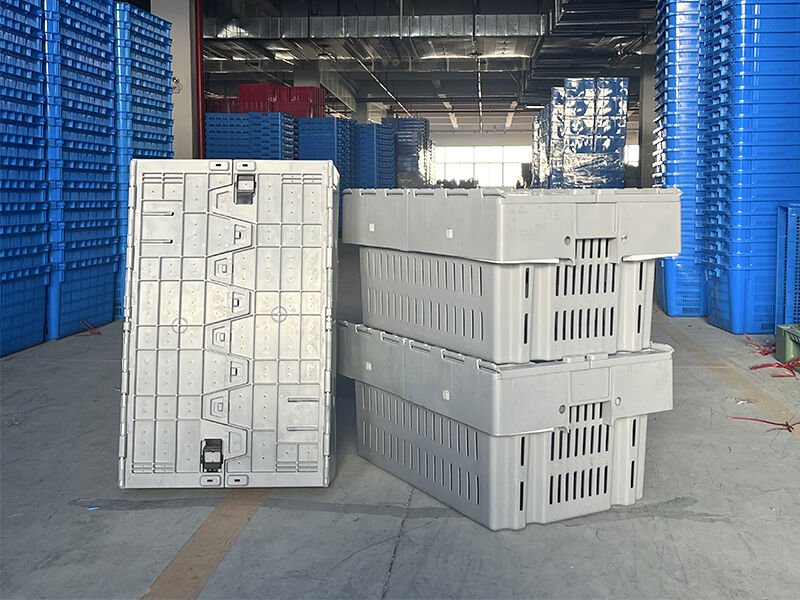
Whether used for offshore fishing, seafood markets, aquaculture farms, or export logistics, high-quality seafood transport crates play a critical role in protecting seafood during handling and transportation.
This guide explains how to select the right seafood transport basket, key design features to consider, and industry trends influencing seafood logistics worldwide.
Why the Right Seafood Transport Basket Matters
Seafood is highly perishable and sensitive to temperature, oxygen, and pressure. A professional seafood transport basket must provide:
-
Strong load-bearing capacity
-
Ventilated structure for drainage
-
Stackable and nestable design
-
Hygienic and easy-to-clean material
-
Compatibility with cold chain storage
Using low-quality containers increases spoilage risk and transportation losses.
Key Features of High-Quality Seafood Transport Crates
1. Food-Grade HDPE Material
A durable seafood transport basket is typically made from food-grade HDPE plastic. This material offers:
-
Impact resistance
-
Corrosion resistance (saltwater safe)
-
Moisture resistance
-
Long service life
Unlike wooden crates, plastic seafood transport crates do not absorb water or bacteria.
2. Ventilated & Drainage Design
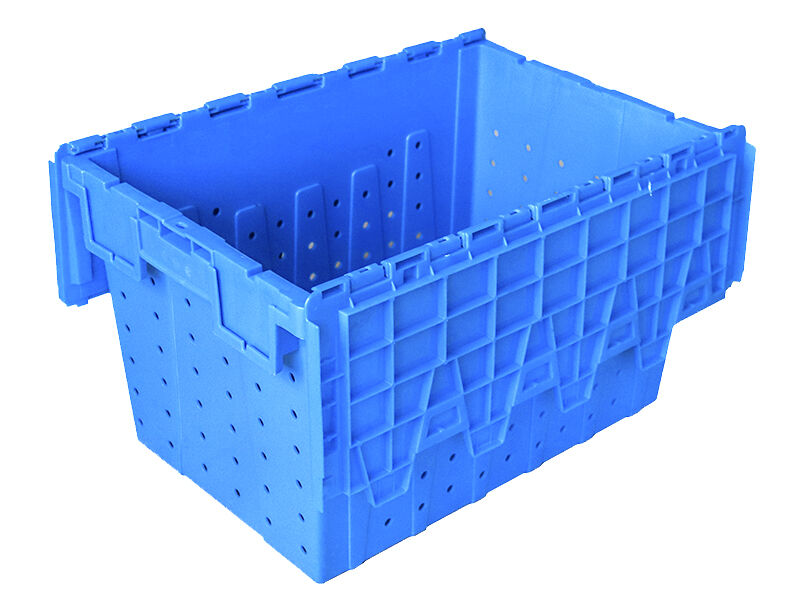
Proper airflow is crucial. A well-designed seafood transport basket includes perforated sides and bottom drainage holes, allowing melted ice water to flow out while maintaining product hygiene.
This is especially important for lobster and crab transport.
3. Stackable & Space-Saving Structure
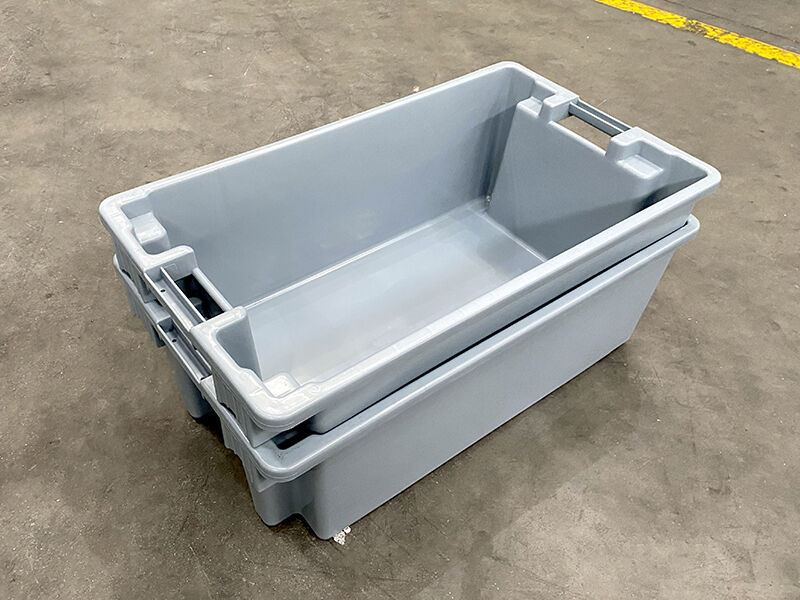
Stackable seafood transport crates help maximize storage space in:
-
Fishing boats
-
Cold storage rooms
-
Refrigerated trucks
-
Export containers
Reinforced stacking corners ensure stability under dynamic loads.
4. Oxygen Supply Options for Live Seafood
For live seafood such as lobster and crab, some seafood transport baskets can be designed to accommodate oxygen supply systems or aeration features.
This improves survival rates during long-distance transportation.
Seafood Transport Basket for Different Applications
Fishing & Dock Handling
Durable plastic seafood crates handle heavy loads and rough marine environments.
Cold Chain Distribution
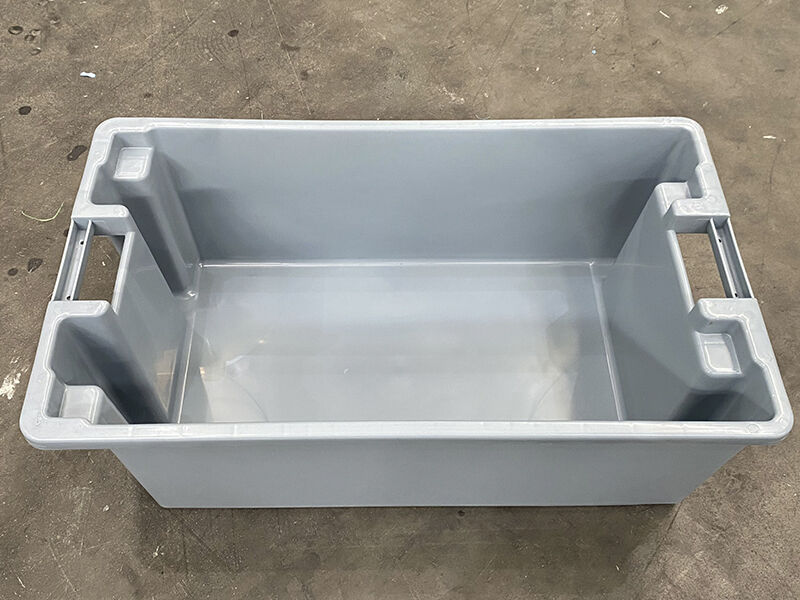
In refrigerated logistics, a stable seafood transport basket maintains structural integrity at low temperatures without cracking.
Export & International Shipping
Standardized dimensions improve compatibility with pallets, electric pallet jacks, and warehouse racking systems.
Industry Trends in Seafood Logistics
1. Growth of Cold Chain Infrastructure
The expansion of global cold chain networks is increasing demand for hygienic and reusable seafood transport crates.
2. Sustainability & Reusability
Many regions are reducing single-use packaging. Reusable plastic seafood transport baskets lower long-term operational costs and environmental impact.
3. Automation in Warehousing
Modern seafood distribution centers increasingly use pallet systems and automated handling. Standard-sized seafood transport basket designs improve compatibility with forklifts and pallet jacks.
Common Buying Mistakes
-
Choosing thin-walled crates that deform under load
-
Ignoring drainage design
-
Using non-food-grade materials
-
Selecting non-standard sizes that complicate export logistics
Always confirm specifications such as weight capacity, external dimensions, and stacking strength before purchasing a seafood transport basket.
FAQ
Q1: Are plastic seafood transport crates better than wooden crates?
Yes. Plastic crates are hygienic, moisture-resistant, and longer-lasting.
Q2: Can seafood transport baskets be used in cold storage?
High-quality HDPE seafood transport baskets perform well in refrigerated environments.
Q3: What size is most common?
Dimensions vary by market, but export-oriented seafood transport crates often align with pallet standards for efficient handling.
Conclusion
A reliable seafood transport basket is essential for reducing spoilage, protecting product quality, and improving cold chain efficiency. As global seafood demand continues to grow, investing in durable and stackable seafood transport crates ensures better performance across fishing, processing, and export operations.
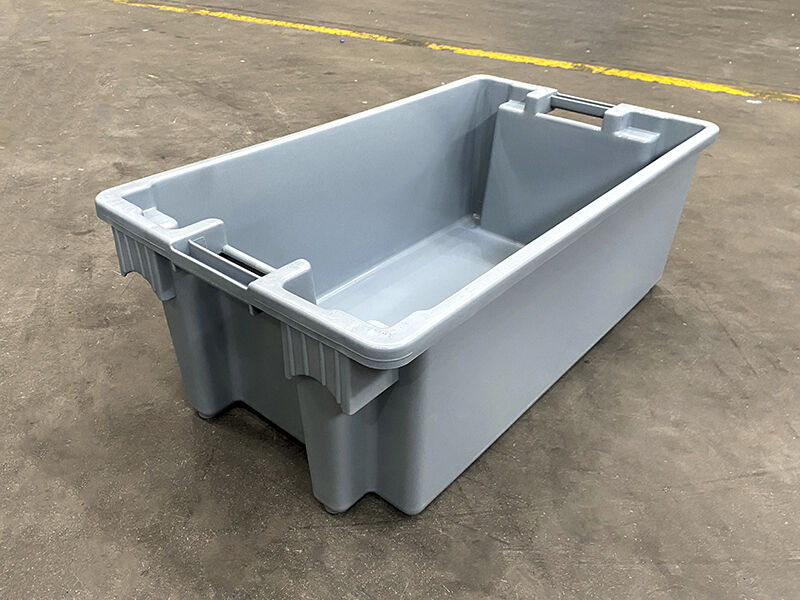
Selecting the right material, structure, and size will directly impact logistics efficiency and product safety.
Contact Us
Email: [email protected]
Mobile: +86 18806120677
Website: https://www.linhuiplastics.com/