
 EN
 AR
 CS
 DA
 NL
 FI
 FR
 DE
 EL
 HI
 IT
 JA
 KO
 NO
 PL
 PT
 RU
 ES
 SV
 TL
 ID
 SR
 UK
 VI
 SQ
 HU
 TH
 TR
 MS
 IS
 BN
 LO
 MN
 NE
 MY
 UZ
 KY


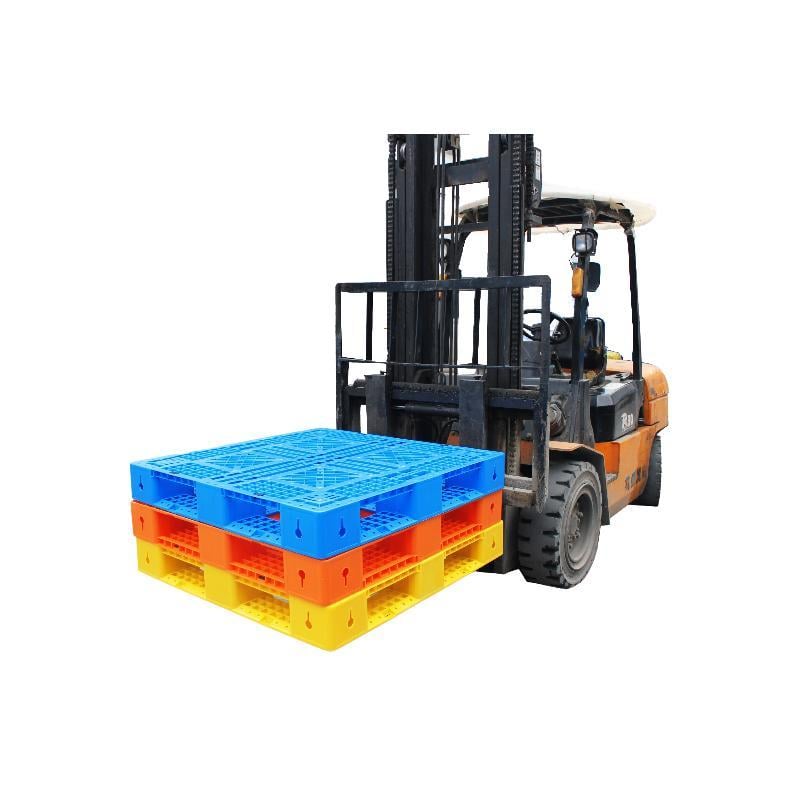 Plastic Pallets
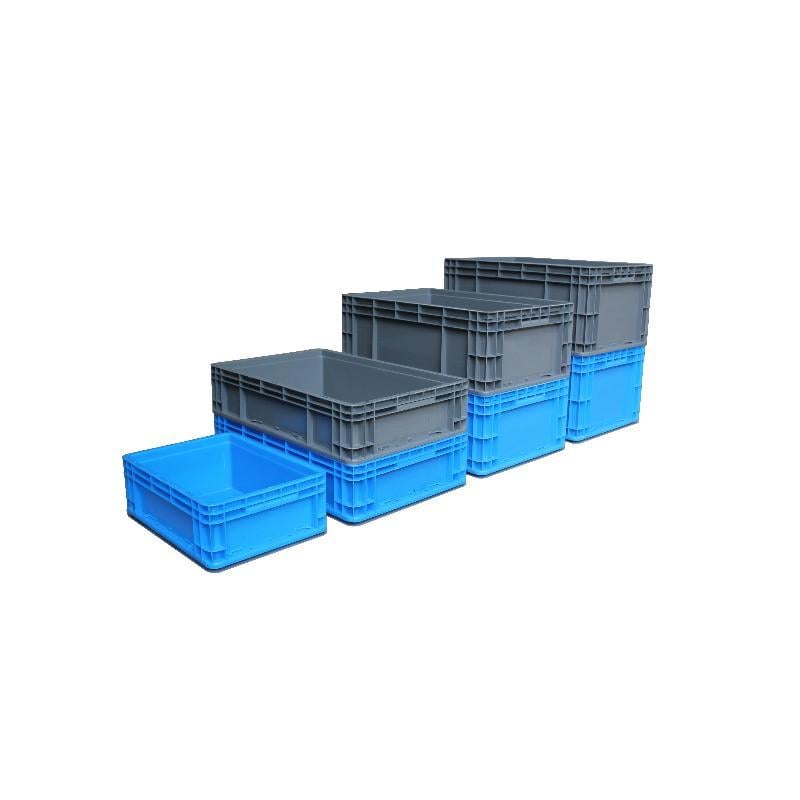 Logistics Box
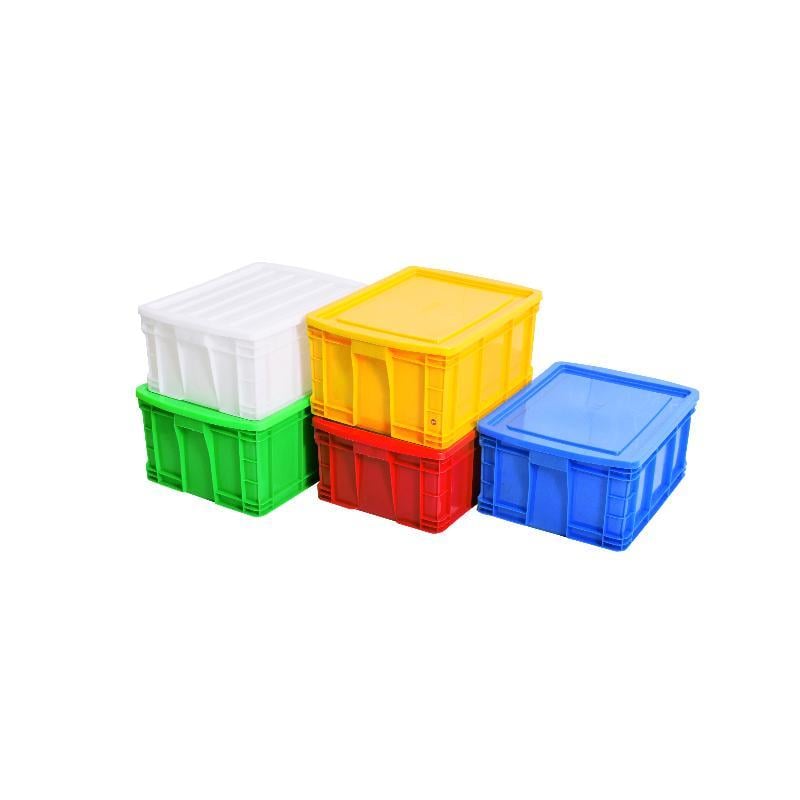 Plastic Crates
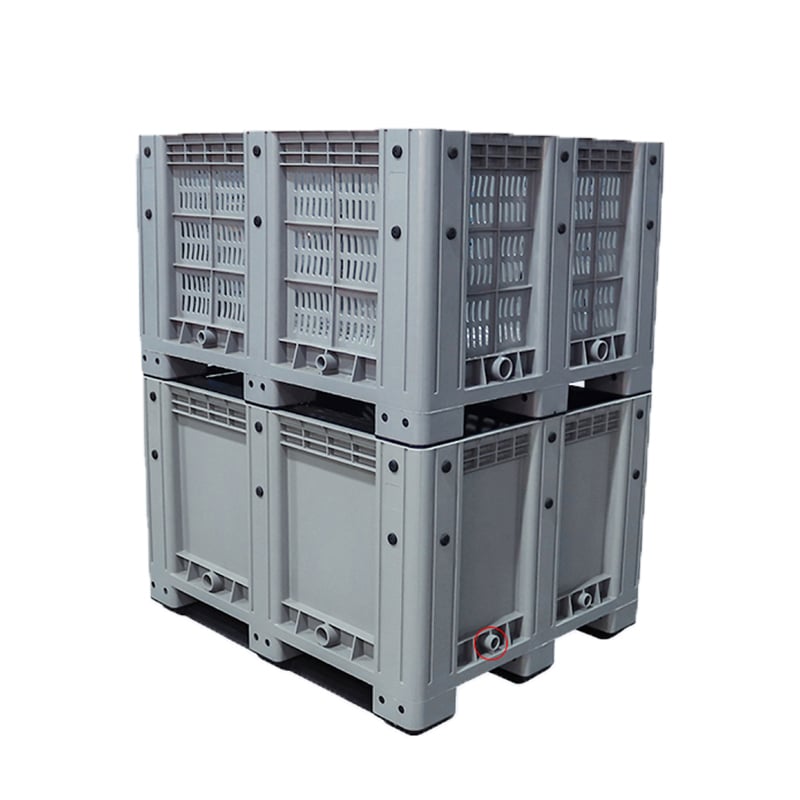 Bulk Containers
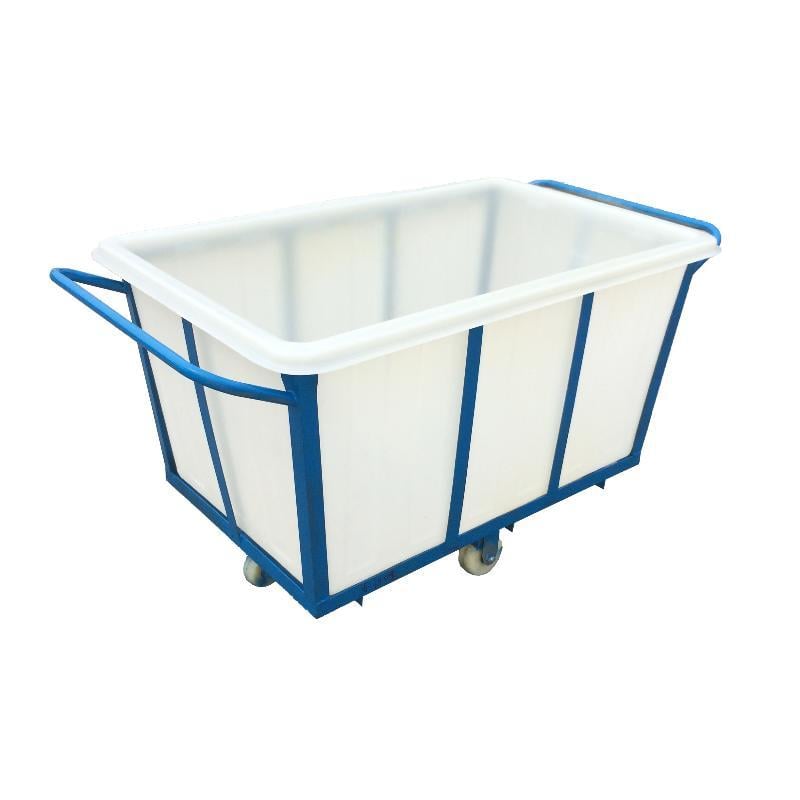 Trolly Cart
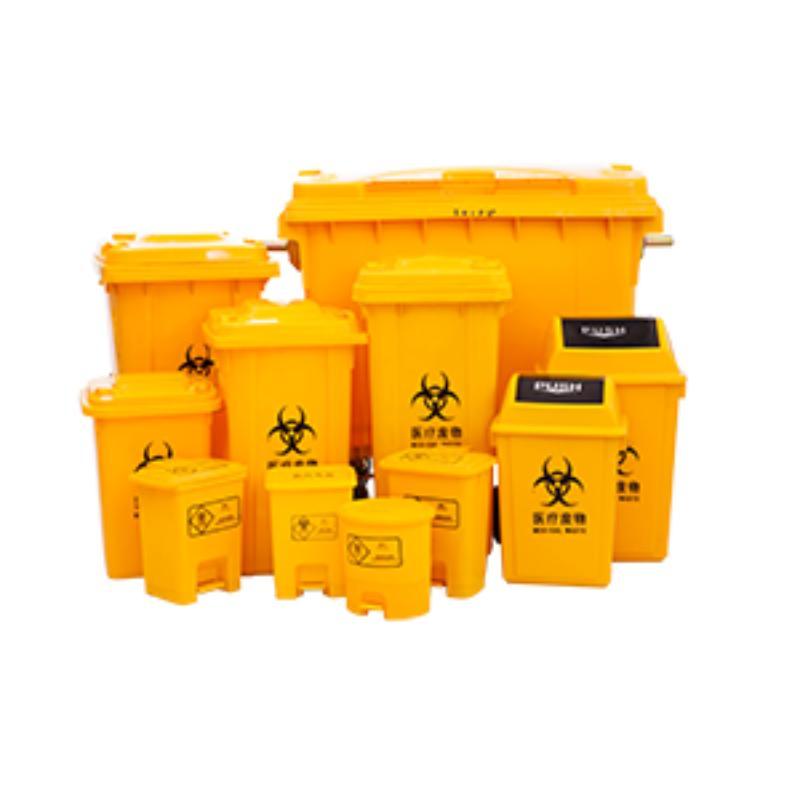 Waste Bins
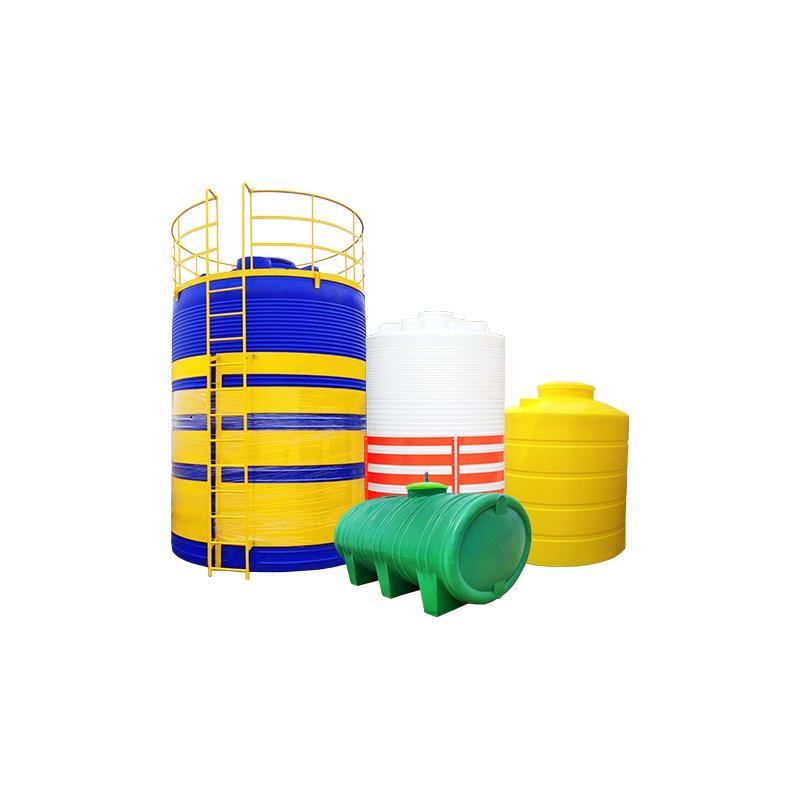 liquid storage containers
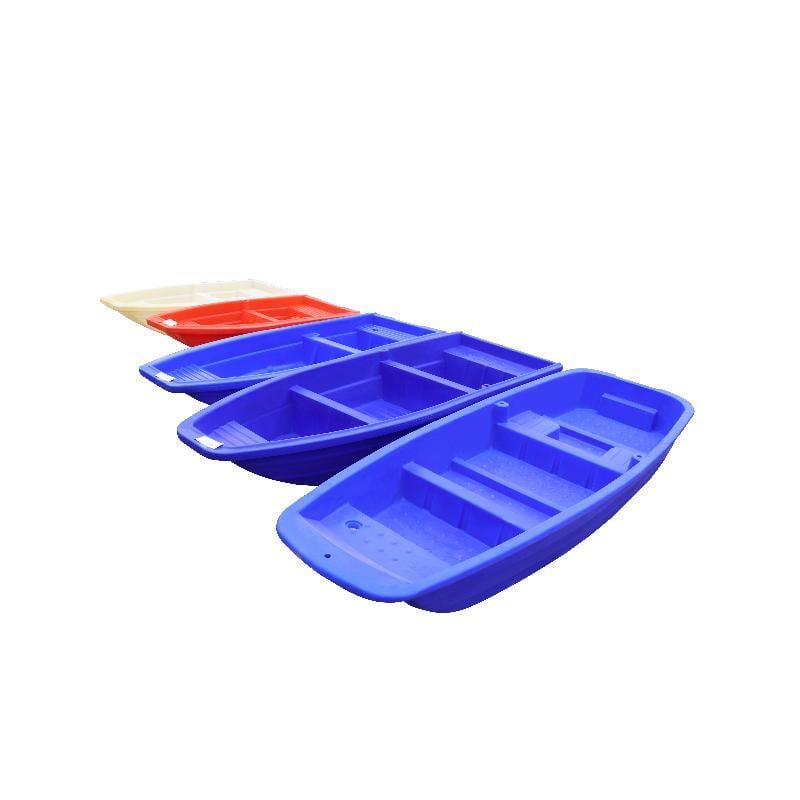 Boat &Aquatic products

Pallet Boxes for Automotive and Metal Parts Handling: A Guide
Automotive and metal parts ask more of a container than most general cargo. They are dense, their machined or painted surfaces must not be scratched, and a single box often travels from a supplier to a plant, then to a supermarket or line-side station, before it ever leaves the site. This guide covers how pallet boxes for automotive and metal parts handling are actually specified: the load figures that decide whether a box survives its first year, the base and lid options that match existing handling equipment, the return-logistics arithmetic that determines payback, and the mistakes that turn a container purchase into a repair bill.
Why Automotive and Metal Parts Need Purpose-Built Containers
Weight Concentration and Point Loading
Metal parts concentrate weight. A box filled with brackets, castings or machined housings can weigh far more than the same volume of packaged consumer goods, and the load frequently rests on a few hard points instead of spreading evenly across the base. That has two consequences. The base has to distribute concentrated load rather than simply accept it, and the side walls need enough stiffness to resist the outward pressure of a dense, shifting load. A container that holds the weight on paper can still distort under it in practice — which is why unit load, not nominal capacity, is the figure to specify against.
Surface Protection and Contamination
Machined faces, bearing surfaces and painted panels are damaged by contact with nails, splinters and grit, and these are the classic failure points of timber packaging. Metal parts also leave swarf, cutting oil and coolant residue behind in a container. In a wooden crate that residue works into the grain and is difficult to remove; in a one-piece moulded box there are no joints or seams for it to collect in, and the container can be washed out between loads. For parts that will be painted, coated or assembled without a re-cleaning step, that difference shows up directly in reject rates.
Repeated Handling Inside the Plant
Automotive parts rarely move once. A typical route runs from inbound goods to a storage area, then to a line-side station, then back as an empty — several times per shift in a high-volume plant. The container therefore has to cooperate with the handling equipment already installed: forklifts, pallet trucks, conveyors or an automated storage and retrieval system. A box that saves money per unit but cannot be handled by the equipment on site costs more in the end.
Pallet Box Options for Automotive and Metal Parts Handling
Three formats cover most requirements for pallet boxes for automotive and metal parts handling, and the choice between them is driven by how the container travels rather than by what goes inside it.
Rigid Industrial Pallet Boxes
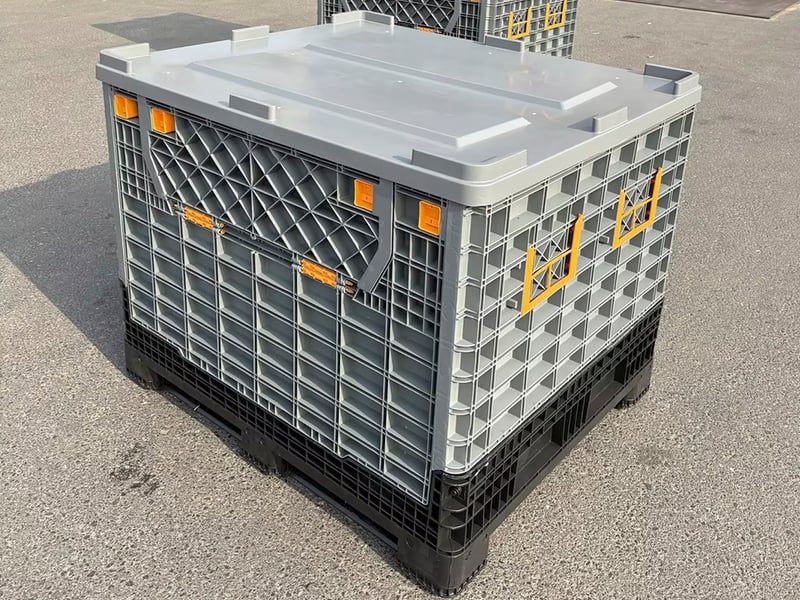
Rigid boxes are the default for line-side supply, work-in-progress storage and anything that stays in one place for a long period. With a fixed body and a solid base, they hold their shape under heavy, uneven loads and can be stacked several high where floor space is scarce. They make most sense where containers are loaded and unloaded in the same area and are not shipped long distances empty. Heavy-duty industrial pallet boxes in this format are typically built around a reinforced base and ribbed walls to resist distortion from dense metal loads.
Collapsible and Foldable Pallet Boxes
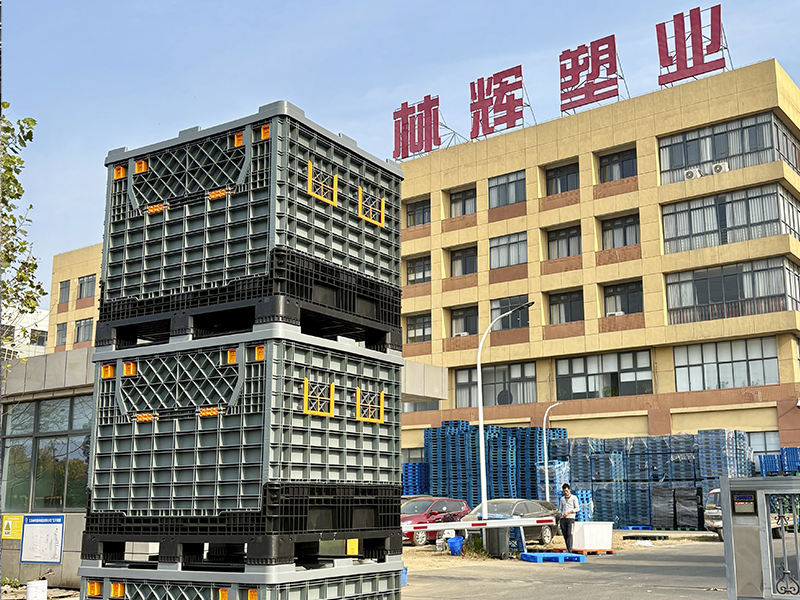
Where containers travel back empty on a regular route, folding boxes change the economics. A collapsible pallet box folds down to a fraction of its assembled height, so a truck that would carry a few dozen empty rigid boxes can bring back several times that number. This is the format to choose when the same containers shuttle between a supplier and a plant, or between plants, on a fixed loop. The trade-off is additional handling at the fold and unfold step, and slightly lower rigidity than a fixed-body box of the same footprint.
Bulk Containers with Lids
When parts need protection from dust, moisture or cross-contamination between processes, a lidded container is usually the right answer. Lids also allow the contents to be stacked on top rather than only alongside, which matters when a plant is short of floor space. In metal parts logistics the lid frequently does double duty as a dust cover during storage and as a stacking surface in transit.
For lighter or smaller components, automotive parts boxes and trays used inside the same logistics system are usually specified together with the pallet boxes, so that line-side presentation and transport packaging match.
How to Specify the Right Pallet Box
1. Internal Dimensions and Load Footprint
Size follows the unit load, not the part. Work from the largest packed assembly and check it against the internal dimensions — the usable space, not the external footprint. Leave enough clearance for loading and unloading by hand, by hoist or by robot cell, and confirm that the packed box still fits the racking, conveyor or truck position it is destined for.
2. Static, Dynamic and Stacking Load
These are three separate figures and should never be treated as one number. Static load is what a box supports resting on the floor; dynamic load is what it carries while being moved; stacking load is what it bears when units are stacked on top of it in storage. Metal parts loads are dense enough that the gap between the three matters in practice, and the applicable figure should be confirmed against your actual unit weight and stacking height rather than assumed from a general capacity rating.
3. Base Entry and Handling Method
The base has to match the equipment on site. Two-way entry suits straightforward forklift handling from one direction; four-way entry gives the forklift or pallet truck options in tight aisles and allows the box to be approached from the side when a loading bay is congested. If the plant is moving toward automated handling, the base and overall dimensions need to be considered against the tolerance requirements of that equipment from the start — retrofitting containers to an automated system later is considerably more expensive than specifying them correctly at the outset.
4. Lids, Liners and Contamination Control
Lid options range from a simple flat cover to a fully removable lid with its own stacking strength. For parts that cannot tolerate metal-to-metal contact, internal dividers or liners separate components and stop them shifting into each other in transit. The right combination depends on whether the container is protecting against dust, moisture, contact damage or all three.
5. Empty Return Ratio and Storage Volume
This is where the commercial case is usually won or lost, and it is rarely calculated at the start. Work out how many empty containers have to come back per week, how many fit in a truck in the folded versus assembled state, and what the difference costs in vehicle movements over a year. Where the return leg is short and occasional, a rigid box is simpler. Where containers run a fixed loop, the fold-down ratio usually decides the payback period on its own.
Common Mistakes and Cost Drivers in Metal Parts Logistics
The most common mistake is specifying by volume instead of by weight and handling route. Two containers with identical internal dimensions can behave very differently under a dense load, and the one that distorts will damage parts and take itself out of service. A related error is treating a plastic, wood and metal pallet boxes compared as a straight material question, when the deciding factors are usually contamination, repairability and the cost of the return leg.
For pallet boxes for automotive and metal parts handling, the container that fails is almost always the one specified on unit price rather than on the load it will actually carry.
The second common mistake is ignoring the empty leg entirely. Containers that travel back empty are paying freight for air, and that cost is invisible until it is totalled across a year.
The third is underestimating cleaning. If parts must be free of swarf and oil before the next process step, the container has to be cleanable in the time available between shifts — a one-piece body with smooth internal walls is easier to wash down than a jointed structure, and that accessibility is worth more than a marginally lower unit price.
Underneath these, three cost drivers are pushing in the same direction. Labour and timber costs for wooden packaging keep rising, while plastic containers carry a service life measured in many trips rather than one. Automotive supply chains are moving toward more frequent, smaller deliveries, which increases the number of return trips. And plants are steadily automating internal logistics, where standardised, dimensionally consistent containers are a precondition rather than a preference.
FAQ: Pallet Boxes for Automotive and Metal Parts Handling
What size pallet box do I need for automotive parts?
Size follows the unit load, not the part. Measure the largest packed assembly, then check the internal dimensions of the box against it, leaving clearance for loading and unloading by hand, hoist or robot.
Can plastic pallet boxes carry the same weight as steel containers?
Capacity depends on the specific box, its base design and how the load is distributed. Static, dynamic and stacking loads are three separate figures and should be confirmed against your actual unit load rather than inferred from a general rating.
Are collapsible pallet boxes worth it for metal parts?
They usually pay back where containers travel empty on a regular route. The saving comes from the fold-down ratio: the more height the folded box removes, the fewer truck movements are needed to bring empties back.
How do I know whether the base will work with our forklifts?
Check the entry type against the equipment you actually run, and consider aisle widths and approach directions. If automated handling is planned, involve the container specification early — the dimensions and base tolerances need to match from the outset.
What is the main difference between a pallet box and a bulk container?
Pallet boxes are built around a pallet footprint and are handled like a pallet. Bulk containers cover a wider family of large-volume vessels, including collapsible and lidded types, of which pallet boxes are one format.
Can these containers be washed out between loads?
One-piece moulded containers with smooth internal walls are straightforward to wash down. The cleaning method and the time available between shifts should be confirmed against your production schedule.
Key Takeaways
- When specifying pallet boxes for automotive and metal parts handling, work from unit load and handling route rather than volume alone. Dense metal parts behave differently from light goods in the same internal space.
- Keep static, dynamic and stacking load separate, and confirm the applicable figure for your actual load and stacking height.
- Match the base entry type to the equipment on site, and settle the dimensions before any move toward automated handling.
- Calculate the empty return leg. Where containers run a fixed loop, the fold-down ratio of a collapsible pallet box usually determines the payback.
- Treat cleanability as a specification item, not an afterthought — it decides whether parts reach the next process without a re-cleaning step.
Contact Us
Email: [email protected]
Mobile: +86 13915871341
Website: https://www.linhuiplastics.com/
Table of Contents
- Why Automotive and Metal Parts Need Purpose-Built Containers
- Pallet Box Options for Automotive and Metal Parts Handling
- How to Specify the Right Pallet Box
- Common Mistakes and Cost Drivers in Metal Parts Logistics
-
FAQ: Pallet Boxes for Automotive and Metal Parts Handling
- What size pallet box do I need for automotive parts?
- Can plastic pallet boxes carry the same weight as steel containers?
- Are collapsible pallet boxes worth it for metal parts?
- How do I know whether the base will work with our forklifts?
- What is the main difference between a pallet box and a bulk container?
- Can these containers be washed out between loads?
- Key Takeaways
- Contact Us