
 EN
EN
 AR
AR CS
CS DA
DA NL
NL FI
FI FR
FR DE
DE EL
EL HI
HI IT
IT JA
JA KO
KO NO
NO PL
PL PT
PT RU
RU ES
ES SV
SV TL
TL ID
ID SR
SR UK
UK VI
VI SQ
SQ HU
HU TH
TH TR
TR MS
MS IS
IS BN
BN LO
LO MN
MN NE
NE MY
MY UZ
UZ KY
KY


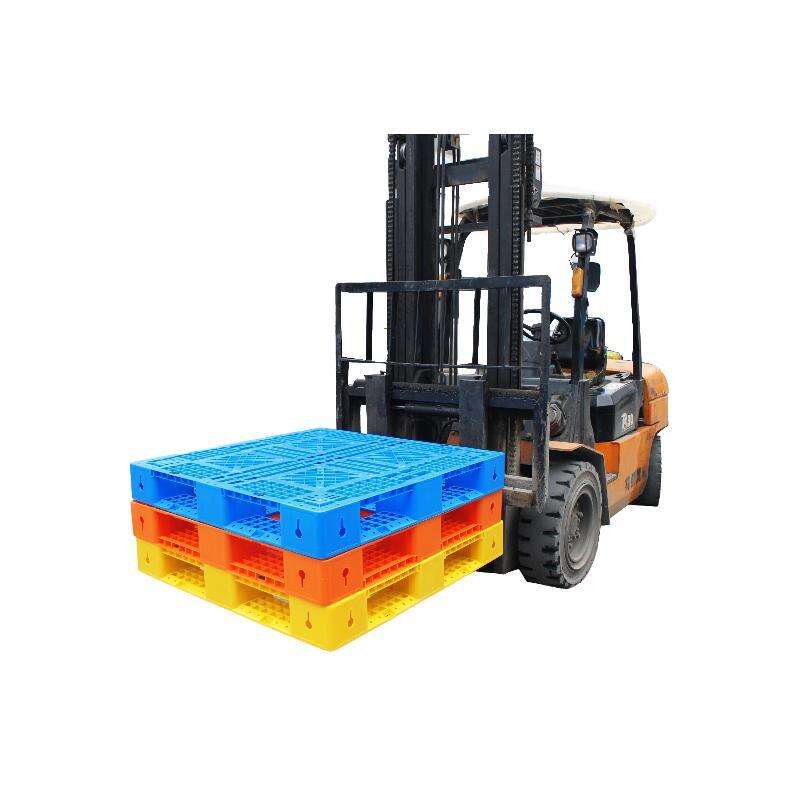 Plastic Pallets
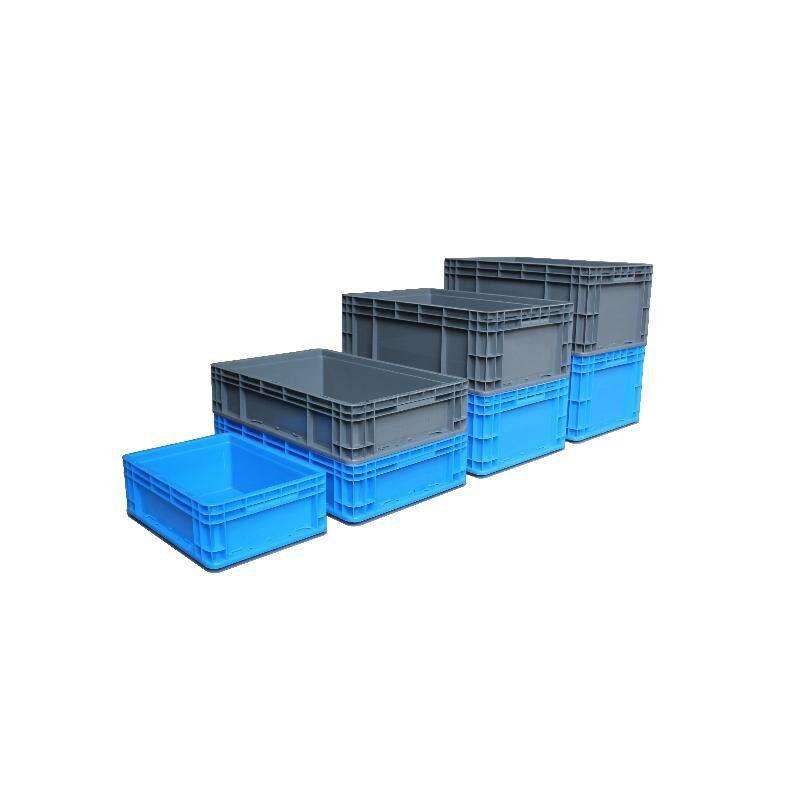 Logistics Box
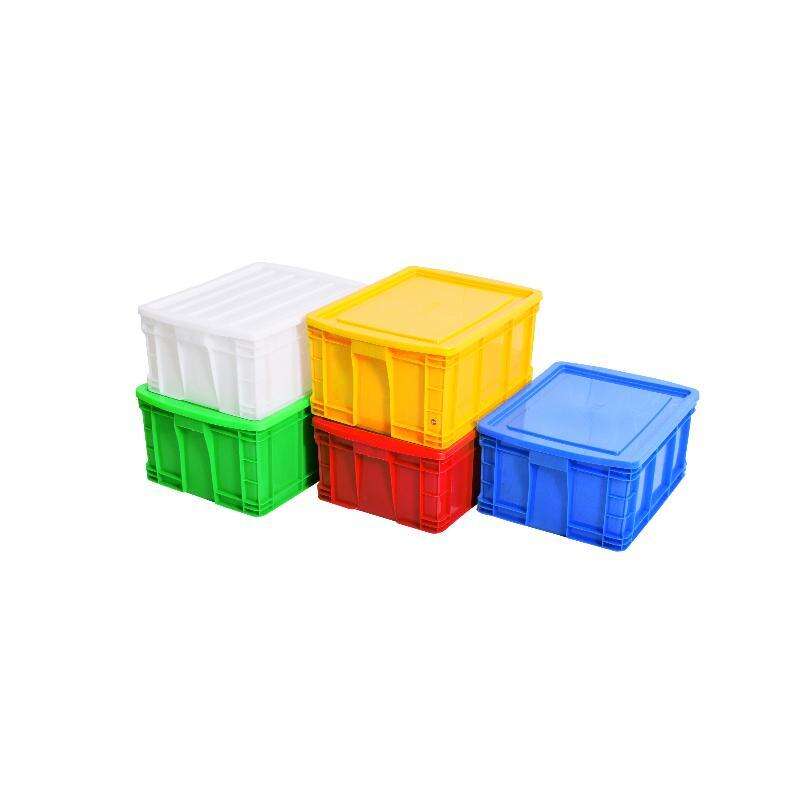 Plastic Crates
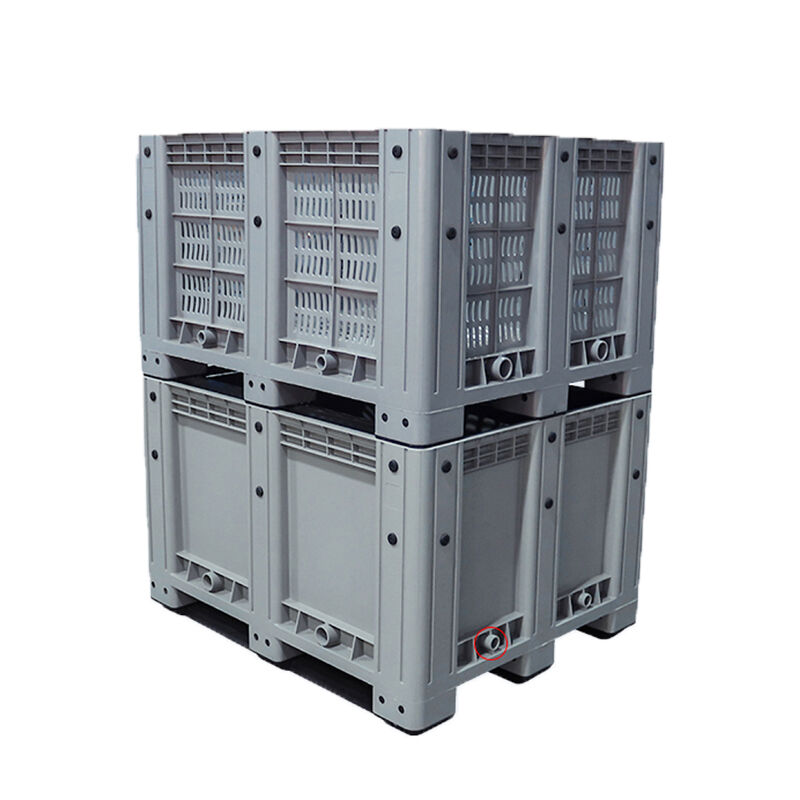 Bulk Containers
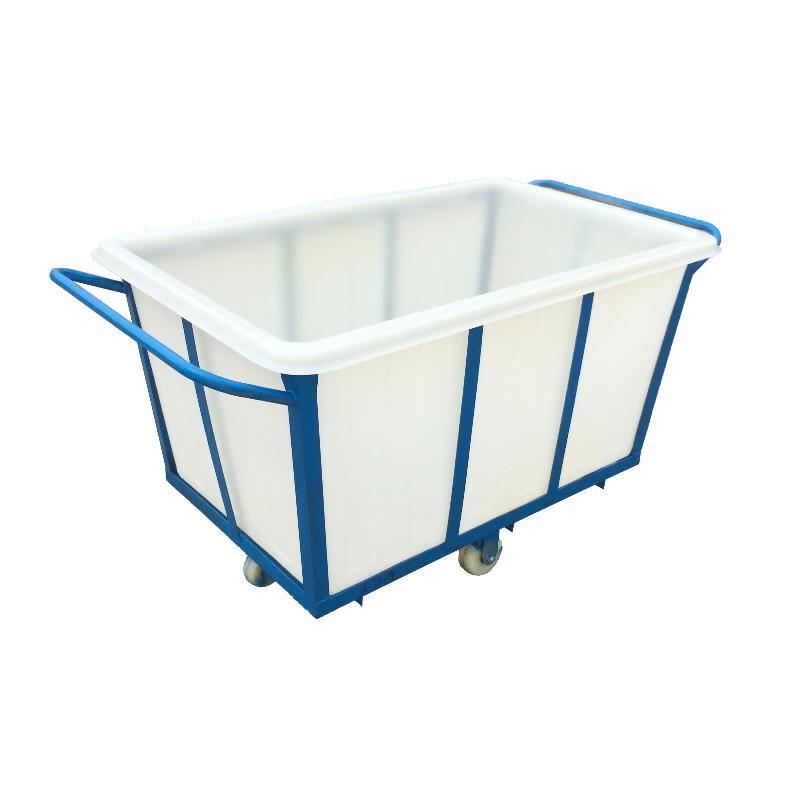 Trolly Cart
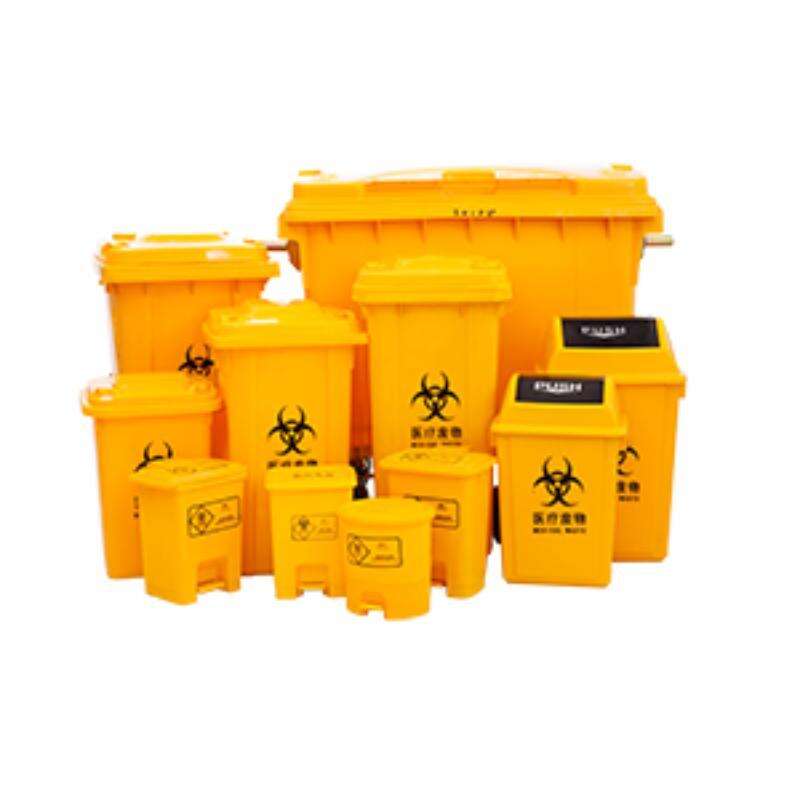 Waste Bins
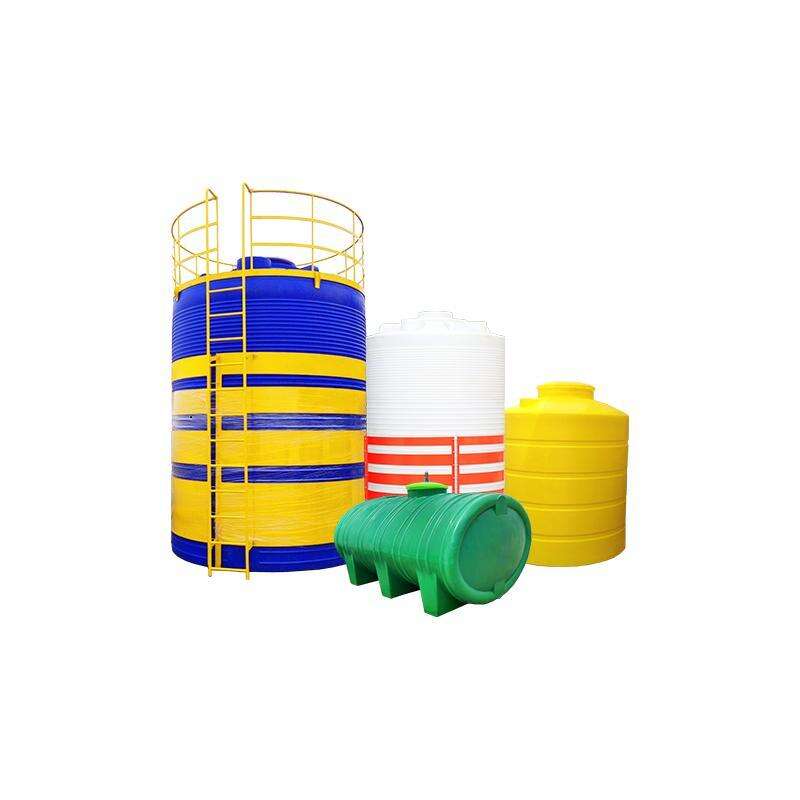 liquid storage containers
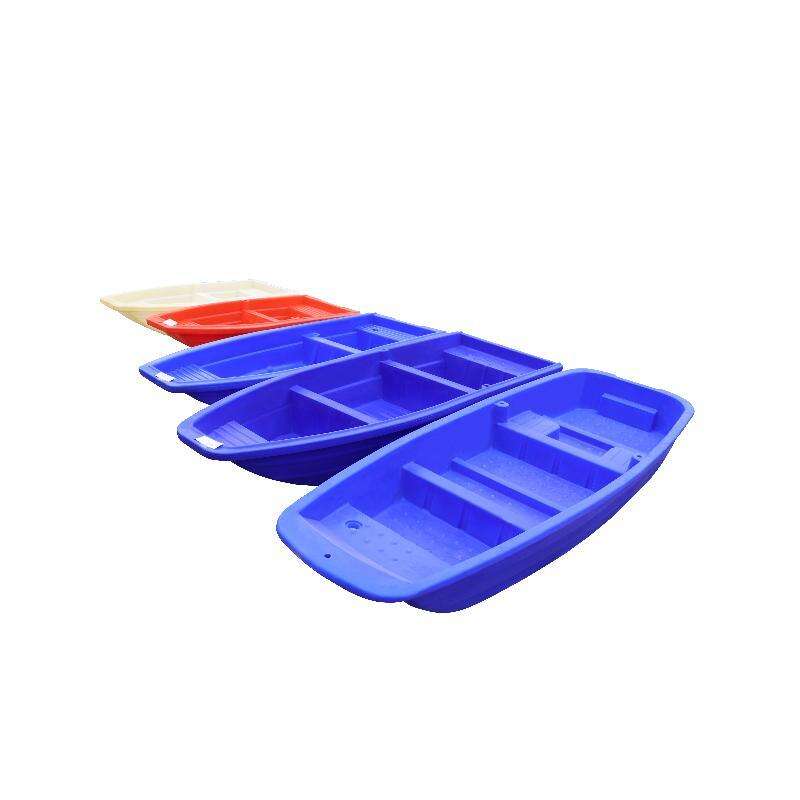 Boat &Aquatic products
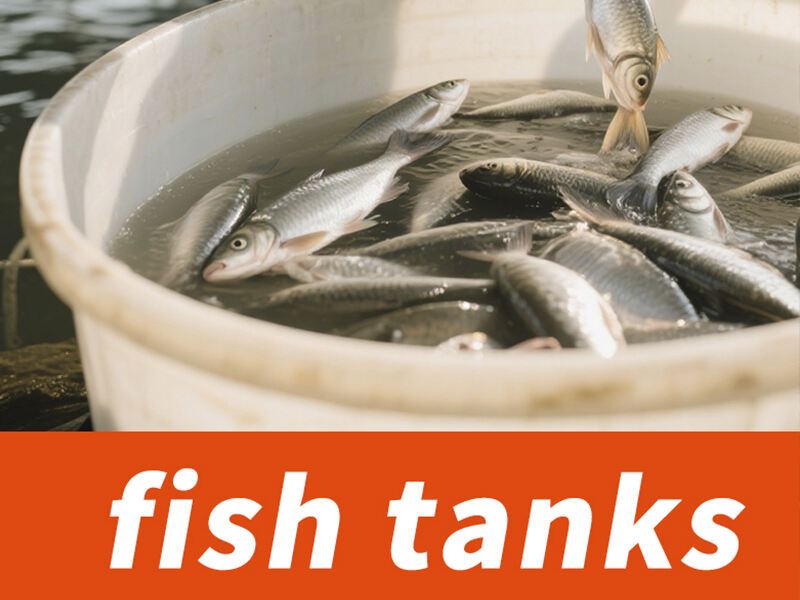
When it comes to aquaculture, seafood processing, or live fish transportation, the quality of your plastic fish tank directly impacts efficiency, survival rate, and long-term operational cost. Not all tanks are designed for heavy-duty, outdoor, or saltwater environments—so choosing the right one is essential.
This guide breaks down what global buyers should look for when selecting a reliable plastic fish tank, based on real demands from fish farms, seafood wholesalers, and marine industries.
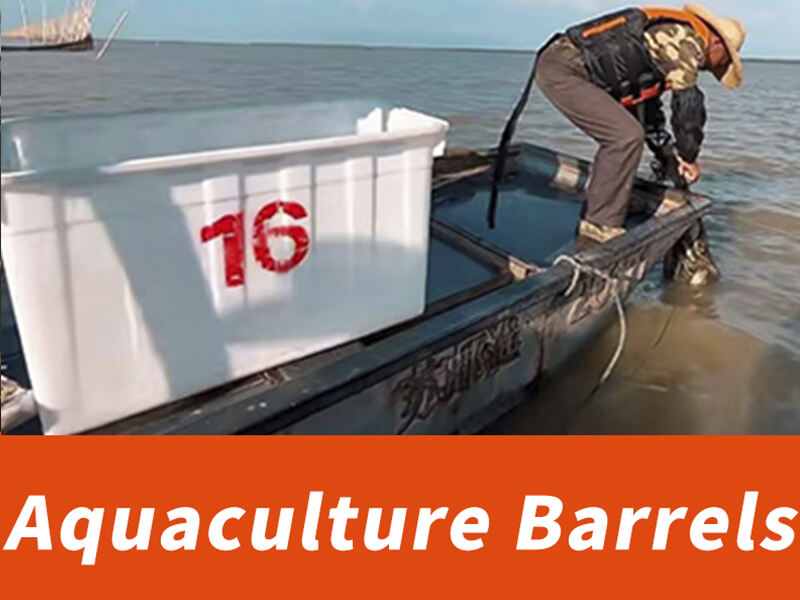
1. Material Quality Matters More Than Price
Most high-quality fish tanks are made from food-grade PE, a material known for its durability, UV resistance, and non-toxic properties.
When evaluating a tank, check:
-
Is the tank made from virgin PE?
-
Is it UV-stabilized to prevent cracking after long sunlight exposure?
-
What is the wall thickness? (2–4mm is ideal for heavy-duty use)
A reliable manufacturer will provide material certificates, test reports, and real photos from the factory.
2. Capacity and Structure Should Match Your Application
Different industries require different tank designs:
For fish farms
-
Large capacity from 200L–2000L
-
Smooth interior walls for easy cleaning
-
Strong reinforced edges to handle water pressure
For seafood distribution
-
Stackable structure
-
Lightweight yet durable
-
Compatible with ice storage and cold-chain handling
For fishing boats
-
Anti-corrosion properties
-
Tight sealing or drainage valve design
-
Thick bottom to withstand constant movement
Choosing the correct structure reduces breakage risk and extends service life.
3. UV Resistance Is Critical for Outdoor Aquaculture
Outdoor fish farms face constant sunlight exposure. Non-UV-stabilized tanks usually start:
-
Fading
-
Brittle cracking
-
Leaking at the bottom
A good plastic fish tank should remain stable for 3–5 years under outdoor use.
4. Easy Cleaning and Hygiene Control
Seafood handling and aquaculture require strict hygiene. Look for:
-
Rounded corners
-
Smooth interior
-
One-piece molding (no joints, no leakage)
These features reduce bacteria buildup and save labor costs.
5. Customization Options Can Reduce Operational Cost
Many buyers overlook customization, but it actually improves efficiency.
Useful customization options include:
-
Color coding to differentiate fish types
-
Company logo
-
Drainage outlet sizes
-
Reinforced base for forklifts
-
Matching lids
A manufacturer capable of customization usually indicates stronger technical capability.
6. Why Working With a Professional Manufacturer Matters
A good supplier gives more than just a tank—they provide long-term reliability.
A trustworthy factory should offer:
-
Consistent stock
-
Fast delivery
-
Clear after-sales support
-
Strong packaging for export
-
Long-term supply capacity
This reduces risk and ensures smooth operations throughout the year.
Conclusion
Choosing the right plastic fish tank can significantly improve your farming efficiency, seafood handling safety, and overall cost performance. Focus on material quality, durability, structure design, and whether the supplier can provide stable production.
If you need a reliable manufacturer with strong export experience, Linhui Plastics offers durable, food-grade PE fish tanks suitable for aquaculture, seafood transport, and marine industries.
Contact Us
Email: [email protected]
Mobile: +86 18806120677
Table of Contents
- 1. Material Quality Matters More Than Price
- 2. Capacity and Structure Should Match Your Application
- 3. UV Resistance Is Critical for Outdoor Aquaculture
- 4. Easy Cleaning and Hygiene Control
- 5. Customization Options Can Reduce Operational Cost
- 6. Why Working With a Professional Manufacturer Matters
- Conclusion
- Contact Us