
 EN
EN
 AR
AR CS
CS DA
DA NL
NL FI
FI FR
FR DE
DE EL
EL HI
HI IT
IT JA
JA KO
KO NO
NO PL
PL PT
PT RU
RU ES
ES SV
SV TL
TL ID
ID SR
SR UK
UK VI
VI SQ
SQ HU
HU TH
TH TR
TR MS
MS IS
IS BN
BN LO
LO MN
MN NE
NE MY
MY UZ
UZ KY
KY


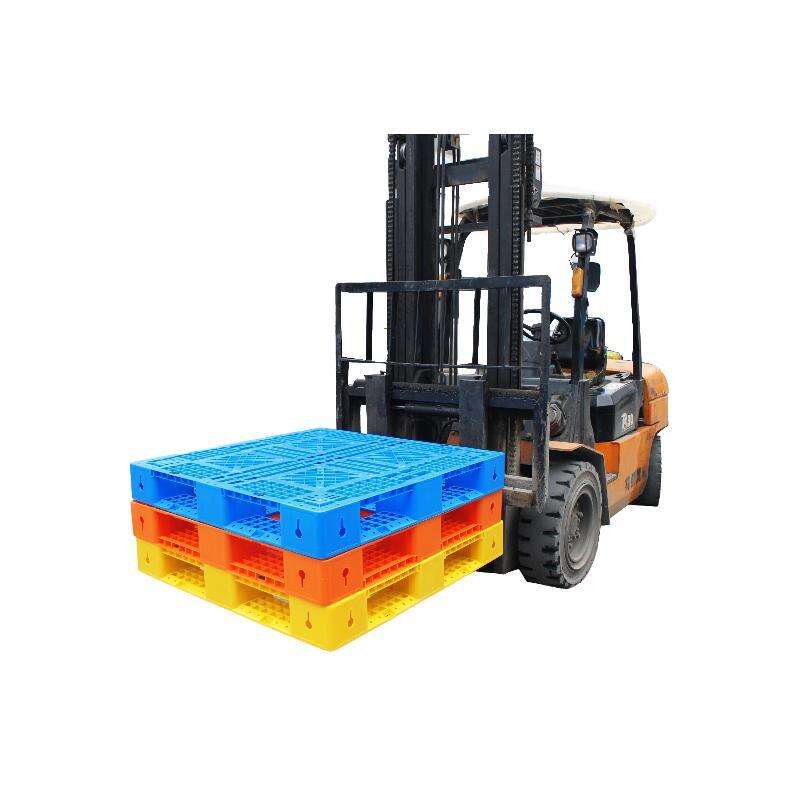 Plastic Pallets
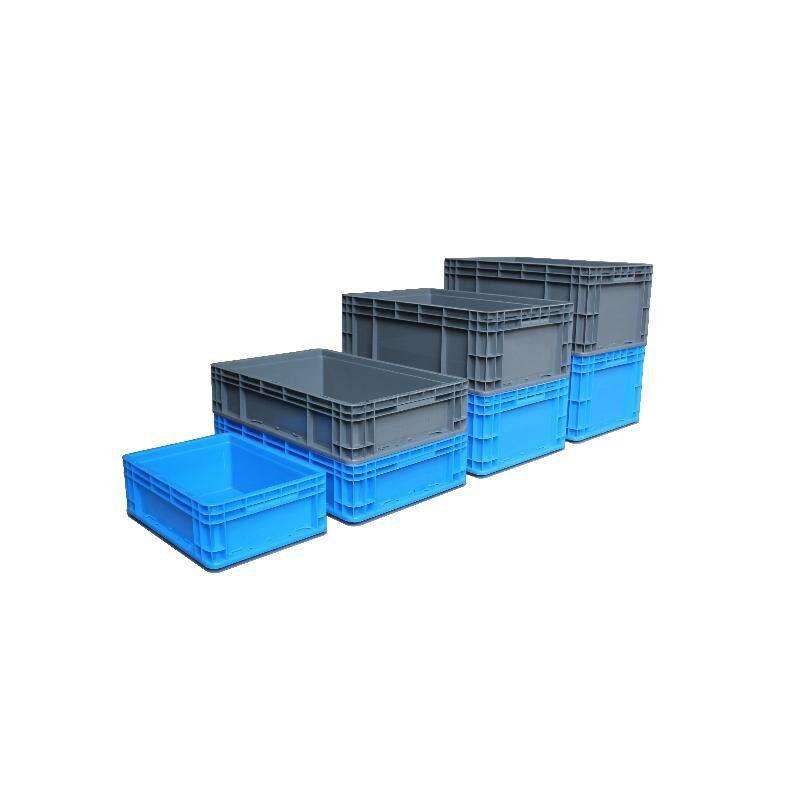 Logistics Box
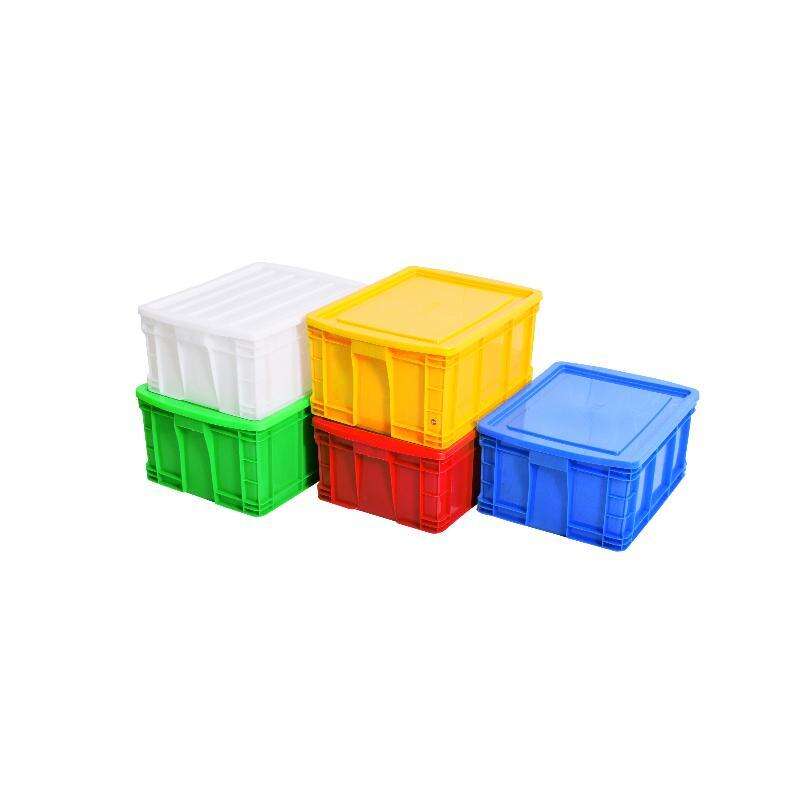 Plastic Crates
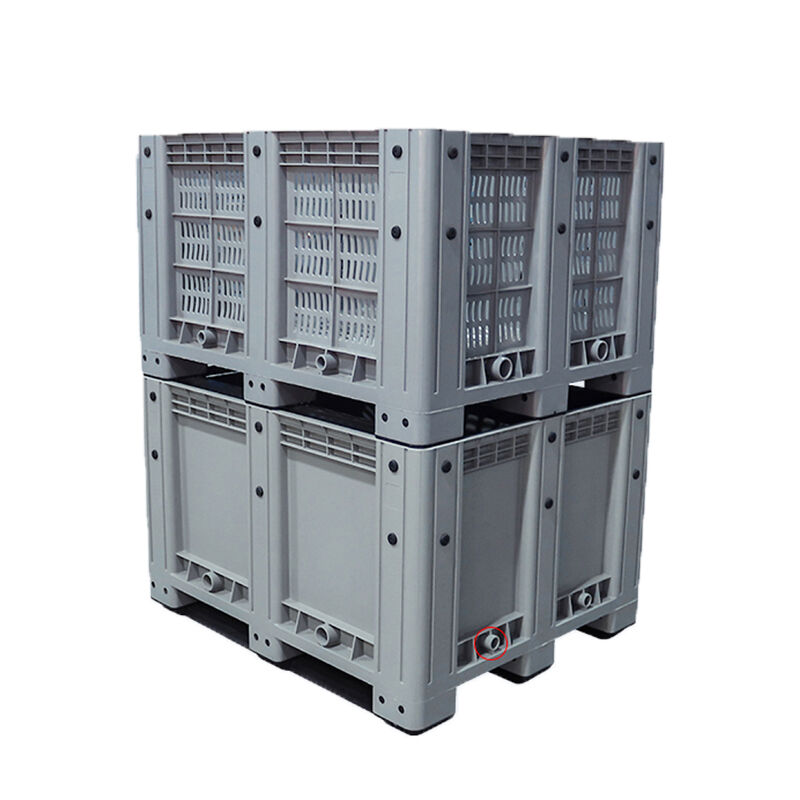 Bulk Containers
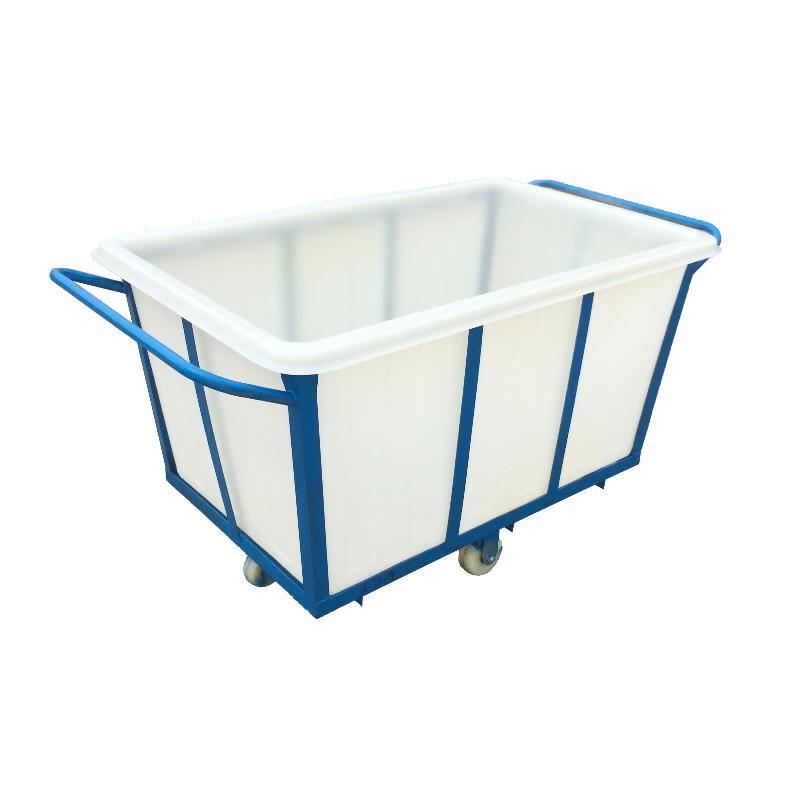 Trolly Cart
 Waste Bins
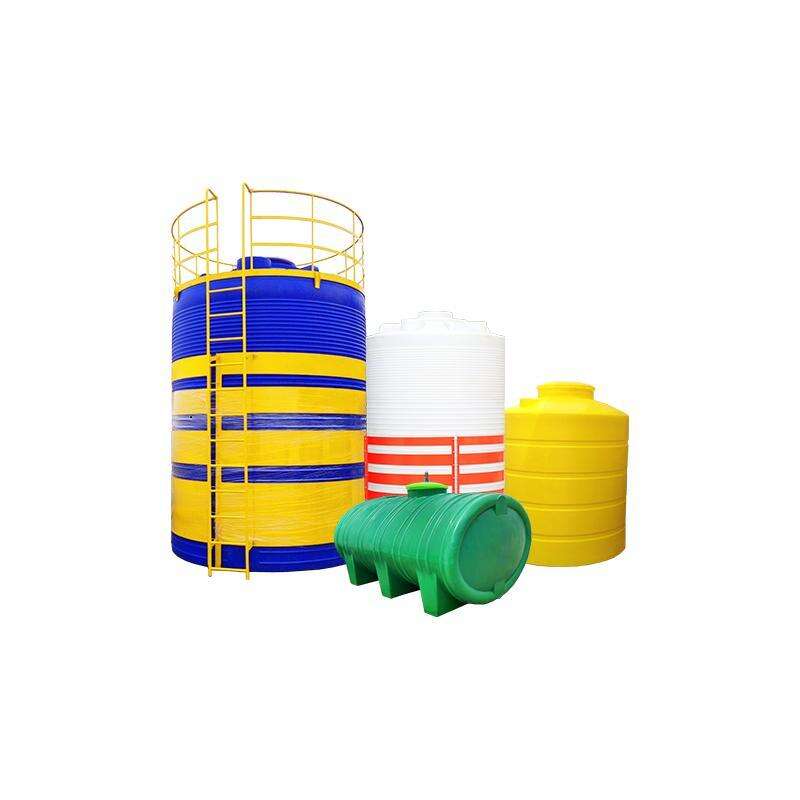 liquid storage containers
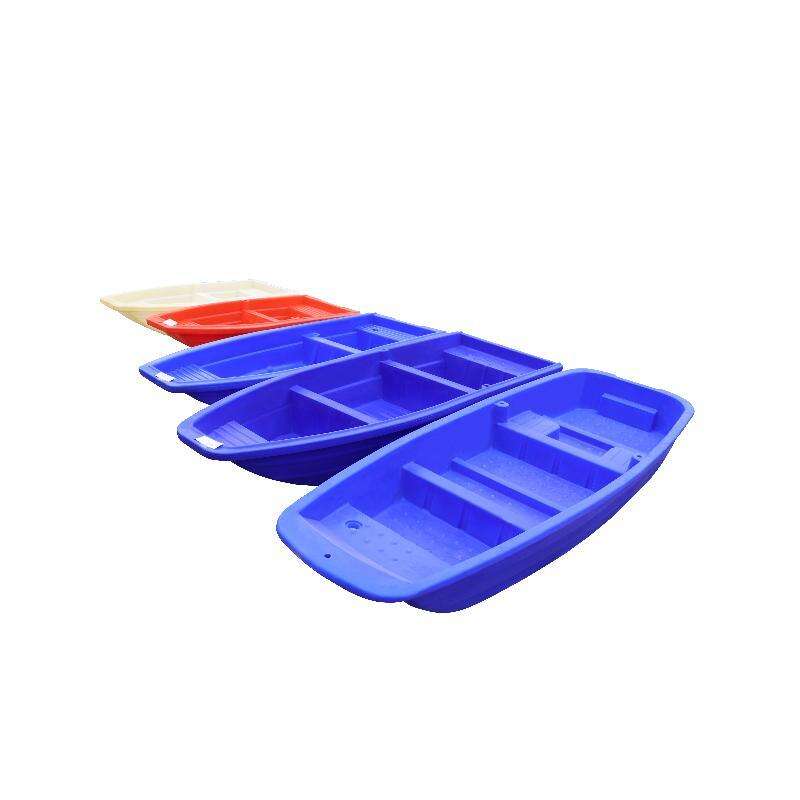 Boat &Aquatic products
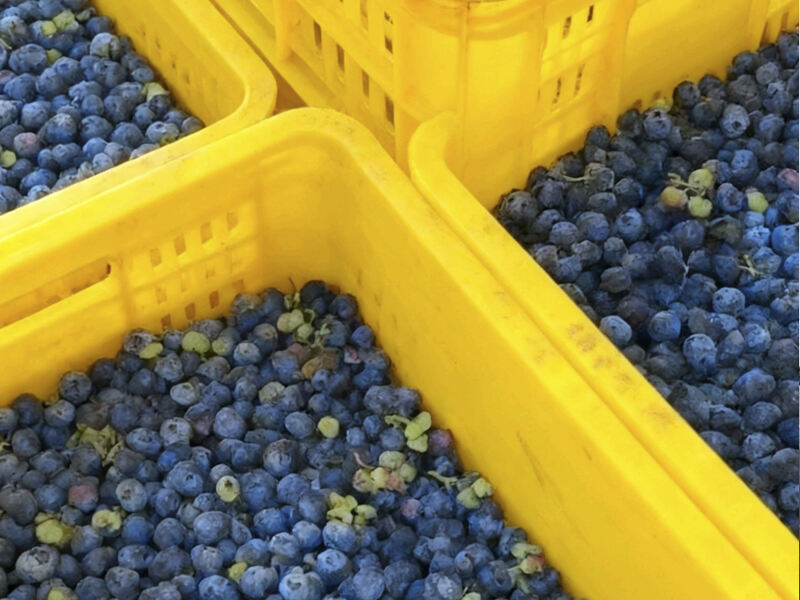
For blueberry growers, keeping the fruit fresh from the moment it’s picked until it reaches the market is one of the biggest challenges. Blueberries are delicate, with thin skins and short shelf life. Any mistake during harvesting, handling, or storage can lead to significant losses. To minimize waste and protect profits, three tools play a crucial role: cold storage, plastic pallets, and fruit crates.
1. Cold Storage: Preserving Freshness
Once blueberries are harvested, they need to be cooled quickly. Without proper temperature control, the berries lose firmness, moisture, and flavor.
-
Fast cooling slows down respiration and extends storage life.
-
Controlled environment: The ideal range is 0–2°C with 90–95% humidity.
-
Organized storage: Keeping berries separated by batch makes it easier to track and ship them in the right order.
2. Plastic Pallets: Reliable for Handling and Stacking
Wooden pallets can absorb moisture, break down in humid conditions, and even harbor bacteria. Plastic pallets are more reliable for both cold storage and transportation.
-
Strong and stable: They can handle heavy stacking without collapsing, keeping fruit crates safe.
-
Easy to clean: Smooth surfaces allow quick washing and sanitizing—important for food safety.
-
Cold-resistant: High-quality plastic pallets won’t crack or weaken in freezing environments.
3. Fruit Crates: Protecting Berries from the Start
The journey of every blueberry begins in a fruit crate. Choosing the right type of crate directly impacts fruit quality.
-
Ventilated design allows airflow, preventing heat build-up and decay.
-
Durable yet lightweight: Strong enough for stacking but light enough for workers to carry during harvesting.
-
Standardized sizes: Crates that fit well on pallets make stacking and storage more efficient.
4. Working Together: A Complete System
When cold storage, plastic pallets, and fruit crates are used together, farms create an efficient post-harvest process:
-
Harvest → Sorting in crates → Pallet stacking → Cold storage
-
The system reduces double-handling and speeds up loading and unloading.
-
Less physical stress on the fruit means fewer losses and higher returns.
Conclusion
For blueberry farms, production doesn’t end in the field—it continues in the way fruit is handled after harvest. Cold storage keeps blueberries fresh, plastic pallets ensure safe handling, and fruit crates protect the berries from the very first step. By combining these three tools, farms can cut losses, improve efficiency, and deliver better-quality blueberries to the market.